Quick Guide
Let's be honest, we've all been there. You get excited about making pickles, grab whatever cucumbers look decent at the supermarket, follow a recipe to the letter, and then... disappointment. The pickles come out soft, mushy, or just lacking that iconic snap and tang. It's frustrating. After more batches than I care to admit (and some truly sad, floppy pickles), I realized the secret wasn't just in the brine or the spices – it started right at the beginning, with the cucumber itself. Choosing the right variety is the single most important step most people overlook.
So, what exactly are the best cucumbers to pickle? It's not a one-size-fits-all answer. The "best" pick depends on whether you're a backyard gardener with limited space, a farmer's market shopper, or someone relying on the grocery store. It depends on if you want classic dills, bread and butters, or something more unique. This guide is here to cut through the confusion. We'll look at the top varieties, why they work so well, and how to get your hands on them. We'll also talk about the common mistakes that lead to soft pickles (I've made them all) and how to avoid them, ensuring every jar you put up is crisp and full of flavor.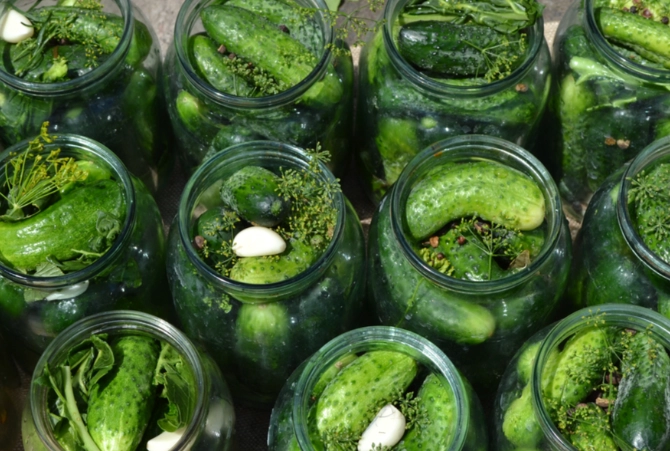
The Core Principle: The best cucumbers for pickling are specifically bred for it. They have thinner skins for better brine absorption, firmer flesh that holds up under heat, fewer and smaller seeds, and a consistent size. Using a salad or slicing cucumber is the #1 reason for pickle failure.
The Top Contenders: A Breakdown of the Best Pickling Cucumbers
Here’s the lineup. Think of this as your cheat sheet. I’ve grown or pickled with most of these, and the table below sums up the key differences to help you decide.
| Variety | Key Characteristics | Why It's Great for Pickling | Potential Drawback | Best For |
|---|---|---|---|---|
| Kirby | Short, blocky, bumpy skin, very crisp. | The gold standard. Unbeatable crunch, perfect size, widely available. | Can be harder to find fresh outside of peak season. | Everyone, especially beginners. The classic choice. |
| Boston Pickling (aka ‘County Fair’) | Slightly longer than Kirby, smooth skin, prolific producer. | Extremely reliable, disease-resistant, fantastic flavor retention. | Can grow large quickly; must harvest small. | Gardeners looking for a heavy, dependable yield. |
| National Pickling | Slender, cylindrical, uniform, small seed cavities. | Ideal for whole gherkins or spears. Very firm flesh, beautiful in the jar. | Less commonly sold fresh; often a gardener's variety. | Those wanting picture-perfect whole pickles. |
| Persian Cucumbers | Long, thin, smooth, nearly seedless, sweet. | Super crisp and great for quick refrigerator pickles. | Thin skin can sometimes get too soft in canning. Pricey. | Quick pickles, salads, and snacking. Use fresh. |
| Lemon Cucumber | Round, yellow, tennis-ball sized, mild flavor. | Novelty and conversation starter. Holds shape surprisingly well. | Not a classic pickle flavor. Can be pulpy if overgrown. | Gardeners wanting something unique and fun. |
See? It's not just about grabbing a "pickling cucumber." There are nuances. Now, let's get into the dirt on each one.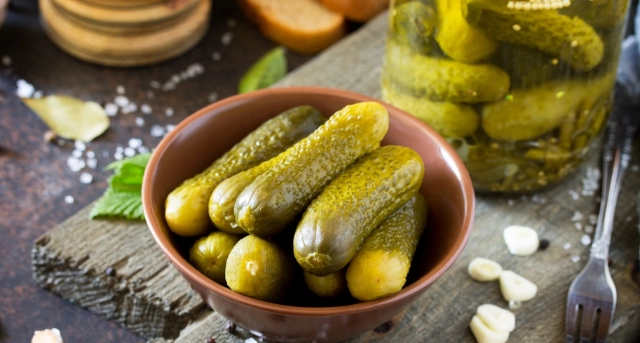
Kirby: The Unquestionable Champion
If you ask any seasoned pickler for the best cucumber to pickle, Kirby will be the first name out of their mouth. It's for good reason. Kirbys are practically engineered for the jar. They're usually 3-6 inches long, with a stumpy, blocky shape and that distinctive bumpy skin. Don't let the bumps fool you – that skin is actually thin, which is crucial. It allows the vinegar brine to penetrate deeply and evenly, flavoring the entire cucumber.
The flesh is incredibly dense and crisp, with a relatively small seed cavity. This means less watery pulp and more crunchy, flavorful flesh in every bite. They hold their texture through the canning process like a champ. You'll find Kirbys at farmers' markets in summer and sometimes in well-stocked grocery stores. When you see them, buy them. They are the most forgiving variety for new picklers.
My personal benchmark: A Kirby pickle should snap so loudly you can hear it in the next room. If it doesn't, something went wrong in the process. They set the standard for crunch.
Boston Pickling Cucumber: The Gardener's Workhorse
This is the one I plant every single year in my garden. Sold often as ‘County Fair’ or simply "Boston Pickling," this variety is a beast of production. The vines are vigorous and resistant to common cucumber diseases like mosaic virus and scab, which is a huge relief for organic gardeners. The cucumbers themselves are a bit longer and smoother than Kirbys, but they share that essential firmness.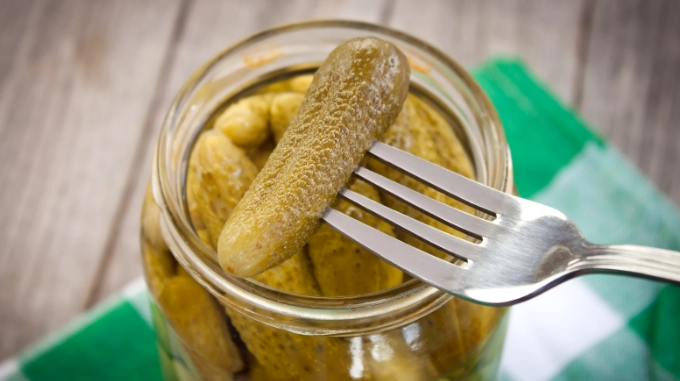
Their flavor is excellent – a clean, classic cucumber taste that absorbs dill and garlic beautifully. The main thing with Bostons is timing. They can go from perfect pickling size (about 4-5 inches) to seedy monster in what feels like two days. You have to check the vines daily. But if you keep up with them, you'll have more cucumbers than you know what to do with, which is the dream for a serious pickling session. The University of Minnesota Extension notes that consistent harvesting is key to continued production, and that's doubly true for pickling varieties.
National Pickling: The Professional's Choice
National Pickling cucumbers are sleek and uniform. They grow in a nearly perfect cylindrical shape, which makes them ideal for packing neatly into jars, whether you're leaving them whole as gherkins or cutting them into spears. The seed cavity is notably small, which again translates to maximum crisp flesh and minimal soft pulp.
This variety is a favorite among commercial pickle producers and serious home canners because of its reliability and beautiful finished product. You're less likely to find these fresh at a market (though it's possible), but seeds are readily available for gardeners. They mature quickly and produce a concentrated yield over a shorter period, which is perfect if you want to do all your canning in one or two big weekends.
What About Persian and Lemon Cucumbers?
This is where opinions diverge, and I'll give you mine. Persian cucumbers are fantastic for eating fresh and for making quick refrigerator pickles. Their crunch is phenomenal, and their near-seedless nature is a delight. However, for traditional canning (the hot water bath method), I've found they can occasionally lose that extreme crispness. Their skin is so thin and delicate that the heat processing can make them a tad softer than a robust Kirby. They're not a *bad* choice, but they're not my first pick for shelf-stable cans. For a fridge pickle you'll eat in weeks? Absolutely, they're a top contender.
Lemon cucumbers are a fun garden oddity. They're round, turn a bright yellow when ripe, and have a mild, slightly sweet flavor. I pickle them mostly for the surprise factor – people are delighted by a round pickle! They hold up better than you'd think, but the flavor profile is different. It's a milder, sweeter base. I like them in a bread and butter style brine. Don't expect a classic dill from a lemon cucumber. It's a niche pick, but a rewarding one if you like experimenting.
A Critical Warning: Never, ever use a standard slicing cucumber (like the long, dark green, plastic-wrapped ones common in supermarkets) for pickling. They are bred to have thick, waxy skins (often applied post-harvest) that repel moisture and large, watery seed cavities. This combination is the perfect recipe for a soft, bland, disappointing pickle. The wax alone will prevent brine penetration. Just don't do it.
Beyond the List: How to Choose and Use Your Pickling Cucumbers
Knowing the names is half the battle. The other half is knowing what to look for and what to do between the market and the jar.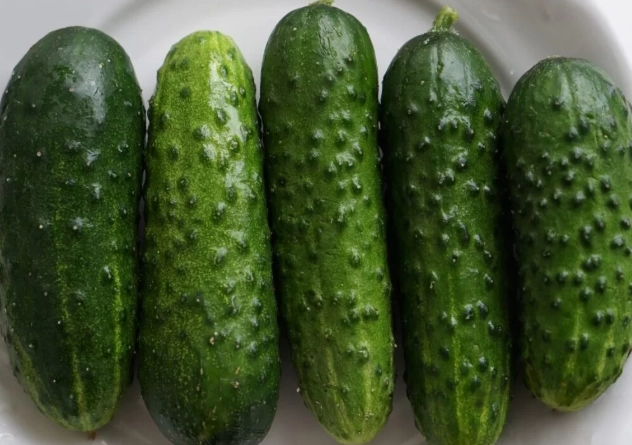
Where to Find the Best Pickling Cucumbers
Your sources, in order of preference:
- Your Own Garden: Ultimate control. Pick them at the perfect size, hours before processing. Nothing is fresher.
- Farmers' Markets: Ask the vendor! Say, "I'm looking for cucumbers specifically for pickling." They'll point you to Kirbys or Bostons. You can often find them in bulk at a discount later in the day.
- CSAs (Community Supported Agriculture): In peak season, you'll likely get a flood of them. Be prepared!
- Specialty or Asian Grocers: Sometimes carry Kirby or Persian types in bulk.
- Conventional Grocery Stores: Your last resort. Look carefully in the produce section, sometimes near the peppers or tomatoes, for a basket of shorter, bumpier cucumbers. They might be labeled "pickling cucumbers." Inspect them closely.
The Hallmarks of a Perfect Pickling Cuke (Freshness Test)
No matter where you get them, run through this checklist:
Firmness: It should be rock-hard with no give. Squishy spots mean it's already past its prime.
Color: A vibrant, medium to dark green. Avoid any with yellowing, which indicates over-ripeness and large seeds.
Size: For most varieties, ideal is between 3 and 5 inches long. The diameter should be consistent for even pickling.
Skin: Should be intact, not wrinkled or dull. A slight sheen is good. Avoid any with significant blemishes or soft spots.
Blooms: A bit of dried flower at the end is normal and fine.
Size really matters here.
A cucumber that's grown too large has shifted its energy from creating firm flesh to developing mature seeds. Those seeds are surrounded by a spongy, watery tissue. Once that forms, your pickle will never achieve that solid, crisp texture throughout. It'll have a mushy core. When in doubt, pick (or buy) smaller. A 4-inch cucumber is almost always better than a 6-inch one for pickling.
Prepping for Success: The Non-Negotiable Steps
You have your perfect, fresh, best cucumbers for pickles. Now, don't ruin them with lazy prep.
- Wash Thoroughly: Scrub them gently under cool water with a vegetable brush to remove any dirt or spines, especially if homegrown.
- Remove the Blossom End: This is the single most important tip for crisp pickles that most recipes bury in the small print. The blossom end (opposite the stem) contains an enzyme called pectinase that causes softening during fermentation or brining. Slice off at least 1/16th of an inch from the blossom end. When in doubt, I just slice a small disk off both ends to be safe.
- Ice Bath Soak (The Secret Weapon): This is an old restaurant trick. Soak your washed and trimmed cucumbers in a bowl of ice water for 1-2 hours (or even in the fridge overnight). The cold water plumps the cells with water, resulting in an even crisper final texture. It's like giving them a hydration boost before the brine. Trust me, it works.
Your Pickling Cucumber Questions, Answered
Here are the things people really want to know after they've found the best cucumbers to pickle.
Can I use regular grocery store cucumbers if I can't find pickling ones?
I strongly advise against it for traditional canned pickles. The results will be inferior. However, if you're desperate and making quick refrigerator pickles, you can try English/hothouse cucumbers. Peel them completely (removing the waxy skin), slice them, and salt them for an hour to draw out excess water before brining. It's a workaround, not a solution. You'll get better texture from a good Persian this way than from a waxy slicer.
Does the size of the cucumber affect the pickle?
Absolutely. Smaller cucumbers (1-3 inches) are gherkins, perfect for whole pickles. Medium (3-5 inches) are the sweet spot for spears, chunks, or whole. Large (5+ inches) are only good for slices or relish, as the seed cavity will be large. The National Center for Home Food Preservation provides specific guidelines for packing jars based on size to ensure safe and even processing.
Do I need to buy special "pickling" seeds for my garden?
Yes, if you want the best results. Seed packets labeled "pickling" are bred for the characteristics we've discussed. Don't plant seeds from a slicing cucumber and expect good pickles. Reliable seed companies like Johnny's Selected Seeds or Burpee have extensive pickling sections. I'm partial to 'Boston Pickling' and 'Calypso' for disease resistance.
Why did my pickles turn out soft even though I used Kirbys?
This is the heartbreak. Assuming you started with fresh, firm Kirbys, softness usually comes from one of three places: 1) Not removing the blossom end (the enzyme strikes again!), 2) Processing them in a boiling water bath for too long – you only need to process them for the minimum time required for safety to preserve texture, or 3) Using a brine that was too weak (not enough vinegar/acid). Always use a tested, science-based recipe from a source like the Ball Canning website or the National Center mentioned above.
Can I pickle cucumbers that are a day or two old?
Fresh is best, like, same-day fresh. But if you need to store them, do NOT leave them at room temperature. Refrigerate them immediately in a perforated bag. Even one day on the counter can start the softening process. I've used refrigerated cucumbers 2-3 days after picking with good results, but the quality declines each day.
The Final Slice: It's All About the Crunch
Finding and using the best cucumbers to pickle isn't a minor detail; it's the foundation of the entire endeavor. You can have a perfect brine, artisanal spices, and meticulous technique, but if you start with a cucumber that's meant for a salad, you're fighting a losing battle. Start with the right raw material – a firm, fresh, purpose-bred pickling cucumber like a Kirby, Boston, or National. Treat it right with an ice bath and by removing the blossom end. Follow a trusted recipe.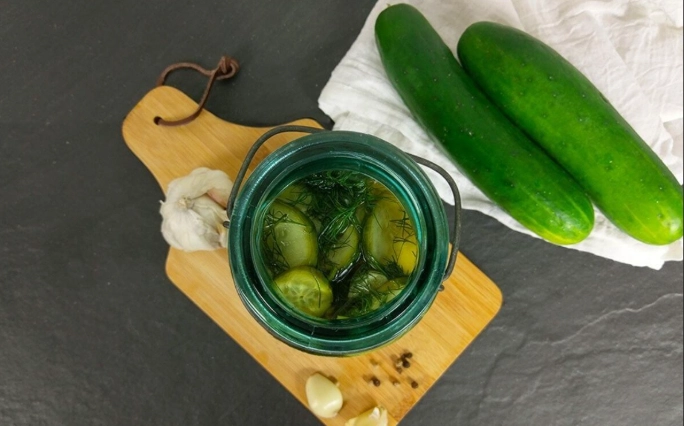
Do that, and the satisfying *snap* of a perfectly crisp homemade pickle will be your reward, not just a hope. It turns pickling from a gamble into a guaranteed delight. Now go find some cucumbers – your future self, enjoying a pickle next winter, will thank you.
Happy pickling!
Reader Comments