Quick Guide to This Article
You know that feeling. You walk into the grocery store, grab a shiny red apple or a plump-looking peach, take a bite at home, and... meh. It's bland, it's mushy, or it just tastes like nothing. Sound familiar? Happens to me all the time when I forget to check what fruit is in season.
I used to think strawberries were a summer thing and oranges were a winter thing, and that was about the extent of my seasonal fruit knowledge. Then I started shopping at a local farmer's market. Let me tell you, biting into a strawberry in June that was picked that morning is a completely different experience from the one you get in December. It's like tasting color. That's when I really got it – knowing what fruit is in season isn't just for foodies, it's for anyone who wants their food to actually taste good and not waste money on disappointing produce.
So, let's cut through the confusion. This isn't a fancy chef's guide. It's a practical, month-by-month roadmap for anyone who buys fruit. We'll cover exactly what to look for each month, how to pick the best stuff, and why it even matters in the first place.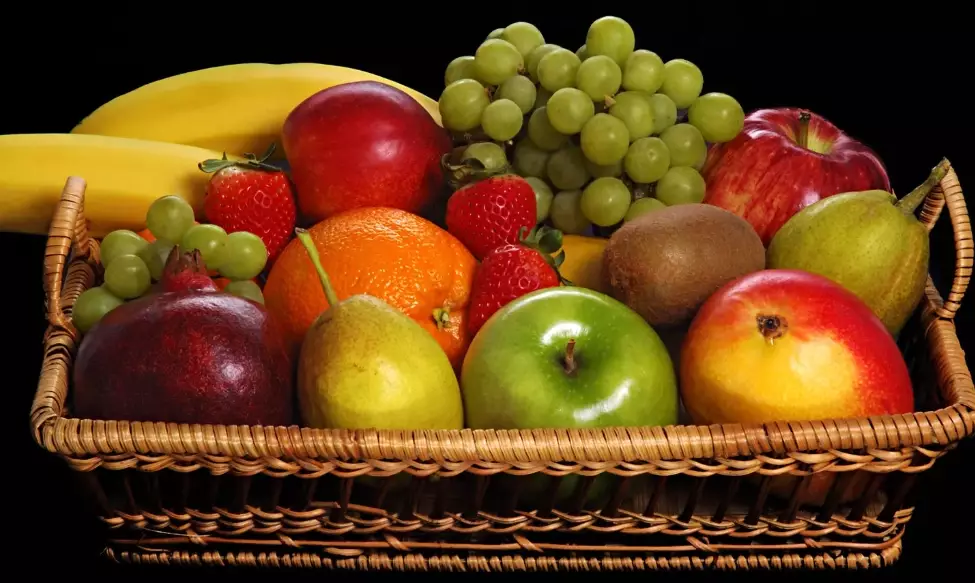
Why Bother with Seasonal Fruit Anyway?
You might be thinking, "My store has everything all the time, so why does it matter?" Fair question. I thought the same thing. But here's the deal – just because it's on the shelf doesn't mean it's at its best.
Top Reasons to Eat What's in Season:
- Taste is King (or Queen): This is the big one. Fruit picked at its peak of ripeness, from plants grown in their ideal conditions, simply tastes incredible. More sugar, more acid, more aroma – more of everything that makes fruit delicious. Out-of-season fruit is often picked under-ripe so it can survive the long journey from another hemisphere, and it never develops that full flavor.
- Your Wallet Will Thank You: When there's a lot of something, the price goes down. It's basic supply and demand. Buying blueberries in July when every farm has them is way cheaper than buying them in January when they're flown in from Chile.
- Nutrition Punch: Studies suggest that produce harvested at peak ripeness can have higher levels of certain vitamins and antioxidants. The longer it sits after picking, the more those nutrients can degrade. The Harvard T.H. Chan School of Public Health consistently emphasizes the health benefits of a diet rich in fruits and vegetables, and getting them fresh and ripe maximizes that benefit.
- It's Greener: Less travel time means a smaller carbon footprint. Supporting local growers when their fruit is in season also helps your community's economy. It's a small choice with positive ripple effects.
- Variety is the Spice of Life: Eating seasonally naturally rotates what's on your plate. You won't get bored eating the same three fruits year-round, and your body gets a wider range of nutrients.
Okay, sermon over. Let's get to the good stuff.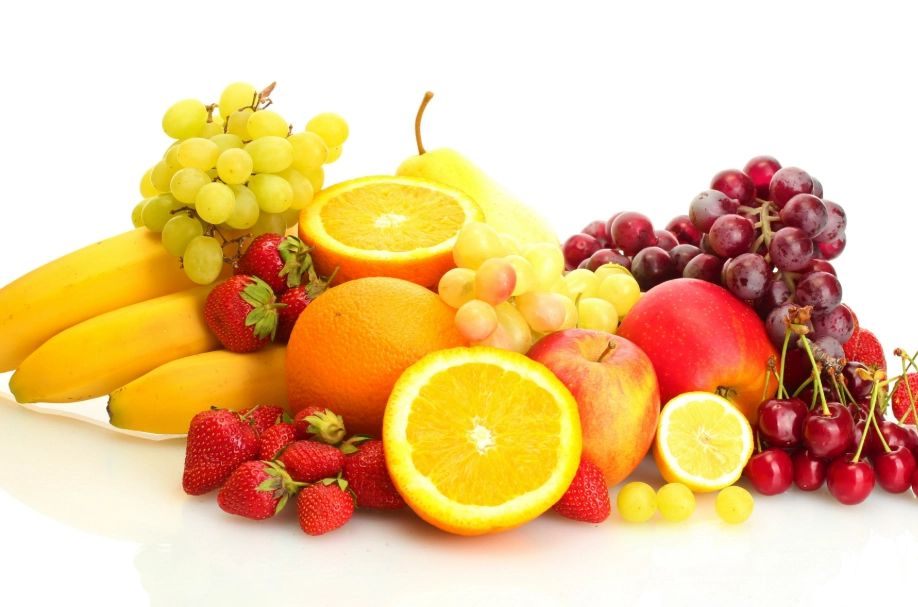
Your Month-by-Month Guide to What Fruit Is in Season
This chart is your cheat sheet. Remember, these are general timelines for temperate climates like much of the U.S. and Europe. If you live in Florida or California, your seasons will be longer and slightly different. It's always best to check with local sources.
Here’s a quick snapshot of what fruit is in season throughout the year.
| Month | Prime Seasonal Fruits | Notes & Tips |
|---|---|---|
| January | Citrus (Oranges, Grapefruit, Tangerines, Lemons), Pears, Pomegranates, Kiwi | Winter's bright spot. Citrus is at its juiciest. Look for heavy fruit with smooth, firm skin. |
| February | Citrus, Blood Oranges, Pears, Kiwi, Late Pomegranates | Blood oranges appear! Their stunning red flesh is less acidic. Great for salads. |
| March | Citrus (winding down), Rhubarb (first sign of spring!), Pineapple | Rhubarb is a vegetable, but we use it like a fruit. It's tart and needs lots of sugar. |
| April | Rhubarb, Pineapple, Early Strawberries (in warmer areas) | The first berries tease us. Early strawberries can be hit or miss on flavor. |
| May | Strawberries, Cherries (late May), Apricots, Pineapple | Berry season begins in earnest. Get excited. |
| June | Strawberries, Blueberries, Raspberries, Cherries, Blackberries, Peaches, Nectarines, Apricots, Melons (starting) | This is the jackpot month. The farmers' markets explode with color and flavor. |
| July | Blueberries, Raspberries, Blackberries, Peaches, Nectarines, Plums, Melons (Watermelon, Cantaloupe), Figs (early) | Peak of summer. Everything is abundant and cheap. Eat as much as you can. |
| August | Peaches, Nectarines, Plums, Melons, Figs, Grapes (early), Pears (early), Raspberries/Blackberries (late yield) | Stone fruit heaven. Also, the first taste of autumn fruit begins to sneak in. |
| September | Apples, Pears, Grapes, Figs, Plums, Melons (late), Cranberries (late Sept) | A beautiful transition month. Late summer and early autumn fruits overlap. |
| October | Apples, Pears, Grapes, Cranberries, Persimmons, Pomegranates | Classic fall. Think apple picking and tart cranberries for sauces. |
| November | Apples, Pears, Cranberries, Persimmons, Pomegranates, Citrus (starts again!) | Citrus comes back around just as the last apples are being harvested. |
| December | Citrus (Oranges, Grapefruit), Pears, Pomegranates, Persimmons, Kiwi | Bright, vitamin-C-packed fruit to get you through the dark winter. |
See? It's not random. There's a rhythm to it. Winter is for citrus and sturdy pears. Spring teases with rhubarb and early berries. Summer is the wild, juicy, messy festival of berries and stone fruit. Autumn brings the crisp, sweet apples and grapes. Then the cycle starts again.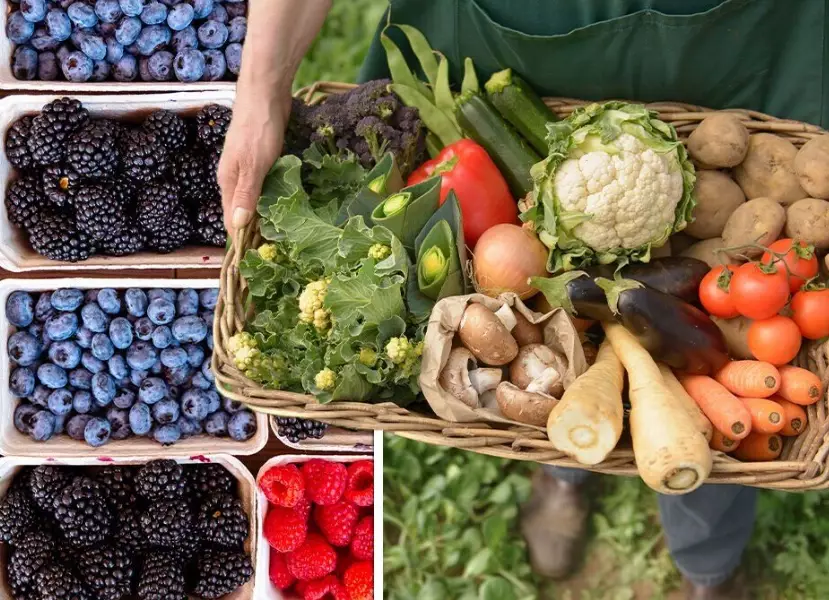
Deep Dive: Summer Stars (Berries & Stone Fruit)
Let's talk about June through August, because this is when most people really start wondering, "What fruit is in season that's actually amazing right now?" The answer: a lot.
Berries: The rule of thumb is the darker and more uniformly colored, the better. Avoid containers with juice stains at the bottom (a sign of crushing) or moldy berries (one bad berry spoils the bunch, fast). Don't wash them until you're ready to eat, or they'll turn to mush.
I made that mistake with a whole flat of raspberries once. Washed them all to store them neatly. Two days later, I had a container of raspberry soup. Lesson learned.
Peaches & Nectarines: Forget the red blush. The best indicator is smell. A ripe peach or nectarine will have a heavenly, fragrant aroma at the stem end. It should also give slightly to gentle palm pressure, not be rock hard. The background color should be creamy yellow or gold, not green.
Deep Dive: Autumn's Bounty (Apples & Pears)
When summer fades, don't be sad. A whole new world of flavor opens up.
Apples: This is where variety matters most. A Granny Smith and a Honeycrisp are for completely different purposes. For fresh eating, I'm personally loyal to Honeycrisp and Fuji – crisp, juicy, and sweet-tart. For baking, you want something that holds its shape, like Granny Smith or Braeburn. The U.S. Apple Association website is a fantastic resource for diving into different varieties.
Pears: The tricky thing with pears is they ripen off the tree. Buy them when they're still firm and let them sit on your counter until the neck (near the stem) yields slightly to pressure. If you wait for the whole pear to be soft, it's often overripe and mushy in the center. Bartlett pears turn from green to yellow when ripe. Anjou pears stay green.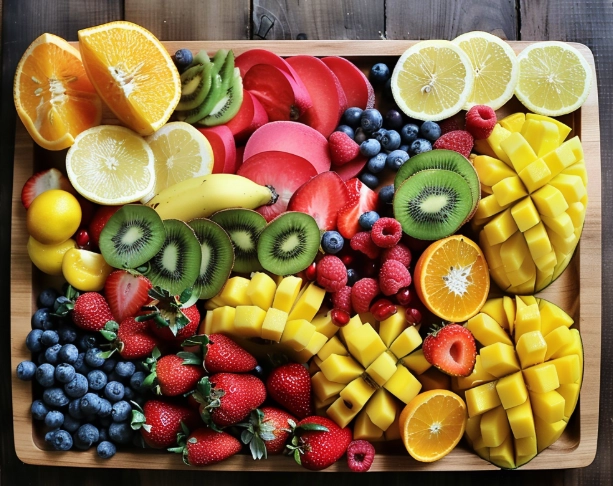
How to Pick the Best Fruit, Every Single Time
Knowing what month it is is half the battle. The other half is picking the winner from the pile. Here are my hard-earned tips.
Universal Rules for Fruit Selection:
- Use Your Nose: This is the #1 most underused tool. Ripe fruit smells like itself. Melons, peaches, pineapples, even some oranges – if they have no aroma, they'll have little flavor.
- Heft is Good: Given two fruits of the same size, the heavier one is usually juicier.
- Look for Consistency: Avoid bruises, cuts, or overly soft spots. A little scarring on citrus or some netting on melons is usually fine.
- Color is a Clue, Not a Guarantee: Learn the right color for the variety. A green strawberry is unripe, but a green Anjou pear is normal. A greenish orange might be under-ripe, but a lime should be green.
- Season Trumps Everything: No picking skill will make a December strawberry taste like a June strawberry. Start with what's in season.
And what about organic? It's a personal choice and a budget question. The Environmental Working Group's "Dirty Dozen" list can guide you if you want to prioritize which fruits to buy organic based on pesticide residue. But honestly? Eating more conventional fruits and vegetables is far better than eating none at all. Don't let perfect be the enemy of good.
Making the Most of Your Seasonal Haul
You've bought a beautiful basket of what's in season. Now what?
Storage is Key:
- Counter Ripen, Then Fridge: This goes for stone fruit, pears, avocados, melons, kiwis. Let them reach perfect ripeness on the counter, then refrigerate to slow down the process and extend life for a few days.
- Straight to the Fridge: Berries, cherries, grapes, citrus. They last longer cold. Put berries in a single layer on a paper towel in a container.
- Never the Fridge: Bananas, pineapples, tomatoes (yes, it's a fruit). The cold damages their texture and flavor.
Don't Be Afraid to Preserve: When peaches or berries are dirt cheap at their peak, buy extra and freeze them. Wash, dry, spread on a baking sheet to freeze individually, then bag them up. They'll be perfect for smoothies or baking all winter long. Making a simple jam or compote is easier than you think and captures the taste of summer in a jar.
Your Questions on Seasonal Fruit, Answered
I get asked these things a lot, so let's tackle them head-on.
One last personal note. When I started paying attention to what fruit is in season, grocery shopping became more of an adventure and less of a chore. Instead of blindly grabbing the same things, I look forward to the first cherries of the year, the short but glorious fig season, and the return of crisp apples in the fall. It connects you to the natural cycle of the year in a really simple, tasty way.
So next time you're at the store, take a second. Skip the sad, out-of-season berries in March. Grab some bright citrus or a ripe pineapple instead. Your taste buds (and your bank account) will notice the difference.
Start with one fruit this month. Just one. Choose the thing that looks most abundant and lively. You've got the guide now. Go enjoy it.
Reader Comments