In This Article
- Why Your Apple Choice Matters More Than Your Recipe
- The Hallmarks of a Perfect Pie Apple
- The Top Contenders: A Breakdown of the Best Apples for Apple Pie
- Building Your Perfect Blend: Mixing Apple Varieties
- Your Questions, Answered (The Stuff Other Guides Gloss Over)
- Beyond the Supermarket: Heirloom and Regional Gems
- The Final Slice: Putting It All Together
Let's be real. The internet is full of apple pie recipes that promise to be the best. But you can follow every step perfectly and still end up with a soggy bottom, a filling that's mush, or a flavor that's just… blah. I've been there. My first from-scratch pie was a sad, soupy mess because I grabbed the shiniest, cheapest apples at the store. The recipe didn't say a word about what kind of apples for apple pie actually work. It just said "apples." Thanks for nothing.
That disaster taught me the single most important lesson in pie-making: the apple variety isn't just a detail; it's the foundation. It determines everything—texture, flavor, how much sugar you need, even whether your slices hold their shape or dissolve into baby food. So, if you've ever wondered what kind of apples for apple pie you should really be using, you're asking the right question. This isn't about finding one magic apple. It's about understanding the traits that make an apple great for baking and knowing which ones to reach for (or mix together) to build your perfect pie.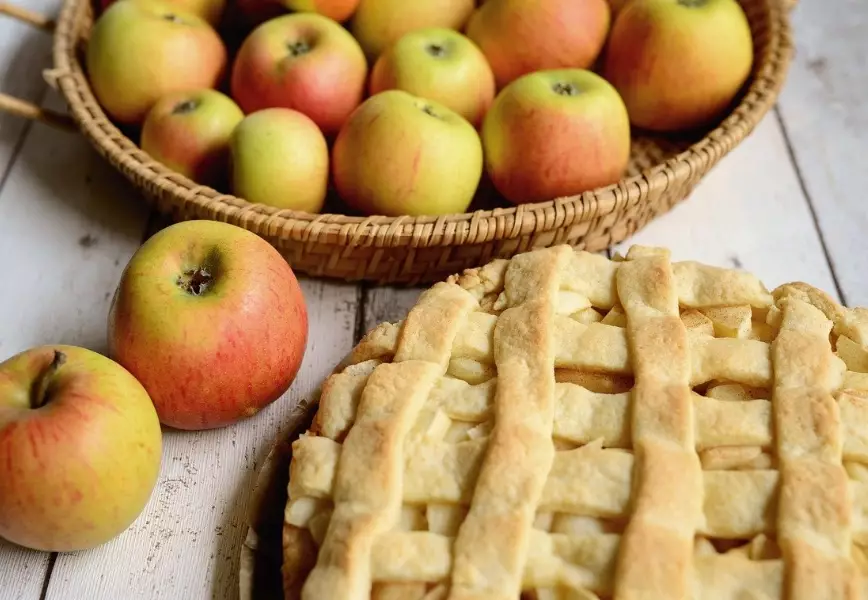
Why Your Apple Choice Matters More Than Your Recipe
Think of your apples as the building blocks. A recipe is the blueprint. You can't build a sturdy house with soggy bricks. Apples bring three critical things to the pie: Flavor (tart, sweet, complex), Texture (do they stay firm or break down?), and Structure (how much pectin and natural starch they have to thicken the juices). Get the combo wrong, and your filling can be watery, too firm, too sweet, or too bland. The right apples do half the work for you.
The Hallmarks of a Perfect Pie Apple
Not all apples are created equal when the heat is on. After testing more pies than I care to admit, here's what I look for.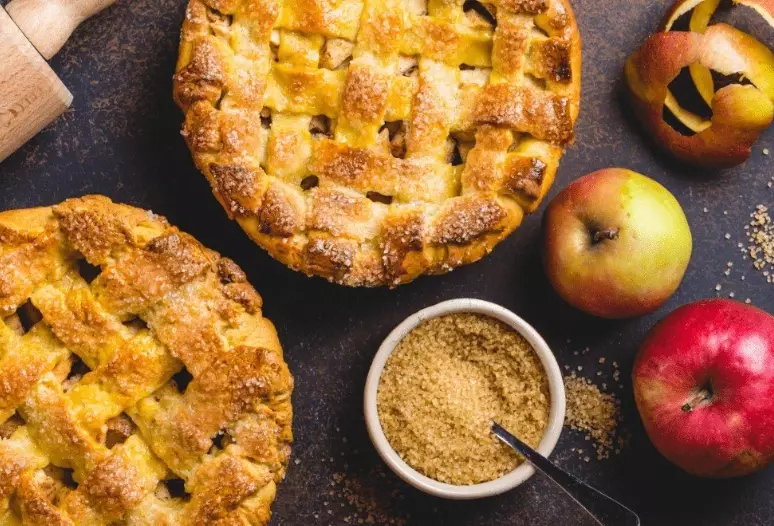
Flavor Profile: Tartness is Your Secret Weapon
This might be the biggest takeaway. Intensely sweet eating apples often taste flat and one-dimensional once baked. You're adding sugar and spices anyway, so you need a counterpoint. A good baking apple has a bright, tangy acidity that cuts through the sweetness and butteriness of the crust, creating a more balanced and interesting flavor. That tartness makes the cinnamon and nutmeg sing instead of just sitting there.
Texture: The Great Firmness Debate
Do you like distinct slices of apple you can bite into, or a more uniform, soft filling? This is personal. Some apples, like Granny Smith, are famous for holding their shape remarkably well through baking (we call these "firm" or "hard" bakers). Others, like McIntosh, break down almost completely into a smooth, applesauce-like consistency. Most pies benefit from a middle ground—apples that soften but don't disappear, giving you a filling with body.
Juiciness and Pectin: The Key to Non-Soggy Filling
Here's the science bit, simplified. Apples release water when baked. If they release too much, you get a soupy pie, even with thickeners. Some apples are just juicier. More importantly, apples contain pectin, a natural thickener. When cooked with sugar and acid, pectin helps the juices gel. Apples high in pectin (like many heirloom varieties) thicken their own sauce better. This is a huge clue when figuring out what kind of apples for apple pie will give you a slice that holds together.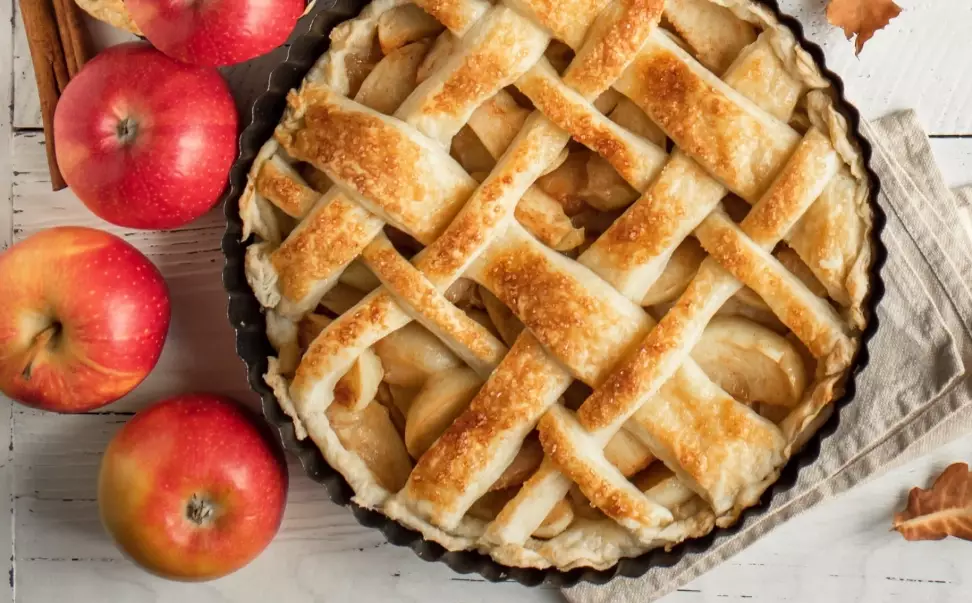
Pro Tip: A common mistake is using only one type of apple. Blending two or three different kinds is the professional baker's hack. You can combine a firm, tart apple for structure with a softer, sweeter one for complex flavor and a smoother background note. It's like building a flavor and texture symphony.
The Top Contenders: A Breakdown of the Best Apples for Apple Pie
Let's get specific. This table breaks down the most commonly recommended and available varieties. I've rated them based on my experience and the consensus among bakers.
| Apple Variety | Flavor Profile | Texture When Baked | Best For | My Personal Take |
|---|---|---|---|---|
| Granny Smith | Very tart, crisp, clean | Holds shape extremely well, firm | The classic, reliable choice. Great for structure. | A fantastic backbone apple. Can be a bit one-dimensional on its own. Always mix it! |
| Honeycrisp | Sweet with mild tartness, incredibly juicy | Softens but keeps some integrity | Adding natural sweetness and lots of moisture. | Delicious but pricey. Its high water content can lead to sogginess if you're not careful with thickener. |
| Braeburn | Balanced sweet-tart, spicy aroma | Holds shape very well, firm | A top-tier all-rounder. Excellent flavor and structure. | My personal favorite for a single-variety pie. Reliable, available, and perfectly balanced. |
| Jonagold | Sweet-tart, honeyed notes | Softens to a tender, almost creamy texture | Mixing. Adds great flavor and a soft component. | A Jonathan-Golden Delicious cross that gets the best of both. A mixing superstar. |
| Pink Lady (Cripps Pink) | Tangy-tart with a hint of sweetness | Very firm, holds shape excellently | Pies where you want distinct, tender apple slices. | Another great, firm baker. Holds up beautifully in deep-dish pies that bake longer. |
| Northern Spy | Complex tartness, aromatic | Firm, holds shape, high in pectin | The heirloom gold standard. Fantastic flavor and natural thickening. | If you can find it, grab it. It's what pie-purists dream of. Seasonal and not always in supermarkets. |
| Golden Delicious | Mild, sweet, buttery | Softens completely, almost melts | Mixing to add sweetness and a smooth base. Not recommended solo. | Gets a bad rap as a boring eater, but in a mix, its soft texture is an asset. Don't use it alone—your pie will be mushy. |
| McIntosh | Tangy, aromatic | Breaks down completely into sauce | If you love a very soft, uniform, no-chunk filling. | I avoid it for pie. It turns to mush too quickly, leaving you with a watery, grainy texture. Some New Englanders swear by it, but it's not for me. |
See? It's not just about tart vs. sweet. It's about how they behave in the oven.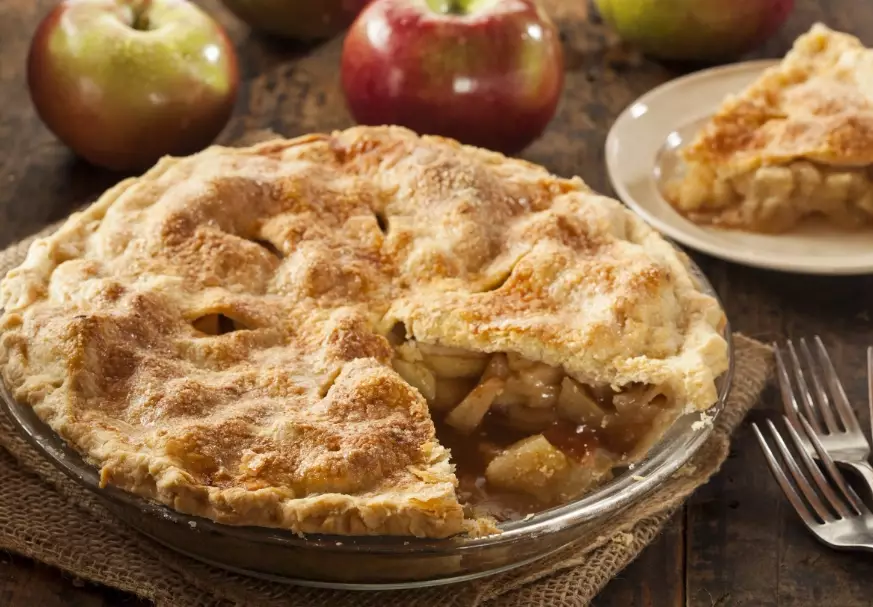
Building Your Perfect Blend: Mixing Apple Varieties
This is where the magic happens. Choosing what kind of apples for apple pie becomes a creative decision. Here are a few winning combinations I use again and again.
- The Classic Balanced Pie: 50% Granny Smith (for tartness and structure) + 50% Braeburn or Honeycrisp (for sweetness and complexity). This is my go-to for a crowd-pleaser.
- The Deep, Complex Flavor Pie: 40% Northern Spy or Granny Smith (backbone) + 40% Jonagold (creaminess) + 20% Pink Lady (extra firm slices). This one has layers of flavor and texture.
- The Sweet & Tender Pie: 60% Honeycrisp (sweetness/juice) + 40% Golden Delicious (buttery softness). You'll need less sugar and a good thickener (like tapioca) for this juicy mix.
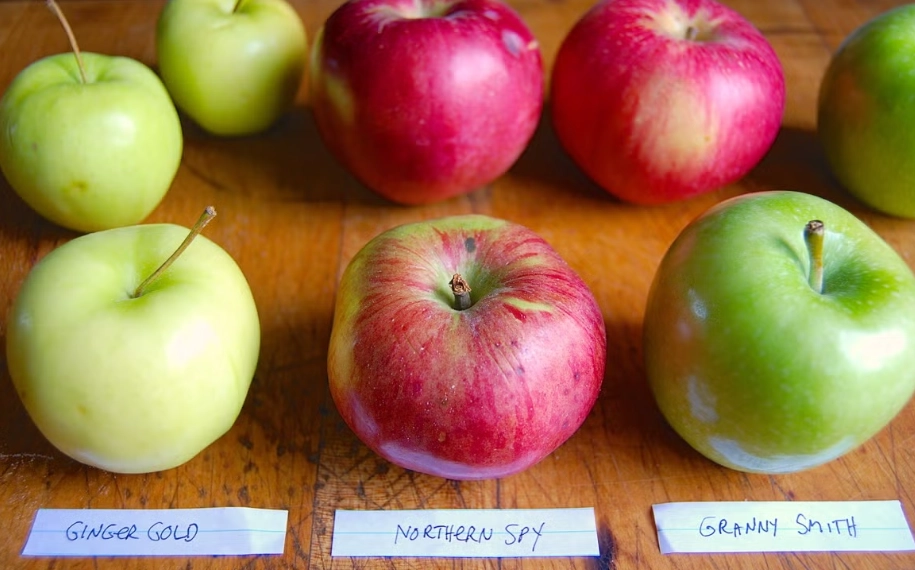
Apple to Use With Caution: Red Delicious. Just don't. They're bred for looks, not flavor or texture. They bake up mealy, bland, and disappointing. They're the poster child for why choosing the right apple for apple pie is critical.
Your Questions, Answered (The Stuff Other Guides Gloss Over)
Can I use grocery store bagged "baking apples"?
Sometimes they're a mix of decent varieties like Granny Smith and Braeburn. But often, they're just the smaller or less pretty apples of whatever variety is plentiful. Check the label or ask the produce manager. It's usually better to pick your own specific varieties.
Do I need to adjust sugar based on the apple?
Absolutely. This is a huge oversight in most recipes. If you're using very tart apples like Granny Smith, you'll need the full amount of sugar (or even a touch more). If you're using sweeter apples like Fuji or Honeycrisp, you can safely reduce the sugar in your recipe by 1/4 to 1/3 cup. Taste your raw apples—if they're sweet, your pie will be too.
What about pre-sliced apples to save time?
I get the convenience, I really do. But pre-sliced apples are often treated with preservatives (like calcium ascorbate) to prevent browning, which can affect texture. They also dry out faster. For the best texture and flavor, slice your own right before mixing. A quick soak in water with a little lemon juice prevents browning just fine.
How many apples do I actually need for one pie?
Most 9-inch pies need about 3 to 3.5 pounds of whole apples. That usually translates to 6-8 medium-large apples, depending on the variety. After peeling and coring, you'll end up with roughly 8-9 cups of sliced apples. They cook down more than you think!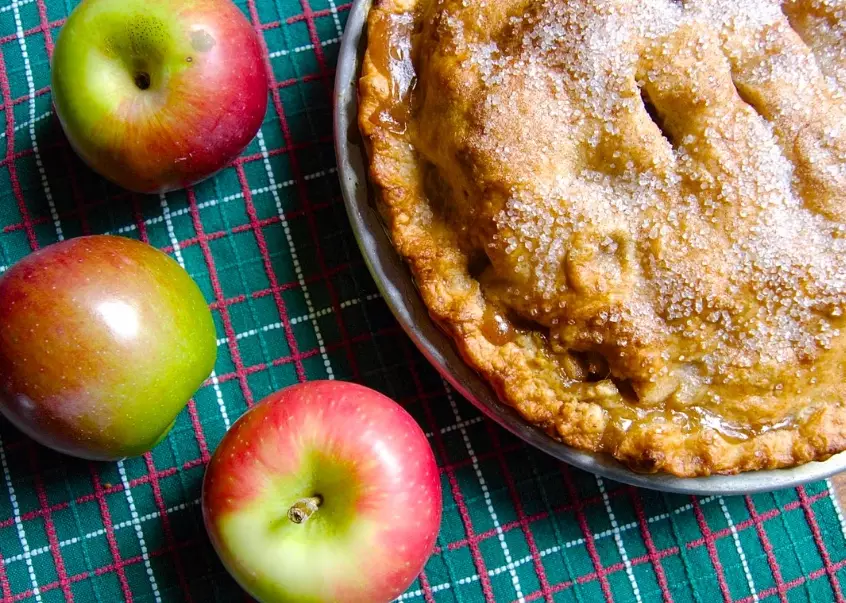
I learned the hard way that a pie filled to the brim with raw apples will bake down and look sad. Don't be afraid to really mound those slices in the raw crust—they shrink. A heaping pie dish going into the oven makes a beautifully full pie coming out.
Beyond the Supermarket: Heirloom and Regional Gems
If you have access to a farmer's market in the fall, you hit the jackpot. This is where you find the true answers to what kind of apples for apple pie dreams are made of. Ask the growers what they recommend for baking. You might discover:
- Gravenstein: Intense, spicy tartness. Incredible flavor but doesn't store long. A seasonal treasure.
- Winesap: Tart, spicy, and winy. Holds shape beautifully and is high in pectin.
- Arkansas Black: Extremely firm and tart when harvested, mellowing in storage. Makes a stunning, firm-fleshed pie.
Organizations like the Orange Pippin website are fantastic resources for learning about these lesser-known varieties. The U.S. Apple Association also provides great background on apple varieties and their uses.
The Final Slice: Putting It All Together
So, what's the final answer? There isn't one single best apple. But there is a best strategy.
- Prioritize Flavor & Structure: Start with at least one firm, tart variety as your backbone (Granny Smith, Braeburn, Pink Lady).
- Embrace the Mix: Combine it with one or two other types for complexity (Jonagold for creaminess, Honeycrisp for sweetness, an heirloom for depth).
- Trust the Traits: Use the table above as a cheat sheet for how an apple will behave.
- Taste and Adjust: Remember to tweak sugar based on your apple's sweetness.
The quest for the perfect apple pie apple is part of the fun. It connects you to the ingredients. A pie made with a thoughtful blend of apples, chosen for their specific qualities, doesn't just taste better—it tells a story. It shows you cared about more than just following a recipe. You understood the craft.
Next time you're staring at the apple display, you won't just see fruit. You'll see building blocks for something great. You'll know exactly what kind of apples for apple pie to pick up, and why. Now go preheat that oven.
Reader Comments