What's Inside?
Let's talk about apple pie. More specifically, let's talk about the heart of the matter—the apples. You can have the flakiest crust in the world, the perfect blend of spices, but if your apples turn to mush or, worse, stay rock-hard, you're left with a sad, disappointing dessert. I've been there. I once made a pie with apples that seemed perfect at the store but dissolved into a bland, watery paste. It was a lesson learned the hard way.
So, what makes an apple a good apple for apple pie? It's not just about sweetness. It's a balancing act of flavor, texture, and how it behaves when heat hits it. This isn't about finding one mythical "perfect" apple. It's about understanding what each variety brings to the table (or the pie plate) and how to use them to your advantage.
The Core Idea: The best apple pies often use a mix of two or three different types of apples. Why? Combining varieties gives you a more complex flavor profile and a better texture. One apple brings tartness, another brings firmness, and a third might bring intense sweetness. It's like building a team.
What Makes an Apple "Good" for Pie? The Three Pillars
Before we dive into specific names, let's break down the qualities you're actually looking for. When bakers and chefs debate the good apples for apple pie, they're usually judging them on these three things.
1. Texture and Structure (The Hold-Up Factor)
This is non-negotiable. A good pie apple needs to hold its shape when baked. You want tender pieces of apple in your slice, not applesauce. Apples that are too low in pectin or too watery will collapse completely. The ideal texture is sometimes called "sliceable"—you can see distinct pieces, but they cut easily with a fork.
I made the mistake once of using McIntosh apples alone. Big mistake. They have great flavor, but they practically vanish when baked. The pie tasted fine, but the texture was all wrong—more like a thick compote than a proper filling.
2. Flavor and Acidity (The Taste Factor)
Sweetness is obvious, but acidity is the secret weapon. Tartness balances the sweetness of the sugar and the richness of the crust. It makes the flavor "pop" and keeps the pie from being cloying. An apple with good acidity will make your spices—cinnamon, nutmeg—sing. Bland apples make for a bland pie, no matter how much sugar you add.
3. Moisture Content (The Soggy-Crust-Avoidance Factor)
Apples release juice when they cook. Some release a torrent, which can lead to a soggy bottom crust (the ultimate pie tragedy). Others release just enough to create a glossy, lightly thickened sauce without flooding the place. The amount of juice and how you manage it (a bit of thickener like flour or cornstarch helps) is a huge part of the equation.
Pro Tip: Don't just think "sweet vs. tart." Think about flavor notes. Some apples have honeyed flavors, others have hints of berry or even citrus. This is where mixing varieties gets really fun.
The Top Contenders: A Breakdown of the Best Apples for Baking
Alright, let's get to the names you're here for. This table breaks down the most commonly recommended good apples for apple pie, based on conversations with orchardists, professional bakers, and my own (sometimes messy) kitchen experiments.
| Apple Variety | Texture When Baked | Flavor Profile | Best Used For | Juiciness |
|---|---|---|---|---|
| Granny Smith | Excellent. Holds shape very well. | Very tart, crisp, clean flavor. | The classic backbone. Provides essential acidity. A must for a mix. | Medium |
| Honeycrisp | Good. Holds shape but can get soft. | Intensely sweet with balanced acidity. Juicy. | Adding sweetness and complex flavor. Can be used solo if you like a sweeter pie. | High |
| Braeburn | Excellent. Firm and sliceable. | Sweet-tart with spicy, almost cinnamony notes. | An all-star. Great flavor and texture on its own or in a mix. | Medium |
| Jonagold | Good. Tender but distinct. | A perfect blend of honeyed sweetness (from Golden Delicious) and tartness (from Jonathan). | A fantastic single-variety pie apple. Does it all. | Medium-High |
| Northern Spy | Superb. The gold standard for structure. | Tangy, complex, well-balanced. | Prized by pie purists. If you can find it, use it. | Medium |
| Golden Delicious | Fair. Can become quite soft. | Mild, sweet, buttery. | Best in a mix to add sweetness and creaminess. Not great alone for structure. | |
| Pink Lady (Cripps Pink) | Very Good. Slow to break down. | Tangy-sweet with a vibrant flavor. | Adds a bright, modern flavor. Reliably good. | Medium |
See how different they are? A Granny Smith and a Honeycrisp are almost opposites, but together they can be magic. The Washington State Apple Commission, which knows a thing or two about apples, often highlights the baking qualities of varieties like Granny Smith and Braeburn, noting their ability to maintain integrity under heat. You can explore their full variety guides for more detailed profiles.
Northern Spy is my personal holy grail. It's not always easy to find in regular supermarkets, but if you see it at a farmers market in the fall, grab it. It has this old-fashioned, robust apple flavor that just screams "autumn." The texture is unbeatable.
The "Avoid or Use With Caution" List
Not all apples are created equal for the pie plate. Some are better eaten fresh out of hand. Here's where I give some tough love.
Warning: These apples are generally poor choices for a traditional pie where you want defined slices. Using them solo often leads to disappointment.
- Red Delicious: Let's just be honest. These are terrible for pie. Mealy texture, bland flavor, and they turn to grainy mush. They're bred for looks, not for baking. Just don't do it.
- McIntosh: I mentioned my disaster. Incredible aroma and great for applesauce, but they cook down far too quickly. If you love the flavor, use a small amount in a mix for flavor, but pair them with a very firm apple like Northern Spy to hold things up.
- Gala & Fuji: These are wonderful, sweet eating apples. For pie, they can be a bit one-note (very sweet) and their texture, while crisp raw, can become slightly mushy. They're not "bad," but they're not in the top tier of good apples for apple pie. They work in a pinch or as part of a sweet component in a mix.
You see the pattern? The apples that are super sweet and soft when raw often lack the structural integrity you need. It's a common pitfall.
Beyond the Basics: Advanced Pie Apple Strategy
Once you've got the main players down, you can start getting creative. This is where you move from following a recipe to truly understanding your craft.
The Art of the Blend: Building Your Perfect Mix
Think of creating your apple blend like a chef creates a dish. You need a base, a highlight, and maybe a wildcard.
Here are a few classic combinations that consistently deliver:
- The Classic Balanced Pie: 2 parts Granny Smith (for tartness and structure) + 1 part Honeycrisp or Braeburn (for sweetness and depth) + 1 part Golden Delicious (for creaminess). This is a foolproof crowd-pleaser.
- The Complex, Tangy Pie: Equal parts Northern Spy and Braeburn. This is for the apple connoisseur. The flavor is intense, spicy, and tangy, and the texture is absolutely perfect.
- The Sweet & Simple Pie: All Jonagold or a mix of Pink Lady and Braeburn. These varieties are balanced enough to carry a pie on their own with fantastic results.
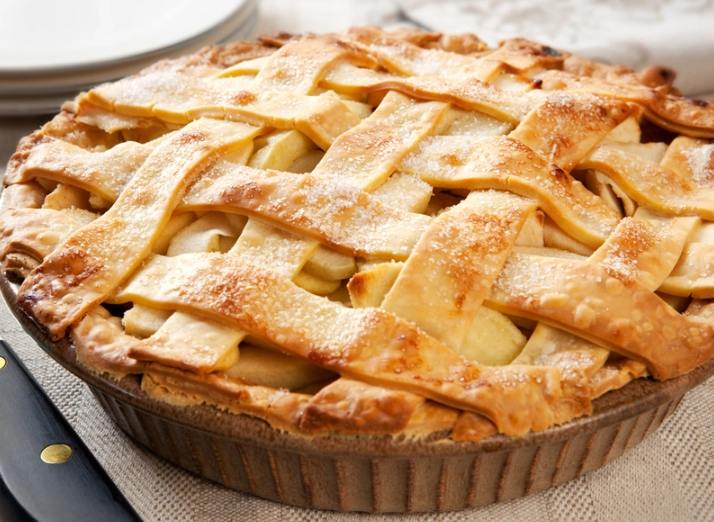
My go-to blend for Thanksgiving? I do 50% Northern Spy (if I can find it, otherwise Granny Smith), 30% Honeycrisp, and 20% a wildcard like a Pink Lady or a couple of small Jonathans for an extra tangy kick. It never fails.
Regional and Heirloom Gems
If you really want to level up, look beyond the supermarket. Farmers markets and orchards in the fall are treasure troves. Ask the grower what they recommend for pie. You might discover gems like:
- Arkansas Black: Extremely firm, tart, and improves in flavor after storage. A slow-baker's dream.
- Winesap: An old variety with spicy, wine-like flavors and great texture.
- Gravenstein: A short-season apple with incredible tart, almost effervescent flavor. It's soft, so mix it with a firmer apple.
The USDA's Plant Genetic Resources Unit maintains collections of these heirloom varieties, preserving the incredible diversity of apples beyond the few dozen you see in stores. Seeking them out is a wonderful adventure.
Practical Pie-Making: From Selection to Slice
Knowing the names is half the battle. The other half is what you do with them.
How to Select and Store Your Pie Apples
You're at the store or market. What do you look for?
Firmness is key. Give the apple a gentle squeeze. It should feel rock-solid, with no soft spots or give. Avoid apples with shiny, waxy skins if you can—they're often older and treated for appearance. Duller skin often indicates a fresher, less processed apple.
Storage matters. If you're not baking right away, store apples in the crisper drawer of your fridge. The cold dramatically slows down their ripening and keeps them firm. An apple stored on the counter for a week will be much softer than one stored in the fridge. Trust me, I've tested this side-by-side.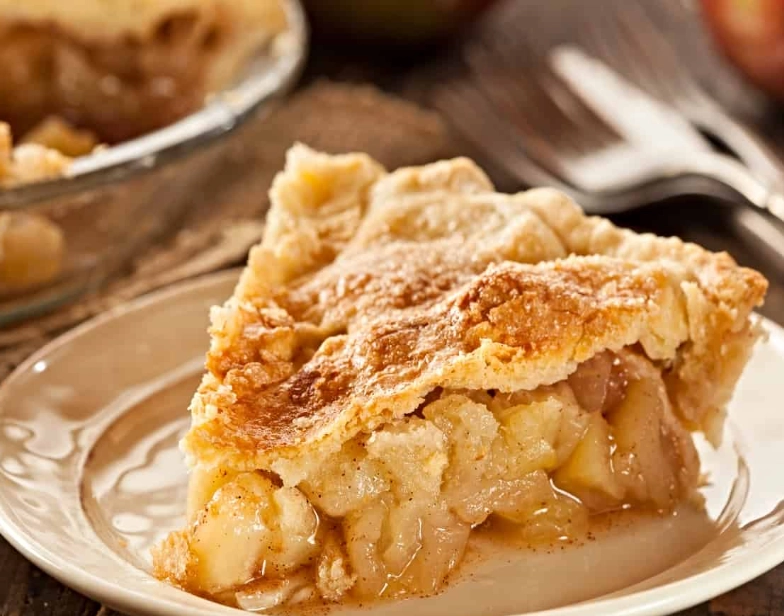
Prepping Your Apples: A Non-Negotiable Step
Peel them. I know some "rustic" recipes say you can leave the peel on. I strongly disagree for a classic apple pie. The peel can become tough, separate from the flesh, and create an unpleasant texture. Take the time to peel.
Slice them evenly, about 1/4 to 1/2 inch thick. Even slicing means even cooking. No one wants a slice with a crunchy piece next to a mushy one.
Biggest Mistake to Avoid: Don't prep your apples hours in advance and leave them sitting in a bowl. They'll oxidize (turn brown) and start to soften. Prep them right before you're ready to mix your filling and assemble the pie.
Managing Moisture and Flavor
This is the final secret. Toss your sliced apples with the sugar, spices, and thickener (like flour or cornstarch) and let them sit for 10-15 minutes. The sugar will draw out some of the juice. Then, when you pile the apples into the crust, use your hands or a slotted spoon to transfer them, leaving the excess liquid behind in the bowl. You can then add a tablespoon or two of that liquid back in if the mix looks dry. This gives you incredible control over the sauciness and prevents a soggy crust.
Some bakers even add a teaspoon of apple cider vinegar or lemon juice to the mix if their apples are very sweet. It's a hack that boosts acidity and brightens the whole pie.
Answering Your Apple Pie Questions
So there you have it. Finding good apples for apple pie isn't about memorizing one name. It's about understanding a set of principles—structure, flavor, moisture—and then applying them, whether you're grabbing Granny Smiths at the grocery store or hunting for heirloom Northern Spies at an orchard.
Start with a blend. Pay attention to texture. Don't be afraid of tartness. And for heaven's sake, avoid Red Delicious.
Your next pie will thank you.
Reader Comments