Your Quick Pie Guide
- The Champions: Top Contenders for Best Apple Pie Apples
- Why This All Matters: The Science of a Great Pie Apple
- The Secret Weapon: Why Mixing Apples is the Real Pro Move
- How to Shop for and Store Your Pie Apples
- Your Burning Apple Pie Apple Questions, Answered
- Wrapping It Up: Your Pie Apple Action Plan
Let's be honest. We've all been there. You follow a pie recipe to the letter, your crust is gorgeous, your lattice work is Instagram-worthy... but you cut into it and the filling is a sad, mushy, watery mess. Or worse, it's bland and one-dimensional. Nine times out of ten, the culprit isn't your baking skills—it's the apples you chose.
So, what are good apple pie apples anyway? It's the million-dollar question for any home baker. The truth is, not all apples are created equal when it comes to baking. Picking the right one is the single most important decision you'll make for your pie, more so than fancy butter or a secret spice blend.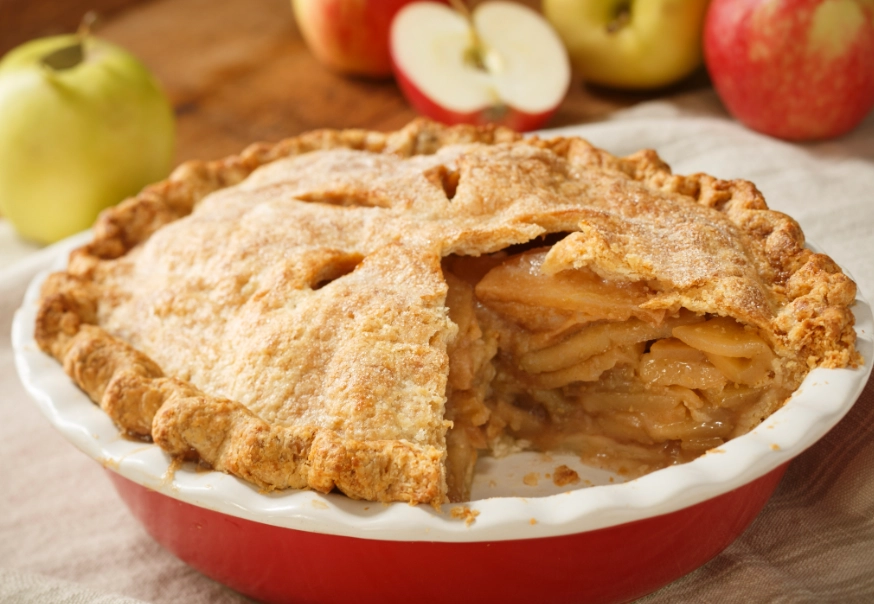
The search for the ultimate pie apple isn't just about flavor. It's a science of texture, moisture content, acidity, and how all those things play together in the hot, steamy environment of your oven. A good baking apple needs to hold its shape, offer a balance of sweet and tart, and release just enough juice to create a luscious sauce without turning the bottom crust into a soggy sponge.
The Champions: Top Contenders for Best Apple Pie Apples
After years of testing (and eating a lot of pie), I've settled on a core group of reliable favorites. These are the varieties you can almost always count on, and they're usually available in most supermarkets across the country.
The Tart & Sturdy Workhorses
These apples are the backbone of a great pie. They're high in acid and pectin, which means they keep their form and provide that bright, tangy counterpoint to sugar and spices.
Granny Smith: The classic. The go-to. When people ask "what are good apple pie apples?", Granny Smith is usually the first name out of anyone's mouth. And for good reason. Its intense tartness and firm, crisp flesh mean it bakes up beautifully, holding distinct slices and cutting through the sweetness of the filling. Some folks find it too sour on its own, which is why it's often mixed with a sweeter variety. But if you love a tangy pie, it's a solo superstar.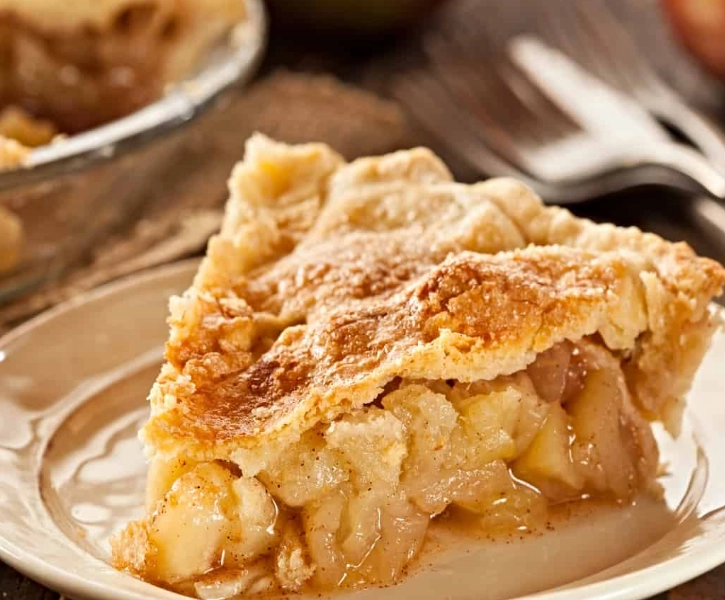
Northern Spy: This is the baker's secret weapon, if you can find it. It's less common in big chain stores but worth seeking out at farmers' markets in the fall. It has a complex flavor—tart but with hints of spice—and an incredibly firm texture that refuses to turn to mush. Old-timers swear by it, and for my money, it might just be the single best apple for apple pie. Its season is relatively short, so grab them when you see them.
The Sweet & Aromatic Stars
These apples bring natural sweetness and deep, rich flavors to the party. They often have softer flesh but contribute incredible taste.
Honeycrisp: Wildly popular for eating, and it makes a fantastic pie apple too. It's incredibly juicy and has a explosive sweetness with just a hint of tartness. The "crisp" in the name is no joke—it holds up reasonably well, though it can break down a bit more than a Granny Smith. Because it's so sweet, you can often reduce the sugar in your recipe. The price tag is the main downside; they're usually the most expensive apple in the bin.
Braeburn: A fantastic all-rounder. It strikes a near-perfect balance between sweet and tart right out of hand, and that balance translates beautifully to baking. It's firm, holds its shape well, and has a spicy, almost cider-like aroma that fills your kitchen. In my testing, Braeburn consistently produces a pie with great texture and complex flavor. It's a reliable choice that doesn't get enough hype.
Jonagold: A cross between a Jonathan (tart) and a Golden Delicious (sweet). You get the best of both worlds: a honeyed sweetness, a slight tang, and a tender-yet-substantial texture that softens nicely without disappearing. It's a juicy apple, so your filling won't be dry. If you're looking for one apple that does it all, Jonagold is a top contender for the title of best apples for apple pie.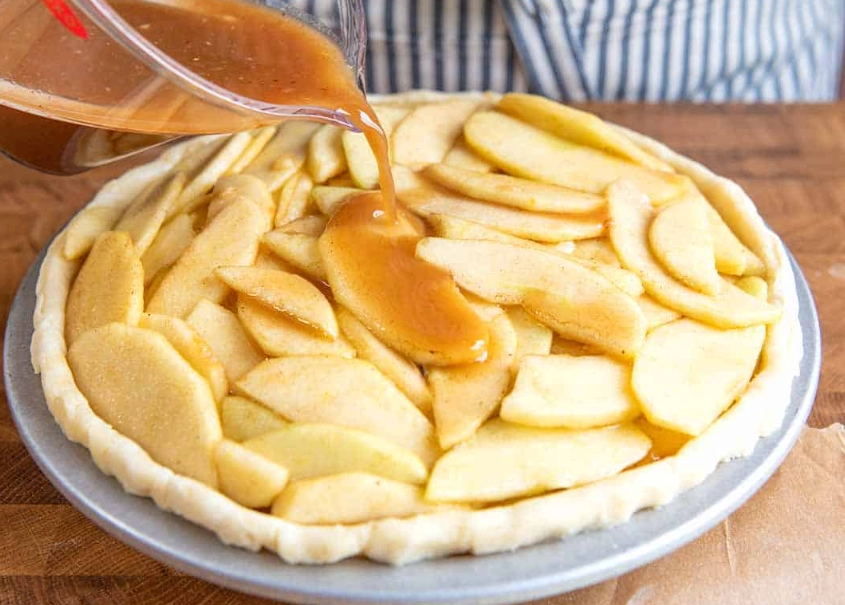
The Heirloom & Specialty Gems
Want to really level up your pie game? Venture beyond the supermarket staples. Heirloom varieties often have more concentrated flavors and unique characteristics.
Gravenstein: An early-season apple with a vibrant, wine-like tartness and incredible aroma. It's softer, so it breaks down more, making a saucier filling. It's pure magic but has a very short season.
Winesap: The name says it all. This old variety has a distinctive winy, spicy flavor that's unforgettable. It's firm and juicy, making it an outstanding baking apple. Its deep red skin can also add a lovely rosy hue to your filling.
Pink Lady (Cripps Pink): Another great sweet-tart option with very firm flesh. It bakes up holding a nice shape and has a refreshing, almost fizzy acidity. It's widely available and performs reliably.
Why This All Matters: The Science of a Great Pie Apple
You don't need a food science degree, but understanding a few basics makes you a smarter baker. When you're figuring out what are good apple pie apples, you're really evaluating three things:
1. Cell Structure & Pectin: A good baking apple has cells that are tightly packed and bonded with lots of pectin (a natural thickener). When heated, these apples soften but the cell walls don't completely disintegrate into mush. Think of the difference between a piece of carrot and a piece of zucchini in a stew. Apples like Northern Spy and Granny Smith are the carrots. The University of Minnesota Extension has great resources on how pectin works in fruit, which is key for understanding pie filling consistency.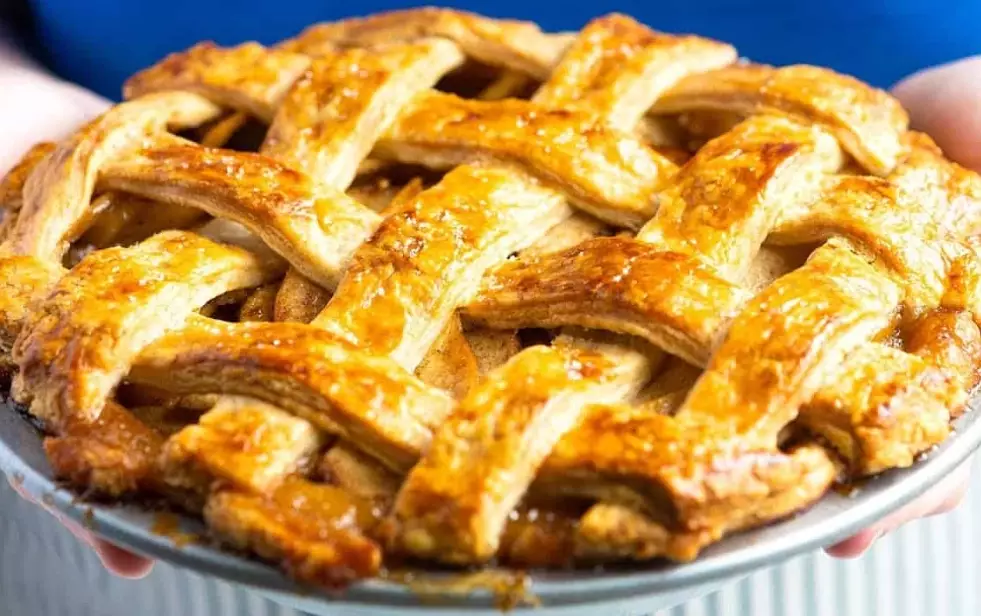
2. Sugar-Acid Balance: This is all about flavor. Tart apples (high malic acid) make the pie taste brighter and more complex. The acid balances the sugar and butter, preventing cloying sweetness. It also helps the other flavors, like cinnamon and nutmeg, "pop." A pie made with only very sweet apples can taste flat and one-dimensional.
3. Moisture Content: All apples have water, but some release it more readily and in greater volume. Too much free juice = a soggy bottom crust and a filling that's loose and runny when sliced. Firm, dense apples tend to release their moisture more slowly and in conjunction with their natural pectin, allowing it to thicken into a glossy sauce.
The Secret Weapon: Why Mixing Apples is the Real Pro Move
Here's the biggest tip I can give you: Don't use just one kind of apple. Using two or even three different varieties is the single best way to create a pie with depth of flavor and perfect texture. You get complexity, balance, and insurance against texture issues.
Think of it like building a flavor and texture team:
- The Structure Player: A firm, tart apple that will hold its shape (e.g., Granny Smith, Northern Spy, Pink Lady). This is your foundation.
- The Flavor & Sauce Player: A sweeter, more aromatic apple that softens and contributes juice (e.g., Honeycrisp, Jonagold, Braeburn). This fills in the gaps and creates the lush background.
My personal favorite combo? Two parts Granny Smith to one part Honeycrisp. You get the structure and tang from the Granny, and the explosive sweetness and aroma from the Honeycrisp. It's a guaranteed winner.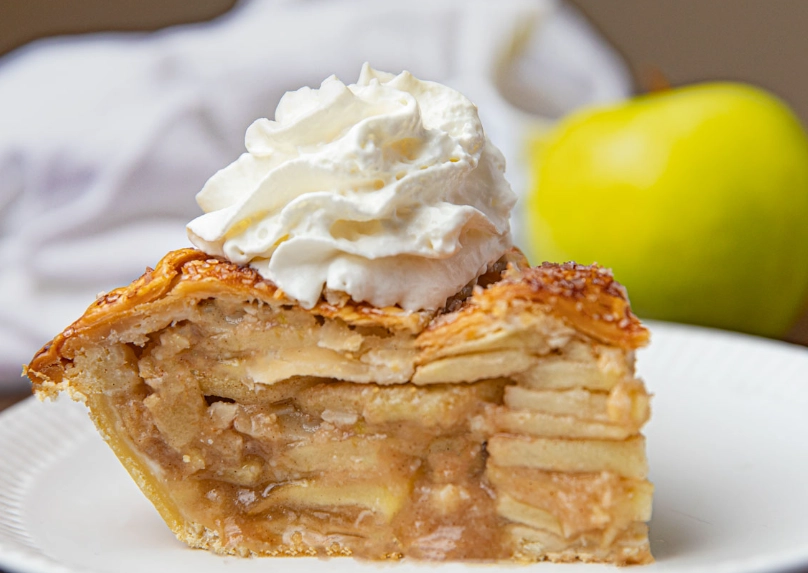
Other killer combinations:
- Braeburn & Jonagold (for a perfectly balanced, spicy-sweet pie)
- Northern Spy & Golden Delicious (a classic heirloom mix)
- Granny Smith, Braeburn, and a handful of Winesap (for the ultimate complexity)
How to Shop for and Store Your Pie Apples
Knowing what are good apple pie apples is half the battle. The other half is picking good specimens and treating them right before they hit the pie.
Buying Tips:
- Feel the Weight: A good apple should feel heavy for its size. That means it's juicy.
- Check the Firmness: Gently press near the stem. It should be rock-solid with no give. Any soft spots mean it's over the hill for baking.
- Embrace the Ugly: Don't shy away from apples that look a little rustic, with slight scuffs or irregular shapes. These are often from smaller orchards and can have better flavor than the waxed, perfect-looking ones. The U.S. Apple Association website is a fantastic resource for learning about different growing regions and varieties.
- Buy Local & In-Season: An apple bought at a farmers' market in October will almost always taste better and bake better than one shipped across the world and stored for months. Fall is peak pie apple season for a reason.
Storage Secrets:
- Store apples in the crisper drawer of your fridge. The cold dramatically slows down ripening and keeps them firm.
- Keep them away from strong-smelling foods (like onions); apples absorb odors.
- If you buy apples a week ahead, don't worry—refrigerated, they'll be perfect. In fact, slightly older apples can be sweeter as their starches convert to sugars.
Your Burning Apple Pie Apple Questions, Answered
Wrapping It Up: Your Pie Apple Action Plan
So, what are good apple pie apples? It's not a mystery anymore. Forget the guesswork.
For a guaranteed great pie, start with a mix of two varieties: one firm and tart for structure, one sweet and aromatic for flavor and sauce. If you can only get one type, go for a great all-rounder like Braeburn or Jonagold.
Remember, the quest for the perfect apple pie apples is part of the fun. Talk to your local farmer. Try a new heirloom variety each fall. Take notes on what you like. Baking is personal, and your perfect pie might use a different combo than mine.
The bottom line? Armed with this knowledge, you'll never have to suffer through a mushy, bland, or soggy apple pie again. You'll know exactly what to look for, why it works, and how to make choices that lead to a stunning, delicious dessert every single time. Now go forth and bake with confidence.
Reader Comments