Quick Guide
You know that feeling. You walk into the grocery store, see those shiny red strawberries in December, buy them, and then… meh. They’re bland, a bit hard, and taste nothing like the ones from your memory of summer. You just wasted money on a fruit that was harvested too early, shipped too far, and bred for durability, not flavor. Sound familiar?
It happens to all of us. The modern supermarket is a miracle of logistics, offering us every fruit imaginable 365 days a year. But that convenience comes at a cost—to taste, to nutrition, often to our wallets, and sometimes to the environment. So, what's the alternative? It’s simpler than you think: eating with the seasons.
When you learn what fruits are in season near you, you unlock a whole new world of eating. The flavors are more intense, the textures are perfect, and the prices usually drop. It connects you to a natural rhythm that’s been lost in our always-available food culture. Honestly, it’s one of the easiest upgrades you can make to your diet.
This guide isn’t about strict rules or making you feel guilty. It’s a practical, friendly map to help you navigate the year. We’ll break down exactly what fruits are in season during spring, summer, fall, and winter. I’ll share some hard-won tips on how to pick the best ones, why this whole seasonal thing matters beyond just taste, and answer the questions that always pop up when you start thinking this way.
Let’s get into it.
Why Bother? The Real Benefits of Eating Seasonal Fruits
Before we dive into the monthly charts, let’s talk about the “why.” It’s not just foodie snobbery. There are some solid, practical reasons to pay attention to what fruits are in season.
Flavor is King (or Queen). This is the biggest, most obvious one. A peach picked at its peak of ripeness in July or August is a juicy, fragrant, messy masterpiece. A peach bought in January was likely picked rock-hard to survive a weeks-long journey from the other hemisphere. It might soften, but it will never develop that complex sugar and flavor. Seasonality is the ultimate guarantee of taste.
Your Wallet Will Thank You. Basic economics: abundance lowers cost. When a fruit is in its prime harvest season locally or regionally, there’s more of it. Transportation and storage costs are lower. That surplus translates to better prices at the farmer’s market and the grocery store. Ever notice how blueberries are $8 a pint in winter but $2.50 in summer? That’s seasonality in action.
Nutritional Density Might Be Higher. This is a point of debate, but the logic is sound. Produce that ripens fully on the plant or vine before harvest tends to develop more vitamins, minerals, and antioxidants. Fruits shipped long distances are often picked under-ripe, which can halt some of that nutrient development. The U.S. Department of Agriculture (USDA) notes that post-harvest handling and time in transit can affect nutrient levels. Eating fresh, seasonal produce minimizes that time. It just makes sense that a strawberry eaten a day after picking is nutritionally “fresher” than one eaten two weeks after.
It’s a Nudge Towards Variety. Humans are creatures of habit. We find a few fruits we like and stick to them. Eating seasonally forces you out of that rut. You can’t eat strawberries in February (well, you shouldn’t), so you try a crisp pear or a sweet, juicy orange. This rotational diet naturally gives you a wider range of nutrients over the year.
Environmental Considerations. This one’s complex. A local apple in cold storage for 6 months might have a similar carbon footprint to a fresh apple shipped from New Zealand. However, seasonal eating often aligns with local eating, reducing “food miles.” It also supports farming systems that work with natural cycles. It’s not a perfect metric, but it generally points in a greener direction. The Environmental Protection Agency (EPA) has resources on sustainable food choices, and reducing the demand for out-of-season, long-haul produce is often listed as a positive step.
But let’s be real for a second. I’m not perfect. Last winter, I desperately wanted a mango smoothie, and I bought one. It was fine. The point isn’t purity; it’s awareness. Knowing what fruits are in season helps you make better choices most of the time. And that’s plenty good enough.
Your Seasonal Fruit Guide: What to Eat and When
Alright, here’s the core of it. This is a general guide based on temperate climates like much of the U.S. and Europe. If you live in Florida or Southern California, your “winter” list will look very different! Use this as a framework and then adjust for your region. The best way to know? Go to a farmer’s market and see what’s piled high on the tables.
Spring Fruits (March - May)
Spring is a season of awakening, and the fruit world is no exception. After a winter of apples and citrus, the first tender, often tart, fruits arrive. They’re like a bright wake-up call for your palate.
Rhubarb (technically a vegetable, but we treat it like a fruit): The first sign of spring in many gardens. It’s famously sour and almost always needs to be cooked and sweetened. Think pies, crumbles, and compotes. Don’t eat the leaves—they’re toxic.
Strawberries: Late spring is when the real strawberry season begins. The first local ones are a revelation. Look for small, deeply red, fragrant berries. The giant, watery, white-inside ones are a disappointment waiting to happen.
Cherries: Sweet cherries start rolling in towards the end of spring. They’re a short but glorious season. Rainier (yellow-red) cherries are my personal favorite for pure sweetness.
Apricots: These can be hit or miss. A good, ripe apricot is floral and honey-sweet. An underripe one is dry and tasteless. When they’re good, they’re incredible. When they’re not, well, you’ll know.
Early Berries: You might start to see the first blueberries and blackberries in late spring, but summer is their true home.
Summer Fruits (June - August)
This is the undisputed champion season. The markets are overflowing, colors are everywhere, and this is when you should eat as much fresh fruit as humanly possible. If you’re wondering what fruits are in season at their absolute best, summer is your answer.
Berries, Berries, Berries: Blueberries, raspberries, blackberries, boysenberries, marionberries. This is their time. They’re perfect for eating by the handful, on cereal, in salads, or frozen for later.
Stone Fruits: The royalty of summer. Peaches, nectarines, plums, pluots, apricots (again), and cherries (carrying over). A ripe peach is the benchmark for summer fruit. Look for a fragrant smell and a slight give near the stem. Don’t squeeze the sides!
Melons: Watermelon, cantaloupe, honeydew, galia. Nothing is more refreshing. A trick for watermelon: look for a creamy yellow spot where it rested on the ground (the “field spot”). If it’s white, it was picked too early.
Grapes: Table grapes start in late summer. They’re crisp and sweet.
Figs: A short, luxurious season. They are incredibly perishable, so if you see good, fresh figs, buy them and eat them that day. Drizzled with a little honey? Perfection.
Autumn Fruits (September - November)
The mood shifts. Fruits become heartier, denser, and often better suited to baking. The flavors deepen from bright summer sugar to warmer, spicier notes.
Apples: This is Apple Season with a capital A. Dozens of varieties hit the market, each with its own purpose—tart Granny Smiths for pies, sweet Fujis for eating, crisp Honeycrisps for everything. Visiting an orchard is a classic fall activity for a reason.
Pears: Like apples, pears have many varieties (Bartlett, Bosc, Anjou). They often need to ripen off the tree. Buy them firm and let them soften on your counter until the neck gives slightly to pressure.
Grapes: The grape season continues and deepens. You might find more specialty varieties.
Cranberries: They hit the stores in late fall, just in time for Thanksgiving. Fresh ones are incredibly tart and are almost always cooked with sugar.
Persimmons: An underrated gem. The Fuyu variety (short, squat) can be eaten crisp like an apple when firm. The Hachiya (acorn-shaped) must be eaten when it’s so ripe it’s practically gelatinous inside—otherwise, it’s painfully astringent. I learned that the hard way.
Late Figs & Plums: Some varieties extend into early fall.
Winter Fruits (December - February)
Winter seems barren, but it has its own stellar offerings. This is the season of citrus and hardy storage fruits. They bring a shot of sunshine and vitamin C when we need it most.
Citrus Fruits: Oranges, mandarins (like clementines and satsumas), grapefruit, lemons, limes, pomelos. This is their prime time. They’re bright, juicy, and perfect for fighting off winter blues. A satsuma is nature’s perfect snack—easy to peel, seedless, and sweet.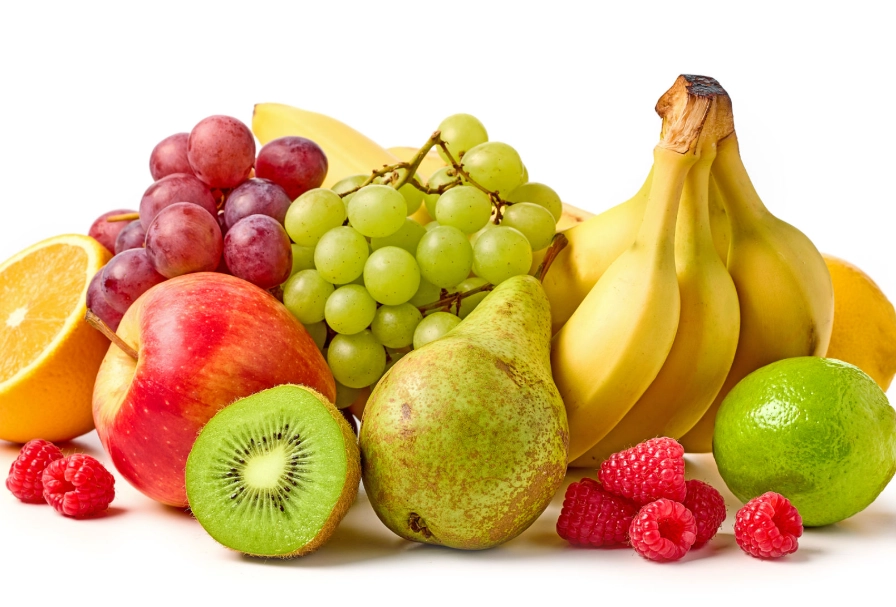
Pomegranates: Their jewel-like arils add crunch and a sweet-tart punch to salads, grains, and yogurt.
Kiwifruit: Peak season is winter. Don’t peel it—just slice it in half and scoop with a spoon.
Apples and Pears: These are still widely available from cold storage. They won’t be as crisp as in fall, but they’re still great for cooking and eating.
Exotic/Tropical Fruits: This is when you’ll see more pineapples, mangoes, and papayas from tropical regions where it’s their growing season. While not local to temperate zones, they are in their natural seasonal cycle somewhere, so they can be a good choice.
Quick-Reference Chart: What Fruits Are in Season?
Here’s a visual summary to pin on your fridge or save on your phone. Remember, these are general timings and can vary by a month or more depending on your location and the year’s weather.
| Fruit | Peak Season (Northern Hemisphere) | Key Picking Tip | Notes |
|---|---|---|---|
| Strawberries | Late Spring - Early Summer | Small, deep red, fragrant. Avoid white shoulders. | The first local ones are worth the wait. |
| Blueberries | Mid-Summer | Plump, firm, with a dusty blue bloom (that’s good!). | Freeze perfectly for year-round use. |
| Peaches & Nectarines | Mid-Summer | Fragrant and slightly soft at the stem end. | The smell is your best guide. |
| Watermelon | Mid to Late Summer | Look for a creamy yellow “field spot.” | A hollow sound when thumped is a classic test. |
| Apples | Early Fall | Firm, with no major bruises. Variety matters! | Stores well for months in cool conditions. |
| Pears | Fall | Buy firm, ripen at room temperature. | Check the neck for ripeness, not the body. |
| Cranberries | Late Fall | Berries should bounce. Seriously, it’s called the “bounce test.” | Almost always cooked and sweetened. |
| Oranges & Mandarins | Winter | Heavy for their size = juicy. | Vitamin C powerhouse during cold season. |
| Grapefruit | Winter - Early Spring | Should feel plump and firm. | Ruby Red varieties are sweeter. |
| Lemons & Limes | Year-Round, peak in Winter | Bright color, glossy skin, heavy feel. | A kitchen essential with a long shelf life. |
Print it out. Stick it on the fridge. It helps.
How to Actually Find and Choose Seasonal Fruit
Knowing a list is one thing. Navigating the real world is another. Here’s how to put this knowledge into practice.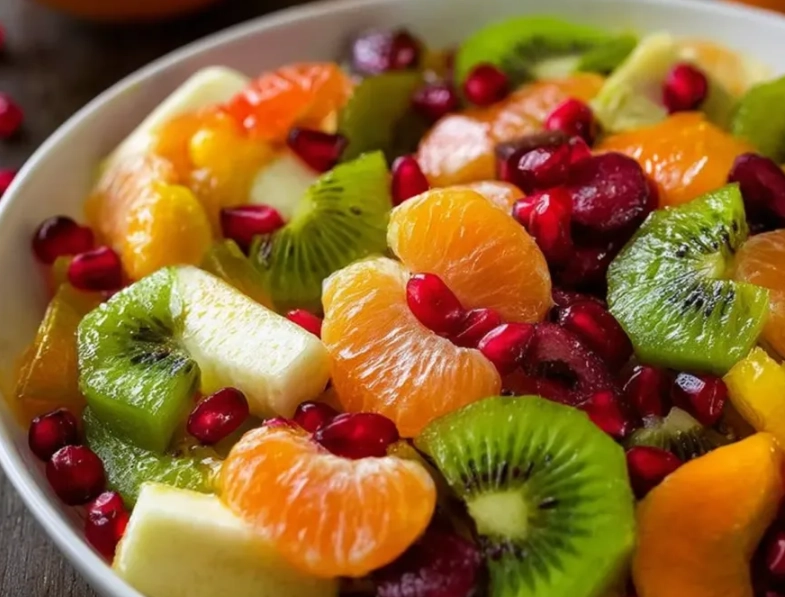
1. Shop at Farmer’s Markets (Even Occasionally)
This is the master class in learning what fruits are in season. Farmers only bring what they’re harvesting right now. The selection is your live, edible calendar. You can talk to the growers, ask about varieties, and often get tips. The flavor difference is usually staggering. Yes, it can be more expensive for some items, but the quality is often worth it for a treat.
2. Decode the Grocery Store
Most of us shop at supermarkets. Look for:
- Origin Labels: Check the little sticker or sign. “Product of USA” with a nearby state (e.g., California, Georgia, Michigan) in the appropriate season is a good sign. “Product of Chile” in July means it’s winter there, so those grapes or blueberries are in their natural season, just not yours locally. It’s a judgment call.
- Price and Prominence: As mentioned, big displays and low prices are a major hint.
- Condition: Is the fruit in good shape? A bin of battered, moldy peaches in July is odd—it means they’ve traveled too long even within the season. Look for vibrant, fresh-looking displays.
3. Trust Your Senses
Forget perfect shapes and sizes. Use your nose and hands (gently!).
- Smell: Does it have a fragrance? A ripe melon, peach, or pineapple should smell like itself at the stem end. No smell often means no flavor.
- Touch: Is it firm but with a slight, gentle give? Avoid rock-hard or mushy. For berries, avoid stained containers (a sign of crushing and mold).
- Look: Seek out vibrant, characteristic color. Avoid excessive bruising, cuts, or wrinkles (a sign of age).
4. Preserve the Bounty
When you find amazing, cheap seasonal fruit, buy a bit extra and preserve it. You don’t need to be a master canner.
- Freeze: Berries, peach slices, and mango chunks freeze beautifully on a tray before bagging. Use them in smoothies or baking all winter.
- Make Jam or Compote: Even a small batch with a few cups of fruit is rewarding and captures the season in a jar.
- Dehydrate: Apple rings, pear slices, or even stone fruit make great snacks.
Common Questions About Seasonal Fruit (Answered)
Wrapping It Up: Start Simple
Figuring out what fruits are in season doesn’t need to be complicated. Don’t try to overhaul your entire shopping list overnight.
Start with one fruit. Next time you’re at the store, skip the sad, out-of-season berries and grab the citrus or apples that are at their best. Notice the difference in price and taste.
Next season, maybe visit a farmer’s market just once and try the fruit there. Talk to a farmer.
The goal is to slowly tune your habits to the rhythm of the year. You’ll eat better, you’ll likely save money, and you’ll develop a deeper appreciation for the incredible variety nature offers. You’ll also have a great answer next time someone asks you, “Hey, what fruits are in season right now?”
Happy (seasonal) eating!
Reader Comments