You've nurtured those butternut pumpkin vines all season, and now you're staring at the garden, wondering if it's time. Pick too early, and you get bland, starchy squash. Wait too long, and frost or pests might ruin your crop. After growing butternut pumpkins for over a decade, I've learned the hard way—timing is everything. Let's cut through the guesswork. Butternut pumpkins are ready to pick when they show a combination of visual cues, usually 75 to 100 days after planting, typically in late summer to mid-fall, depending on your climate. But that's just the start. Here's everything you need to know to harvest them perfectly.
Jump to What Matters
Understanding Butternut Pumpkin Ripeness: The Core Signs
Most guides tell you to look for a tan color. That's fine, but it's not enough. I've seen butternut pumpkins turn tan early in cool weather, only to be underripe inside. Here are the signs I rely on, in order of importance.
Pro tip: Don't just glance at the squash. Get hands-on. A ripe butternut pumpkin feels like a firm, dense weight in your hand.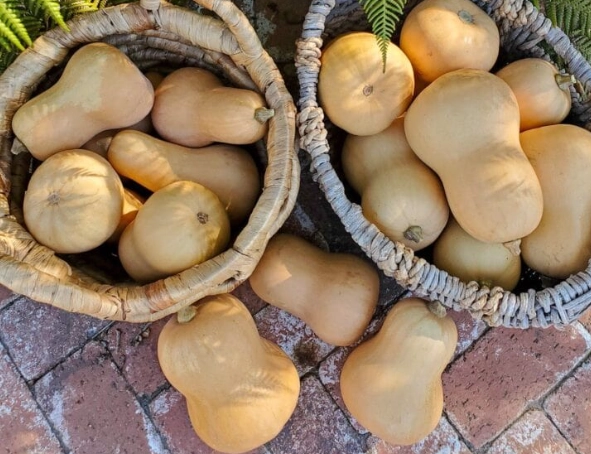
Skin Hardness: The Thumbnail Test
Press your thumbnail gently into the skin. If it leaves a dent or punctures easily, it's not ready. A ripe squash will resist—the skin feels hard, almost like a shell. This happens as the outer layer matures and lignin deposits build up. I check multiple spots, especially near the stem end where softening can start.
Stem Condition: Look for Corking
The stem tells a story many ignore. When butternut pumpkins are ripe, the stem starts to dry out, turning brown and corky. It might even begin to crack or separate slightly from the vine. If the stem is still green and fleshy, hold off. This corking process helps seal the squash for storage, preventing moisture loss.
Color and Sheen
Aim for a deep, uniform tan or beige. The green streaks should be gone. But here's a nuance: in some varieties or shaded areas, the color might be lighter. Also, the skin loses its glossy sheen and becomes matte. I compare it to the look of an old leather boot—dull and sturdy.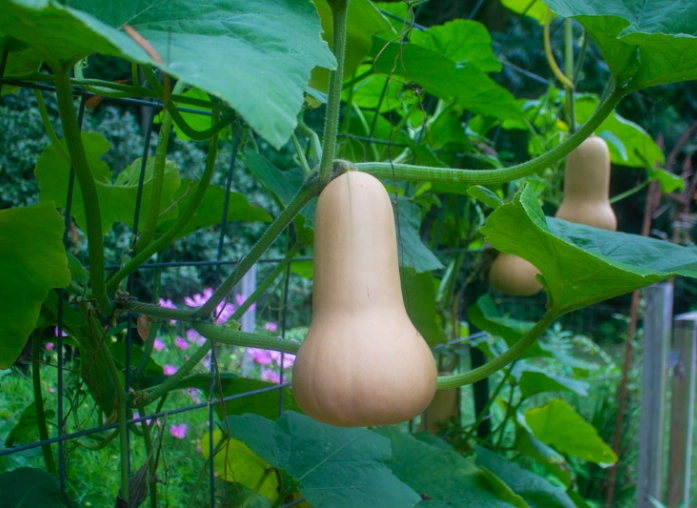
| Sign | What to Look For | Why It Matters |
|---|---|---|
| Skin Hardness | Resists thumbnail pressure; feels hard | Indicates full maturity and better storage |
| Stem Condition | Dry, brown, corky, possibly cracking | Shows natural abscission; reduces rot risk |
| Color | Uniform tan/beige, no green streaks | Visual cue for carotenoid development |
| Size and Shape | Full bulbous end, typical variety size (e.g., 8-12 inches) | Ensures flesh has filled out properly |
Size matters too. A mature butternut pumpkin reaches its variety's typical size—usually 8 to 12 inches long. If it's stunted, it might be stressed, not ripe.
The Ideal Harvest Time: From Planting to Picking
Timing isn't just about days on the calendar. It's about weather, plant health, and your location. Let's break it down.
Most butternut pumpkin varieties need 75 to 100 days from planting to maturity. If you planted in late spring, count forward. But days to maturity is a guideline. I keep a garden journal and note planting dates. For example, 'Waltham Butternut' takes about 85 days. But if summer was cool, add a week or two.
The season peaks in late summer to mid-fall. In my zone 6 garden, I start checking in early September. Further north, it might be late August; south, October. Watch for the first frost date. According to the Old Farmer's Almanac, butternut pumpkins can handle a light frost, but a hard freeze will damage them. So, aim to harvest before temperatures consistently drop below 28°F (-2°C).
Here's a scenario: You're in Ohio, planted in mid-May. By late August, the squash look big. Check the signs. If they're hard and the stems are drying, you can pick. If not, wait a week. I've left some until early October, and they sweetened up after a light frost.
Environmental Cues
Pay attention to the vine. When it starts to yellow and die back, that's nature's hint. Also, fewer new flowers mean the plant is focusing energy on ripening existing fruit. Don't rush it—butternut pumpkins won't ripen further off the vine like tomatoes.
Step-by-Step Guide to Harvesting Butternut Pumpkins
Once you've confirmed ripeness, harvesting is straightforward but requires care to avoid bruising.
- Choose a dry day: Harvest when the weather is sunny and dry. Wet squash can mold during curing. I learned this after a rainy harvest led to half my crop rotting.
- Use the right tools: Sharp pruning shears or a knife. Don't twist or pull—you might damage the stem or vine.
- Cut the stem: Leave 2 to 4 inches of stem attached to the squash. This stub helps prevent rot at the top. Cut cleanly, about an inch above the fruit.
- Handle gently: Butternut pumpkins are tough but can bruise. Carry them in a basket or bucket, not dragging. Avoid dropping them.
- Clean lightly: Wipe off dirt with a dry cloth. Don't wash them—water invites decay during storage.
If you have many, harvest in batches. Start with the most ripe ones, then come back later for others. This spreads your work and ensures each gets optimal timing.
Common Harvesting Mistakes and How to Avoid Them
Even seasoned gardeners slip up. Here are pitfalls I've seen (and done myself).
Mistake 1: Harvesting too early based on color alone. That tan hue can be deceptive. Last year, my neighbor picked all his butternut pumpkins because they looked perfect, but the skins were still soft. They tasted watery and didn't store well. Always do the thumbnail test.
Mistake 2: Cutting the stem too short. Leaving less than an inch of stem makes the squash vulnerable to infections. The stem acts as a seal. I aim for a 3-inch stub—it looks better and stores longer.
Mistake 3: Ignoring weather forecasts. If a hard frost is coming, harvest even if slightly underripe. Underripe squash can still cure and sweeten indoors. Frost-damaged squash are a total loss. Check local forecasts from sources like the National Weather Service.
Mistake 4: Storing immediately without curing. This is huge. Curing hardens the skin and heals cuts. Skip it, and your squash might last only weeks instead of months.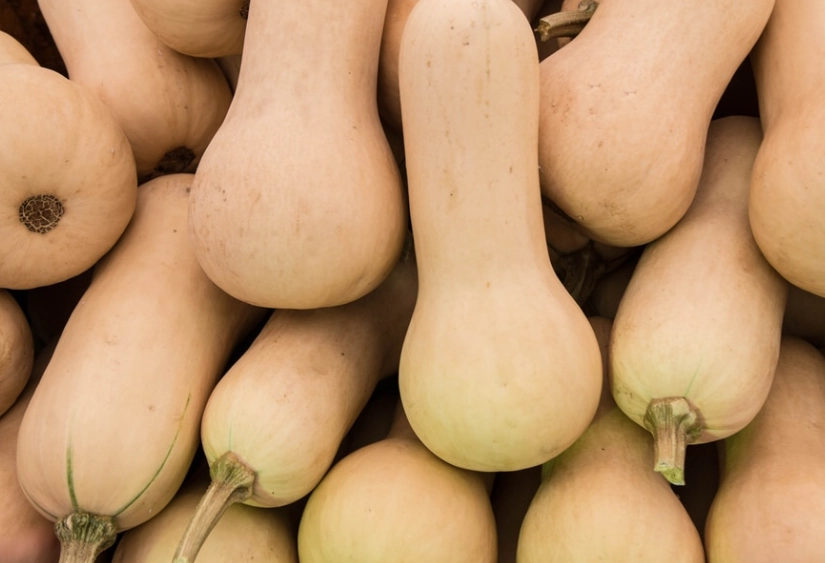
Post-Harvest Handling: Curing and Storage Tips
Harvest is half the battle. Proper curing and storage make your butternut pumpkins last through winter.
Curing Process
After picking, place the squash in a warm, dry, well-ventilated area. Ideal conditions: 80-85°F (27-29°C) and 80% humidity for 10 to 14 days. I use my garage with a fan running. The skin will harden further, and any minor nicks will callous over. University of California Cooperative Extension recommends this for all winter squash.
Storage Solutions
Once cured, move them to a cool, dark place. Aim for 50-55°F (10-13°C) with 50-70% humidity. A basement, root cellar, or cool closet works.
- Don't stack them directly on concrete—use shelves or cardboard.
- Check monthly for soft spots or mold. Remove any bad ones promptly.
- Keep away from apples or other ethylene-producing fruits, which can hasten ripening and spoilage.
With good storage, butternut pumpkins can last 3-6 months. I've had some keep until spring, perfect for soups and roasts.
Frequently Asked Questions (FAQ)
Reader Comments