You’ve got a bag of beautiful, sweet Gala apples. The idea of a warm, cinnamon-scented pie is tempting. But a nagging thought holds you back: are Gala apples actually good for pies? The short, honest answer is: they can be, but they come with a catch. They won't give you that classic, firm-slice apple pie texture. If you understand their personality and know how to work with it, you can make a delicious dessert. If you don’t, you might end up with a soggy, overly sweet mush. Let's break down exactly what you're dealing with.
What’s Inside This Guide
What Makes an Apple ‘Good’ for Pie?
Not all apples are created equal when thrown into a hot oven. A great pie apple needs to walk a tightrope between three key qualities:
Flavor Balance: It needs enough natural acidity to balance the added sugar and spices. A one-note sweet apple makes a bland pie.
Structural Integrity: This is the big one. The apple must hold its shape, or at least soften into distinct, tender pieces—not completely disintegrate into applesauce. This comes from the apple's pectin content and cell structure.
Moisture Content: Apples release water as they cook. Too much juice leads to a soggy bottom crust and a filling that’s swimming in liquid, even with thickeners.
Think of the ideal pie apple as a sturdy, tart athlete. Now, let's see how the Gala measures up.
The Gala Apple Profile: Sweetness Over Structure
Gala apples are the friendly, approachable neighbor of the apple world. They’re consistently sweet, mildly aromatic, and have a tender, fine-grained flesh. According to resources like the USDA FoodData Central, they’re lower in malic acid (the primary acid in apples) compared to traditional baking varieties.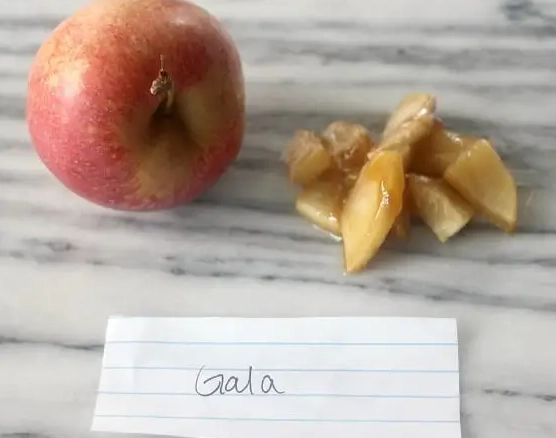
Here’s the core truth most recipe sites gloss over: Galas are high in sugar, low in acid, and very low in structural pectin. Their cells break down easily.
This doesn’t make them bad. It makes them different. Their sweetness means you can use less sugar. Their tenderness means they cook quickly and blend flavors well. The trick is managing their tendency to fall apart.
How to Compensate When Using Gala Apples
You wouldn't use the same technique to build a house with bricks as you would with sand. Same principle here. To make a successful Gala apple pie, you need to compensate for their weaknesses.
1. The Mix-and-Match Method (The Best Fix)
Don't go solo. Blend your Galas with a firmer, tarter apple. This is the single most effective trick. The firm apple provides the skeleton; the Gala provides sweet, juicy flavor. Aim for a 50/50 or 60/40 ratio (firm apple to Gala).
2. Thickener Adjustment
Because Galas release more water and have less natural pectin, you need more thickener. If your recipe calls for 3 tablespoons of cornstarch for firmer apples, bump it up to 4 tablespoons for a Gala-heavy mix. Tapioca flour or instant tapioca can also be a good choice as they set clearer and can handle juicy fruits well.
3. Strategic Pre-Cooking
Consider sautéing your Gala apple slices in a pan with a bit of butter and the spices for 5-7 minutes before assembling the pie. This drives off a significant amount of excess moisture upfront, concentrates the flavor, and starts the thickening process on the stove, not in your pie crust. Let the mixture cool completely before filling.
4. Slice Thicker
Resist the urge to make paper-thin slices. Cut them into hearty 1/2-inch chunks or wedges. They’ll still soften, but they’ll have more presence in the final pie.
Your Gala Apple Pie Recipe Roadmap
Here’s a concrete plan for a 9-inch pie. This isn't just a recipe; it's a method built for Galas.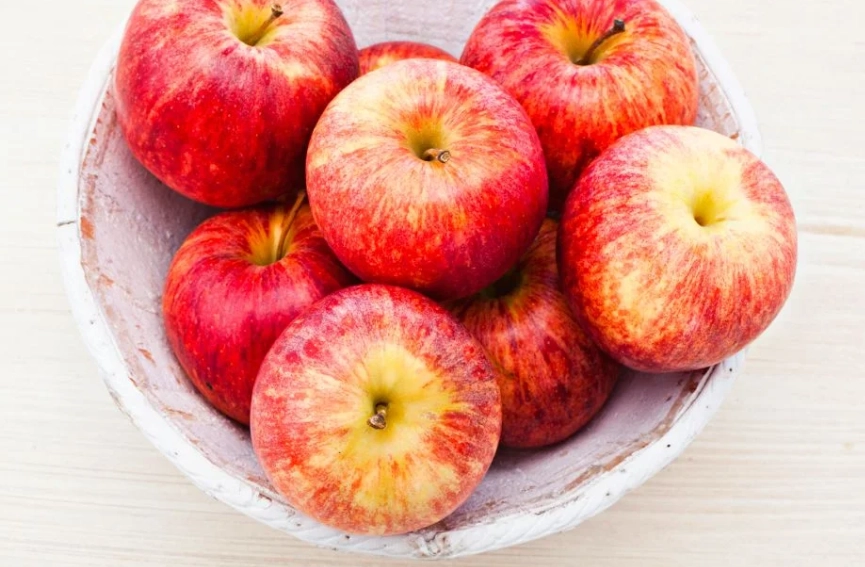
Ingredients:
- 2.5 lbs total apples (I recommend 1.5 lbs Granny Smith + 1 lb Gala)
- 2/3 cup granulated sugar (reduced because of the Gala's sweetness)
- 3-4 Tbsp cornstarch or 4 Tbsp minute tapioca
- 1 tsp ground cinnamon
- 1/4 tsp ground nutmeg
- 1 Tbsp lemon juice
- 2 Tbsp unsalted butter, cut small
- 1 egg, for egg wash
- Your favorite double pie crust
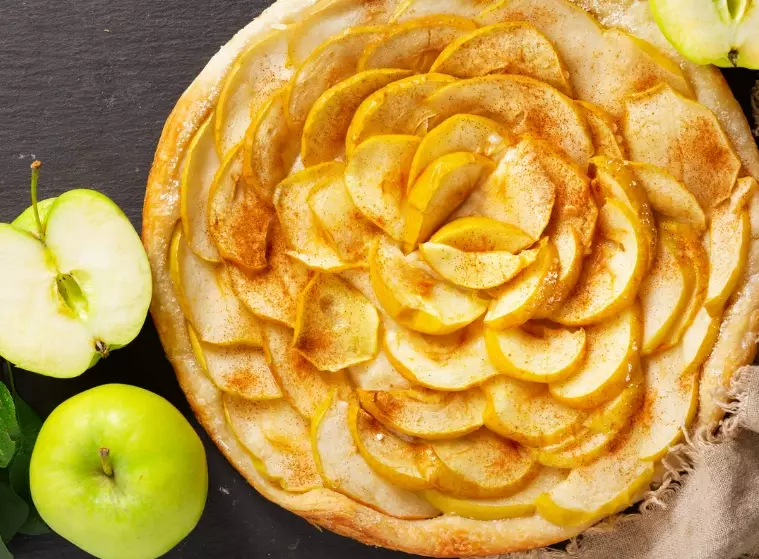
Method:
Peel, core, and slice all apples into 1/2-inch thick slices. In a large bowl, toss them immediately with the lemon juice. In a small bowl, mix the sugar, cornstarch, cinnamon, and nutmeg. Sprinkle this over the apples and toss thoroughly to coat. Let this mixture sit for 15 minutes—you'll see juice start to pool.
Optional but recommended: Pour the entire mixture (apples and juices) into a large skillet. Cook over medium heat, stirring gently, for about 6-8 minutes, until the apples are just beginning to soften at the edges and the juices have thickened noticeably. Spread on a baking sheet to cool completely. This step is a game-changer for preventing a soggy bottom.
Roll out your bottom crust and fit it into the pie plate. Add the cooled filling (or the uncooked macerated filling if skipping the pre-cook). Dot with the butter pieces. Roll out the top crust, place it over, seal, and vent. Brush with egg wash.
Bake on a preheated baking sheet (to catch drips and boost bottom heat) at 425°F (220°C) for 20 minutes, then reduce heat to 375°F (190°C) and bake for another 35-45 minutes, until the crust is deep golden and filling is bubbling through the vents. Let it cool for at least 3 hours before slicing. This last wait is non-negotiable for the filling to set.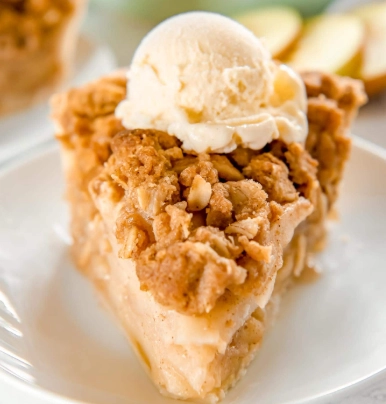
The Apple Showdown: Gala vs. The Classics
To really understand Gala's place, let's put it next to the pie champions. This table tells the story.
| Apple Variety | Best Quality for Pie | Potential Drawback | My Recommendation |
|---|---|---|---|
| Granny Smith | High acid, firm texture, holds shape perfectly. | Can be too tart alone for some; flavor is simple. | The gold standard for structure. Perfect for mixing. |
| Honeycrisp | Great sweet-tart balance, firm but juicy. | Expensive, can be very juicy. | Excellent solo or mixed. A premium choice. |
| Braeburn | Complex flavor, holds its shape well. | Availability can be seasonal. | A top-tier choice for flavor and structure. |
| Gala | Very sweet, cooks quickly, affordable and available year-round. | Very soft texture, low acid, falls apart easily. | Almost always mix it. Best for texture contrast in a blend. |
See the pattern? The classics bring structure and balance. Gala brings accessible sweetness and tenderness. It's a supporting actor, not the star—unless you're making applesauce or an intentionally soft, rustic dessert.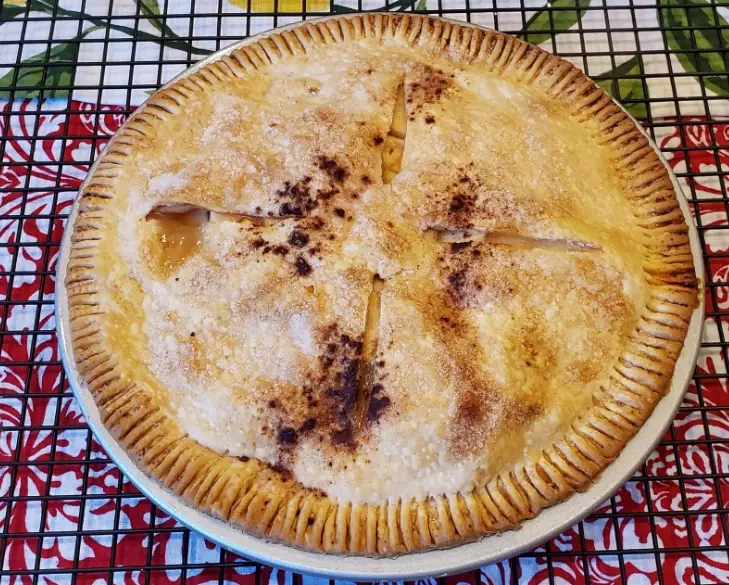
Your Gala Apple Pie Questions, Answered
So, back to the original question: are Gala apples good for pies?
They can be, with the right expectations and the right techniques. They won't give you the iconic, sliceable apple pie of a diner window. What they will give you, especially when paired with a sturdier partner, is a deeply sweet, fragrant, and comforting dessert. They’re the friendly, forgiving apple that asks for a little extra help from your thickener and your mixing bowl. Now you know exactly how to give it to them.
Reader Comments