Quick Navigation
- The Global Kiwi Harvest Calendar: It's a Hemisphere Thing
- How to Tell if a Kiwi is Truly "In Season" (And Ready to Eat)
- The Storage and Ripening Game Changer
- Green vs. Gold: A Seasonality & Taste Face-Off
- Beyond the Calendar: How to Use Kiwis All Year Round
- Your Kiwi Season Questions, Answered
- Wrapping It Up: Your Kiwi Buying Strategy
Let's cut to the chase. You're here because you stood in the grocery store, poked a kiwi, and wondered if it was the right time of year for this fuzzy little fruit. Maybe you got burned before—bought a rock-hard pack that never softened, or a mushy one that tasted like bland water. I've been there. So let's talk straight about when kiwis are in season, because it's not as simple as a single month on a calendar. It depends on where you live, what type you're buying, and honestly, a bit of global fruit logistics magic.
The short, oversimplified answer for North America and Europe is late fall through early spring. Think October to May. But if you stop there, you're missing the whole story. Why can you sometimes find decent kiwis in July? How do you *really* know if what you're holding is at its peak? That's what we're diving into.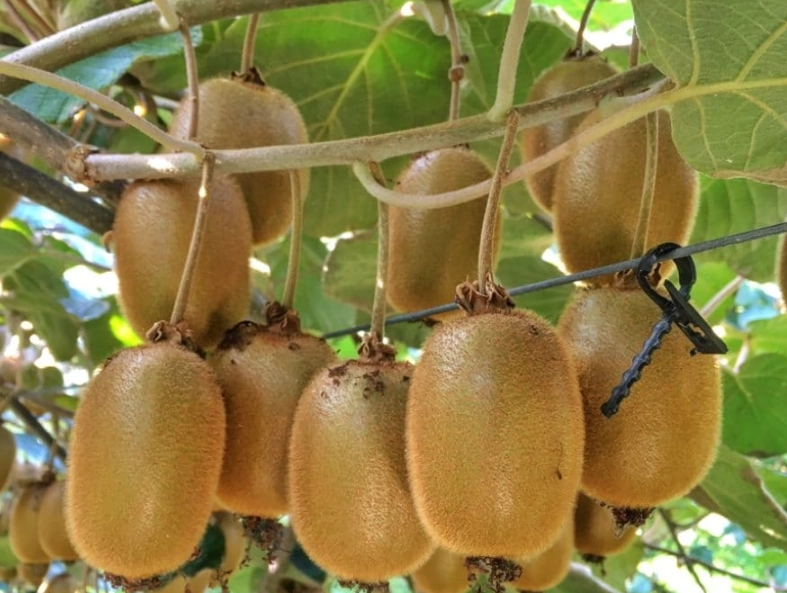
The Core Insight: Kiwifruit (yep, that's the official name, though everyone calls them kiwis) have a major secret—they're storage champs. A kiwi harvested in New Zealand in May can be kept in cold storage and taste pretty good when it lands in the US in August. So "season" can mean "peak harvest season" or "peak eating season in your market." They're different.
The Global Kiwi Harvest Calendar: It's a Hemisphere Thing
Kiwis grow in temperate climates, and the harvest time flips completely between the Northern and Southern Hemispheres. This is the key to understanding year-round supply. When it's winter in one place, it's summer in the other.
I remember talking to a produce manager once. He said most people have no idea about this flip, and it's the reason you're never truly out of season for kiwifruit. Clever, right?
| Hemisphere & Major Producers | Typical Harvest Season | When They Hit Your Store (Northern Hemisphere) |
|---|---|---|
| Northern Hemisphere (California, USA; Italy; France; Greece; Japan) |
Late October – May (Peak: November – January) |
November – June/July (Freshest locally Dec-Feb) |
| Southern Hemisphere (New Zealand; Chile; Italy* *Yes, some regions harvest later) |
April – June (Peak: May – June) |
June – October/November (Freshest imports July-Sept) |
See that overlap? From about November to June, you're likely eating Northern Hemisphere fruit. From June to November, your kiwis are probably from New Zealand or Chile. There's a sweet spot, roughly October to December, where you might find fruit from both hemispheres, giving you great quality and choice.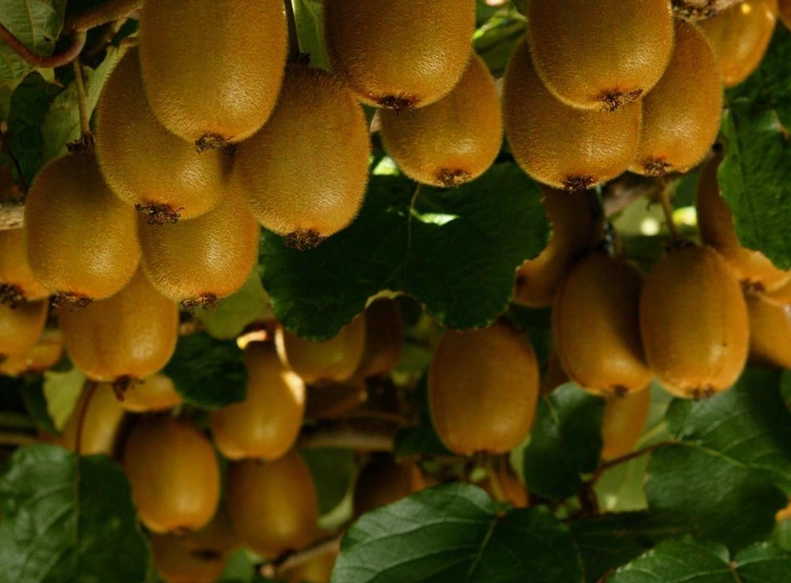
So, when are kiwis in season *for you*? If you're in the US or Canada, the absolute peak of flavor and value is usually from late fall through winter. That's when local (or semi-local, like from California) fruit is abundant.
A Quick Note on California Kiwis
Almost all US-grown kiwifruit comes from California. According to the University of California Agriculture and Natural Resources, the California harvest typically runs from late October through May. If you want to eat relatively local and support domestic growers, that's your window. The fruit doesn't travel far, so it can be picked riper and often has fantastic flavor.
How to Tell if a Kiwi is Truly "In Season" (And Ready to Eat)
Knowing the calendar is one thing. Judging the fruit in your hand is another. Here’s the practical stuff the glossy food blogs sometimes skip.
First, look beyond the fuzz. A common myth is that the fuzziness indicates freshness. Not really. Some varieties are fuzzier than others. The Hayward (the common green one) is fuzzy; the gold kiwifruit (often sold as SunGold) has smoother, bronze skin.
The Squeeze Test (Gentle!): This is the gold standard. Apply very slight pressure with your thumb. A perfect, ready-to-eat kiwi should yield slightly, like a ripe peach or avocado. Not mush. Not rock hardness. That gentle give is what you want. If it's hard, it's unripe. If your thumb sinks in, it's overripe.
Second, smell it. Seriously, bring it close to your nose. A ripe kiwi, especially at the stem end, will have a faint, sweet, and fragrant aroma. If it smells like nothing, it's probably not ready. If it has a fermented or alcohol-like smell, it's past its prime.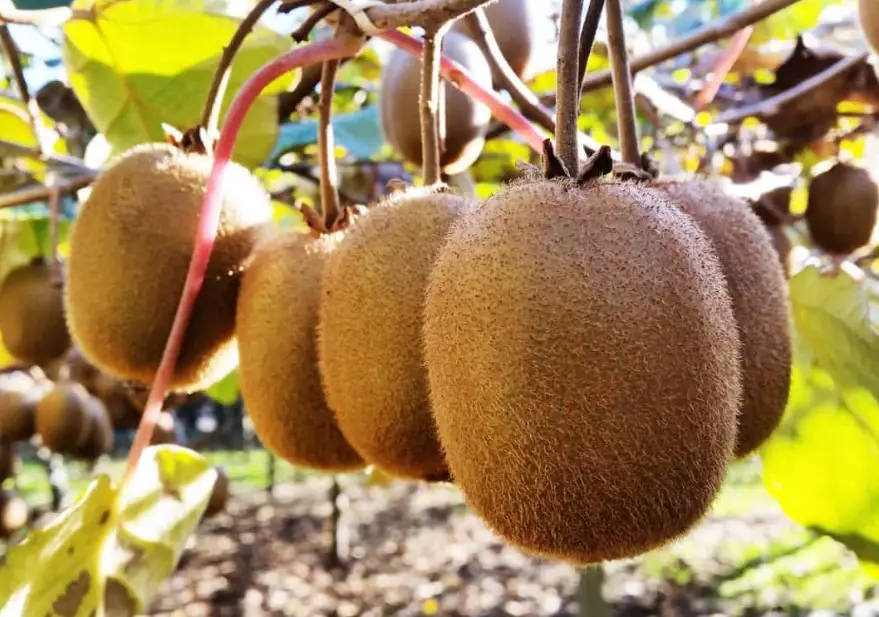
Third, check for wrinkles or shriveling. A little bit of skin wrinkling can actually mean the fruit has concentrated its sugars and is super sweet. But major shriveling, along with soft spots or bruising (often a dark, damp patch), means it's old.
Here’s a personal rule: I avoid pre-packed plastic clamshells if I can't feel each fruit. Those packages often hide one bad kiwi that will spoil the rest. Loose fruit is best for checking.
The Storage and Ripening Game Changer
This might be the most important part of this whole article. You can *control* the season, in a way. Understanding how to ripen and store kiwis means you can buy them firm when they're cheap and have perfect fruit days later.
Ripening Hard Kiwis: Got a bag of hard, under-ripe kiwis? No problem. Toss them in a paper bag with a banana or an apple. These fruits release ethylene gas, a natural plant hormone that speeds up ripening. Close the bag loosely and leave it on the counter. Check daily. This usually takes 2-5 days. Don't use a plastic bag—it traps moisture and can cause mold.
Slowing Down Ripening: Once your kiwis are perfectly ripe, you want to hit the pause button. Pop them in the crisper drawer of your refrigerator. The cold dramatically slows down the process. A ripe kiwi can last in the fridge for 1 to 2 weeks, sometimes more.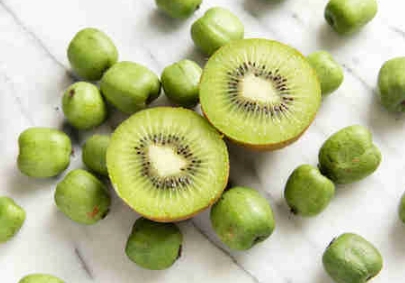
Watch Out: Never store unripe, hard kiwis in the fridge. The cold can damage the ripening process and you might end up with fruit that never softens properly, remaining hard and tart. I learned this the hard way, ruining a whole batch. Let them ripen at room temperature first.
The Freezer Trick: Yes, you can freeze kiwi! Peel and slice it, lay the slices on a parchment-lined tray to freeze individually, then transfer to a bag. They're great for smoothies. The texture becomes softer when thawed, so don't expect fresh slices for a fruit salad.
Green vs. Gold: A Seasonality & Taste Face-Off
It's not just about timing; it's about type. The two main players have slightly different rhythms.
- Green Kiwifruit (Hayward): This is the classic. Tangy, bright green flesh with tiny black seeds and that familiar fuzzy brown skin. Its season aligns with the general calendar above. It's reliable, widely available, and often a bit cheaper.
- Gold Kiwifruit (SunGold/Zespri): Sweeter, less acidic, with smooth skin and yellow flesh. In my opinion, it's less fussy. It seems to ripen more evenly and has a tropical, almost mango-like flavor. The harvest seasons are similar, but because it's a patented variety primarily grown in New Zealand (with some in Italy and California now), its availability is tightly managed. You'll see a lot of gold kiwis from New Zealand during their harvest season (our summer).
Which is better? For eating straight, many prefer gold for its sweetness. For baking or adding a tart punch to a smoothie, green is fantastic. Try both when they're in season and decide.
Beyond the Calendar: How to Use Kiwis All Year Round
So you know when are kiwis in season. But what do you *do* with them? Here’s where we get practical.
The Prep: You can eat the skin! It's edible and packed with fiber and nutrients. Just give it a good scrub under water to remove the fuzz if it bothers you. I do this with organic kiwis. If you prefer to peel it, slice off the ends and use a spoon to scoop the flesh out in one go. Easy.
My Go-To Uses (A Mini Ranking):
- The Simple Snack: Halved and scooped with a spoon. Can't beat it.
- Smoothie Booster: Adds a vibrant tang, vitamin C, and a great texture. One kiwi per smoothie is perfect.
- Natural Meat Tenderizer: This is a pro tip. Kiwis contain an enzyme called actinidin that breaks down proteins. Puree a bit of kiwi and use it in a marinade for tougher cuts of meat (like flank steak) for 20-30 minutes ONLY. Any longer and it can turn the meat mushy. Seriously, don't overdo it.
- Fruit Salsa: Dice kiwi with mango, red onion, jalapeño, cilantro, and lime juice. Amazing on fish tacos or grilled chicken.
- Dessert Topper: Slices on pavlova, yogurt, ice cream, or cheesecake. The color and flavor pop.
A word of warning about that enzyme: it's why you can't add fresh kiwi to gelatin (like Jell-O). It will prevent it from setting. If you want kiwi in a gelatin dessert, you need to cook the fruit first to deactivate the enzyme.
Your Kiwi Season Questions, Answered
Can I get good kiwis year-round?
Yes, thanks to global trade and good storage. But the *best* quality—the most fragrant, flavorful, and affordable fruit—will be during the peak windows: late fall to early spring in the US/Europe (Northern Hemisphere fruit) and mid-summer to early fall (Southern Hemisphere fruit). The shoulder seasons might have fruit that's been in storage longer.
Are organic kiwis worth it, seasonally?
Kiwifruit has a thick skin that you often peel, which reduces pesticide exposure. However, if you eat the skin (which I encourage for the fiber), organic might be a consideration. The season doesn't affect the organic vs. conventional choice much—both are grown in the same cycles. It's more about personal preference and budget.
Why are my kiwis always sour?
You're probably eating them under-ripe. A kiwi needs to be fully soft to be sweet. That firm, tart kiwi just needs more time in a paper bag. Patience is key. Also, green varieties are inherently more tart than gold ones.
Is there a "second" season or a late-season kiwi?
Not really a second season, but some later-harvesting varieties or regions (like parts of Italy) can extend the Northern Hemisphere supply into late spring. The USDA Foreign Agricultural Service reports show how these harvests are staggered to maximize the market window.
I heard kiwis are a superfood. Does season affect nutrition?
They are incredibly nutrient-dense, packed with vitamin C (more than an orange, gram for gram), vitamin K, fiber, and potassium. A ripe, in-season kiwi likely has optimal nutrient levels. Prolonged storage can lead to a gradual loss of some vitamins like vitamin C, though fiber and minerals remain stable. So, a fresh, in-season kiwi is probably at its nutritional peak. The USDA FoodData Central is a great resource for detailed nutritional breakdowns.
What about kiwi berries or baby kiwis? When are they in season?
Kiwi berries (small, smooth-skinned, grape-sized) have a shorter, more concentrated season. They're highly perishable. Look for them as a specialty item in late summer and early fall, typically from North American growers. They're a treat, but don't expect them year-round like the standard kiwi.
Wrapping It Up: Your Kiwi Buying Strategy
Let's synthesize all this into a simple plan.
If you want to know when are kiwis in season for the ultimate eating experience, mark your mental calendar for November through February. That's your prime time. Shop at farmers' markets if you can for local-ish California fruit.
But don't stress the rest of the year. Use the hemisphere chart. In July, seek out New Zealand labels. Use the ripening trick. Buy firm fruit on sale and ripen it at home. This gives you control and saves money.
Finally, don't be afraid of a slightly wrinkled kiwi or one with a small scar. The inside is often perfect. The industry standard for grading is high, and a little imperfection on the tough skin doesn't mean much. The folks at the International Kiwifruit Organization have tons of grower-level info that trickles down to better fruit for us.
The bottom line? Kiwis are one of the more forgiving fruits to buy year-round if you know these simple rules. Now you do. Go find a good one.
Reader Comments