Quick Navigation
- What Exactly Is a Young Hen of the Woods?
- How to Spot a Young Hen of the Woods: A Step-by-Step ID Guide
- Finding Your First Young Hen: A Forager's Strategy
- Harvesting the Right Way: For Sustainability and Flavor
- From Forest to Fork: Cooking Your Young Hen of the Woods
- Preserving the Bounty
- Nutrition and Health: More Than Just a Tasty Mushroom
- Young Hen of the Woods vs. Mature: A Quick Comparison
- Frequently Asked Questions (FAQs)
- Wrapping It Up: The Joy of the Hunt
Let's talk about one of the most exciting finds for any mushroom hunter – the young hen of the woods. You know, that moment when you're walking through the woods in early fall, the air is crisp, and you spot this beautiful, ruffled cluster of greyish-brown at the base of an oak tree. Your heart skips a beat. Is it? Could it be?
If you've ever been lucky enough to find a young hen of the woods (scientifically called Grifola frondosa, but let's keep it simple), you know it's like hitting the foraging jackpot. But what do you do with it? How can you be sure it's the right one? And most importantly, how do you turn this forest treasure into an unforgettable meal?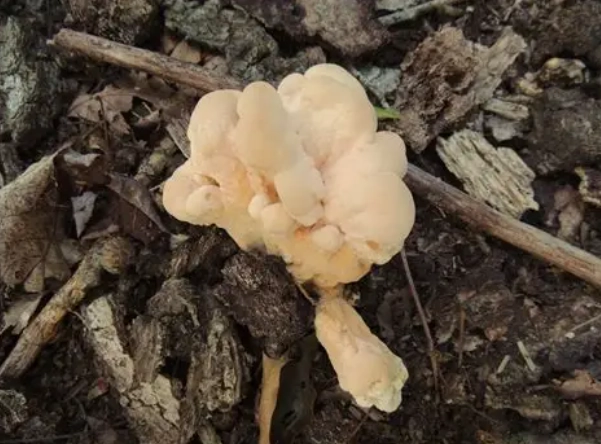
That's what we're diving into today. I'm not just going to give you textbook descriptions. I want to share the real, down-to-earth knowledge that comes from getting your boots muddy and your basket full. We'll cover everything from spotting that perfect young specimen to sizzling it in your pan. I'll even throw in some mistakes I've made along the way, so you don't have to repeat them.
What Exactly Is a Young Hen of the Woods?
First off, let's clear up the name game. You might hear it called hen of the woods, maitake, ram's head, or sheep's head. They all refer to the same fantastic fungus. But when we say "young" hen of the woods, we're talking about a specific stage in its life.
Imagine a mushroom that grows in a big, circular cluster. Each individual "frond" or cap overlaps the next, creating a layered effect that really does look like the fluffed-up feathers of a nesting hen. A young hen of the woods is when this cluster is just starting to develop. The fronds are smaller, tighter together, and the edges are typically curled under. The color is often a more vibrant mix of greys, browns, and sometimes even creamy whites, unlike the older, drier, and often darker specimens.
The texture is where the "young" part really shines. A young hen of the woods is tender. I mean, melt-in-your-mouth tender compared to its mature counterpart. The flesh is firm but gives way easily, without any of the woody toughness that can develop later. This makes it an absolute dream to cook with.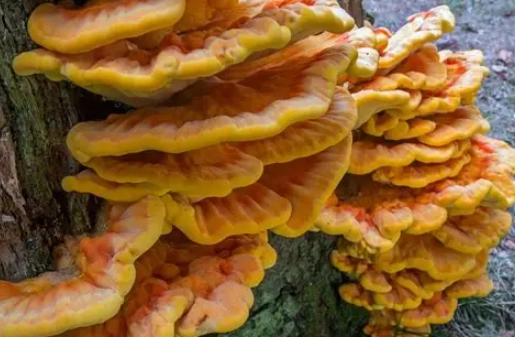
How to Spot a Young Hen of the Woods: A Step-by-Step ID Guide
Getting identification right isn't just about getting a good meal; it's about safety. Never, ever eat a wild mushroom you haven't positively identified. Let's break down exactly what to look for.
Key Identification Features
The young hen of the woods has a pretty distinct look, but you need to check all the boxes.
Growth Pattern: It always grows in a clustered, rosette-like formation at the base of trees or on stumps. You won't find a single, solitary cap on a stem. It's a social mushroom, growing in a big group. The cluster of a young hen can range from the size of your fist to a small dinner plate.
Cap (Frond) Appearance: Each individual cap is tongue-shaped or fan-shaped. They are thin and flexible when young. The top surface is usually a suedelike grey, brown, or tan, often with darker bands or patterns radiating from the point where it attaches. The key sign of youth? The edges are almost always curled under neatly.
The Underside: This is critical. Flip a frond over. The underside should be pure white and covered with tiny pores, not gills. These pores are where the spores come from. They should be very small and tight on a young specimen. No white underside with pores? It's not a hen.
Stem (Stipe): The stems are off-center (they attach to the side of the cap) and often fuse together in a thick, shared, tuber-like base that anchors the whole cluster to the wood. The stem flesh is white and fibrous.
Where It Grows: This is a big one. Hen of the woods has a strong preference for hardwoods, especially oak trees. I've found nearly all of mine at the base of mature oaks. Sometimes you'll find them on stumps or buried roots. They are perennial, often returning to the same spot year after year if you harvest them carefully, which is why foragers guard their "hen spots" like secret fishing holes.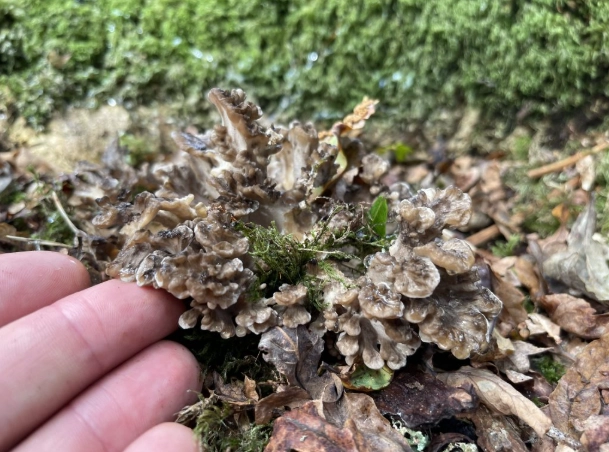
Finding Your First Young Hen: A Forager's Strategy
Okay, you know what it looks like. Now, where and when do you actually find it?
The season is late summer through fall. In most of North America, prime time is September to early November, depending on your local weather. They often pop up after a good rain followed by cool nights.
I remember my first successful hunt. I had read all the books, looked at a hundred pictures, and spent three weekends wandering through likely-looking oak woods with zero luck. I was about to give up. Then, on a drizzly October afternoon, I almost stepped on it. It was a perfect, young hen of the woods, about the size of a cantaloupe, nestled right against the trunk of a massive white oak. The thrill is real.
Here’s my practical strategy:
- Target the Right Trees: Focus on mature oak forests. Old parklands, hiking trails through hardwood forests, and even the edges of old pastures with big oaks are goldmines.
- Look Low and Look Close: Don't just scan the forest floor. Get your eyes down near the base of the trees. They can be partially hidden by leaf litter or ferns. That young hen of the woods I found was camouflaged perfectly.
- Timing is Everything: Go out a day or two after a soaking rain. The moisture triggers fruiting. Early morning light, when the sun is low and casts long shadows, can make these mushrooms stand out.

Harvesting the Right Way: For Sustainability and Flavor
So you've found a beautiful young hen. How do you pick it? This matters a lot, both for the fungus and for your future harvests.
First, make your final positive identification. Check all the features we talked about. Take a spore print if you're new to this – place a frond cap-side down on white paper overnight. The spore print of a hen of the woods is white.
Now, for harvesting. I see people just yanking mushrooms out of the ground, and it makes me cringe. For a young hen of the woods, the best tool is a sharp knife. Carefully cut the main, shared base stem just above the wood or soil. This minimizes disturbance to the underground mycelium (the fungal network), allowing it to recover and fruit again next year.
Leave a little bit behind. Some foragers believe in never taking the very first, tiny "button" stage, letting it grow to spread more spores. It's a good practice. Only harvest what you know you will use. A single young hen of the woods cluster can be surprisingly heavy and yield a lot of food.
Carry your prize in a woven basket or a mesh bag. This allows spores to fall out as you walk, potentially seeding new areas. Avoid plastic bags, as they cause mushrooms to sweat and degrade quickly.
From Forest to Fork: Cooking Your Young Hen of the Woods
This is the best part. The culinary potential of a young hen is enormous. Its flavor is rich, earthy, and savory, often described as having a slight peppery note when raw that cooks out. But remember, the star here is the texture. It's meaty without being tough, absorbing flavors like a champ.
Cleaning and Prepping
Young hens are usually cleaner than older ones, but they can still harbor dirt, bugs, and leaf bits in their many folds. Don't soak them in water! They are like sponges. Instead, use a soft brush (a dedicated mushroom brush or even a clean paintbrush works) to gently dislodge debris. If you must rinse, do it very quickly under cold running water and pat them immediately and thoroughly dry with paper towels. Then, simply tear or cut the cluster into smaller, bite-sized pieces, following the natural seams between the fronds.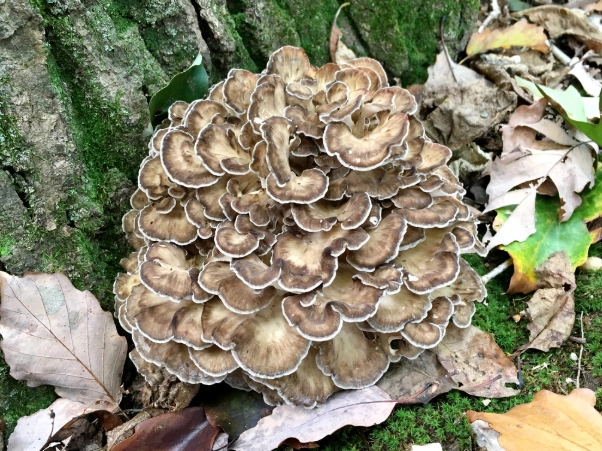
Cooking Methods That Shine
Because it's so tender, a young hen of the woods doesn't need long, slow cooking like a mature one might. Here are my go-to methods:
- The Simple Sauté: This is the ultimate test of quality. Heat a generous amount of butter or olive oil in a wide pan over medium-high heat. Add your mushroom pieces in a single layer (don't crowd them!). Let them sear without moving for a few minutes until they get a beautiful golden-brown crust. Season with salt and pepper. That's it. The flavor is pure, unadulterated forest. I could eat a whole plate like this.
- Roasting: Toss the pieces with oil, salt, and maybe some garlic powder or fresh thyme. Spread on a baking sheet and roast in a hot oven (400°F / 200°C) for 15-20 minutes until crispy at the edges. Makes an incredible side dish or salad topping.
- In Soups and Stews: Add them towards the end of cooking. They'll soak up the broth and add a deep umami backbone. A simple mushroom barley soup with young hen is soul-warming.
Honestly, I find the flavor of a very young hen of the woods to be slightly more delicate than a fully mature one. It's less intense, more refined. Some hardcore foragers might disagree and prefer the stronger taste of an older specimen, but for versatility in the kitchen, the young one wins for me.
Preserving the Bounty
You had a great haul. Now what? Fresh young hen of the woods will only last a few days in the fridge in a paper bag.
Drying: This is the classic preservation method and works brilliantly. Slice or tear into pieces, spread on dehydrator trays or a baking sheet in a very low oven (with the door cracked), and dry until cracker-dry. Dried hen reconstitutes wonderfully in soups and stews, and the drying process actually intensifies the flavor. Store in airtight jars.
Freezing: You can sauté the mushrooms first in butter or oil, let them cool, and then freeze them in portions. This locks in the flavor and texture better than freezing raw.
Nutrition and Health: More Than Just a Tasty Mushroom
It's worth mentioning that hen of the woods isn't just delicious; it's been revered in traditional medicine, particularly in Japan (where it's called maitake), for centuries. Modern research is exploring its potential benefits, which adds another layer of interest to finding a young hen of the woods.
It's a good source of dietary fiber, B-vitamins, minerals like potassium and copper, and contains various bioactive compounds like beta-glucans. Much of the scientific interest revolves around its potential effects on immune system modulation. A lot of the early promising research was done in vitro or in animal models, and it's a complex field. For a deep dive into the scientific literature, reputable databases like the U.S. National Library of Medicine's PubMed are where you can find peer-reviewed studies.
My personal take? I eat it because it's one of the most rewarding wild foods out there. Any health benefits are a fantastic bonus. But I'm not a doctor, and this isn't medical advice. Always consult with a healthcare professional regarding health matters.
Young Hen of the Woods vs. Mature: A Quick Comparison
Let's lay it out clearly. This table sums up why seeking out the young specimens can be so rewarding.
| Feature | Young Hen of the Woods | Mature Hen of the Woods |
|---|---|---|
| Texture | Tender, delicate, easy to tear. Cooks quickly. | Can be tough, woody, especially near the base. Requires longer cooking. |
| Flavor | Earthy, savory, sometimes slightly milder and more nuanced. | Often more intense, robust, and deeply earthy. |
| Moisture Content | Higher, succulent. | Lower, can be drier. |
| Cleaning | Easier, less dirt and debris trapped. | Can be challenging, with lots of dirt in deep folds and pores. |
| Culinary Use | Best for sautéing, roasting, quick-cook dishes. | Ideal for long braises, stews, stocks, and drying. |
| Bug Factor | Less likely to be infested. | More likely to host insect larvae in the thicker flesh. |
See the difference? It's not that mature hens are bad—far from it. They're excellent, especially for certain uses. But if you want that premier, tender eating experience, the young hen of the woods is your target.
Frequently Asked Questions (FAQs)

Wrapping It Up: The Joy of the Hunt
Finding and cooking a young hen of the woods is one of those experiences that connects you directly to the season and the landscape. It's a skill, a treasure hunt, and a culinary adventure all rolled into one. It teaches patience, observation, and respect for nature.
Start by learning the identification inside and out. Get a good field guide, join a local mycological club—they often have forays where you can learn from experts. Then, get out there when the air turns crisp. Look at the base of those oaks. With a bit of knowledge and a dash of luck, you might just spot that ruffled grey cluster.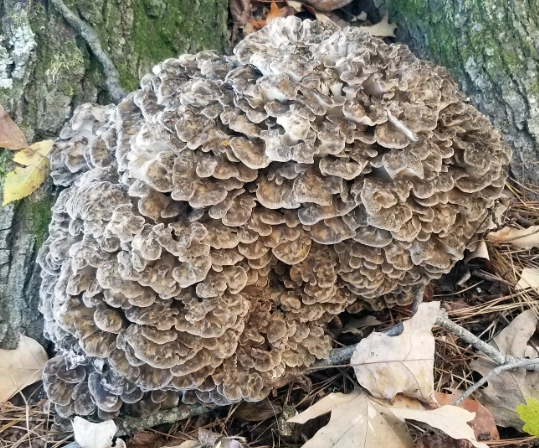
And when you do, and you're sitting down to a meal you found and prepared yourself, you'll understand why so many of us are passionate about this. It's not just about the mushroom; it's about the whole story, from the forest floor to your fork. That young hen of the woods becomes more than food. It's a memory, a trophy, and a damn good dinner.
Happy foraging, and be safe out there.
Reader Comments