October hits, and suddenly the air smells like crisp apples and wood smoke. If you're like me, you rush to the market, eager to grab the freshest picks. But which fruits are truly at their peak? I've spent years navigating farm stands and grocery aisles, and let me tell you, October is a goldmine for fruit lovers. From juicy pears to tart cranberries, this month offers a bounty that's both delicious and nutritious. In this guide, I'll break down everything you need to know about fruits in season in October—no fluff, just practical tips and some hard-won insights.
Jump Straight to What Matters
The October Harvest: A Fruit Lover's Dream
October isn't just about pumpkins. The fruit selection shifts dramatically from summer berries to heartier, storage-friendly options. Based on data from sources like the USDA and local agricultural extensions, here's a snapshot of what's peaking. I've compiled this table after comparing notes from farmers across regions—it's not just a generic list, but reflects what you'll actually find fresh.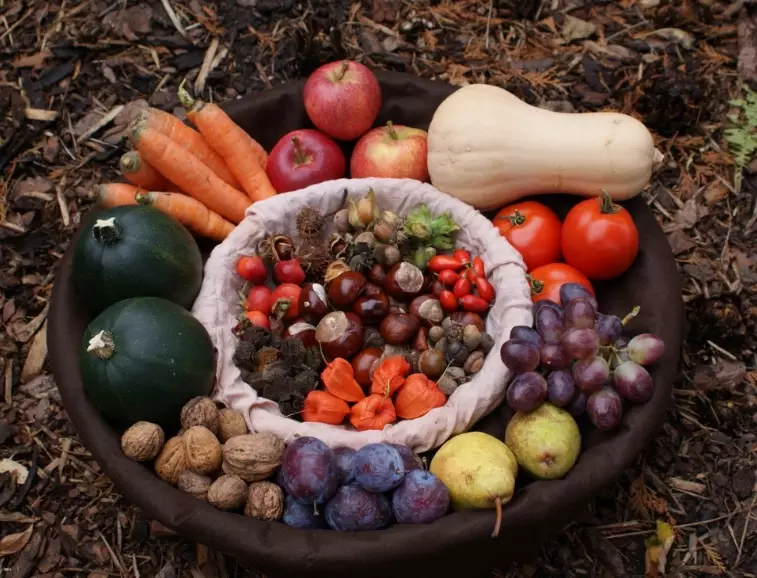
| Fruit | Flavor Profile | Best Uses | Why It's Peak in October |
|---|---|---|---|
| Apples (e.g., Honeycrisp, Fuji) | Crisp, sweet-tart | Eating raw, baking, applesauce | Harvested late summer to fall; cold nights enhance sweetness. |
| Pears (e.g., Bartlett, Bosc) | Buttery, juicy | Salads, poaching, tarts | Ripen after picking; October offers optimal texture. |
| Grapes (Concord, red varieties) | Bold, tangy | Snacking, jams, juice | Late harvest for wine grapes; table grapes are plump. |
| Cranberries | Tart, acidic | Sauces, baking, drinks | Harvested in fall; fresh berries abound before processing. |
| Persimmons (Fuyu, Hachiya) | Sweet, honey-like | Raw, puddings, breads | Ripen in cool weather; avoid astringency if handled right. |
| Quince | Floral, tart when raw | Jellies, roasting | Needs cooking; October harvest for preserved goods. |
A common mistake? People overlook quince because it's not eaten raw. But once cooked, it transforms into a fragrant delight—perfect for autumn spreads. I once made a quince paste that vanished at a party in minutes.
Regional Variations: What You Might Find Locally
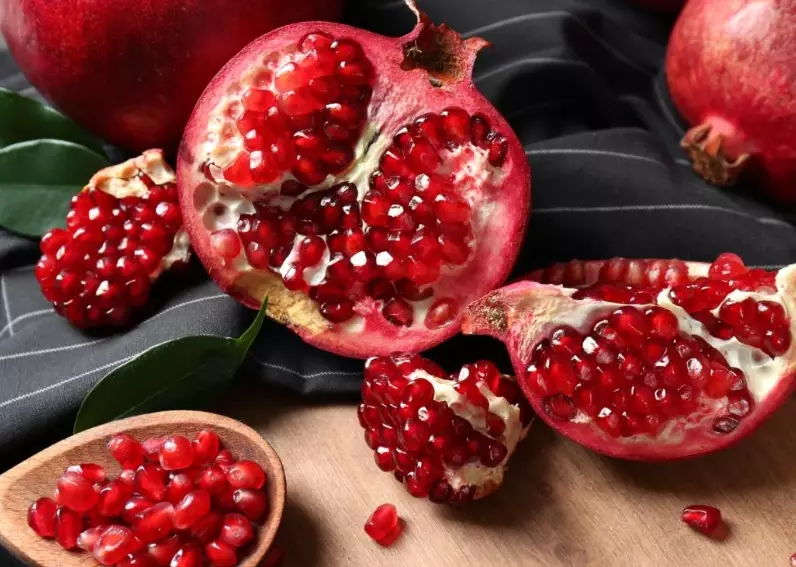
In warmer areas like California, you might still see late figs or pomegranates. In the Northeast, apples dominate. Check your local farmers' market; I've found that small-scale growers often have heirloom varieties you won't see in stores. For instance, a farm in Oregon introduced me to the 'Pink Pearl' apple—a rosy-fleshed gem that's only available in October.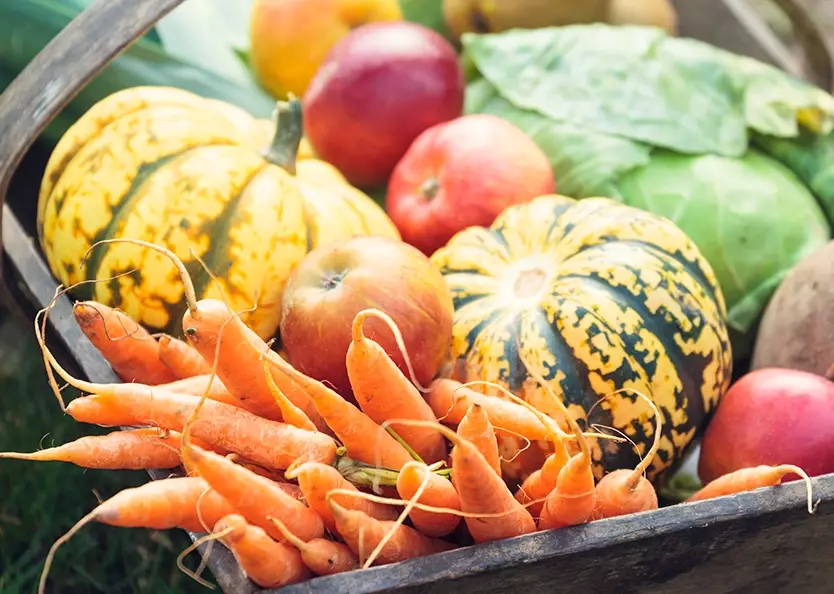
How to Choose Ripe October Fruits Like a Pro
Selecting fruit can feel like a gamble. Here's my field-tested approach, honed from years of trial and error. Forget generic advice; these tips address real frustrations, like ending up with mealy apples or rock-hard persimmons.
Apples: Look for firm skin without bruises. A subtle fragrance indicates ripeness. Avoid ones that feel lightweight—they might be dry inside. For eating fresh, go for Honeycrisp; for baking, Granny Smith holds up better.
Pears: They ripen off the tree, so choose slightly firm ones if you're not eating immediately. Check the neck: gentle pressure near the stem should yield a bit. I've wasted pears by waiting for the whole fruit to soften—focus on the neck to avoid mushiness.
Cranberries: Bounce test! Drop a few on a hard surface; fresh ones bounce high. Discolored or soft berries are past prime. I once bought a bag of soggy cranberries and ended up with a bitter sauce—lesson learned.
Persimmons: Fuyu types should be firm like an apple; Hachiya must be jelly-soft. A common pitfall: buying Hachiya too early and biting into a mouth-puckering mess. Let them ripen fully on the counter.
Storage matters too. Apples emit ethylene gas, which can spoil other fruits. Store them separately in the fridge's crisper. Pears do best at room temperature until ripe, then refrigerate. Cranberries last weeks in the fridge or freeze well.
Easy Fall Recipes to Showcase October Fruits
October fruits shine in simple dishes that highlight their natural flavors. Here are two recipes I rely on every year—no fancy skills required.
Quick Apple and Pear Crumble
This is my go-to dessert when guests drop by. Peel and slice 2 apples and 2 pears. Toss with a tablespoon of lemon juice and a sprinkle of cinnamon. For the topping, mix 1 cup oats, 1/2 cup flour, 1/4 cup brown sugar, and 4 tablespoons melted butter. Spread over the fruit in a baking dish. Bake at 375°F for 30 minutes until golden. The key? Use a mix of apple varieties for depth—tart ones like Granny Smith balance the sweetness.
Savory Pear and Walnut Salad
For a light lunch, combine sliced ripe pears, mixed greens, toasted walnuts, and crumbled blue cheese. Drizzle with a vinaigrette of olive oil, balsamic vinegar, and a touch of honey. The pears add a juicy sweetness that cuts through the cheese. I've served this at potlucks, and it always gets compliments.
Don't overlook cranberries beyond sauce. Simmer them with orange zest and sugar for a compote to top yogurt or oatmeal. Persimmons? Slice Fuyu into salads, or blend Hachiya into a smoothie with banana—it's like autumn in a glass.
Your Questions Answered: October Fruits FAQ
October's fruit bounty is more than just a seasonal shift—it's an opportunity to eat fresher, support local growers, and experiment in the kitchen. Next time you're shopping, remember these tips. Grab a few extra apples for that crumble, or dare to try a persimmon. Happy harvesting!
Reader Comments