Essential Insights
- The Asparagus Plant: More Than Just Spears
- Your Asparagus Planting Blueprint: Site, Soil, and Setting In
- The Long Game: Asparagus Plant Care Through the Seasons
- The Reward: Harvesting and Storing Your Asparagus
- Troubleshooting Common Asparagus Plant Problems
- Your Asparagus Questions, Answered
- Final Thoughts: Is Growing Asparagus Worth It?
Let's talk about the asparagus plant. You see those perfect, tender spears at the farmer's market and think, "I wish I could grow that." Then you hear it's a perennial that takes years to establish, and maybe you get a little nervous. I was too. My first attempt was a disaster—I planted the crowns too shallow, got impatient, and tried to harvest the same year. Spoiler: I got about three spindly spears.
But here's the thing. Once you get it right, an asparagus plant is the gift that keeps on giving for 15, even 20 years. It's not a fast-food crop; it's a legacy. This guide is everything I wish I'd known back then, stripped of the fluff and focused on what actually works. We're going deep on soil, varieties, the waiting game, and how to finally get that unbeatable, homegrown crunch.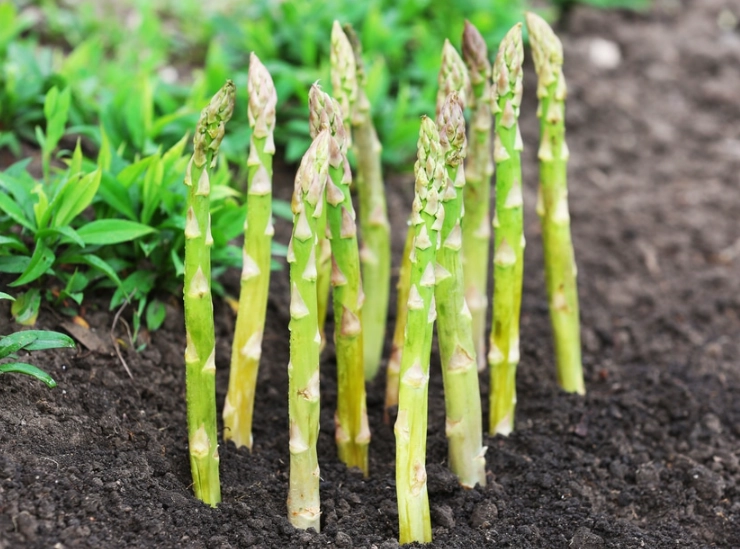
The Asparagus Plant: More Than Just Spears
Before you dig a single hole, you need to understand what you're dealing with. Asparagus officinalis isn't like your annual tomatoes. It's a hardy perennial. That means it lives for many years, dying back to its roots each winter and re-sprouting each spring. The part you eat is the young, emerging shoot—the spear. If you let it grow, it turns into a tall, feathery, fern-like plant that photosynthesizes and stores energy in the crown (the root system) for next year's crop.
This lifecycle is crucial. Harvest too much too soon, and you starve the crown. That's why the first few years are all about building a strong, deep root system. It's an investment.
Now, about varieties. Not all asparagus plants are created equal. The color—green, purple, or white—is mainly about how it's grown (white is deprived of sunlight). The real choice is in the cultivar's traits.
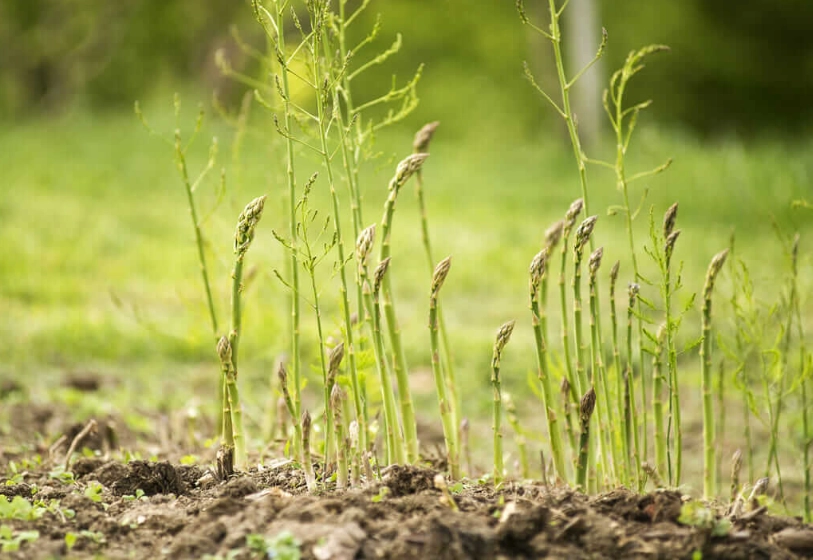
Here’s a quick comparison to help you choose your asparagus plant champion:
| Variety | Type | Key Characteristics | Best For |
|---|---|---|---|
| Jersey Knight | All-male hybrid | Extremely cold tolerant, excellent disease resistance, produces thick spears. | Cold climates, heavy or clay soils. |
| Jersey Giant | All-male hybrid | Early producer, very high yield potential, good tolerance to fusarium. | Gardeners wanting early harvests and maximum spears. |
| Purple Passion | Open-pollinated (male & female) | Stunning purple spears, sweeter and more tender when raw, turns green when cooked. | Unique color, gourmet interest, less fibrous. |
| Mary Washington | Open-pollinated (male & female) | The old reliable. Good rust resistance, widely adapted, time-tested. | Traditionalists, heirloom gardeners, or if newer hybrids aren't available. |
| UC 157 F1 | Hybrid (mostly male) | Bred for warm climates, performs well in California and similar zones, high yield. | Warm winter climates (Zones 8-10). |
Choosing the right one for your climate is your first real win. I made the mistake of planting a variety that hated my wet springs, and it just sulked.
Your Asparagus Planting Blueprint: Site, Soil, and Setting In
This is the most important step. Get this wrong, and you'll fight an uphill battle for years. Get it right, and maintenance becomes a breeze.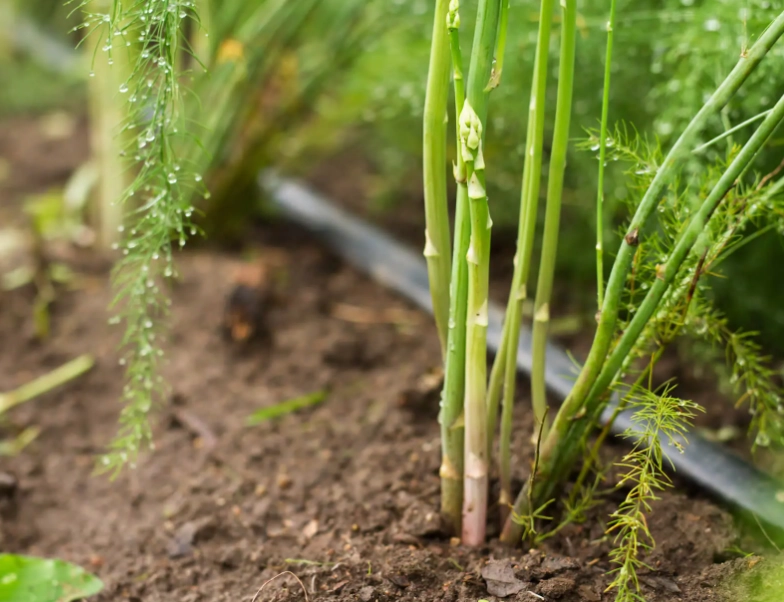
The Non-Negotiable: Sun and Soil
An asparagus plant is a sun worshipper. Full sun means at least 8 hours. Less, and the spears will be thin and spindly, and the bed will be weak and prone to disease. Don't even think about a shady corner.
Soil is where the magic (or misery) happens. Asparagus needs deep, well-drained, fertile soil. They hate wet feet. Soggy soil rots the crown. If you have heavy clay, you must amend it heavily with compost and coarse sand or consider building a raised bed. My successful bed is in a 12-inch tall raised mound because my native soil is pure clay.
pH matters more than for most veggies. They prefer a slightly sweet soil, with a pH between 6.5 and 7.5. A simple soil test from your local university extension office is worth its weight in gold. If your soil is acidic, you'll need to add lime according to the test results.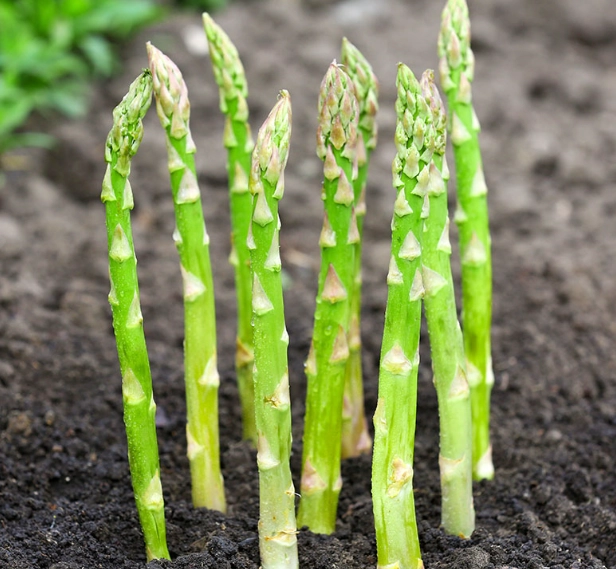
The Planting Process: Crowns vs. Seeds
You can start from seed, but it adds two full years to your wait. Most of us buy 1-year-old crowns (dormant roots). They look like a creepy octopus, but they're your head start.
- Timing: Plant in early spring, as soon as the soil is workable. This is usually a few weeks before your last frost date.
- The Trench Method: This is the classic, proven way. Dig a trench 12-18 inches wide and a solid 8-10 inches deep.
- Amend the Base: In the bottom of the trench, create a 2-inch mound of a rich compost/soil mix. Some folks add a balanced organic fertilizer or rock phosphate here for root development.
- Spacing is Key: Place the crowns on top of these little mounds, 12-18 inches apart within the row. Drape the roots down the sides like legs over a chair. If planting multiple rows, keep rows 3-4 feet apart.
- The Slow Fill: Cover the crowns initially with just 2-3 inches of soil. As the spears grow through the season, gradually fill in the trench with more soil. By the end of summer, the trench should be level with the soil surface. This gradual process protects the emerging shoots and encourages deep crown placement.
Water them in well after planting, and keep the soil consistently moist (not soggy) that first season as they establish.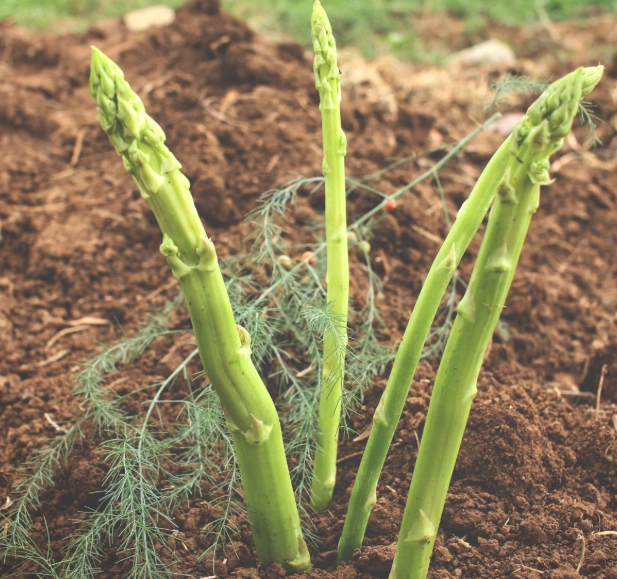
The Long Game: Asparagus Plant Care Through the Seasons
Once planted, the care shifts from active construction to strategic maintenance. The schedule changes dramatically from year one to year three and beyond.
Year 1 & 2: The Building Years (NO HARVESTING!)
I know it's hard. Those first wispy spears appear, and you want to snap them off. Don't. Let every single one grow into its full fern. This is the plant's only job for the first two full growing seasons: to build a massive, energy-storing crown.
Watering: Provide about 1-2 inches of water per week if rain is lacking. Deep, infrequent watering is better than frequent sprinkles. It encourages those roots to go down deep.
Weeding: Asparagus hates competition, especially from grasses. Hand-pull weeds carefully, as the roots are shallow. Mulching with 3-4 inches of straw, shredded leaves, or compost is a lifesaver. It suppresses weeds, retains moisture, and feeds the soil as it breaks down.
Feeding: In early spring of the second year, top-dress the bed with a generous layer of compost or a balanced organic fertilizer. They are heavy feeders once established.
Year 3+: The Harvest & Maintenance Cycle
Finally. In the third spring, you can start a light harvest.
The Harvest Rule: Harvest for 2-3 weeks only the first year you pick. Spears should be about the thickness of your index finger. Use a sharp knife or asparagus knife to cut them an inch or two below the soil surface, being careful not to damage neighboring crowns. After the harvest window closes, stop cutting and let the rest fern out.
Each subsequent year, you can extend the harvest period by a week or two, up to a maximum of 6-8 weeks. How do you know when to stop? When the spears start coming up noticeably thinner than a pencil. That's the plant saying its energy reserves are low—time to let it recharge.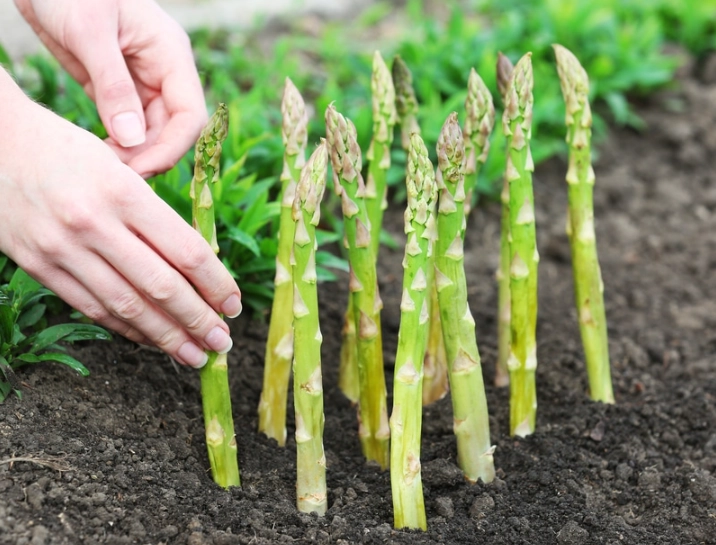
Post-Harvest Care: This is when the real work for next year happens. The ferns that grow after harvest are the factory. Keep them healthy, watered, and free of pests like asparagus beetles (hand-pick them or use spinosad if it's bad).
Fall Cleanup: Don't cut down the ferns in summer. Wait until they have turned completely yellow or brown after a hard frost. Then, cut them down to the ground and remove the debris from the garden. This helps break the life cycle of pests and diseases. The University of Minnesota Extension stresses this timing to avoid giving asparagus beetles a place to overwinter.
The Reward: Harvesting and Storing Your Asparagus
Fresh-picked asparagus is a different species from store-bought. It's sweeter, more tender, and snaps cleanly. Harvest in the cool of the morning.
To store, treat it like cut flowers. Stand the spears upright in a jar with an inch of water in the fridge, and loosely cover with a plastic bag. They'll keep crisp for nearly a week. You can also blanch and freeze them for months of enjoyment.
Troubleshooting Common Asparagus Plant Problems
Even with perfect care, things can go sideways. Here are the big ones.
Why are my spears so thin? The number one question. Causes: 1) Harvesting too long or too early in the plant's life. 2) Overcrowded bed (crowns competing). 3) Insufficient sunlight. 4) Poor soil fertility or drought stress during the previous fern-growing season.
Yellowing or wilting ferns (Asparagus Fern Turning Yellow): This is a major user pain point. In fall, it's normal. In summer, it's trouble.
- Early Summer: Likely Fusarium wilt or crown rot (a fungal disease). Prevent by planting resistant varieties (Jersey series) in well-drained soil. There's no cure; you must remove and destroy affected plants.
- Mid-Summer: Could be asparagus beetles defoliating the ferns. Check the undersides of leaves for rows of black eggs or the beetles themselves.
- General Yellowing: Could be a nitrogen deficiency. A side-dressing of compost or blood meal can help.
Rust (orange pustules on stems and ferns): Plant resistant varieties and ensure good air circulation.
No spears emerging in spring: If the crown was planted too shallow, it may have winter-killed. Or, rodent damage to the crowns over winter is surprisingly common.
Your Asparagus Questions, Answered
Final Thoughts: Is Growing Asparagus Worth It?
If you're looking for instant gratification, no. An asparagus plant will test your patience. But if you view your garden as a long-term partnership with the land, there's nothing quite like it.
The first spring you walk out and see those fat, purple-tinged spears pushing through the mulch? It feels like magic. It's the taste of perennial success, literally. You're eating from a plant you nurtured for years. That connection, and the sheer quality of the harvest, makes every day of waiting and weeding worth it.
Start small. Prepare a bed for 10-12 crowns. Do the trench right. Choose a Jersey Knight or Purple Passion. Mulch heavily. And then wait. In a few years, you'll have a spring ritual that defines the season, and an asparagus plant (or twelve) that feels like an old, generous friend.
Reader Comments