In This Guide
- Laying the Groundwork: What Your Butternut Squash Really Wants
- Choosing Your Champions: Seeds vs. Transplants & Picking Varieties
- The Planting Calendar: Timing is Everything
- The Main Event: Planting Your Butternut Squash Garden
- The Care and Feeding of a Productive Vine
- The Unfortunate Reality: Pests and Diseases
- Companion Planting: The Good and Bad Neighbors
- The Big Payoff: Harvesting and Storing Your Butternut Squash
- Frequently Asked Questions About Butternut Squash Gardens
Let's be honest. The idea of growing your own butternut squash is pretty appealing. You picture these beautiful, tan-colored gourds piled up in your autumn kitchen, ready to be turned into soup, roasted, or stuffed. But then you start thinking about it. The space they take up. The weird bugs that might show up. The question of whether you should start from seeds or just buy little plants from the garden center.
I've been there. My first butternut squash garden was a bit of a disaster. I planted them too close to my zucchini, didn't pay attention to the soil, and then got completely overwhelmed by squash bugs. I ended up with two, maybe three, small fruits for all that effort. Not great.
But over the years, through trial and a lot of error, I've figured it out. A thriving butternut squash garden isn't about having a green thumb. It's about knowing a few key things and avoiding some common pitfalls. This guide is everything I wish I'd known when I started. We'll walk through it all, step-by-step, in plain language.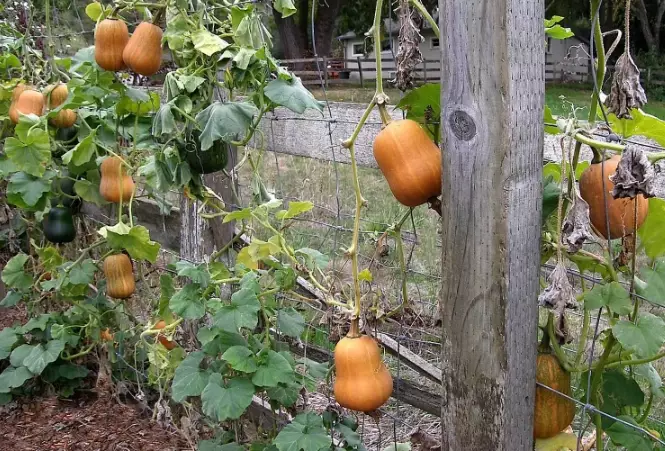
Laying the Groundwork: What Your Butternut Squash Really Wants
Think of this as the real estate phase. Location and foundation are everything. Get this wrong, and you're fighting an uphill battle all season.
Butternut squash plants are sun worshippers. They need a full, direct sun location. We're talking at least 6 to 8 hours of direct sunlight. More is better. If you put them in partial shade, the vines will get leggy as they stretch for light, and you'll get fewer, smaller fruits. I made that mistake once in a corner that got afternoon shade. The plants looked sad and produced almost nothing.
Now, about space. This is the big one. A single butternut squash plant is not a tidy little bush. It's a sprawling, vining beast. Each plant can easily send out vines that are 10 to 15 feet long. You need to plan for this. If you're tight on space, you can train them up a sturdy trellis or fence (more on that later), but they need room to breathe.
The Dirt on Soil (It's More Important Than You Think)
You can't just stick seeds in any old dirt and hope for the best. Butternut squash are heavy feeders. They crave rich, fertile, and well-draining soil.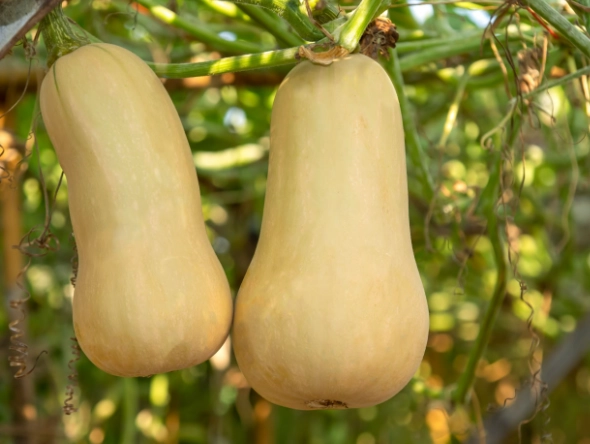
Soil pH matters too. They prefer a slightly acidic to neutral pH, between 6.0 and 6.8. A simple soil test kit from the garden center can tell you where you stand. If your soil is too acidic (low pH), you can add some garden lime. If it's too alkaline (high pH), some sulfur will help. The University of Minnesota Extension has a fantastic, detailed resource on how to test and amend your garden soil that's worth bookmarking.
Choosing Your Champions: Seeds vs. Transplants & Picking Varieties
This is a fun part. Do you start from seed or buy starts?
Starting from seed is cheaper and gives you way more variety options. Butternut squash seeds are easy to germinate if the soil is warm enough (more on timing next). You just need a sunny windowsill or a small grow light setup about 3-4 weeks before your last frost date.
Buying transplants from a nursery is easier and faster. Just make sure you get healthy, stocky plants, not ones that are already tall, leggy, and pot-bound. Check the underside of leaves for any signs of pests before you bring them home!
A Quick Look at Butternut Squash Varieties
"Butternut" is a type, but there are several named varieties with slight differences. Choosing the right one can make your butternut squash garden more successful.
| Variety Name | Key Features | Best For | Days to Maturity |
|---|---|---|---|
| Waltham Butternut | The classic, most common variety. Reliable producer, great flavor, good storage. | Beginners, reliable harvests. | 85-100 |
| Butterbaby | Small, personal-sized fruits (1-2 lbs). Bushier plant habit, takes less space. | Small gardens, containers, small families. | ~75 |
| Athena | Larger fruits, earlier maturity than Waltham. Known for high yields. | Gardeners with shorter seasons who want larger squash. | ~75 |
| Honeynut | Not a true butternut, but a mini, super-sweet hybrid. Vines are more compact. | Gourmet flavor, small spaces. (My personal favorite for taste!). |
Honestly, you can't go wrong with 'Waltham' for your first butternut squash garden. It's tried and true. I grew 'Honeynut' last year, and the flavor was incredible—much sweeter and richer—but the yield was a bit lower for me.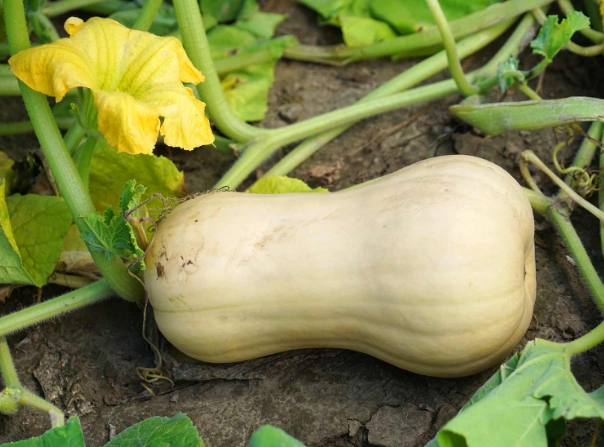
The Planting Calendar: Timing is Everything
This is a critical mistake people make. Butternut squash are warm-season crops. They hate cold soil and cold air. Planting too early will stunt them, or the seeds will just rot in the ground.
The rule of thumb: Plant after all danger of frost has passed and the soil has warmed up to at least 60°F (15°C). For most areas, this is 1-2 weeks after your last average spring frost date. You can find your local frost dates easily through resources like the USDA Plant Hardiness Zone Map and associated calculators.
If you're starting seeds indoors, count backwards 3-4 weeks from your planned outdoor planting date. Don't start them too early, or they'll become root-bound and stressed before they can go outside.
The Main Event: Planting Your Butternut Squash Garden
Okay, the soil is warm, the sun is shining, and you're ready to go. Here's the process.
If planting seeds directly:
- Create small mounds or hills of soil about 3 feet in diameter and 6 inches high. Space these mounds 4 to 5 feet apart. The mounds help with drainage and warm the soil faster.
- Plant 4-5 seeds per mound, about 1 inch deep.
- Once the seedlings have a couple of true leaves, thin them to the 2 or 3 strongest plants per mound. It feels wrong to pull healthy plants, but it's necessary for good air flow and growth.
If planting transplants:
- Gently remove the plant from its pot, teasing apart any roots that are circling.
- Dig a hole in your prepared soil or mound as deep as the root ball.
- Place the plant in, gently firm the soil around it, and water it in well. Try not to bury the stem deeper than it was in the pot.
Water deeply right after planting.
The Care and Feeding of a Productive Vine
Watering: Deep and Infrequent is the Mantra
Butternut squash plants have big leaves and big fruits, so they need a lot of water. But they hate having wet leaves, which can lead to fungal diseases.
The goal is to keep the soil consistently moist, like a wrung-out sponge, but not waterlogged. The best method is to water deeply at the base of the plant, avoiding the leaves as much as possible. Soaker hoses or drip irrigation are absolute game-changers for a butternut squash garden. They deliver water right to the roots where it's needed.
In the heat of summer, you might need to water 2-3 times a week. A good deep watering is much better than a daily sprinkle. That deep watering encourages the roots to grow down, making the plant more drought-resistant.
To Mulch or Not to Mulch? (Spoiler: Mulch!)
This is non-negotiable in my book. Apply a 2-3 inch layer of organic mulch (straw, shredded leaves, grass clippings) around your plants once the soil is warm.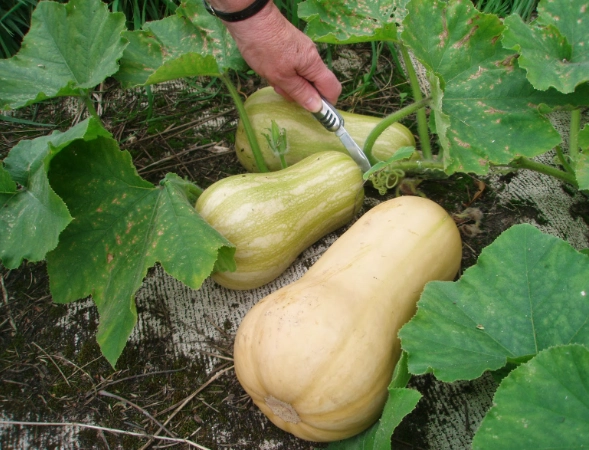
Why?
- It conserves soil moisture, so you water less.
- It suppresses weeds that would compete with your squash for nutrients.
- It keeps the developing fruits clean and off the bare soil, which can prevent rot.
- As it breaks down, it adds organic matter to your soil.
Feeding Your Plants for a Big Harvest
Remember, they're heavy feeders. Even with great initial soil, a mid-season boost helps. When the vines start to run and flowers appear, I side-dress the plants with a balanced organic fertilizer or a few more shovelfuls of compost scratched into the soil around the base. Some gardeners swear by giving them a fertilizer higher in phosphorus (the middle number on the bag) when flowering starts to encourage fruit set.
The Unfortunate Reality: Pests and Diseases
No one likes to talk about this, but if you grow squash, you will likely encounter pests. Being prepared is half the battle.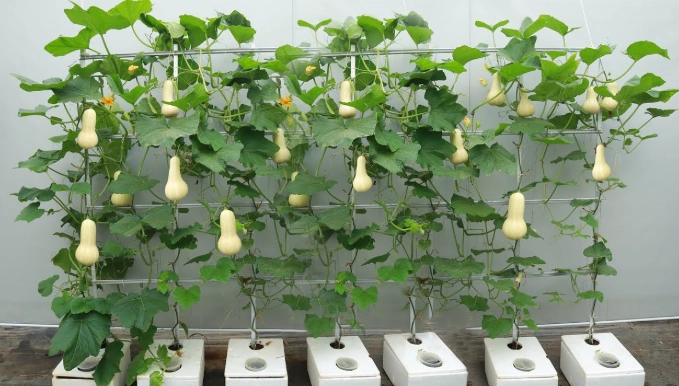
Squash Vine Borers: The arch-nemesis. These moths lay eggs at the base of the stem, and the larvae bore inside, killing the plant from within. Look for sawdust-like frass and sudden wilting. The best defense is prevention: wrapping the base stems with aluminum foil or using floating row covers early in the season (removing them for pollination). If you see the frass, you can sometimes slit the stem, remove the borer, and bury the wounded section in soil. It's surgery, but it can work.
Squash Bugs: They suck the sap from leaves, causing them to wilt and turn black. They lay clusters of bronze-colored eggs on the undersides of leaves. Check your leaves regularly. Crush eggs and hand-pick adults (drop them into soapy water). Neem oil can help with nymphs. Keeping the garden clean of debris at season's end helps reduce their overwintering spots.
Powdery Mildew: A white, powdery fungus on leaves, usually later in the season. It's ugly and can weaken the plant. Good air circulation (proper spacing) is key. Some varieties have resistance. If it appears, a spray of milk diluted in water (1 part milk to 9 parts water) or a baking soda solution can help suppress it. The key is to treat it early.
The best pest control is a healthy plant. Stressed plants attract more trouble.
Companion Planting: The Good and Bad Neighbors
This is like setting up good roommates for your butternut squash garden. Some plants help each other out; others compete or attract more pests.
Great Companions:
- Corn: Can provide a natural trellis for the vines.
- Beans: Fix nitrogen in the soil, which squash loves.
- Nasturtiums, Marigolds, Radishes: These are said to repel pests like squash bugs and beetles. I always interplant marigolds. Do they work 100%? No. But I swear I see fewer bugs where they are.
- Herbs like Dill and Borage: Attract beneficial insects that prey on pests.
Avoid Planting Near:
- Potatoes: They compete heavily for nutrients.
- Other squash, pumpkins, cucumbers: They are all in the same family and can cross-pollinate (won't affect this year's fruit, but will affect saved seeds) and, more importantly, they attract the same pests, creating a target-rich environment.
The Big Payoff: Harvesting and Storing Your Butternut Squash
This is the best part. How do you know when they're ready?
- The skin becomes very hard and a deep, uniform tan color. You should not be able to pierce it with your thumbnail.
- The stem connecting the squash to the vine starts to dry out, turn brown, and become woody.
- The plant's leaves are often dying back.
Use a sharp pair of pruners or a knife to cut the stem, leaving about 2-3 inches attached to the squash. Don't try to twist or pull it off, as you can damage the stem, which becomes an entry point for rot.
Curing is a crucial step for storage. After harvesting, place your squash in a warm, dry, well-ventilated spot (like a garage or covered porch) out of direct sun for about 10-14 days. This process toughens the skin further and heals any small wounds, preparing them for long-term storage.
After curing, store them in a cool (50-55°F), dry, dark place. Don't let them touch each other if possible. A basement shelf or a cool closet is perfect. Properly cured and stored butternut squash from your garden can last 3 to 6 months, sometimes longer.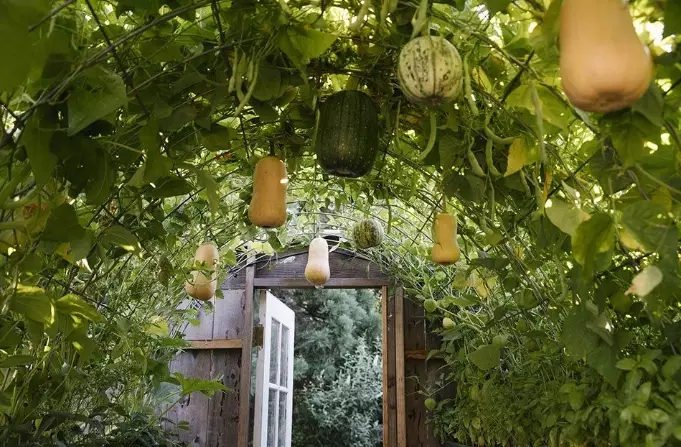
Frequently Asked Questions About Butternut Squash Gardens
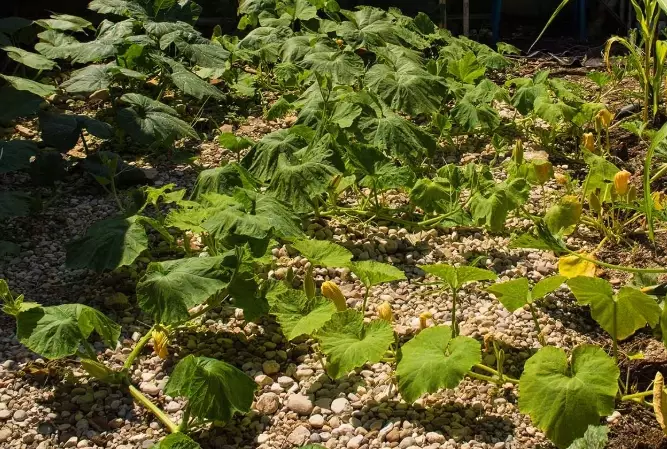
Starting a butternut squash garden is a commitment of space and time, but the reward is immense. There's nothing quite like the sight of those robust vines in mid-summer or the weight of a homegrown squash in your hand in the fall. It connects you to your food in a real way. You'll learn the rhythm of the plant, from the first fuzzy leaves to the final cured fruit on the shelf.
It might not be perfect every year. Some years the bugs are worse, or the weather is weird. But when you get it right, you'll have more delicious, organic squash than you know what to do with. And you'll have the satisfaction of knowing you grew it yourself, from a tiny seed to a hearty meal.
So, pick a sunny spot, get that soil rich, and give it a go. Your future self, enjoying soup on a cold winter day, will thank you.
Reader Comments