Quick Guide
- Why on Earth Would You Eat a Flower?
- The Nasturtium Buffet: What Part to Eat and How It Tastes
- Safety First: The Non-Negotiables Before You Bite
- From Your Garden to Your Plate: A Practical Guide
- Beyond the Salad: Recipes & Ideas You'll Actually Use
- Answering Your Nasturtium Questions (The Stuff You're Secretly Googling)
- The Final Verdict: Is Eating Nasturtium Worth It?
Let's be honest. You probably saw a picture on social media, a gorgeous salad dotted with bright orange and yellow flowers, and thought, "Wait, you can eat those?" Or maybe you're an adventurous gardener tired of just looking at your plants. Whatever brought you here, the question is the same: is it actually a good idea to eat nasturtium, and how do you do it without regretting it?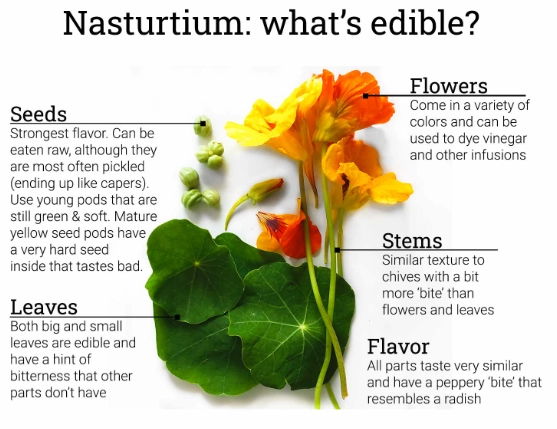
I've been growing and eating nasturtiums for years now. The first time I plucked a leaf and took a bite, I was not prepared for that peppery punch. It's like arugula decided to join a spice club. But that's the fun part. Every part of this plant, from the round lily-pad-like leaves to the stunning trumpet-shaped flowers and even the weird green seeds, is edible. That's right, the entire plant. It's one of the most generous and low-maintenance edible plants you can have in your garden or even in a pot on your balcony.
But before you go munching on the first nasturtium you see, there are some things you really need to know. Not all plants are created equal, and safety is boring until it's not. This guide isn't just a list of recipes. It's the chat I wish I'd had with a seasoned gardener before I started. We'll cover the taste, the how-to, the safety must-dos, and yes, plenty of ideas for what to actually do with them in your kitchen. Let's dig in.
Why on Earth Would You Eat a Flower?
It's a fair question. Beyond the obvious "because it's pretty" factor, nasturtiums bring something unique to the table. Literally. They're not just a garnish you push to the side of your plate. They have a distinct, spicy flavor that comes from compounds similar to those in mustard and horseradish. This makes them a fantastic way to add a kick to otherwise mild dishes.
Nutritionally, they're a decent little package too. The leaves and flowers are a good source of vitamin C. Historically, they were even used to help prevent scurvy. They also contain compounds like lutein and various antioxidants. The University of Maryland Medical Center notes that lutein is important for eye health. While you shouldn't treat nasturtiums like a multivitamin, it's nice to know your pretty, peppery snack is doing you some good.
But the main reason I keep coming back to them is the sheer versatility. They bridge the gap between the garden and the kitchen in the most direct way possible. No complicated processing, just pick and use.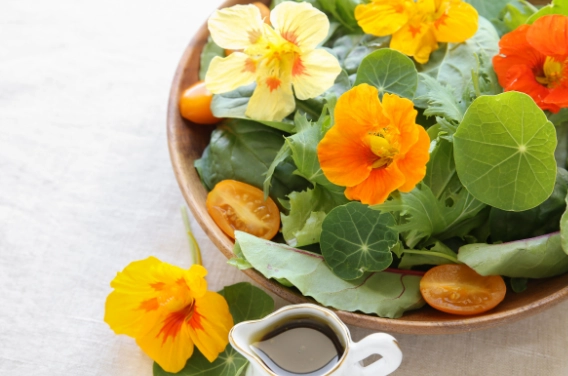
The Nasturtium Buffet: What Part to Eat and How It Tastes
Think of the nasturtium plant as a three-course meal waiting to happen. Each part has its own character.
The Leaves: Your Spicy Salad Base
The leaves are the workhorse. They're the most abundant part of the plant and have that signature peppery zing. The flavor is often compared to watercress or a very strong arugula. They're tender when young but can get a bit tough and overwhelmingly spicy as they mature. I find the medium-sized leaves are the sweet spot.
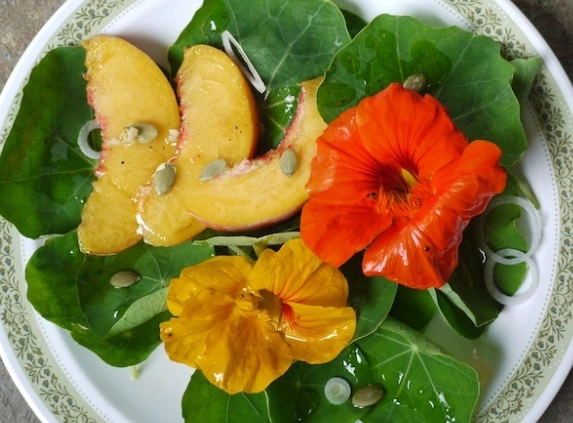
My absolute favorite way to use them is in a salad. A classic salade landaise from France uses them as the primary green. But you don't need to be fancy. Just tear a few leaves into a bowl of mixed greens. They completely eliminate the need for black pepper. I also love them chopped and stirred into soft cheese for a sandwich spread, or used as a bed for grilled fish or chicken. The heat holds up surprisingly well.
A word of caution: if you have a sensitive stomach, go easy at first.
The Flowers: The Showstoppers
This is why most people want to eat nasturtium. The flowers are stunning. They range from creamy yellow to deep orange and blood red. Visually, they transform any dish. Taste-wise, they are milder than the leaves but still carry that pleasant peppery note, with a slight sweetness at the base of the flower where the nectar is.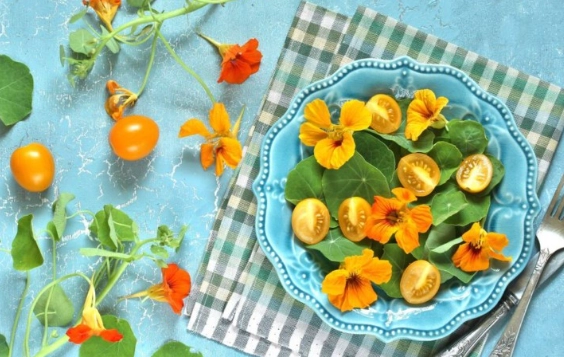
You can eat the whole flower. Just give it a gentle shake to evict any tiny bugs (this is organic gardening, after all) and a light rinse. Pat them dry carefully—they're fragile. Then, the world is your oyster. Float them in soups, use them to top cupcakes (they pair wonderfully with citrus flavors), or freeze them in ice cubes for summer drinks. My personal favorite is a simple appetizer: a dollop of goat cheese on a cracker, topped with a single nasturtium flower. It looks professional and tastes incredible.
The color can even bleed a little, creating beautiful effects. A yellow flower stuffed with a herbed cheese mixture looks sunny and bright.
The Seeds: The "Poor Man's Capers"
This is the hidden gem, the part most guides gloss over. If you let the flowers fade and fall, you'll see a three-sectioned green seed pod form. Pick these while they're still green and tender. These are what you can pickle to make a fantastic substitute for capers.
The process is simple. Rinse the green seeds, pack them into a small jar with some peppercorns and a bay leaf, and cover with boiling vinegar (I use white wine vinegar). Seal it up, let it cool, and refrigerate. In about a week, you'll have tangy, peppery little flavor bombs. They're not identical to capers—they're fruitier and spicier—but they're delicious on their own merit. Toss them in pasta salads, sprinkle over smoked salmon, or add to a tartar sauce.
Let me tell you, the first time I tried this, I was skeptical. But now, I actively let some of my flowers go to seed just for this purpose. It feels like a secret kitchen hack.
Safety First: The Non-Negotiables Before You Bite
This is the most critical section. Getting sick from a flower you grew yourself is the ultimate irony, and it's completely avoidable.
Grow your own from seed. It's easy and the only way to be 100% sure. Seeds are cheap, and nasturtiums are famously beginner-friendly. If you must buy plants, ask the nursery directly if they are safe for culinary use. If they hesitate or say no, walk away.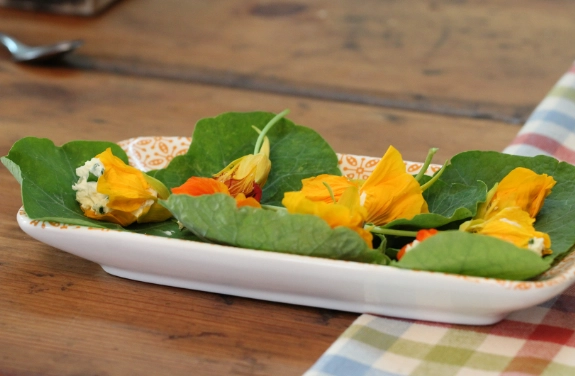
Rule #2: Proper Identification. Make sure you're actually picking nasturtiums (Tropaeolum majus). The round leaves, distinctive funnel-shaped flowers with a spur at the back, and climbing or trailing habit are good markers. When in doubt, don't eat it. A great resource for safe foraging and plant identification is your local Cooperative Extension Service website. They provide science-based, region-specific information.
Rule #3: Wash everything. Even from your own garden. A gentle rinse under cool water is enough to remove dust and the occasional tiny insect. Dry leaves and flowers carefully with a salad spinner or paper towels.
Rule #4: Start small. As with any new food, try a little piece first to see how your body reacts. Some people with specific conditions (like kidney stones) may need to be cautious with certain plants. If you have health concerns, talk to your doctor. The Canadian Food Inspection Agency provides general food safety guidelines that are useful for understanding risks with any new food.
I made the mistake of not washing thoroughly once. Let's just say a tiny extra bit of "protein" in my salad was an unpleasant surprise. Now, I'm a washing fanatic.
From Your Garden to Your Plate: A Practical Guide
Okay, you've grown or sourced safe nasturtiums, and you've washed them. Now what? Here’s a breakdown of how to handle each part.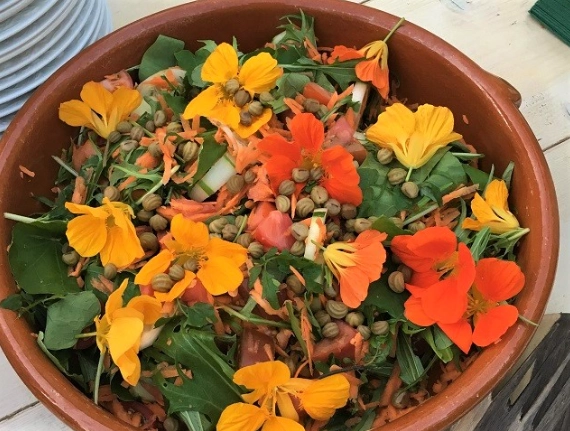
| Plant Part | Best Time to Harvest | How to Prepare | Simple Ideas to Use Them |
|---|---|---|---|
| Leaves | Morning, after dew dries. Pick young to medium-sized leaves. | Rinse, pat dry. Tear if large. | Salads, sandwiches, pesto, blended into green sauces, under grilled meats/fish. |
| Flowers | Midday when fully open. Just before use. | Gently rinse, shake dry, use whole or separate petals. | Salad toppers, soup garnish, stuffed with cheese, candied, frozen in ice. |
| Green Seeds | When plump, green, and easy to snap off. | Rinse, pickle in hot vinegar brine. | Use like capers: pasta, dressings, potato salad, with fish. |
| Flower Buds | When still closed and tight. | Rinse, can be quick-pickled or used raw. | Pickled as a caper substitute, added to stir-fries for crunch. |
Harvesting is best done in the morning after any dew has evaporated but before the afternoon sun wilts them. Have a basket or container ready. For flowers, you want them just opened and vibrant. They're perishable, so plan to use them the same day for the best texture and appearance.
Storing them is tricky. Leaves can be wrapped in a damp paper towel and kept in a bag in the fridge for a day or two. Flowers are best stored loosely in a single layer on a paper towel in the fridge and used within hours. Honestly, they're at their peak right off the plant. The whole point of deciding to eat nasturtium is that immediacy.
Beyond the Salad: Recipes & Ideas You'll Actually Use
Let's move past theory. Here are some concrete ways I use nasturtiums in my kitchen. These aren't fussy restaurant recipes; they're home cook solutions.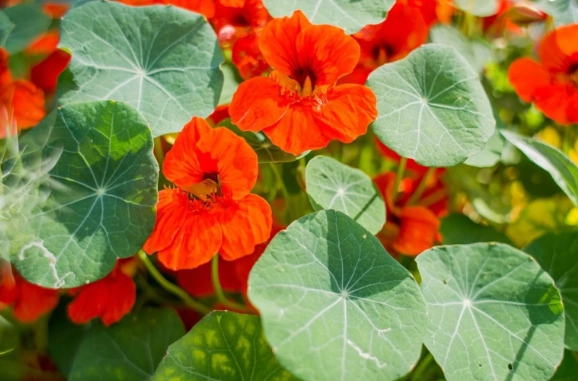
Nasturtium Leaf Pesto
This is a game-changer. Replace half the basil in your standard pesto recipe with nasturtium leaves. The pepperiness cuts through the richness of the pine nuts and Parmesan beautifully. It's incredible on pasta, slathered on grilled chicken, or as a dip. The color is a vibrant, deeper green.
Compound Butter
Soften unsalted butter. Finely chop a handful of nasturtium leaves and petals. Mix with the butter, a pinch of salt, and maybe a little lemon zest. Roll into a log in parchment paper and chill. Slice off rounds to melt over steak, fish, or steamed vegetables. It looks fancy and adds a burst of flavor.
The Ultimate Summer Appetizer Platter
Arrange a block of good feta or a bowl of ricotta on a board. Scatter a handful of whole nasturtium flowers and leaves around it. Drizzle everything with olive oil and honey. Add some crusty bread. The combination of creamy cheese, spicy leaves, sweet honey, and floral notes from the petals is unreal. It takes 3 minutes to assemble and impresses everyone.
Vinegar Infusion
Fill a clean bottle with mild white wine vinegar or champagne vinegar. Stuff it with clean, dry nasturtium flowers. Seal it and let it sit in a cool, dark place for about two weeks. The vinegar will take on a beautiful pink-orange hue and a subtle peppery flavor. Use it in salad dressings where you want a floral kick.
Don't overthink it. Often, the simplest uses are the best.
Answering Your Nasturtium Questions (The Stuff You're Secretly Googling)
The Final Verdict: Is Eating Nasturtium Worth It?
Absolutely, but with smart caveats. If you have access to a safe, chemical-free source (preferably your own garden), then exploring how to eat nasturtium is one of the most rewarding ways to connect with your food. It adds a dimension of beauty, flavor, and fun that few other plants offer.
Start with a flower petal on your salad. Try a leaf. If you like that peppery zing, branch out. Make the pesto. Pickle some seeds. It turns gardening from a visual hobby into a full-sensory experience.
The key is to respect the plant and the process. Grow it clean, wash it well, identify it correctly, and start small. Do that, and you open up a whole new category of ingredients.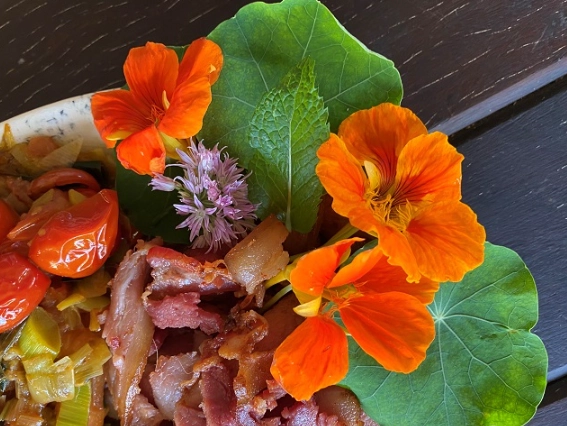
My final piece of advice? Don't save them for a "special" dish. Toss a few flowers on your Tuesday night pasta. Mix leaves into your lunch sandwich. The everyday use is where they truly shine. It makes an ordinary meal feel a little extraordinary, and honestly, we could all use more of that.
Now, go see what's blooming in your garden.
Reader Comments