You see those perfect, peanut-shaped butternut squash at the farmers' market and think, "I could grow that." So you buy a packet of seeds, stick them in some dirt, and wait. A few months later, you have a sprawling vine with maybe one or two small fruits, or worse, a plant that gave up halfway through the summer. I've been there. After a decade of trial and error (mostly error in the beginning), I've learned that success with growing butternut squash isn't about having a green thumb—it's about understanding what the plant really wants, which is often the opposite of what most beginner guides tell you.
The secret? It's all in the setup. Get the soil, timing, and spacing right from the start, and the plant almost grows itself. Get it wrong, and you'll be battling nature all season.
What’s Inside This Growing Guide
The Foundation: Soil, Sun, and Perfect Timing
Let's start with the most common mistake: planting too early. Butternut squash are warm-weather crops. They hate cold soil. If you plant seeds when the soil temperature is below 60°F (15°C), they will either rot or refuse to germinate.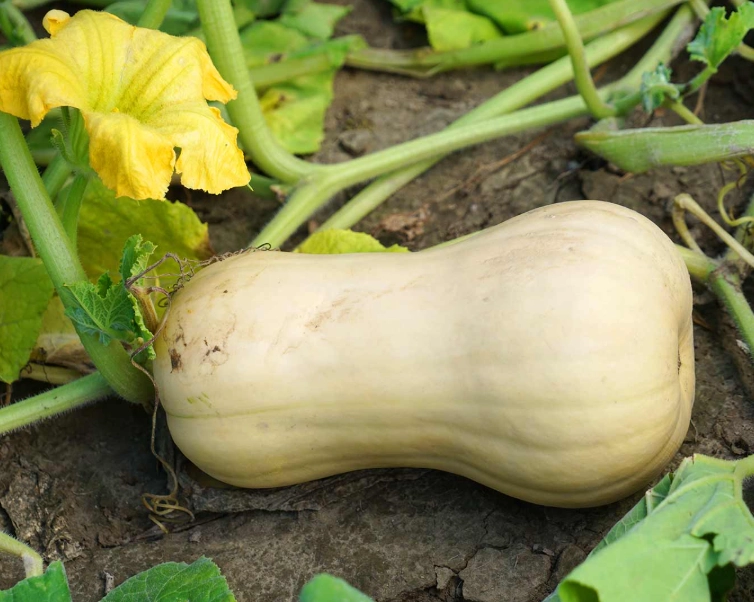
So, when is the right time? Wait until after the last frost date in your area. A good rule of thumb is to plant when the soil has warmed up consistently, usually a week or two after the last frost. You can check your local frost dates using resources like the USDA Plant Hardiness Zone Map.
Pro Tip: Use a soil thermometer. It's a small investment that takes the guesswork out. Aim for a soil temperature of at least 70°F (21°C) for ideal germination.
Now, let's talk sun and soil.
- Sun: Butternut squash are sun worshippers. They need a minimum of 6-8 hours of direct, full sun per day. More is better. Don't try to grow them in a partly shaded spot; you'll get lots of leaves and very few fruits.
- Soil: The soil should be rich, well-draining, and loose. Squash roots need to spread easily. Heavy, clay-like soil will stunt them.
How do you get that perfect soil? Work in plenty of compost or well-rotted manure a few weeks before planting. This improves drainage, adds nutrients, and creates a fluffy texture. Aim for a soil pH between 6.0 and 6.8.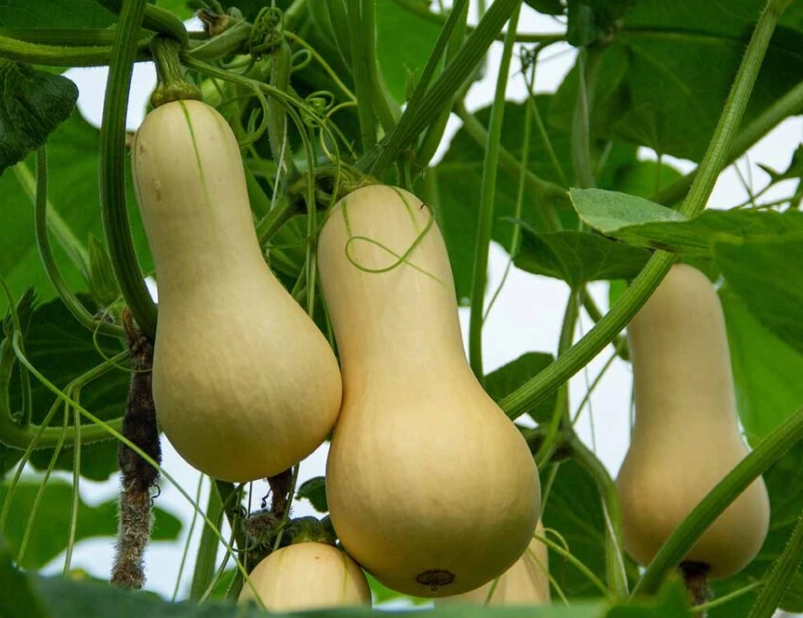
How to Plant Butternut Squash Seeds for Success
You can start seeds indoors 3-4 weeks before your last frost date, but I generally recommend direct sowing. Transplanting can shock the sensitive roots. If you do start indoors, use biodegradable pots that you can plant directly into the ground.
Direct Sowing Step-by-Step
- Prepare the Hill: Don't just poke a hole. Create a "hill"—a raised mound of soil about 4-6 inches high and 2-3 feet wide. This improves drainage and warms the soil faster. Space hills 4-6 feet apart. This spacing is non-negotiable for good air circulation.
- Plant the Seeds: Plant 4-5 seeds per hill, about 1 inch deep. Cover gently with soil.
- Water Gently: Water the hill well after planting, but don't flood it. Keep the soil moist but not soggy until germination.
- Thin the Seedlings: Once the seedlings are a few inches tall and have their first true leaves, thin them to the 2-3 strongest plants per hill. Snip the extras at soil level; don't pull them to avoid disturbing the keepers' roots.
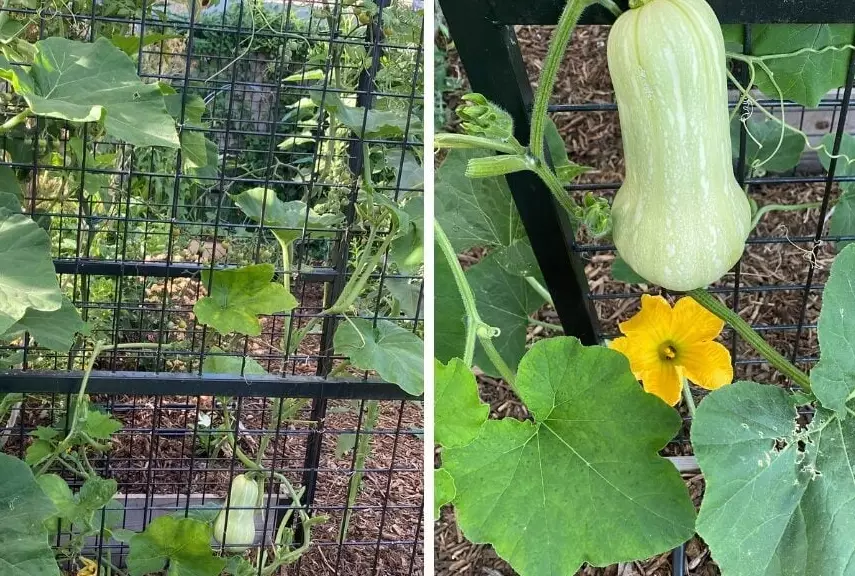
Avoid This Mistake: Many gardeners plant in rows like beans. Butternut squash vines sprawl enormously. Planting in hills with wide spacing gives the vines room to run without becoming a tangled, diseased mess.
Ongoing Care: Watering, Feeding, and Weeding
Once your plants are up, consistent care is key. Here’s what they need:
Watering: This is where people get it wrong. Butternut squash need deep, consistent moisture, especially when flowers and fruits are forming. However, they hate wet leaves. Water at the base of the plant, not from overhead. Aim for 1-2 inches of water per week. A soaker hose or drip irrigation is ideal. Inconsistent watering leads to blossom end rot.
Feeding: They are heavy feeders. I side-dress my plants with compost or a balanced organic fertilizer when vines start to run (about 3-4 weeks after planting). Avoid high-nitrogen fertilizers later in the season, as they promote leaf growth over fruit production.
Weeding & Mulching: Keep the area around young plants weed-free. Once the vines spread, they'll shade out most weeds. The single best thing you can do is mulch heavily. Apply a 3-4 inch layer of straw, shredded leaves, or grass clippings around the plants. Mulch conserves water, suppresses weeds, and keeps the developing fruits clean and off the damp soil.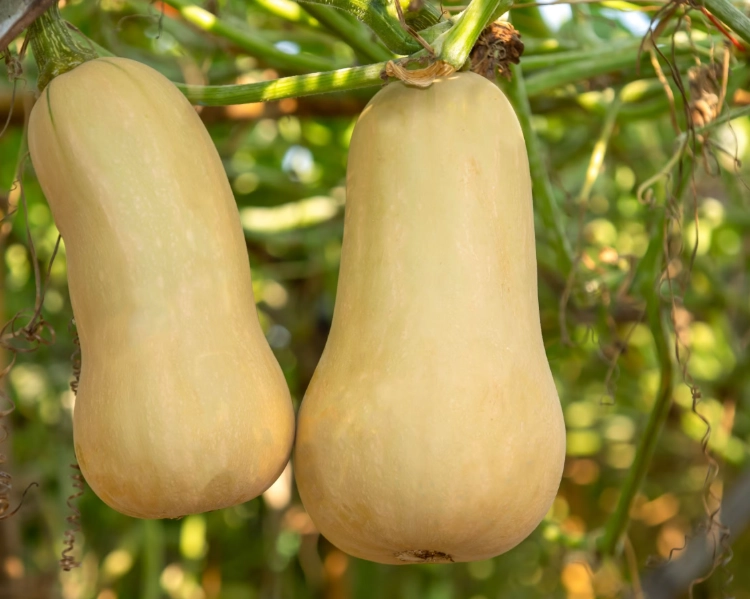
What Are Common Butternut Squash Pests and Diseases?
Every gardener faces these. Being proactive is better than reactive.
| Problem | Signs | Organic Solution |
|---|---|---|
| Squash Bugs | Bronze-colored eggs on leaf undersides, wilting leaves. | Check for eggs daily and scrape them off. Hand-pick adults in the early morning. Place boards near plants; bugs hide underneath at night for easy disposal. |
| Squash Vine Borers | Sudden wilting of a vine, sawdust-like frass at the base. | Wrap the base of stems with aluminum foil at planting time to prevent egg-laying. If borer is inside, carefully slit the vine, remove it, and bury the wounded section in soil. |
| Powdery Mildew | White, powdery spots on leaves, usually later in season. | Prevent with good air circulation (proper spacing!). Spray a mixture of 1 part milk to 9 parts water or use a potassium bicarbonate spray. Remove severely infected leaves. |
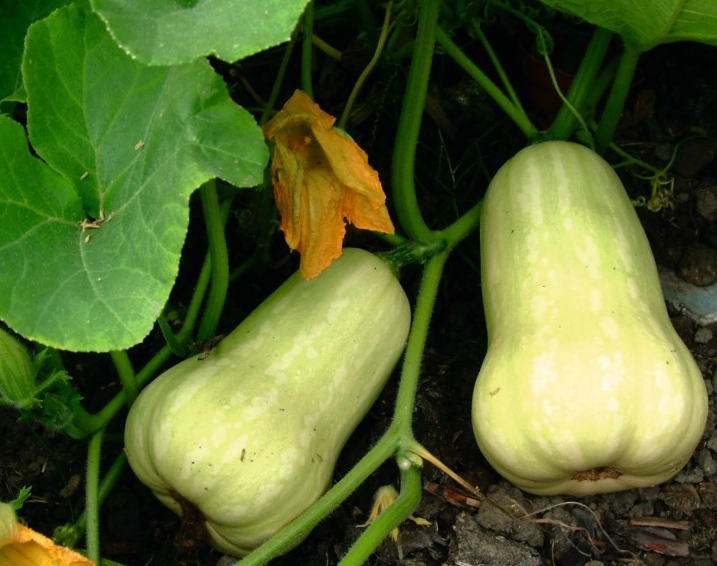
| Blossom End Rot | Dark, sunken spot on the blossom end of the young fruit. | Caused by calcium deficiency due to inconsistent watering. Ensure even soil moisture with mulch and regular deep watering. |
Harvest and Storage: Knowing When It's Ready
Patience pays off. Don't harvest too early. A ripe butternut squash has two key features:
- A hard, deep tan rind. The skin should be dull, not shiny, and you shouldn't be able to pierce it with your thumbnail.
- A dry, corky stem. The stem connecting the squash to the vine will turn brown, hard, and look shriveled.
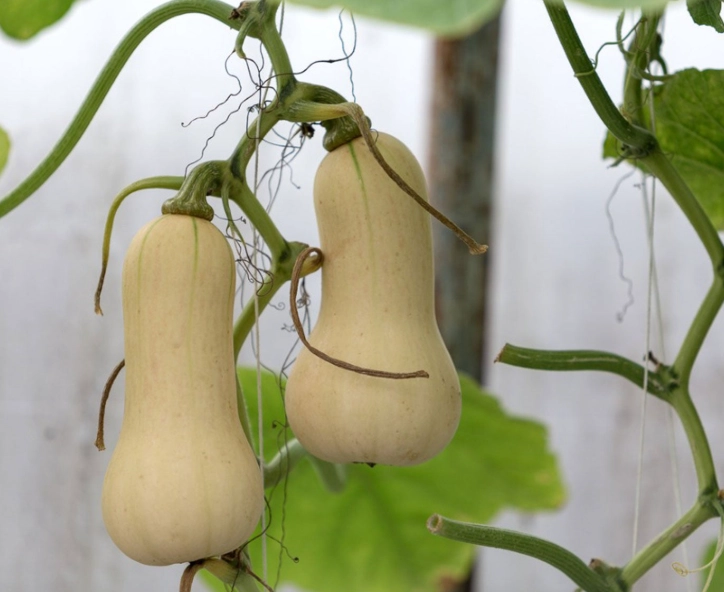
Use pruning shears or a sharp knife to cut the fruit from the vine, leaving 2-3 inches of stem attached. Don't carry it by the stem—if it breaks off, it creates an entry point for rot.
Curing and Storage: For the longest storage, "cure" your squash. Leave them in a sunny, dry, warm spot (about 80°F/27°C) for 10-14 days. This hardens the skin further. Then, store them in a cool (50-55°F/10-13°C), dry, dark place with good air circulation. Don't pile them on top of each other. Properly cured butternut squash can last 3-6 months or more.
Your Butternut Squash Questions Answered
How often should I water my butternut squash plants?
Can I grow butternut squash in a small garden or container?
Why are my young butternut squash fruits rotting at the end?
When is the exact right time to harvest butternut squash?
Reader Comments