Quick Navigation
- Why Apple Choice Matters More Than You Think
- The Gold Standard: What Makes a Great Baking Apple?
- The Top Contenders: A Breakdown of the Best Baking Apples
- The Ultimate Apple Pie Apple Comparison Table
- The Pro Strategy: Why Blending Apples is the Real Secret
- Apples to Use with Caution (Or Avoid Altogether)
- Practical Tips: From Market to Oven
- Answering Your Apple Pie Questions (FAQs)
Let's be real. You can follow a pie crust recipe to the letter, nail the lattice top, and get the baking time perfect, but if you start with the wrong apples, your pie is fighting a losing battle. It's the single most important ingredient choice you'll make. So when you ask, "what are the best apples for apple pie?" you're asking the right question. It's not just about grabbing any bag from the supermarket.
I learned this the hard way. My first from-scratch pie years ago used the only apples I had on hand – Red Delicious. The result? A beautiful, golden-brown crust filled with a bland, mushy, slightly sweet paste. It was pretty but disappointing. That experience sent me down a rabbit hole of apple varieties, baking science, and countless pie trials (a delicious form of research, I must say).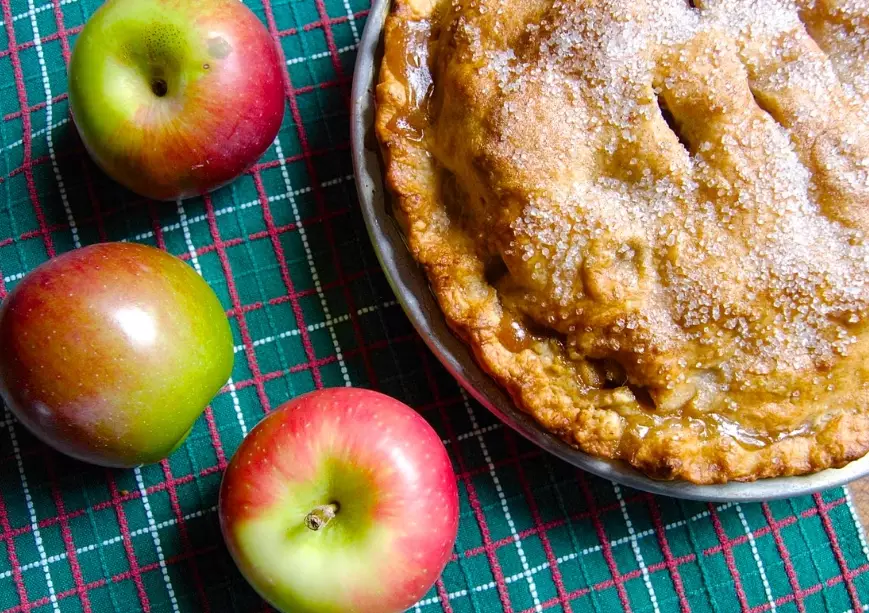
The goal isn't just a pie that holds together. It's a pie with character.
We're talking about a filling that has a defined bite, a complex flavor that dances between tart and sweet, and juices that thicken into a glossy syrup, not a watery soup. The right apple should hold its shape, contribute its own unique note, and play well with sugar and spices. It's a tall order for a humble fruit.
Why Apple Choice Matters More Than You Think
Not all apples are created equal, especially when heat is involved. The differences come down to two main factors: flavor profile (sweet vs. tart) and textural integrity (how well they hold up when baked).
Apple flesh is made up of cells held together by pectin. Some varieties have firm, densely packed cells with lots of pectin – these are your "keepers." Others have more delicate, open cells that break down easily into sauce. That's great for applesauce, terrible for a pie where you want distinct slices. The starch content is another biggie. Starch converts to sugar and helps thicken the juices. A high-starch, firm apple is often a baker's best friend.
Common Mistake Alert: Using only one type of apple, especially a very soft one like McIntosh. You might get great flavor, but the texture turns to mush. On the flip side, using only a very hard, tart apple can make the pie too sharp for some palates.
So, what are you looking for? The ideal apple pie apples strike a balance. They need enough acidity to cut through the butter and sugar, enough sweetness to be pleasant, and a firm enough flesh to survive an hour in the oven without dissolving. It's a balancing act.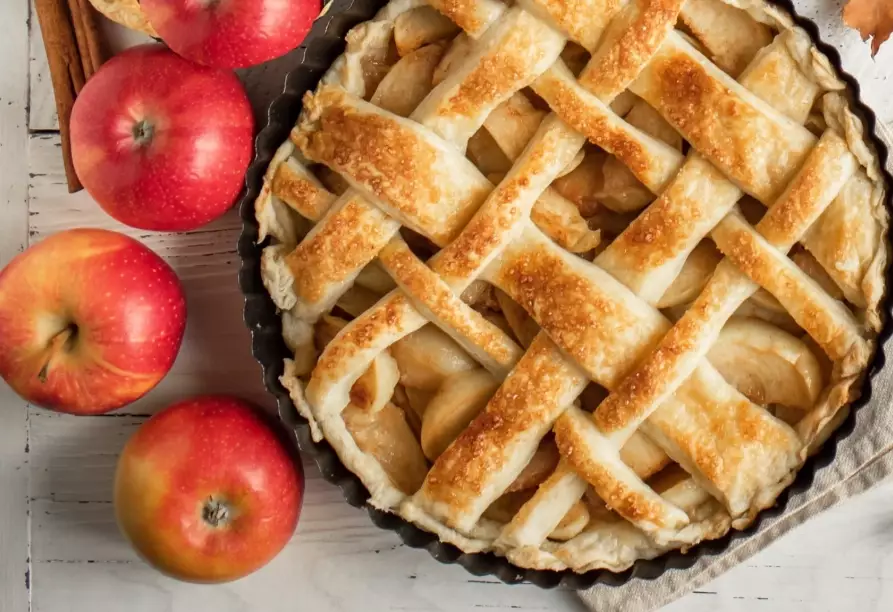
The Gold Standard: What Makes a Great Baking Apple?
Before we list names, let's define the criteria. When I'm at the market or orchard, I'm mentally scoring apples against this checklist:
- Firm-to-Crisp Texture: The apple should have a solid, snappy bite when raw. If you can easily squish it with your thumb, it's likely a saucer.
- Balanced Flavor: Neither cloyingly sweet nor mouth-puckeringly sour. A good backbone of acidity is non-negotiable.
- High Pectin & Starch: This is the insider knowledge. Pectin helps the filling set, and starch thickens the natural juices. It's the secret to avoiding a soggy bottom crust and a runny slice.
- Holds Shape: After baking, you should still be able to identify tender, distinct pieces of apple, not a homogeneous puree.
If an apple ticks most of these boxes, it's a contender for the title of best apples for apple pie.
The Top Contenders: A Breakdown of the Best Baking Apples
Here’s where we get into the specifics. I've categorized them to help you understand their roles. Think of building your pie filling like building a band – you need a lead vocalist, some solid backing musicians, and maybe a little surprise element.
The Classic Workhorses (The Reliable Foundation)
These are the varieties you can almost always find and they rarely let you down. They're the backbone of many a great pie.
- Granny Smith: The tart, green icon. This is probably the first apple everyone recommends for pie, and for good reason. Its intense acidity and rock-solid firmness make it a perfect counterbalance to sugar. It holds its shape impeccably. Some find it too sharp on its own, which is why it's often mixed. Personally, I love its punch.
- Braeburn: A fantastic all-rounder. It offers a harmonious sweet-tart balance and a spicy, almost honeyed aroma. Its flesh is firm and crisp, baking into tender yet defined slices. It's less acidic than Granny Smith but has more complexity than many sweet apples. A true MVP.
- Jonathan: A bit harder to find depending on region, but a treasure. Tart, spicy, and juicy with a tender-but-not-soft texture. It cooks down just enough to help bind the filling without disappearing.
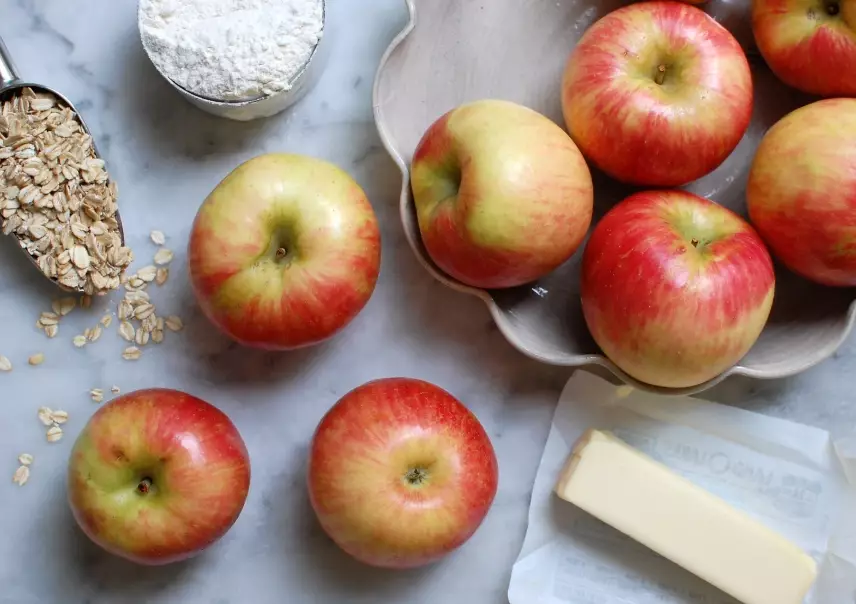
The Sweet & Aromatic Stars
These apples bring deep, rich sweetness and complex flavors that can elevate a pie from good to unforgettable.
- Honeycrisp: Wildly popular for eating, and for good reason in pies too. It's incredibly juicy and has a dynamic, honey-sweet flavor with a subtle tart finish. Its texture is explosively crisp but can vary in how well it holds up. I find it keeps a pleasant texture if not overcooked. The high sugar content means you can often reduce added sugar in your recipe.
- Fuji: Very sweet, very firm, and very reliable. Fuji apples are slow to brown and hold their shape extremely well. They lack the acidity of a Granny Smith, so they absolutely need to be paired with a tarter apple to keep the flavor from being one-dimensional. They're a great "filler" that adds bulk and sweetness.
- Golden Delicious: Don't confuse it with Red Delicious! This yellow apple is a completely different beast. Mild, sweet, and buttery, it softens nicely when baked, helping to create a saucier, more cohesive filling. It's rarely used alone but is a brilliant component in a blend.
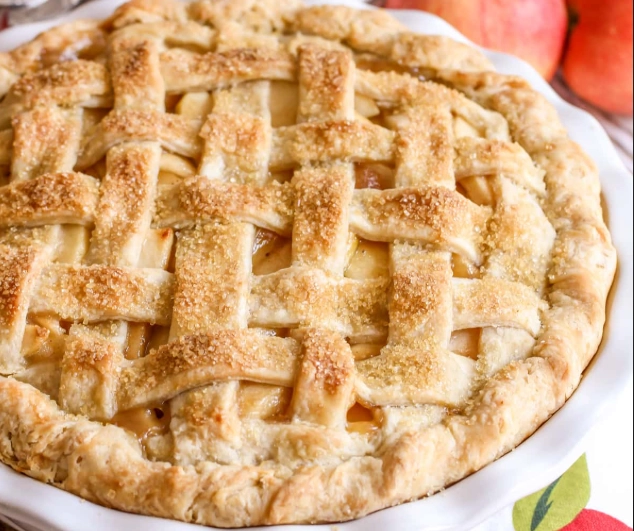
The Regional & Heirloom Gems
If you have access to a farmer's market or a good orchard, seek these out. They are the answer to "what are the best apples for apple pie" for many baking purists.
- Northern Spy: The holy grail for many pie bakers. It has it all: firm texture, perfect sweet-tart balance, and a complex flavor that shines when baked. It's a late-season apple, often available into winter.
- Rome Beauty: Nicknamed "the baker's apple." Its skin turns a deep red when baked and its flesh becomes tender and almost creamy while holding its form. It's not the most flavorful eaten raw, but heat transforms it.
- Pink Pearl/Crispin (Mutsu): Crispin is a large, green apple with a spicy-sweet flavor and a firm, crisp bite that holds up beautifully. Pink Pearl, with its rosy flesh, is a tart, juicy heirloom that makes for a stunning (and tasty) filling.
A quick story: I once made a pie using only Northern Spy apples from a local orchard. The flavor was so good, so appley and balanced, that it needed hardly any spice. It was a revelation about letting a single, great variety shine.
The Ultimate Apple Pie Apple Comparison Table
This table sums up the key attributes of the top contenders. Use it as a quick reference when planning your pie.
| Apple Variety | Flavor Profile | Texture (When Baked) | Best Used As... | Availability |
|---|---|---|---|---|
| Granny Smith | Very Tart, Tangy | Firm, Holds shape excellently | Tart foundation, needs sweet partner | Year-round, ubiquitous |
| Honeycrisp | Very Sweet, Honeyed, Hint of Tart | Crisp to Tender-Crisp | Sweet component, can reduce sugar | Fall/Winter, widely available |
| Braeburn | Balanced Sweet-Tart, Spicy | Firm, Holds shape very well | Excellent solo or as a base | Fall/Winter, common |
| Northern Spy | Complex, Balanced, Aromatic | Firm yet tender | The ideal solo performer | Late Fall/Winter, regional |
| Fuji | Very Sweet, Mild | Very Firm, Holds shape | Sweet filler, needs tart partner | Year-round |
| Golden Delicious | Mild, Sweet, Buttery | Softens to a creamy texture | Blender, adds sauce body | Year-round |
| Rome Beauty | Mildly Sweet, Mellow | Softens but keeps form | Great for blending, beautiful color | Fall, good availability |
| Jonathan | Tart, Spicy, Juicy | Tender but distinct | Tart component, great flavor | Fall, less common |
The Pro Strategy: Why Blending Apples is the Real Secret
Ask any seasoned baker, and they'll likely whisper this secret: use a mix. Blending two or even three different types of apples is the single best way to create a complex, textured, and perfectly balanced filling. It’s the ultimate hack for figuring out what are the best apples for apple pie – because the answer is usually a combination.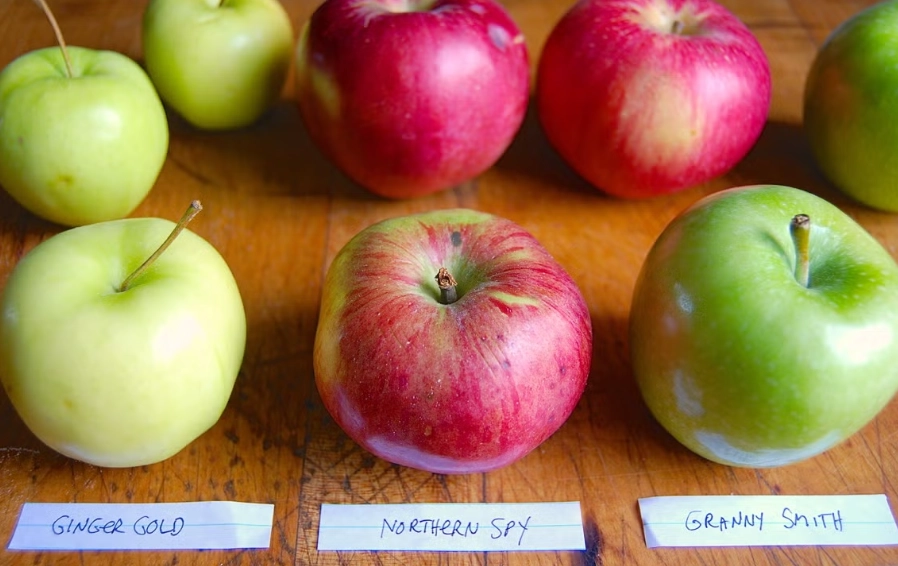
Here’s how to think about your blend:
- The Structural Base (60-70%): Choose firm apples that hold shape. Think Granny Smith, Braeburn, Northern Spy, or Fuji. These provide the architecture of your pie.
- The Flavor & Sauce Contributor (30-40%): Add apples that break down a bit more and have rich, sweet, or aromatic flavors. Golden Delicious, McIntosh (used sparingly!), Cortland, or even a ripe Honeycrisp. These create the luscious, syrupy binder that holds the firmer pieces together and adds depth.
My Go-To Blends:
Classic Balanced: 2 parts Granny Smith + 1 part Honeycrisp + 1 part Braeburn.
All-Purpose Crowd-Pleaser: Equal parts Braeburn, Fuji, and Golden Delicious.
Heirloom Special: Northern Spy + a handful of Jonathan or Pink Pearl for color.
Mixing also gives you insurance. If one variety is a bit less flavorful that season, the others carry it. You're building layers of taste and texture.
Apples to Use with Caution (Or Avoid Altogether)
Not every apple belongs in a pie pan. Some are setting you up for failure.
- Red Delicious: I'll say it. They are pretty but disappointing for baking. Mealy texture, bland flavor, and they turn to tasteless mush. Just don't.
- McIntosh: This is controversial. Macs have fantastic, tangy flavor and perfume. But their flesh is very soft. They can turn to applesauce within 20 minutes of baking. If you love the flavor, use them as a minor component (10-15% of your mix) for flavor, paired with very firm apples.
- Gala & Red Delicious's cousins: Supermarket eating apples like Gala, Ambrosia, and Jazz are sweet and pleasant but often lack the acidity and structural integrity for a standout pie. They can work in a pinch in a blend, but they won't be the star.
See, the thing is, an apple can be perfect for your lunchbox and a total dud in the oven. It's all about purpose.
Practical Tips: From Market to Oven
Knowing the varieties is half the battle. Here’s how to execute.
Buying and Storing
Buy the freshest, firmest apples you can find. Don't be shy about giving them a gentle squeeze. Avoid any with bruises or soft spots. If you're not baking immediately, store them in the crisper drawer of your fridge. The cold dramatically slows down their ripening and keeps them firm. For more detailed storage science, the University of Minnesota Extension has excellent resources on preserving fruit quality.
Prepping the Apples
Peel them. I know, it's a chore. But apple skins can become tough and separate from the flesh in the pie, creating unpleasant little rolls. A mix of peeled and unpeeled can work for texture, but for a classic pie, peel. Slice them evenly, about 1/4-inch thick, so they cook at the same rate. A mandoline makes this fast but watch your fingers!
Toss them well.
Don't just dump sugar on top. In a large bowl, toss your apple slices with the sugar, spices, a pinch of salt, and a tablespoon or two of flour or cornstarch. The thickener is crucial – it coats the apples and absorbs the juices as they release, preventing a flood in your oven. Lemon juice in the toss adds a brightness and slows browning.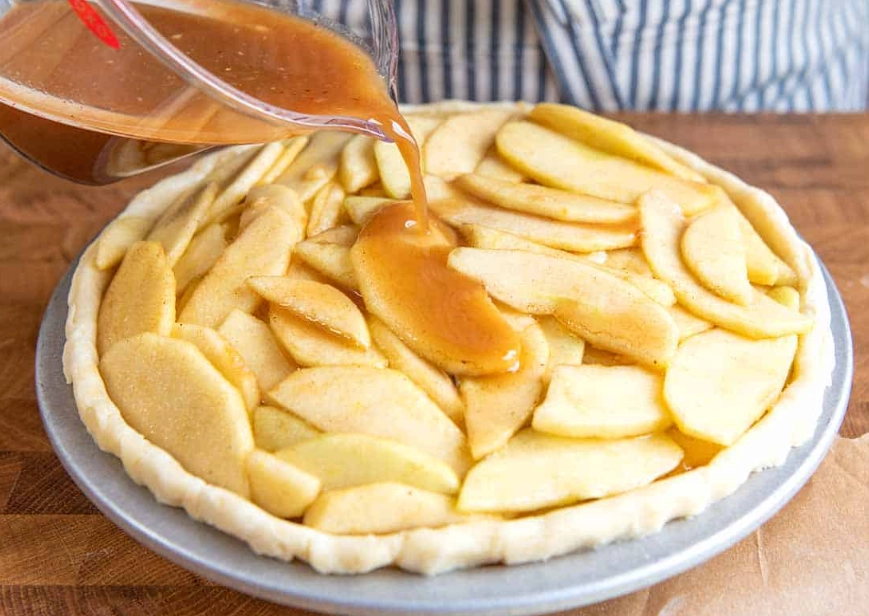
Answering Your Apple Pie Questions (FAQs)
Can I use pre-sliced or bagged apples from the store?
You can, but I wouldn't recommend it for a special pie. You lose control over variety (they're often a generic mix), freshness, and slice thickness. They're also treated to prevent browning, which can affect texture and taste. For the best results, buy whole apples.
Do I need to pre-cook the apple filling?
Most traditional recipes don't, but it's a fantastic technique, especially if you're using very juicy apples. Cooking the apples briefly with the sugar and spices in a skillet lets you drain off some excess juice, concentrate the flavor, and partially cook the apples so they don't shrink as much in the oven, preventing a big gap under the top crust. It's a game-changer for a neat slice.
How do I prevent a soggy bottom crust?
Ah, the eternal question. Beyond choosing firm, high-pectin apples and using enough thickener, try these tricks: Use a glass or ceramic pie dish (conducts heat better than metal), place it on a preheated baking sheet, and make sure your bottom crust is fully sealed. Some bakers even brush the bottom crust with a thin layer of egg white or melted chocolate before adding the filling as a moisture barrier. It sounds weird, but it works.
Are tart apples or sweet apples better?
Neither in isolation. You need both elements. Tart apples provide necessary structure and balance against sweetness. Sweet apples provide depth and caramelized flavor. This is precisely why a blend is superior. The U.S. Apple Association website is a great place to explore the flavor profiles of hundreds of varieties if you're curious.
Can I freeze an unbaked apple pie?
Absolutely. Assemble the pie completely, but do not cut slits in the top crust. Wrap it tightly in plastic wrap and then foil, and freeze solid. When ready to bake, you can bake it from frozen—just add 20-30 minutes to the baking time, and cover the edges with foil for the first half to prevent over-browning.
Final Thoughts: Trust Your Taste
At the end of the day, the best apples for your apple pie are the ones that create a pie you love to eat. The guidelines here are just that – guidelines. I encourage you to experiment. Buy a couple of different kinds each time you bake. Try a solo apple pie with Braeburn. Try a wild blend. Take notes.
What are the best apples for apple pie? It's a question with a deliciously complex answer. Start with firm, flavorful varieties, don't be afraid to mix them, and always, always use enough thickener. Your perfect pie is out there, waiting to be baked.
The journey to find your perfect blend is half the fun. And the eating? Well, that's the delicious reward for doing your homework.
Reader Comments