Quick Guide
- Why Bother? The Case for Saving Your Squash Seeds
- Your Step-by-Step Roadmap to Perfect Toasted Squash Seeds
- Beyond the Snack Bowl: How to Use Your Toasted Squash Seeds
- Nutrition at a Glance: What's Really in There?
- Answering Your Burning Questions (FAQ)
- The Not-So-Perfect Side: A Few Honest Downsides
- Wrapping It Up: Your New Kitchen Habit
You know the scene. You've just finished carving up a butternut squash or a pumpkin for soup, and you're left with this gloopy, stringy mass of seeds and pulp. For years, I just scraped it all right into the compost bin without a second thought. What a waste.
Then one fall, a friend saw me doing it and practically shouted, "You're throwing away the best part!" She walked me through turning that slimy mess into a crunchy, addictive snack. I was skeptical. Really? These things?
Let me tell you, that first batch of toasted squash seeds changed everything. They were so good, so surprisingly simple, that I felt a little guilty for all the seeds I'd wasted over the years. Now, it's a non-negotiable part of my fall and winter kitchen routine. If you've ever been curious about how to roast squash seeds, or if you've tried and ended up with something burnt or chewy, you're in the right place. This isn't just a recipe; it's a deep dive into making the most of what you already have.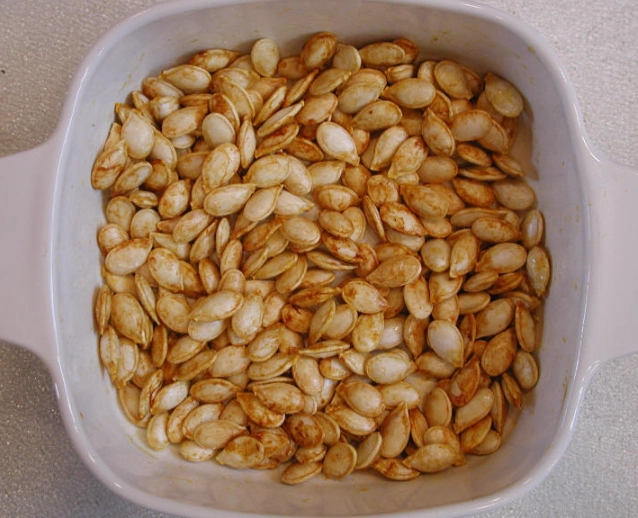
Why Bother? The Case for Saving Your Squash Seeds
Maybe you think it's too much fuss for a handful of seeds. I get it. But once you realize what you're getting, the fuss feels totally worth it.
First off, the nutrition profile is kind of wild. We're talking about a tiny package loaded with good stuff. According to the USDA FoodData Central, pumpkin and squash seeds are rich in magnesium, zinc (which is great for immune function), plant-based iron, and healthy fats. They're a solid source of protein and fiber too, which makes them a snack that actually keeps you full.
Then there's the taste. A properly toasted squash seed has a nutty, almost popcorn-like flavor that's completely different from the bland, sometimes bitter raw seed. The toasting process unlocks all that potential.
And honestly, there's a simple satisfaction to it. It feels good to use the whole vegetable. It connects you to your food in a small way, turning what was waste into something valuable. Every time I make a batch, I think, "Hey, look what I made from something I was going to throw away." It's a small win, but a win nonetheless.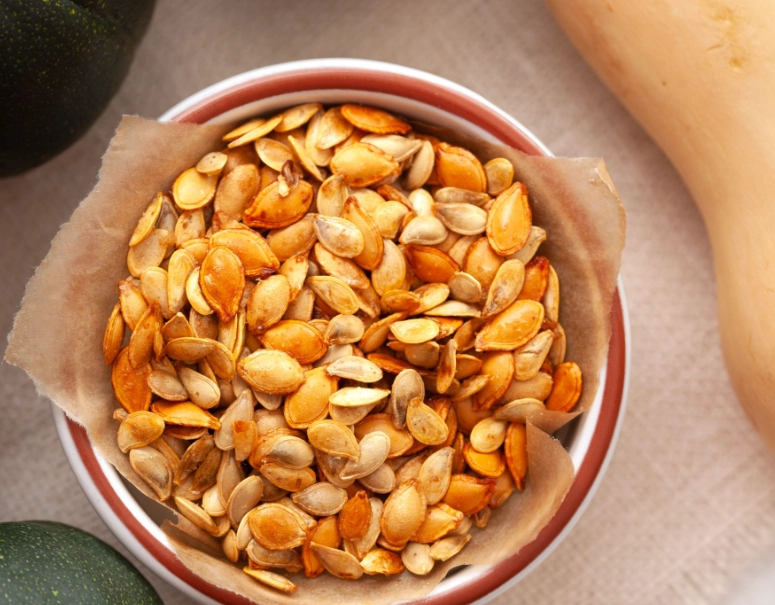
Your Step-by-Step Roadmap to Perfect Toasted Squash Seeds
Forget complicated techniques. The core process is straightforward. The magic is in the little details that make the difference between okay and amazing.
Step 1: The Great Seed Rescue (Cleaning)
This is the part that puts most people off. You have a bowl full of seeds tangled in orange goop. How do you get them clean without losing your mind?
The best method I've found is the water method. Dump all the seeds and pulp into a large bowl of warm water. Don't use hot water—it can start to cook the seeds. Just let it sit for a minute. Then, start swishing everything around with your hands. The seeds will float to the top, and most of the stringy pulp will sink or separate. Skim the seeds off the surface into a colander.
Is there still some pulp clinging on? Probably. Don't obsess over getting every single bit. A little residue won't hurt and might even add a touch of flavor. Give them a final rinse under cool water in the colander. Shake off the excess water.
Step 2: The Drying Debate (Pat Dry vs. Air Dry)
This is a crucial step that directly impacts crispiness. You want the seeds dry before they hit the oil and heat.
Method A: The Pat-Down. This is the faster route. Spread the rinsed seeds on a clean kitchen towel or a few layers of paper towels. Gently pat them and roll them around until they feel dry to the touch. This works well if you're in a hurry.
Method B: The Overnight Air Dry. This is my preferred method for maximum crispness. After rinsing, spread the seeds in a single layer on a parchment-lined baking sheet and just leave them on the counter overnight. No heat, just air circulation. They'll be bone dry by morning. Some folks worry about bacteria, but the high roasting temperature later will take care of any concerns. The USDA recommends cooking foods to their safe internal temperatures to eliminate pathogens, and roasting at 300°F+ certainly qualifies.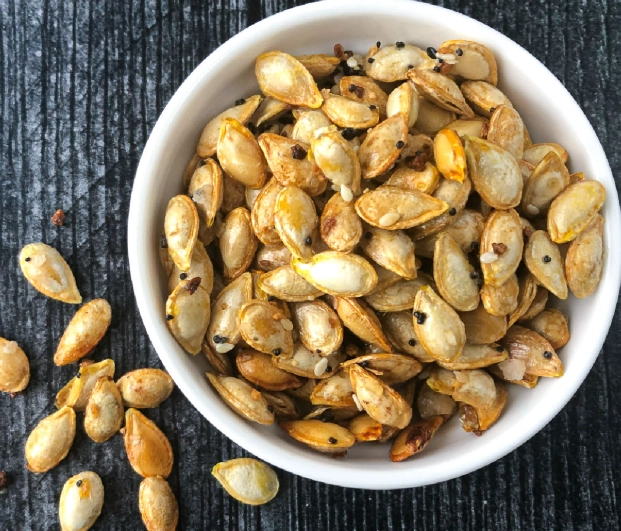
Step 3: Seasoning & The Oil Question
Now for the fun part. Put your dry seeds in a mixing bowl. Drizzle with oil—just enough to coat them lightly when tossed. You don't want a puddle at the bottom of the bowl.
What oil? I almost always use a good, neutral-tasting extra virgin olive oil. It has a nice flavor and a decent smoke point for the temperatures we use. Avocado oil or melted coconut oil are great too. Avoid strong-flavored oils like unrefined sesame unless that's specifically the flavor you're going for.
Then, add your salt. Start with about 1/2 teaspoon of fine sea salt or kosher salt per cup of seeds. You can always add more after roasting. Toss everything until evenly coated.
This is your blank canvas. You can stop at salt, or you can get creative.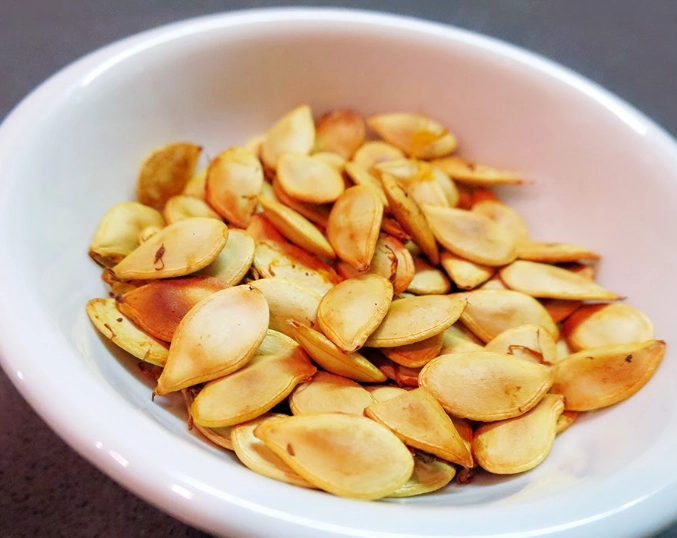
Savory Classics
Garlic & Herb: Add 1/2 tsp garlic powder, 1/2 tsp onion powder, 1 tsp dried rosemary or thyme.
Smoky BBQ: Add 1 tsp smoked paprika, 1/2 tsp garlic powder, a pinch of cayenne.
Everything Bagel: A sprinkle of dried garlic, onion, sesame seeds, and poppy seeds.
Sweet & Spicy
Cinnamon Sugar: Use coconut oil, toss with 1 tbsp sugar and 1 tsp cinnamon.
Maple Sriracha: Use a mix of 1 tbsp maple syrup and 1 tsp sriracha instead of some of the oil.
Bold & Global
Taco Seasoned: Your favorite store-bought or homemade taco mix.
Curry Lime: 1 tsp curry powder and the zest of one lime.
Step 4: The Roasting Ritual (Time & Temp)
Preheat your oven. Here's where I've learned the hard way: low and slow is the key. A high temperature will burn the outside before the inside dries out and toasts.
I set my oven to 300°F (150°C). Spread the seasoned seeds in a single layer on a parchment-lined baking sheet. Don't crowd them. Roast for 20-30 minutes, but here's the critical part: you MUST stir them every 8-10 minutes. This ensures even toasting and prevents the edges from burning.
How do you know when they're done? They'll turn a light golden brown and you'll hear a faint popping sound (like tiny popcorn!). They should feel light and crisp, not heavy or soft. Take one out, let it cool for a second, and taste it. If it's crunchy, they're done.
The smell at this point is incredible. It fills your whole kitchen.
Take them out and let them cool completely on the sheet. They crisp up even more as they cool. Don't store them until they're at room temperature, or you'll get condensation and sogginess.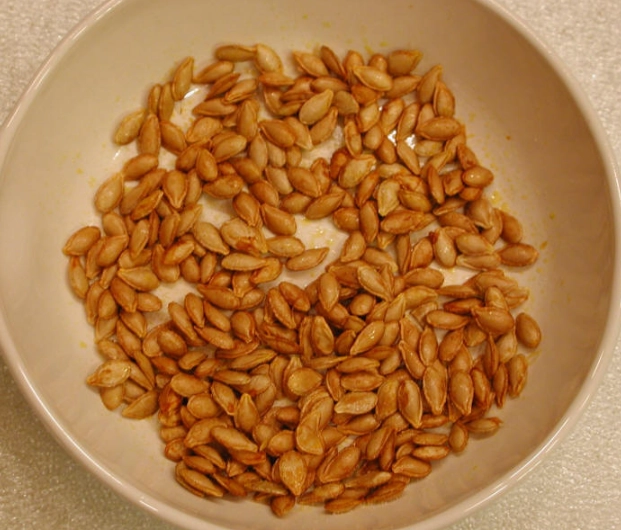
Beyond the Snack Bowl: How to Use Your Toasted Squash Seeds
Eating them by the handful is a perfectly valid life choice. But if you want to get fancy, these little crunchy bits are incredibly versatile.
- Salad Topper: This is my number one use. They add a fantastic crunch to any salad, especially ones with soft greens or goat cheese.
- Soup & Chili Garnish: Sprinkle them on top of butternut squash soup, pumpkin soup, or a hearty chili. The contrast in texture is everything.
- Yogurt or Oatmeal Mix-in: Adds protein, healthy fat, and crunch to your breakfast.
- Trail Mix Component: Mix them with nuts, dried fruit, and maybe a few chocolate chips.
- Baking Addition: Fold them into quick breads, muffins, or sprinkle on top of focaccia before baking.
- Pesto or Sauce Thickener: Blend a handful into your pesto instead of some pine nuts, or use them to add body to a creamy pasta sauce.
Nutrition at a Glance: What's Really in There?
Let's get specific. Why are health nuts (pun intended) so excited about seeds like these? Here's a breakdown based on data from the USDA for a 1-ounce (28g) serving of roasted pumpkin seeds (without added salt), which is roughly a quarter cup.
| Nutrient | Amount per 1 oz | % Daily Value (Approx.) |
|---|---|---|
| Calories | ~163 | - |
| Protein | ~8.5 g | 17% |
| Healthy Fats | ~14 g | - |
| Fiber | ~1.8 g | 6% |
| Iron | ~2.3 mg | 13% |
| Magnesium | ~156 mg | 37% |
| Zinc | ~2.2 mg | 20% |
| Potassium | ~223 mg | 6% |
That magnesium number is the real standout. Magnesium is involved in hundreds of bodily processes, from muscle and nerve function to regulating blood pressure. Most people don't get enough. A serving of these toasted squash seeds gives you a huge chunk of your daily needs.
Of course, if you add oil and salt, the calorie and sodium counts will go up. But as a nutrient-dense whole food, they're a much better choice than most packaged snacks.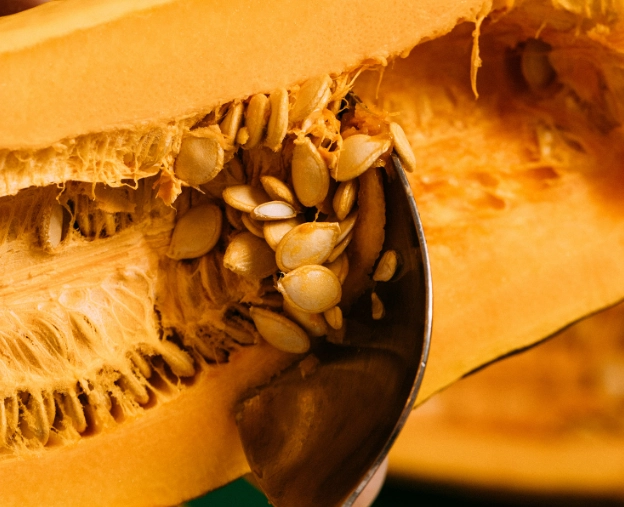
Answering Your Burning Questions (FAQ)
The Not-So-Perfect Side: A Few Honest Downsides
Let's keep it real. Making toasted squash seeds isn't all rainbows.
It's a bit of a process. The cleaning can be messy and a little tedious. It's not instant gratification—between cleaning, drying, and roasting, you're looking at a minimum of 30 minutes of active and passive time, often more if you air-dry.
The yield can be disappointing with smaller squashes. One butternut squash might only give you two tablespoons of seeds. That's why I often save seeds in a bag in the freezer until I have enough from a few squashes to make a decent batch.
And they can be unpredictable. Ovens vary, seed sizes vary, moisture content varies. My perfect time and temp might need a slight adjustment in your kitchen. You have to pay attention, not just set a timer and walk away.
But for me, the pros still crush the cons.
Wrapping It Up: Your New Kitchen Habit
So, next time you're prepping a squash, pause before you scrape that core into the trash. See it for what it is: a free ingredient for a healthy, homemade snack.
Start simple with just oil and salt. Master the basic technique of cleaning, drying, and slow roasting. Once you've nailed that, the world of flavors is yours to explore. You'll never look at a squash the same way again.
It's a small act, but it connects you more deeply to your food, reduces waste, and gives you a delicious reward. Give it a try this season. I have a feeling you'll become as hooked on toasted squash seeds as I am.
Reader Comments