Quick Navigation
- The Champions: Top Apple Varieties for Pie
- Why Does This Even Matter? The Science of a Good Pie Apple
- Your Action Plan: How to Choose and Prep Good Apples for Pie
- Building Your Perfect Pie: Beyond the Apple
- Answering Your Pie Apple Questions (FAQs)
- Putting It All Together: A Simple, Foolproof Template
Let’s be honest. We’ve all been there. You get a craving for homemade apple pie, you follow a recipe to the letter, you spend hours in the kitchen, and then… meh. The filling is watery. The apples turn to mush. Or worse, they stay weirdly hard and crunchy. The flavor is just… flat. It’s not sweet, it’s not tart, it’s just kind of there. The whole experience leaves you wondering, was it me? Did I do something wrong? Nine times out of ten, the problem isn’t your recipe or your baking skills. It’s the apples.
Picking the right apple is the single most important decision you’ll make for your pie. It’s the difference between a good pie and a legendary one. It’s the secret that grandmas and professional bakers guard closely. So, what makes an apple truly one of the good apples for pie? It’s not just about flavor. It’s a whole package deal.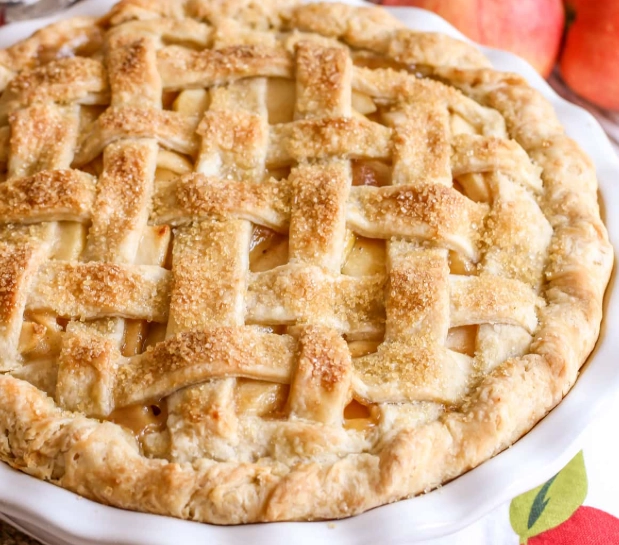
The Pie Apple Trifecta: The best baking apples hit a perfect balance of three things: Flavor (a good mix of sweet and tart), Texture (they hold their shape and don’t dissolve into applesauce), and Juiciness (enough to create a luscious sauce, but not so much that you flood your crust). Get this combo right, and you’re 90% of the way to pie heaven.
I learned this the hard way. My first “from-scratch” pie years ago was made with Red Delicious apples because they were on sale. Big mistake. They tasted bland and mealy, and the texture was just awful after baking. It was a sad, soggy mess. That failure sent me down a rabbit hole of apple experimentation, and let me tell you, not all apples are created equal when it comes to the heat of the oven.
The Champions: Top Apple Varieties for Pie
Walk into any grocery store or farmer’s market, and the apple section can be overwhelming. Gala, Fuji, Pink Lady, Ambrosia… the names sound lovely, but which ones actually perform under pressure? Based on my own trials (and more than a few conversations with orchard owners), here’s the breakdown of the top contenders. Think of this as your scouting report for good apples for pie.
| Apple Variety | Flavor Profile | Texture When Baked | Best For | My Personal Take |
|---|---|---|---|---|
| Granny Smith | Very tart, bright, tangy | Firm, holds shape excellently | Classic sour apple pie, needs added sugar | The undisputed heavyweight champ for structure. Can be too sharp alone. |
| Honeycrisp | Extremely sweet, juicy, with mild acidity | Holds shape surprisingly well, stays tender-crisp | A modern favorite, great for a sweeter pie | Delicious but pricey. The juice can be excessive, so adjust thickener. |
| Braeburn | Perfect sweet-tart balance, spicy finish | Firm, softens nicely but keeps form | The all-around perfect pie apple | My personal gold standard. Consistent, flavorful, reliable. |
| Jonagold | Sweet-tart, honeyed, complex | Softens to a creamy, tender texture | Rich, flavorful fillings | A fantastic choice. A cross between Jonathan and Golden Delicious. |
| Northern Spy | Tangy, aromatic, well-balanced | Exceptionally firm, slices stay distinct | Heirloom pies, pies that need to sit before serving | The baker’s secret weapon. Hard to find but worth the hunt. |
| Golden Delicious | Mellow, sweet, buttery | Softens considerably, almost melts | Mixing with firmer apples, adding sweetness | Don’t use it alone! It turns to baby food. Great as a “sauce” base in a blend. |
See that? It’s not just one apple. The magic often happens when you mix. A blend of apples gives you complexity in flavor and a more interesting texture. My go-to blend is about 2 parts Braeburn (for that perfect balance and structure) to 1 part Honeycrisp (for explosive sweetness and juice) or 1 part Granny Smith (if I want more zip).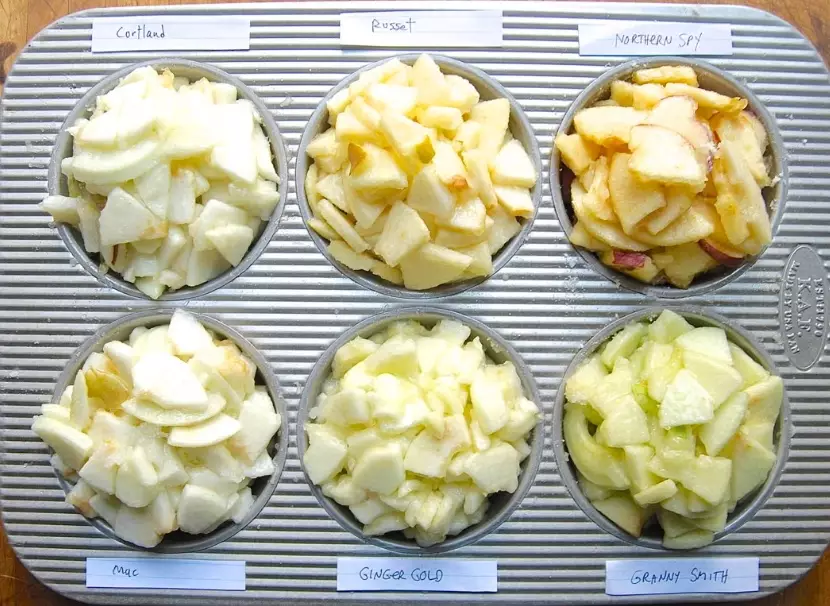
A quick story: I once made two identical pies side-by-side, one with only Granny Smith and one with a Braeburn-Honeycrisp mix. The single-variety pie was good, sharp and classic. The blend pie? People were fighting over the last slice. The flavor was deeper, more rounded, with little bursts of honeyed sweetness among the spiced tartness. It was a revelation.
The “Avoid at All Costs” List (For Pie, Anyway)
Just as important as knowing the good apples for pie is knowing which ones to steer clear of. These apples are fantastic for eating out of hand, but they will let you down in the oven.
- Red Delicious: I’ll say it again. They are beautiful and terrible. Their flesh is dry and mealy, and they have almost no acidity to balance the mild sweetness. They bake up into a grainy, bland, structurally unsound mess.
- Gala & Fuji: Super sweet, super popular for snacking. But they are very low in acid and have a tender flesh that completely falls apart when baked. You’ll get applesauce pie, which isn’t necessarily bad, but it’s not what most people envision.
- McIntosh: This one pains me because they make incredible applesauce. But for a pie where you want defined slices? They break down almost instantly into a frothy, mushy puree. If you see them recommended in an old recipe, it’s probably for a very soft, saucy style of pie.
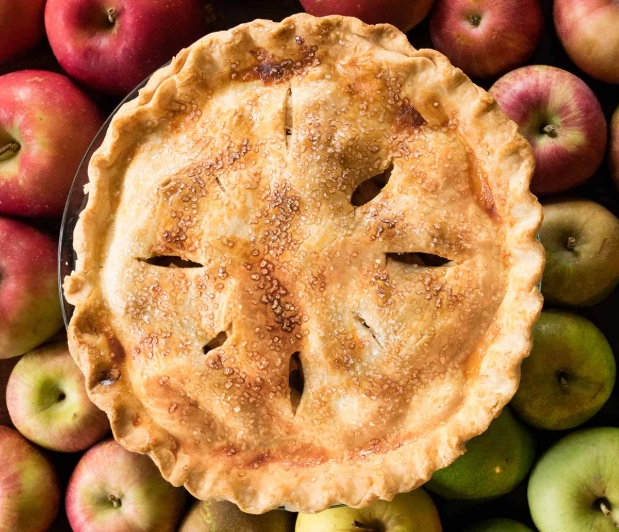
Biggest Pie Myth: “Any apple will work if you just adjust the sugar and spices.” This is flat-out wrong. You can’t spice your way out of a mushy texture or compensate for a complete lack of flavor backbone. Starting with the right apple is non-negotiable.
Why Does This Even Matter? The Science of a Good Pie Apple
You might be thinking, “It’s just an apple, how complicated can it be?” Well, baking is applied science, and the apple’s cellular structure is the lab. What makes a Granny Smith stand tall while a McIntosh collapses?
It boils down to two things: cell wall strength and pectin content.
Apples with firm, dense flesh have stronger cell walls. When heated, these walls soften but don’t completely disintegrate. That’s what gives you a tender-yet-distinct slice of apple in your finished pie. Apples like Red Delicious have a more open, airy cell structure that just gives up when things get hot.
Pectin is a natural starch found in fruit. When heated with sugar and acid, it gels and thickens the juices released by the apples. This is what turns runny juice into that glorious, sliceable filling sauce. Different apples have different levels of natural pectin and acidity. Tart apples generally have more of both, which is why they are such reliable thickeners. The U.S. Apple Association has great resources on the composition of different varieties, which really highlights why choosing good apples for pie is a scientific decision as much as a culinary one.
Acidity isn’t just for pectin activation, either. It makes flavors pop. It balances sweetness and keeps the pie from tasting cloying. A pie made with only low-acid apples like Golden Delicious tastes one-dimensional and sleepy.
Your Action Plan: How to Choose and Prep Good Apples for Pie
Alright, theory is great, but let’s get practical. You’re standing in the produce aisle. What now?
Step 1: The Selection Process
First, feel the apple. A good baking apple should feel firm and heavy for its size. Heaviness means juiciness. Avoid any that feel light or have give when you gently press the skin.
Second, smell it. This is a weird pro-tip, but it works. A good, flavorful apple will often have a faint, pleasant aroma at the stem end. If it smells like nothing, it will probably taste like very little.
Third, embrace imperfection. The most beautiful, waxed, perfect-looking apples are often bred for looks and shipping durability, not flavor. Some of the best good apples for pie I’ve ever used were ugly, knobby, from a local orchard. They had character.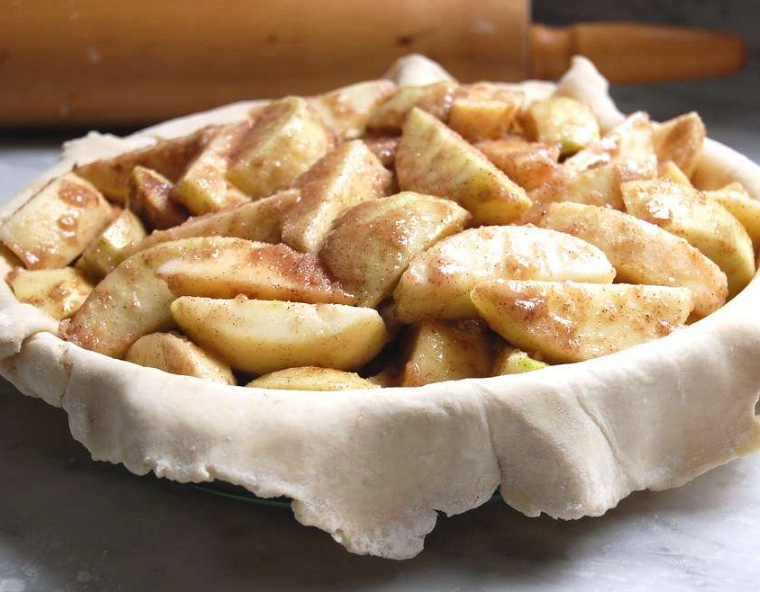
Farmer’s Market Hack: Don’t be shy. Ask the grower, “Which of these are best for pie?” They know their crop better than anyone and will often point you to a less-common, fantastic baking variety you’d have overlooked.
Step 2: Preparation is Key (Avoiding Sogginess)
You’ve chosen your champions. Now, don’t sabotage them with bad prep.
To peel or not to peel? I always peel. Apple skins can become tough and separate from the flesh during baking, creating weird little leathery rolls in your filling. Some people like the texture and color, but for a classic, smooth pie, peel them.
Slice thickness matters. Aim for slices about 1/4-inch thick. Too thin, and they’ll dissolve. Too thick, and they might not cook through evenly, leaving you with hard spots. Consistency is key so they all cook at the same rate.
The #1 trick to prevent a soggy bottom crust: Don’t put wet apples in your shell. After you slice them, toss them in a big bowl with some of the sugar and spices from your recipe. Let them sit for 15-30 minutes. They’ll start to release their juices. Then, drain those juices into a saucepan. Boil the juice down until it’s syrupy and thickened, then pour it back over the apples and toss. This simple step concentrates flavor and removes excess water that would otherwise steam into your crust. It’s a game-changer.
What about pre-soaking or blanching? Some old-school bakers swear by soaking slices in lemon water to prevent browning. I find it adds unnecessary water. A little browning is fine—it’s just oxidation. If you’re really concerned, just toss the slices with a tablespoon of lemon juice as you go.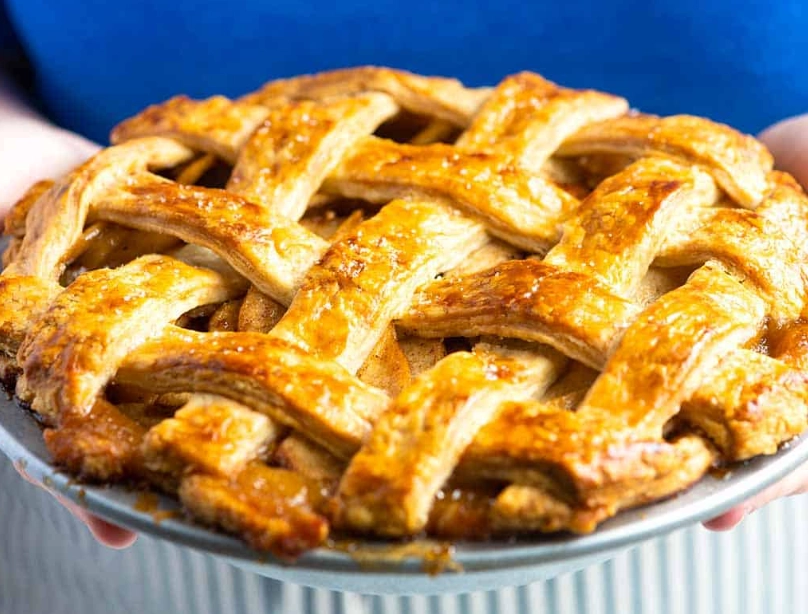
Building Your Perfect Pie: Beyond the Apple
The apples are the star, but the supporting cast needs to shine too. Let’s talk about the other ingredients that make your good apples for pie become great.
Sugar: It’s not just a sweetener. It draws out juice (see the trick above!) and helps with browning and texture. White sugar is standard. Brown sugar adds molasses notes that pair wonderfully with spices. I often use a mix.
Thickener: This is your insurance policy against a soupy pie. You have options:
- Flour: Easy, but can leave a cloudy, slightly pasty taste if overused.
- Cornstarch: My preferred choice. It creates a clear, glossy gel. It thickens at a higher temperature, so your pie needs to bubble in the center to activate it fully.
- Tapioca (instant/mini pearls): Creates a clear filling with a pleasing, slightly bouncy texture. It’s very effective.
The amount you need depends on how juicy your apple blend is. A Honeycrisp-heavy mix needs more thickener than an all-Granny Smith mix.
Spices: Cinnamon is king. But don’t stop there. A tiny pinch of nutmeg or cardamom adds complexity. A scrape of fresh vanilla bean is divine. The key is to enhance the apple, not mask it. If your spices are more than a year old, they’ve likely lost most of their potency. Freshly grated nutmeg is a whole different world from the pre-ground dust.
Fat & Acid: A dot of butter over the filling before adding the top crust adds richness. A teaspoon of lemon juice or apple cider vinegar brightens everything up, especially if your apples are on the sweeter side.
Answering Your Pie Apple Questions (FAQs)
After talking pies with people for years, the same questions come up again and again. Let’s tackle them head-on.
Maybe. Check the list above. If they’re a firm, tart variety, go for it. If they’re Red Delicious, Gala, or Fuji, I’d seriously consider using them for applesauce or eating and making a trip to the store for some good apples for pie. It’s worth it.
Absolutely! It’s a fantastic way to use a bushel from the orchard. Peel, core, and slice your apples, then lay them in a single layer on a baking sheet to freeze solid before bagging. They’ll be mushier when thawed, so they’re best for pies where a softer texture is okay (like a crumb top). Don’t thaw them completely—toss the frozen slices with your dry ingredients and bake. You’ll need to add 15-20 minutes to the baking time.
Keep them cold. The fridge’s crisper drawer is perfect. At room temperature, apples ripen (and soften) quickly. Cold storage keeps them firm for weeks. According to postharvest info from Penn State Extension, proper cold storage is critical for maintaining the texture and flavor of late-harvest apples like many of the good pie varieties.
This is the universal cry of the frustrated pie maker. The culprits, in order of likelihood:
- Wrong apples: You used a juicy, low-pectin variety (see “Avoid” list).
- Not enough thickener: You skimped on the cornstarch/flour/tapioca.
- Under-baking: Your pie looked done on top but the filling didn’t reach a full, bubbling boil in the center to activate the thickener.
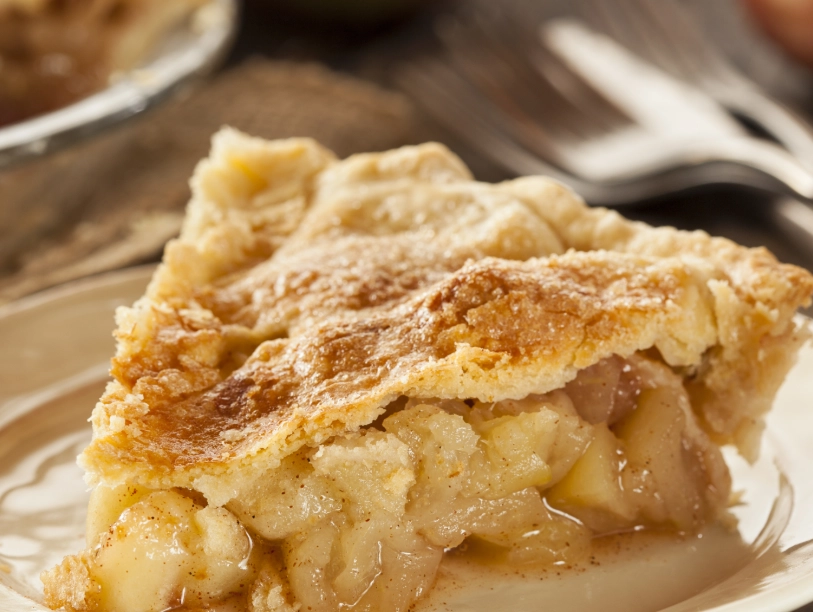
- Cutting too soon: You must let the pie cool completely, for at least 4 hours, to let the filling set. Cutting into a warm pie is a recipe for soup.
Putting It All Together: A Simple, Foolproof Template
Let’s end with a blueprint, not a rigid recipe. This is the method that works with any of the good apples for pie we’ve discussed.
1. The Apples: 6-7 cups of peeled, cored, and sliced (1/4”) apples. Use a blend of 2-3 varieties from the “Champions” list.
2. The Maceration: Toss apple slices with 3/4 cup sugar (mix of white and brown), 1 tsp cinnamon, and 1/4 tsp salt. Let sit 30 min. Drain juices into saucepan.
3. The Thickening: Boil drained juices over med-high until reduced to about 1/3 cup and syrupy. Whisk 3 Tbsp cornstarch into 1 Tbsp cold water until smooth. Whisk into syrup, cook 1 min until very thick. Remove from heat.
4. The Assembly: Pour thickened syrup over apples, add 1 Tbsp lemon juice and 1 tsp vanilla. Toss to coat. Pile into your bottom crust, dot with 1 Tbsp butter. Add top crust, vent, brush with egg wash/milk, sprinkle with sugar.
5. The Bake: 425°F (220°C) for 20 min to set crust, then reduce to 375°F (190°C) for 45-55 min, until filling is bubbling vigorously through the vents and crust is deep golden brown.
6. The Wait: This is the hardest part. Let the pie cool on a rack for at least 4 hours, ideally overnight. The filling will set perfectly.
The journey to finding the perfect good apples for pie is part of the fun. It’s about tasting, experimenting, and sometimes failing. Start with a reliable blend like Braeburn and Honeycrisp. Master the maceration and reduction trick. Be patient while it cools. Do these things, and you won’t just make a good apple pie. You’ll make the kind of pie that people request for birthdays and holidays. The kind that makes your kitchen smell like heaven. And really, isn’t that the whole point?
So next time you’re pie-curious, don’t just grab any bag of apples. Take a minute. Read the label. Feel the weight. Maybe even mix two kinds. Your future self, savoring that first perfect slice of pie with a flaky crust and a flavorful, firm-yet-tender filling, will thank you.
Reader Comments