In This Guide
Let's be honest. Most onions make you cry. They have a bite that can overpower a salad. You chop them, and your kitchen smells for hours. Then there's the Walla Walla Sweet Onion. It's the onion that breaks all the rules. Imagine an onion so mild you can take a bite out of it like an apple. No, really, people do that. Its juice is so sweet it won't sting your eyes. It's less of a kitchen staple and more of a seasonal treasure, with a story as rich as its flavor.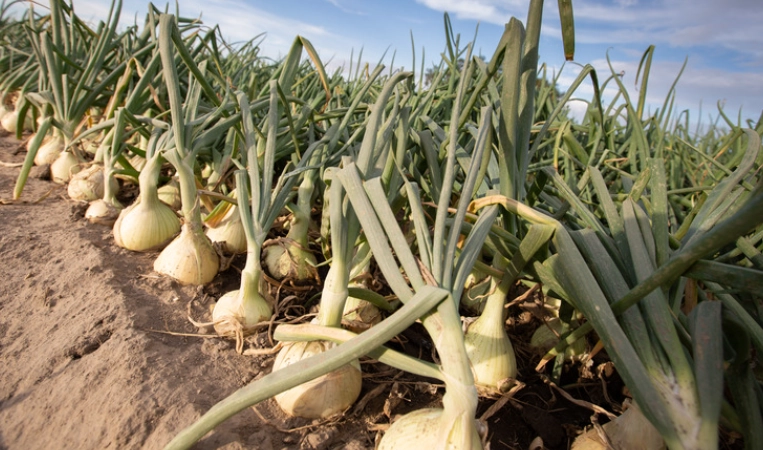
I remember the first time I bought one on a whim at a farmer's market. The farmer, with dirt under his nails and a proud smile, handed it to me. "Try it raw," he said. I was skeptical. An onion? Raw? I took a small bite from the slice he offered. What followed wasn't the sharp, pungent shock I expected. It was a crisp, juicy sweetness, followed by the most gentle onion flavor. It was a revelation. That moment turned me from a casual user into a full-on Walla Walla onion evangelist for a few precious months each summer.
The Core Identity: The Walla Walla Sweet Onion isn't just a variety; it's a geographically protected product. True Walla Wallas are grown in the specific soil and climate of the Walla Walla Valley in Southeastern Washington and parts of Northeastern Oregon. This isn't marketing fluff—it's a matter of official recognition. The unique combination of mineral-rich, well-drained soil and warm days with cool nights is what allows these onions to develop their legendary high water and sugar content, and remarkably low pyruvic acid (the stuff that makes onions pungent and makes you cry).
From Corsica to Washington: The Sweet History in Your Hands
The journey of the Walla Walla onion is almost as sweet as the onion itself. It starts not in America, but with a French soldier named Peter Pieri. In the late 1800s, he brought sweet onion seeds from the island of Corsica to the Walla Walla Valley. He began cultivating them, and the results were promising. The onions thrived in the new environment.
The real magic happened over generations. Local growers, like the famous sweet onion farmer Gabby Rubbish, didn't just grow these onions; they selected them. Year after year, they saved seeds only from the sweetest, mildest, and best-performing bulbs. This wasn't a corporate lab project. This was slow, patient, hands-on work by families who loved the land. Through this careful selection over nearly a century, they essentially bred the pungency out and the sweetness in, creating the distinct variety we know today. It's a testament to what patience and a good palate can achieve.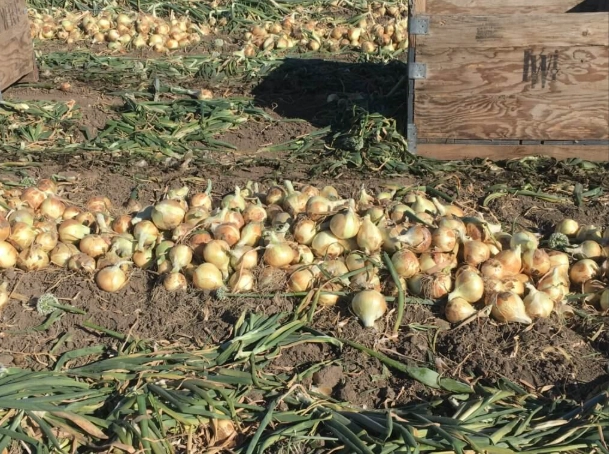
That legacy is actively preserved. Institutions like the National Sweet Onion Association and Washington State University's extension programs work to maintain the seed stock and growing standards, ensuring that when you buy a genuine Walla Walla, you're tasting a living piece of agricultural history.
Thinking of Growing Your Own? Here's the Real Scoop.
Seeing those beautiful, glossy bulbs at the store might make you wonder: "Can I grow Walla Walla onions in my backyard?" The answer is a qualified yes, but you need to manage your expectations. You can grow the variety almost anywhere, but replicating the unique terroir of the Walla Walla Valley is impossible. Your home-grown version will likely be very good—sweet and tasty—but it probably won't reach the iconic, tear-free perfection of a true valley-grown bulb. That said, it's a fantastically rewarding project.
The Non-Negotiable Growing Checklist
Walla Walla onions are long-day onions, which means they need about 14-16 hours of daylight to properly form bulbs. This makes them ideal for northern states but tricky in the deep south. They also have a long growing season, around 180 days from seed. Most home gardeners don't start from seed but from "sets" (small bulbs) or "starts" (seedlings).
Pro-Tip from a Gardener Who's Failed: I made the classic mistake of planting the sets too deep the first time. You get these pathetic, narrow bulbs. Plant them so the very tip of the small set is just peeking above the soil. They need to feel the sun.
Soil is everything. They demand loose, crumbly, nutrient-rich soil that drains like a dream. If you have heavy clay, you're in for a challenge. You'll need to amend it heavily with compost. They're also hungry feeders. A balanced fertilizer at planting and again when they start bulbing up is key.
Watering is a delicate dance. Consistent moisture is crucial, especially during bulb formation. But let the soil get soggy, and rot sets in fast. Drip irrigation or soaker hoses are your best friends here, keeping the foliage dry and preventing disease.
The Harvest: Knowing When It's Time
This is where patience pays off. In mid to late summer, you'll see the tops start to yellow and flop over. This is the onion's signal that it's done growing. Now, stop watering. This is hard to do! You want to help it, but you must resist. Let the soil dry out. Once most tops have browned and fallen over, it's time to gently lift the bulbs with a garden fork.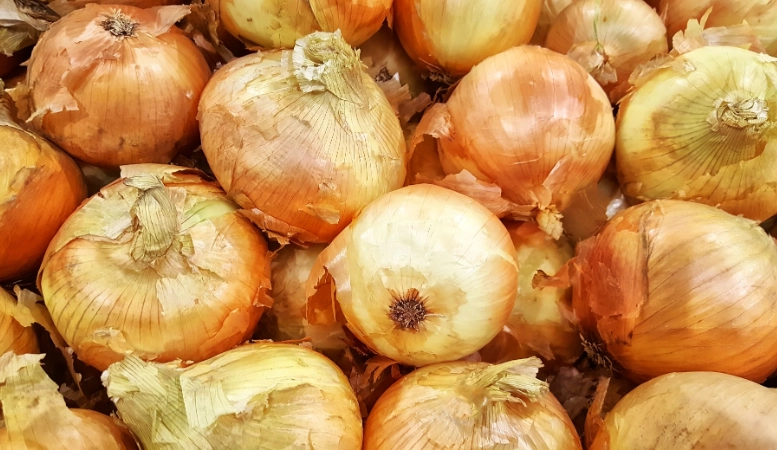
Don't Skip This: Curing is NOT optional for storage. Lay the bulbs (with tops still attached) in a single layer in a warm, dry, airy place out of direct sun—a garage, a covered porch, a shed. Let them cure for at least two weeks, until the necks are completely tight and dry and the outer skins are papery. This process seals the bulb and is the only way to store them for more than a few weeks.
In the Kitchen: Where the Walla Walla Onion Truly Shines
This is why you put in the work, right? To eat them. The beauty of the Walla Walla onion is its versatility, but you have to play to its strengths. Its high sugar and water content mean it behaves differently than a standard yellow onion.
The Golden Rule: Gentle heat is your friend; high, dry heat is the enemy. That incredible sugar content caramelizes beautifully but can also burn quickly if you're not paying attention.
Top Cooking Methods, Ranked
Let's break down the best ways to use them, from can't-miss to maybe-skip.
| Method | Why It Works | Pro Tip & Watch-Out |
|---|---|---|
| 1. Raw & Fresh | This is the ultimate test of quality. No other onion can compete here. The crisp, juicy sweetness is unparalleled. | Slice thin for salads, sandwiches (think burgers with a thick slice), or salsas. Soaking in ice water for 10 minutes adds even more crunch. |
| 2. Grilling & Roasting | Direct, radiant heat concentrates the sugars and creates a smoky, tender interior with a slightly charred exterior. | Cut into thick rounds or wedges, brush with oil. Watch closely! They go from caramelized to charred in minutes. Keep the grill at medium. |
| 3. Slow Caramelization | Low, slow cooking melts the onion down into a jammy, intensely sweet and savory condiment. | Slice thinly, cook in butter or oil over low heat for 45+ minutes. Stir frequently. Patience is the only ingredient here. |
| 4. Light Sautéing | Perfect for fajitas, stir-fries, or as a base for soups where you want sweetness without mush. | Use medium heat and don't overcrowd the pan. You want them soft and translucent, not stewed. |
| 5. French Onion Soup (Debatable) | It will make a very sweet, mild soup. Some love this; traditionalists might miss the deeper, more robust flavor of yellow onions. | It's a luxury ingredient here. Consider a 50/50 mix with a standard onion for a more complex flavor base. |
My personal favorite? Thick slices grilled alongside a steak, then chopped and mixed into a compound butter with some blue cheese. It's absurdly good.
What About Storing These Precious Bulbs?
Here's the sad truth: the very qualities that make a Walla Walla onion so wonderful—high water content, thin skin—make it a poor keeper compared to a dense, pungent storage onion. Don't expect them to last for months in your pantry.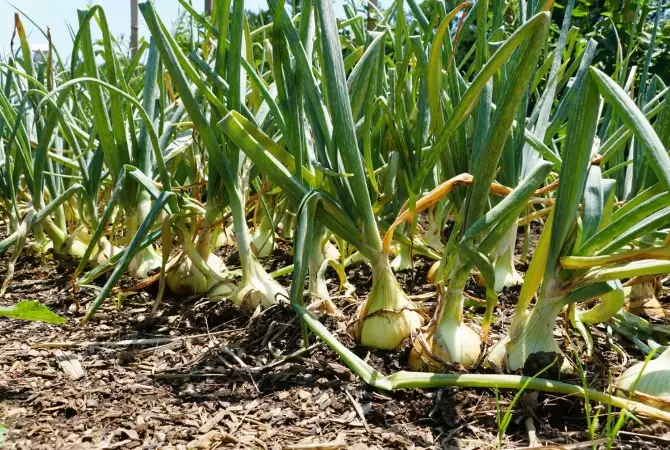
- Ideal Conditions: A cool (45-55°F), dark, dry place with good air circulation. A mesh bag in a cool basement or an unheated garage is perfect. Do NOT store them in a sealed plastic bag—they'll rot.
- How Long? Properly cured, a prime Walla Walla onion might last 1-2 months in ideal conditions. But flavor and juiciness peak within the first few weeks after harvest.
- The Fridge? Only for cut onions. Wrap the cut face tightly in plastic wrap. Whole onions in the fridge often become soft and can pick up odors.
Beyond Taste: What Are You Actually Eating?
Okay, it's delicious. But is a Walla Walla onion good for you? In short, yes—it's still an onion, packing many of the same nutritional benefits as its more pungent cousins, just in a sweeter package.
According to nutrient data from sources like the USDA FoodData Central, onions are low in calories but rich in vitamin C, B vitamins, and potassium. They are a good source of dietary fiber. More importantly, they contain beneficial antioxidants and sulfur compounds, like quercetin, which are being studied for their anti-inflammatory properties.
Here's the interesting part: the lower pyruvic acid content doesn't seem to negate these health benefits. The compounds are still there; they're just not as aggressively pungent. So, you can enjoy the potential health perks without the crying and the strong aftertaste. It's a win-win.
Finding the Real Thing: A Buyer's Guide
Not all onions labeled "sweet" are Walla Wallas. You might see Vidalias, Mauis, or other regional sweets. How do you know you're getting the genuine article, especially outside the Pacific Northwest?
- Look for the Label: Authentic Walla Walla Sweet Onions are often sold in mesh bags with clear branding and the "Walla Walla Sweet" logo. Look for the phrase "Grown in the Walla Walla Valley."
- Season is Key: Their season is short—typically from mid-June through August. If someone is selling "Walla Wallas" in April or December, be very skeptical.
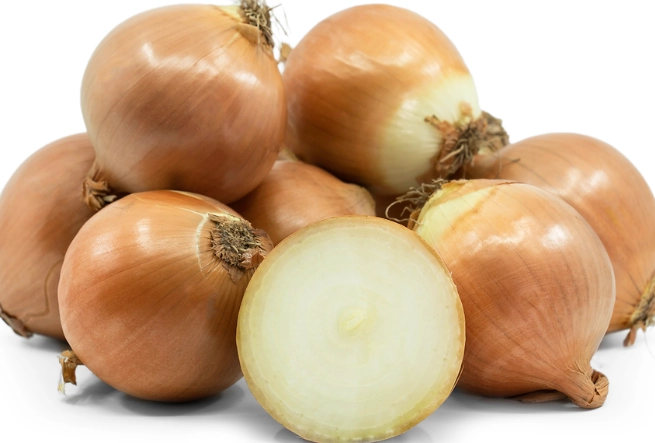
- Examine the Bulb: A true Walla Walla tends to be flatter at the top and bottom (more like a slightly squashed sphere) compared to a round Vidalia. The skin is a beautiful, thin, coppery gold and often quite delicate. It should feel heavy for its size, a sign of high water content.
- Buy from Reputable Sources: Farmer's markets in the region are a sure bet. Nationally, higher-end grocery chains like Whole Foods or local co-ops are more likely to carry the real deal during the season. Some farms even offer online ordering and shipping straight from the field.
I once bought some from a discount bin in October. They were labeled Walla Walla, but they were small, firm, and had a definite bite. They were likely storage onions mislabeled to capitalize on the name. It was a disappointing lesson—season and source matter.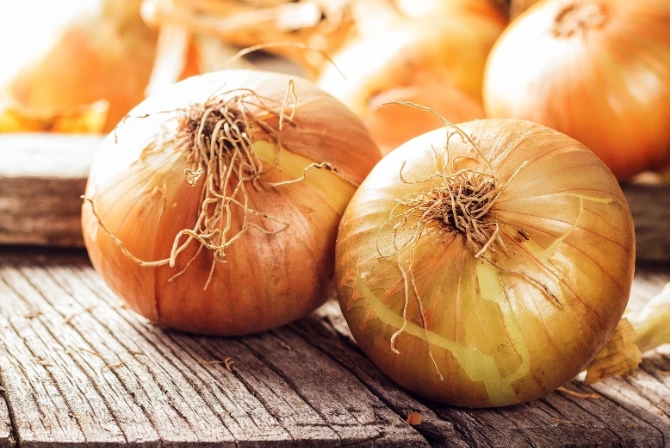
Your Walla Walla Onion Questions, Answered.
The Final Slice
The Walla Walla onion isn't just another vegetable. It's a seasonal event. It's a reminder that place matters in agriculture, that patience in breeding creates incredible flavors, and that sometimes, the best things are fleeting. You can't get it year-round, and that's part of its magic. It makes you appreciate it more when it's here.
So, when late June rolls around, keep an eye out. Find a genuine Walla Walla Sweet Onion. Feel its weight, admire its delicate skin. Then, do the simplest thing possible: slice it, maybe sprinkle with a tiny bit of salt, and eat it raw. That first crisp, sweet, juicy bite is the whole story. After that, whether you grill it, caramelize it, or just keep eating it straight from the cutting board, you'll understand why this onion from a small valley in Washington has earned its sweet reputation.
Just don't blame me if you get hooked and start counting down the days until next season.
Reader Comments