Let's talk about blackberries. Not the phone – the fruit. That glorious, dark, seedy, sometimes painfully prickly prize of late summer. There's a specific magic to the season of blackberry, a window of time that feels both fleeting and abundant. If you've ever found yourself staring at a bramble, wondering if the berries are ready, or if you've missed the boat entirely, you're in the right place. This isn't a scientific paper. It's the stuff I've learned from years of stained fingers, scratched arms, and the absolute joy of a perfectly ripe berry popped straight from the cane.
Guide Highlights
- When Exactly is Blackberry Season? It's Complicated.
- How to Know They're Perfectly Ripe: The Ultimate Checklist
- From Bramble to Kitchen: Handling Your Harvest
- Why Bother? The Incredible Perks of Blackberries
- Making the Most of Your Bounty: Beyond Just Eating Them Fresh
- Your Season of Blackberry Questions, Answered
- Wrapping It Up: Embracing the Brief, Beautiful Window
The core of it all: The season of blackberry is that sweet spot when the berries transition from hard and sour to soft, sweet, and complex. It's a moving target that depends entirely on where you live, the weather, and even the type of blackberry plant. This guide is here to demystify all of that.
When Exactly is Blackberry Season? It's Complicated.
Asking "when is blackberry season?" is like asking when it rains. It depends. But we can map out a reliable framework. Generally, in the Northern Hemisphere, the prime season of blackberry spans from mid-summer into early fall. But let's break that down, because "mid-summer" means very different things in different places.
The Regional Harvest Timeline
Forget a single month. Here’s a more realistic look. I've compiled this based on agricultural extensions and a lot of anecdotal reports from fellow foragers and gardeners. The Old Farmer's Almanac is a great traditional resource for planting times, which indirectly hints at harvest, but local conditions always trump a general guide.
| Region (U.S. & Canada Examples) | Typical Peak Harvest Window | Key Influencing Factors |
|---|---|---|
| Pacific Northwest (e.g., Washington, Oregon, British Columbia) | Late July through August | Mild, wet springs lead to a strong, concentrated season. Often considered prime blackberry territory (sometimes too prime—they can be invasive there!). |
| Northeast & Midwest (e.g., New York, Michigan, Ontario) | August into mid-September | Later springs push the season back. Early fall frosts can abruptly end it. |
| Southeast (e.g., Georgia, North Carolina) | June through July | Warmer climates mean an earlier, sometimes longer season, especially for cultivated varieties. |
| California & Southwest | May through July (can vary widely) | Very early seasons in warm inland valleys; coastal areas are later. Irrigation is often key. |
See what I mean? My cousin in Georgia is finishing her jam while I'm in Oregon just starting to scout my spots. The season of blackberry is a local phenomenon.
Wild vs. Cultivated: A Timing Dance
This is a crucial distinction most quick guides gloss over.
Wild Blackberries: These are the tough guys. They follow nature's schedule rigidly. Their season is usually shorter and more intense, often peaking over 3-4 weeks in a given area. Once they start, you have to get out there. They won't wait for you.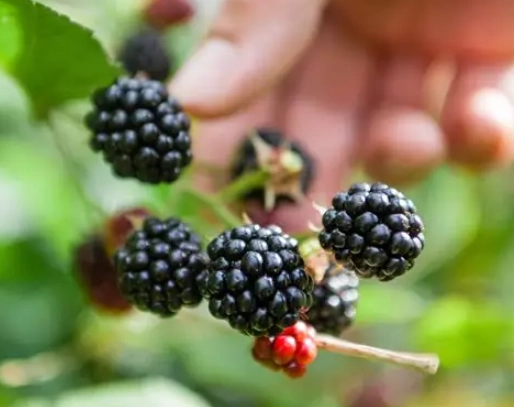
Cultivated Blackberries: This is where it gets interesting. Breeders have been busy. We now have categories that literally extend the season of blackberry in your garden:
- Floricane-bearing (Summer-bearing): These are the classics. They grow canes one year, flower and fruit on those same canes the next summer, then die back. They produce one large, traditional summer crop.
- Primocane-bearing (Everbearing): A game-changer. These varieties fruit on first-year canes. You often get a lighter fall crop from the tips, and then a larger summer crop from the lower buds the following year. Brands like 'Prime-Ark' have popularized this. They effectively stretch the season.
I planted a primocane variety called 'Prime-Ark Freedom' (thornless, thank goodness) a few years back. It's bizarre but wonderful to be picking a handful of berries in late September when everything else is done. It's like a bonus round for the season of blackberry.
So, if you're buying from a farm stand, they might have berries for months due to cultivated varieties. If you're foraging, your window is narrower and more precious.
How to Know They're Perfectly Ripe: The Ultimate Checklist
This is the heart of it. Picking at the right moment is everything. A ripe blackberry is a sublime thing. An underripe one is a punishment. Here’s your field guide.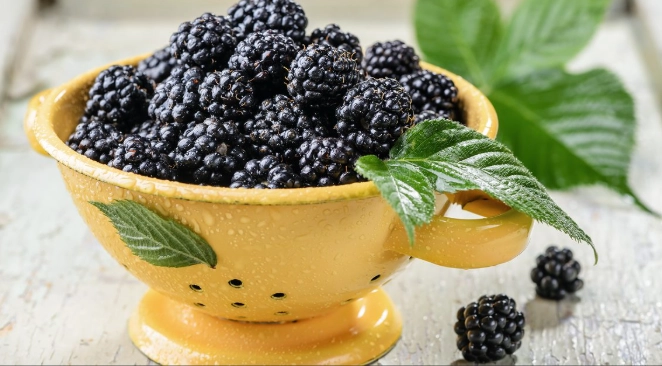
The Golden Rule: A blackberry does NOT ripen after it's picked. Unlike a banana or a peach, what you pick is what you get. No waiting for it to sweeten on the counter. This makes timing critical.
Visual Signs
- Color: This is the obvious one, but it's nuanced. The berry must be fully black with no traces of red. Not dark red, not purple-black. A deep, matte black. Shiny berries can sometimes still be underripe.
- Drupelets: Look at the little bumpy segments (drupelets). They should all be plump and swollen, with no wrinkling or shrunken bits.
Tactile Signs (The Most Important Test)
- The Feel: A ripe berry will feel heavy for its size and will detach with the lightest tug. If you have to pull, it's not ready. The receptacle (the white core) should stay on the plant. If the core comes out with the berry, it's overripe (though still usable for some things).
- Firmness: It should be firm but give slightly to gentle pressure, like a perfectly ripe peach. Mushy means it's past prime.
The Taste Test (The Final Judge)
When in doubt, eat one. It should be explosively sweet with a complex, wine-like tartness underneath. No dominant "green" or sour flavor. The seeds are part of the deal—they should crunch pleasantly.
A Negative Point: Let's be honest, foraging can be rough. The thorns are brutal (unless you find a thornless wild patch, a rare treasure). You'll get scratched, you'll get dirty, and you'll almost certainly stain something you love. Ticks and poison ivy/oak can be real concerns in some areas. It's not always a picturesque Instagram moment. Weigh the bounty against the potential hassle.
Mastering these signs is what turns a casual picker into someone who truly understands the season of blackberry.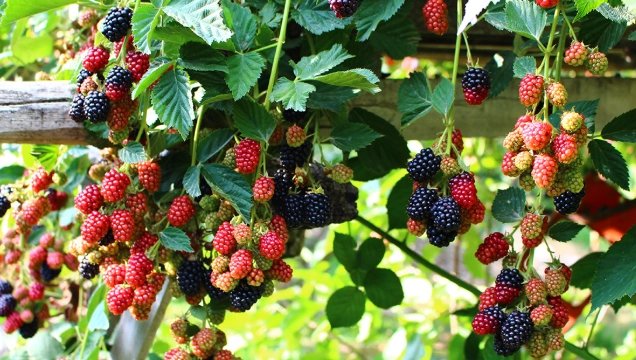
From Bramble to Kitchen: Handling Your Harvest
You've got your berries. Now what? How you treat them in the first hour determines their fate.
Picking Best Practices
- Containers: Use shallow containers. Piling berries deep in a bucket will crush the ones at the bottom. I use old berry baskets or flat plastic containers.
- Timing: Pick in the cool of the morning if possible. Berries picked in the hot sun will start to deteriorate faster.
- Sort as you go. Don't toss obviously crushed, moldy, or underripe berries in with the good ones.
Cleaning and Storing (The Do's and Don'ts)
Don't wash them until you're ready to use them. Water accelerates mold and makes them mushy.
Do spread them out in a single layer on a towel-lined tray when you get home. Pick out any remaining stems, leaves, or bugs (it happens). Let them air dry if damp from dew.
For immediate use: They'll keep in the fridge in a breathable container (like a paper-towel-lined bowl with a loose lid) for 2-3 days. But let's be real, they're best within 24 hours.
For long-term storage: Freezing is your friend.
- Do a dry freeze: Spread clean, dry berries in a single layer on a parchment-lined baking sheet.
- Freeze solid (2-3 hours).
- Transfer the now-individually-frozen berries to a freezer bag or container, squeeze out the air, and label it. They'll keep for a year like this, perfect for smoothies, jams, or baking later.
Freezing captures the essence of the season of blackberry, letting you taste summer in the dead of winter.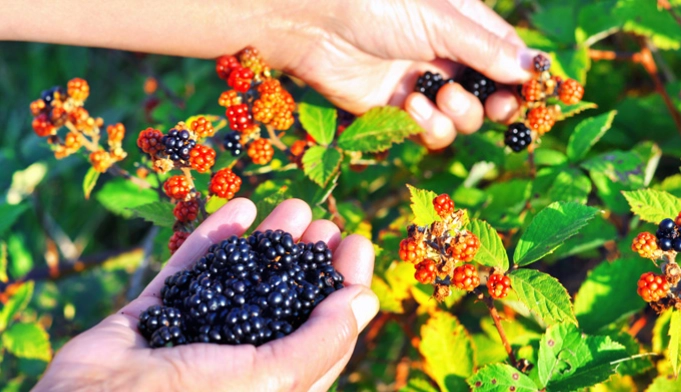
Why Bother? The Incredible Perks of Blackberries
Beyond the taste, there are solid reasons to seek out these berries during their season. The nutritional profile is seriously impressive.
Blackberries are packed with vitamins, fiber, and antioxidants. They're particularly high in Vitamin C, Vitamin K, and manganese. But the real headline is their antioxidant content, especially from compounds like anthocyanins (which give them that dark color) and ellagic acid. Research from institutions like the USDA Agricultural Research Service continues to explore the potential health benefits of these compounds, which are linked to reducing oxidative stress in the body.
But here's my personal take: the fiber content is no joke. Eat a big bowl and, well, your digestive system will know it. It's a good thing, but start slow if you're not used to it.
There's also the intangible benefit. The act of foraging or harvesting your own food is grounding. It connects you to the cycle of the year in a way buying a plastic clamshell never can. You appreciate the fruit more when you've worked for it.
Making the Most of Your Bounty: Beyond Just Eating Them Fresh
You can only eat so many fresh berries. Here’s what to do when you're inundated during the peak season of blackberry.
The Classic: Jam and Preserves
This is the most popular way to preserve the flavor. Blackberry jam is forgiving for beginners. The natural pectin in the seeds helps it set. You don't need fancy equipment to start—just a big pot, jars, and sugar. A touch of lemon juice brightens the flavor. The National Center for Home Food Preservation is the absolute bible for safe, tested canning procedures. Don't wing it with canning recipes you find on random blogs.
Simple Syrups, Coulis, and Shrubs
These are my favorite low-effort, high-reward projects.
- Syrup: Simmer berries with equal parts water and sugar, strain. Amazing on pancakes, in soda water, or drizzled over ice cream.
- Coulis: A pureed and strained sauce. Fancy-looking, incredibly easy. Great for dessert plating.
- Shrub (Drinking Vinegar): An old-fashioned mixer. Macerate berries with sugar, add vinegar, let it steep. Mix with sparkling water for a uniquely tangy, refreshing drink.
Baking and Desserts
Blackberry cobbler is a no-brainer. But also consider folding them into muffin batter (toss in flour first to prevent sinking), swirling them into cheesecake, or making a simple galette (a rustic, free-form tart). Their tartness cuts through sweet, buttery pastry perfectly.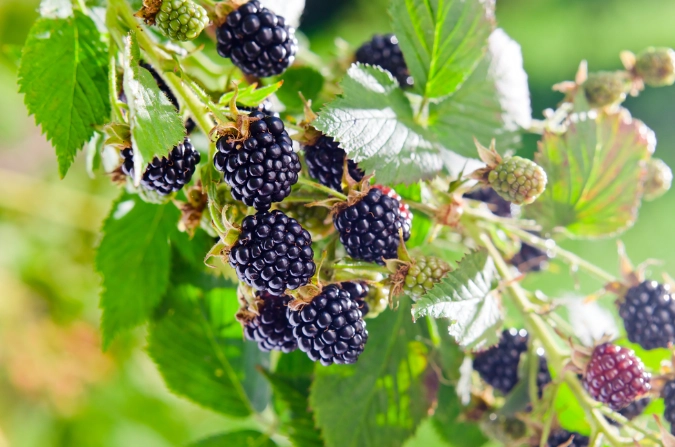
I once tried a blackberry and goat cheese tart. Sounded great. Looked beautiful. The flavor combination was... divisive. Let's just say my family preferred the classic cobbler. Not every experiment is a winner.
Savory Pairings
Don't box them into dessert. A blackberry pan sauce for duck or pork is restaurant-level impressive. Toss a handful into a salad with goat cheese, nuts, and a vinaigrette. The sweet-acidic punch is incredible.
Your Season of Blackberry Questions, Answered
Is there a difference between blackberries and black raspberries?
Yes, a big one! When you pick a blackberry, the white core (receptacle) stays inside the fruit. When you pick a black raspberry, the core is left behind on the plant, leaving a hollow cup. Black raspberries are also smaller, more delicate, and have a fuzzier surface. Their season is usually earlier and much shorter.
Can I pick blackberries after the first frost?
You can, but quality plummets. A hard frost turns them mushy and bland. A light frost might actually concentrate sugars in some late-hanging berries, but it's a gamble. The prime season of blackberry is definitively over after a hard freeze.
Why are my garden blackberries not producing fruit?
This is a huge gardener's headache. Common reasons: 1) Wrong pruning: You might have cut back the canes that were supposed to fruit this year (a classic mistake with summer-bearing types). 2) Not enough sun: They need full sun for maximum fruit. 3) Poor pollination: While mostly self-fertile, bees still need to visit. 4) Nutrient issues: Too much nitrogen gives you lots of leaves and no berries.
Are wild blackberries safe to eat?
Generally, yes, if you are 100% sure of the identification (they are distinct from other potentially toxic brambles). The bigger concerns are pollution (don't pick near busy roads or industrial areas) and pesticides (avoid areas that may have been sprayed). Always wash thoroughly.
What's the best way to freeze blackberries without them becoming a solid block?
I mentioned the dry-freeze method above. It's the only reliable way. Skipping the tray-freeze step and just dumping them in a bag will result in a giant, unusable berry glacier. Trust me, I've done it. The tray step is non-negotiable.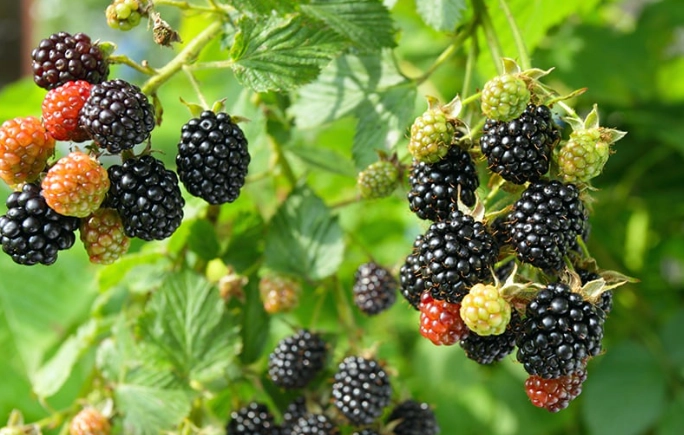
Wrapping It Up: Embracing the Brief, Beautiful Window
The season of blackberry is a lesson in paying attention. It asks you to notice the subtle shift from red to black, to feel the perfect give of a ripe berry, to brave the thorns for the reward. It's messy, it's temporary, and it's completely worth it.
Whether you're a seasoned forager with secret spots or a gardener tending a few thornless canes on a patio, the rhythm is the same. Watch, wait, and then dive in when the time is right. That concentrated burst of flavor—sweet, tart, and deeply summery—is your prize for tuning into nature's schedule.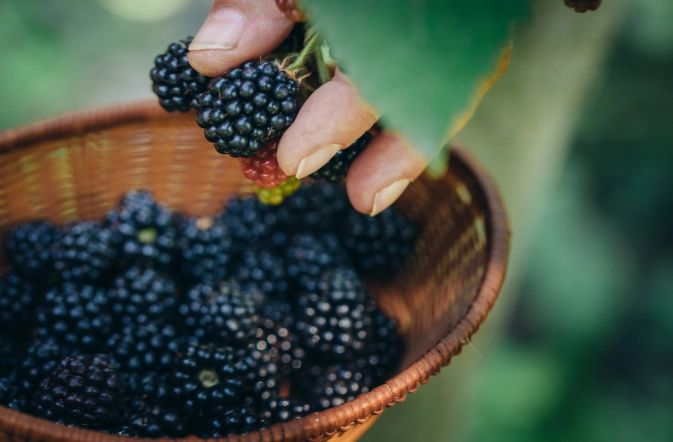
So mark your mental calendar based on your region, get your containers ready, and keep an eye on those brambles. The season of blackberry waits for no one, but while it's here, it offers nothing but abundance.
Reader Comments