Quick Guide
- Why Bother with Paste Tomatoes? The Irresistible Case
- The Ultimate Showdown: Top Paste Tomato Varieties
- From Seed to Sauce: Growing Paste Tomatoes Successfully
- The Harvest and The Glory: Processing Your Paste Tomatoes
- Common Questions (And Real Answers) About Paste Tomatoes
- Beyond the Basic Sauce: Creative Uses for Your Harvest
- Wrapping It Up: Your Next Step with Paste Tomatoes
Let's talk about paste tomatoes. You know, the ones that don't get the same Instagram glory as a perfect, glossy beefsteak slice. For years, I just grabbed whatever tomatoes were on sale for my sauce, and it was always a watery, time-consuming mess. Then I grew my first San Marzano. Game changer. The difference in the kitchen is like night and day. If you've ever spent hours simmering a pot of sauce only to end up with something thin, or if you're curious about canning your own harvest, this is for you. We're going deep on everything paste tomato.
So what makes a paste tomato different? It's all about the flesh. While your typical slicing tomato is a juicy, seedy balloon, a paste tomato is denser, meatier, and has fewer seeds and less water. Think of it as the concentrated essence of tomato flavor. This isn't just gardening snobbery—it has real, practical consequences when you cook. Less water means your sauce thickens in half the time, and the flavor is more intense, less diluted. I wish someone had explained this to me before I wasted a whole season's crop on mediocre salsa.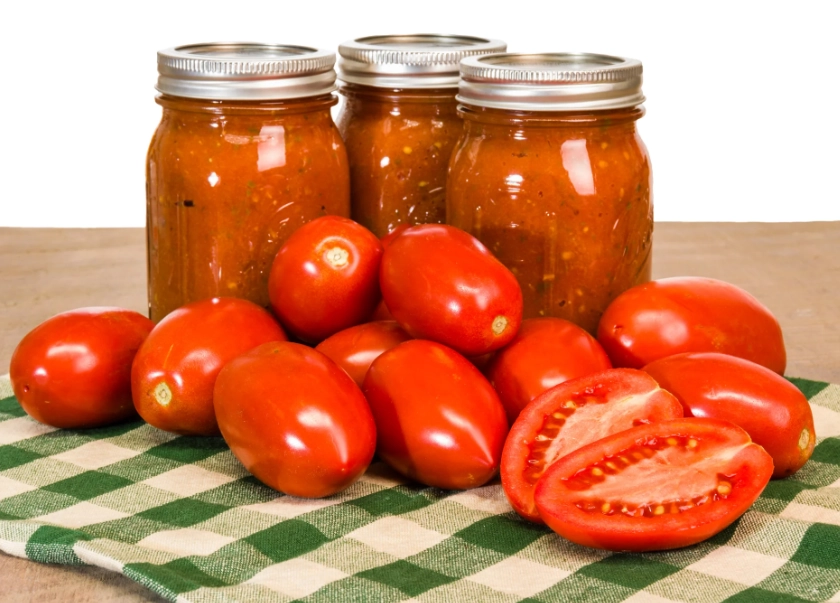
Why Bother with Paste Tomatoes? The Irresistible Case
You might be thinking, "A tomato is a tomato, right?" I used to think that too. But choosing the right tool for the job matters. If you're making a sandwich, you want a juicy beefsteak. If you're building a bookshelf, you need a saw, not a butter knife. For sauces, pastes, ketchup, canning, and drying, paste tomatoes are your power tool.
The main advantage is efficiency. Because they have a higher solids content (sometimes called "brix"), you need fewer tomatoes to make a given amount of paste or sauce. The University of California's Division of Agriculture and Natural Resources has publications that detail the fruit characteristics ideal for processing, which align perfectly with what we look for in paste tomatoes—thick walls and minimal seed cavities. Less water to cook off means less fuel (or electricity), less time stirring the pot, and a deeper, richer flavor that doesn't taste boiled. The flavor profile is often described as less acidic and more balanced, though that can vary by variety.
From a gardening perspective, many paste tomato varieties are determinate or semi-determinate. This means the plant grows to a certain size, sets most of its fruit over a few weeks, and then it's done. Why is this good? If you're canning, you want a big, predictable harvest all at once, not a trickle of fruit all summer. It makes planning your canning day so much easier. Of course, there are indeterminate paste varieties too if you prefer a longer season.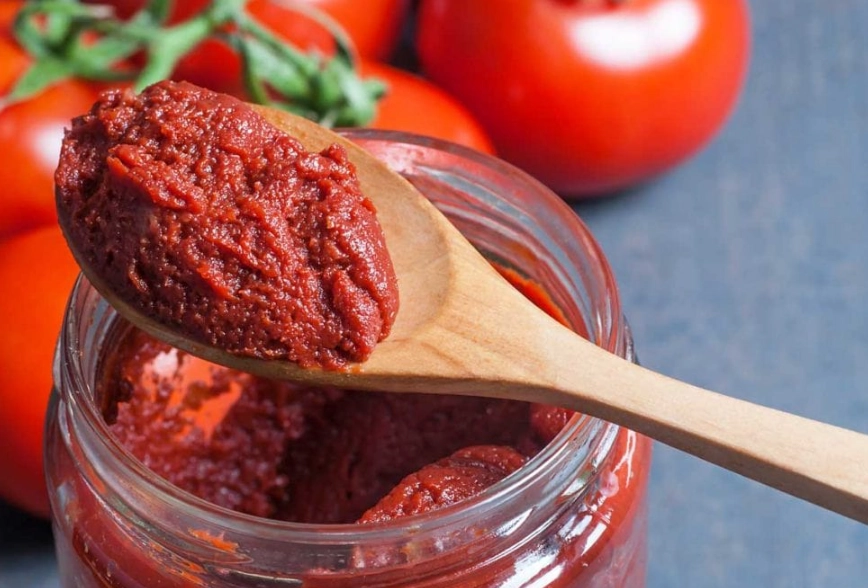
The Ultimate Showdown: Top Paste Tomato Varieties
This is where it gets fun. Walking into a nursery and seeing twenty different types of paste tomatoes can be overwhelming. I've grown probably a dozen over the years, and some have become permanent residents in my garden, while others were a one-season experiment. Here’s a breakdown of the heavy hitters and a few underdogs.
| Variety | Type (Determinate/Indeterminate) | Days to Maturity | Key Characteristics & Best For | My Personal Take |
|---|---|---|---|---|
| San Marzano | Indeterminate | 75-80 | The gold standard. Long, pointed fruit, thick flesh, few seeds. Legendary for sauces. Authentic San Marzano seeds from Italy are prized. | Flavor is incredible, but in my humid climate, it's prone to disease. A bit diva-ish but worth the trouble. |
| Roma (also called Roma VF) | Determinate | 75-80 | The classic, reliable workhorse. Oval shape, thick walls. Disease-resistant. Consistent producer. | The Toyota Corolla of paste tomatoes. Not glamorous, but always gets the job done. Perfect for beginners. |
| Amish Paste | Indeterminate | 80-85 | Large, heart-shaped fruits. Meaty with a rich, sweet flavor. Versatile for sauce or slicing. | A favorite. Huge yields, amazing flavor. The fruits can be irregular, which I find charming. |
| Big Mama | Hybrid, Determinate | 76 | Large, blocky fruits (5 oz+). Very meaty with little gel. High yield on compact plants. | Shockingly productive. The name doesn't lie. Great for gardeners with limited space. |
| Juliet (Hybrid) | Indeterminate | 60 | Small, oblong "grape" style. Crack-resistant, prolific, and sweet. Can be eaten fresh or cooked. | A superstar. Produces like crazy from early summer to frost. Less "pastey" texture but so reliable. |
| Opalka (Heirloom) | Indeterminate | 80-90 | Long, skinny, twisted fruits. Intense, almost smoky flavor. Very dry flesh, ideal for paste. | Weird-looking and fantastic. The flavor is unique and complex. Low yield, but a treat for sauce purists. |
Choosing depends on your goals. Want maximum sauce with minimal fuss in a small space? Go with a determinate like Roma or Big Mama. Have a big trellis and want to can in batches all season? An indeterminate like Amish Paste is your friend. Don't be afraid to try a few. I always grow at least two different kinds—a reliable hybrid and one heirloom for flavor adventure.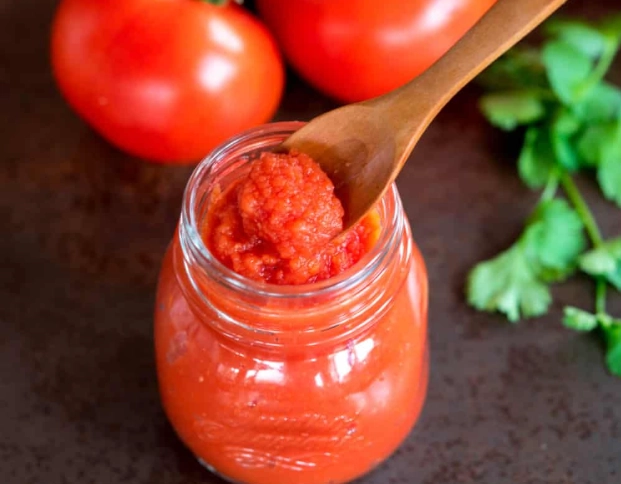
Heirloom vs. Hybrid Paste Tomatoes: The Eternal Debate
This is a personal choice with real trade-offs. Heirloom paste tomatoes, like Opalka or many San Marzano strains, are open-pollinated. You can save the seeds and get the same plant next year. Their flavor is often described as more nuanced and complex. The downside? They can be less resistant to common tomato diseases like fusarium wilt or verticillium. The plants might be less vigorous, and the yield can be lower.
Hybrids (like Big Mama, Juliet, or many modern Romas) are bred for specific traits: disease resistance (look for codes like VFNT), crack resistance, uniform fruit size, and higher yield. They are incredibly reliable and productive, which is a huge plus if you're depending on your harvest for winter stores. The flavor is often excellent, though some purists argue it lacks the depth of the best heirlooms. For a new gardener or someone who has lost plants to disease before, starting with a robust hybrid is a smart, no-fuss strategy. The Royal Horticultural Society (RHS) offers excellent, science-backed advice on selecting vegetable varieties for disease resistance, which is a crucial factor for many gardeners.
My approach? I plant both. I rely on a hybrid for my bulk canning needs, and I grow an heirloom or two for special sauces where I want that standout flavor. It's the best of both worlds.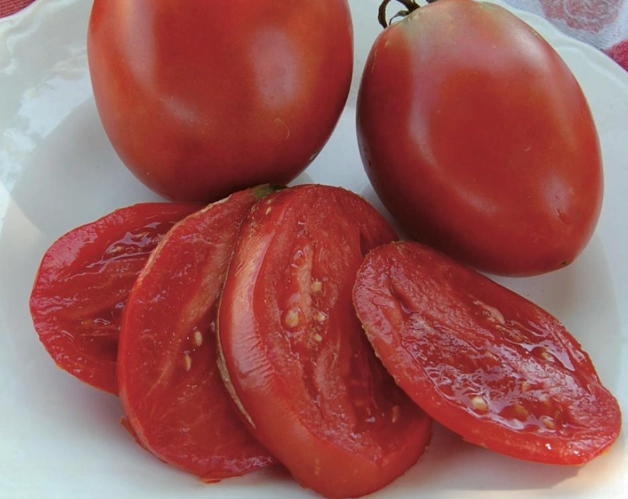
From Seed to Sauce: Growing Paste Tomatoes Successfully
Growing paste tomatoes isn't radically different from growing other tomatoes, but a few tweaks can lead to a much better harvest. They crave sun, heat, and consistent moisture. A stressed plant won't produce those dense, meaty fruits we're after.
The Non-Negotiable Growing Checklist:
- Full Sun: At least 8 hours. More is better. They are solar-powered flavor factories.
- Deep, Rich Soil: Amend your soil with plenty of compost. Tomatoes are heavy feeders. A soil test isn't a bad idea to check pH (aim for 6.2-6.8).
- Sturdy Support: Even determinate plants get heavy with fruit. Use strong cages, stakes, or a trellis system. I learned this the hard way when a loaded Roma cage collapsed in a storm.
- Consistent Watering: Inconsistent watering (dry spells followed by heavy watering) is the main cause of blossom end rot and fruit cracking. A soaker hose or drip irrigation on a timer is a game-changer.
- Warm Soil: Don't rush them outside. Wait until soil temperatures are reliably above 60°F (15°C). Cold soil stunts them for the whole season.
One thing I do differently with my paste tomatoes is go a bit lighter on nitrogen fertilizer once flowering starts. Too much nitrogen gives you a gorgeous, bushy plant with few fruits. You want a fertilizer higher in phosphorus and potassium to encourage flowering and fruit development. A simple side-dressing of compost or a balanced organic fertilizer when fruits start to form works wonders.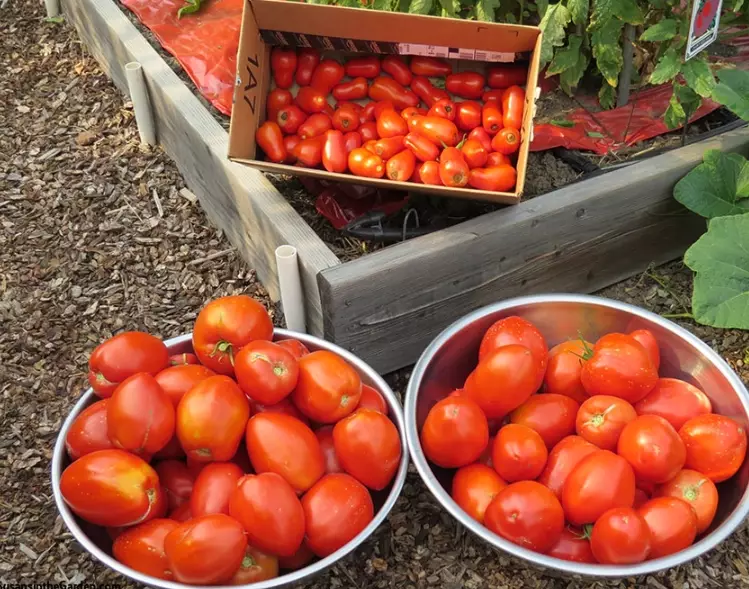
The Harvest and The Glory: Processing Your Paste Tomatoes
This is the payoff. You've grown these beautiful, meaty fruits. Now what? The process is simple, but a few tips make it smoother.
First, you don't always have to peel them. For a rustic sauce where texture is welcome, a quick wash, removal of the core, and a rough chop is all you need. The skins will soften during a long cook. For a super-smooth sauce, ketchup, or paste, peeling is recommended. The classic method is to score an X on the bottom, blanch in boiling water for 30-60 seconds, then plunge into ice water. The skins slip right off. For a large batch, I sometimes roast them whole first—the skins burst and are easy to remove, plus you get that incredible roasted flavor.
Seeding is optional with paste tomatoes, and this is a major time-saver! Because they have fewer seeds and less gel, you can often skip the seeding step altogether. If you're using a food mill or Victorio strainer after cooking, it will catch any seeds and remaining skin, so you can just quarter them and go.
Making Real Tomato Paste at Home
This might sound intimidating, but it's one of the most satisfying things you can do. Store-bought paste in a can has nothing on the deep, sweet, concentrated flavor of homemade. And with paste tomatoes, it's efficient.
- Cook Down: Start with your peeled/cored/chopped tomatoes. Cook them in a wide, heavy-bottomed pot (more surface area = faster evaporation) until they completely break down.
- Purée & Strain: Run the cooked tomatoes through a food mill or fine sieve to remove any remaining seeds and skin. You now have a thick purée.
- The Long Simmer: Return the purée to the pot (or spread on baking sheets for oven-drying). Cook over very low heat, stirring very frequently to prevent scorching, until it reduces to a thick, dark paste that holds its shape on a spoon. This can take several hours. Adding a pinch of salt helps draw out moisture.
- Preserve: Freeze in ice cube trays, then pop out the cubes into a bag for easy use. You can also can it using a tested, safe method from a source like the National Center for Home Food Preservation. Their guidelines are the bible for safe canning practices.
Is it a project? Yes. Is it worth it for a special batch? Absolutely. The flavor is transformative.
Common Questions (And Real Answers) About Paste Tomatoes
I get asked these all the time, so let's clear them up.
Beyond the Basic Sauce: Creative Uses for Your Harvest
Don't just stop at spaghetti sauce. Paste tomatoes are incredibly versatile.
- Sun-Dried (Oven-Dried) Tomatoes: Slice in half lengthwise, toss with a little olive oil and herbs, and dry in a low oven (200°F/95°C) for several hours until leathery. Store in oil. The flavor is insane.
- Homemade Ketchup: So much better than store-bought. You control the sweetness and spice.
- Tomato Jam: A sweet-savory condiment that's amazing with cheese and crackers.
- Bloody Mary Base: Make a seasoned, concentrated purée and freeze it. Mix with vodka and your favorite fixings for a garden-fresh cocktail.
- Pizza Sauce: A simple purée of cooked paste tomatoes, garlic, oregano, and a pinch of salt makes the best, freshest pizza sauce. No need to cook it down for hours.
The beauty of growing your own is experimenting. One year I made a fermented tomato paste, inspired by traditions from the Caucasus region. It was funky, intense, and delicious. Don't be afraid to play with your food.
Wrapping It Up: Your Next Step with Paste Tomatoes
If you take one thing from this, let it be this: not all tomatoes are the same for cooking. Choosing the right variety—a good paste tomato—fundamentally changes your results in the kitchen for the better. It saves time, concentrates flavor, and makes preservation projects actually enjoyable instead of a slog.
Start small. Pick one variety that suits your climate (maybe a reliable Roma or a prolific Juliet), give it a good spot in the sun, and see what happens. Taste that first sauce made from your own, meaty, homegrown paste tomatoes. That taste, that deep red color, that satisfaction—that's what it's all about. It turns gardening from a hobby into a genuine source of nourishment. And honestly, it makes you feel like a bit of a kitchen wizard. Now, if you'll excuse me, I need to check on my Amish Paste seedlings. They should be ready for their big pots any day now.
Reader Comments