In This Guide
You've nurtured those vines all summer. Watched the tiny fruits swell from promising yellow flowers. Now they sit there, looking... almost ready. But are they? Picking butternut squash at the wrong time is the quickest way to turn months of effort into a bland, stringy disappointment or a mushy, rotten mess in storage. I know because I've done both. One year I got overexcited and harvested a whole batch too early. Let's just say the soup was lacking.
Getting the timing right isn't just gardening lore; it's the difference between a vegetable that tastes like sweet, nutty heaven and one that's just... meh. So let's cut through the guesswork. This isn't about a single magical date on the calendar. It's about learning to read the signs the plant gives you.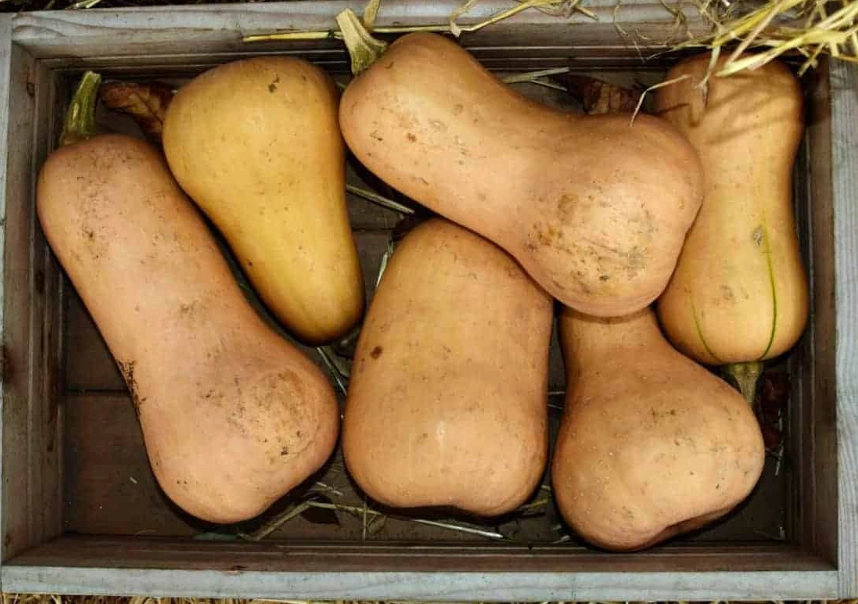
Reading the Plant's Signals: How to Tell It's Time
Forget the calendar for a minute. Your squash plant is talking to you. You just need to know what to look for. Knowing when to pick butternut squash comes down to a combination of clues. Think of it as a checklist. The more boxes you tick, the more confident you can be.
The Color Test (The Most Obvious Sign)
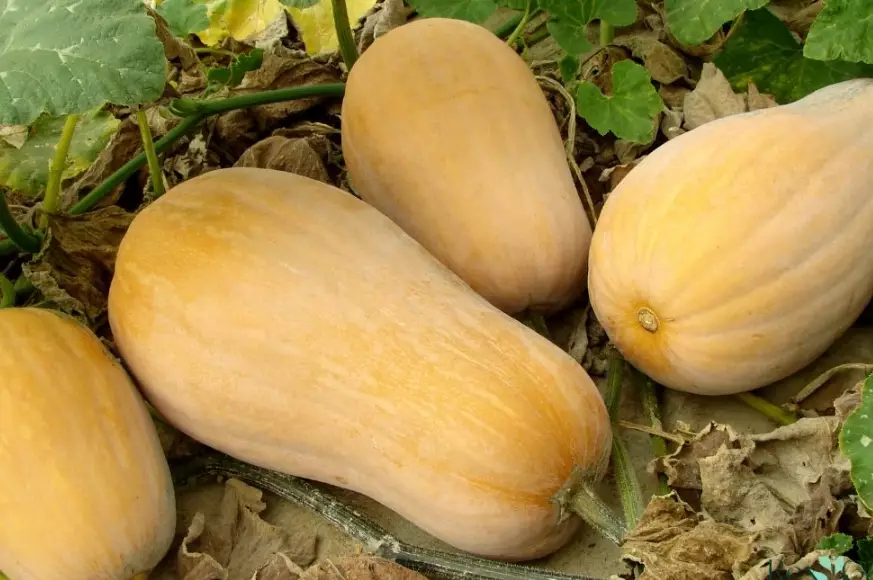
A mature butternut squash undergoes a distinct color change. The skin deepens from a bright, creamy yellow or pale green to a uniform, deep tan or beige color. That iconic peanut-butter hue is what you're after. Any lingering pale patches or green streaks, especially near the stem, mean it's still converting sunlight into sugars. Wait.
Here's a nuance most guides miss: check the ground spot. The part of the squash resting on the soil. When the squash is immature, this spot is often pale white or yellow. At full maturity, this spot should also turn that same deep tan. If it's still a stark white, give it more time.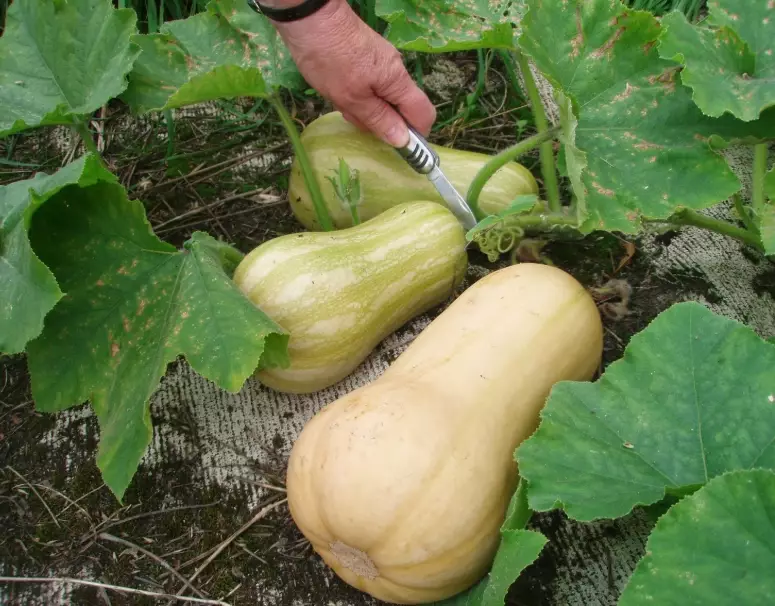
The Rind Test (The Fingernail Challenge)
This is the gold standard test. Take your thumbnail and try to puncture the skin of the squash, not on a rib but on a flat section. If your nail easily pierces or leaves a deep scratch mark, the rind is too soft. It's not ready. On a mature squash, the rind should be so hard that your nail cannot penetrate it. It might leave a faint shiny line at best. It should feel like a hard-shell suitcase, not a soft backpack.
I can't stress this enough. The hard rind is non-negotiable for storage. A soft rind equals a short shelf life and vulnerability to rot.
The Stem Test (The Dependable Corky Sign)
Look at the stem (the vine attached to the fruit). When the squash is mature, the stem will start to dry out, turn brown, and become corky and woody. It often looks cracked and rough. If the stem is still green, fleshy, and pliable, the squash is still actively receiving nutrients from the vine. It's not ready for you to decide when to pick butternut squash just yet.
Sometimes, the vine leading to the squash will even start to die back and turn brown. The plant is essentially saying, "I'm done with this one." That's a clear invitation.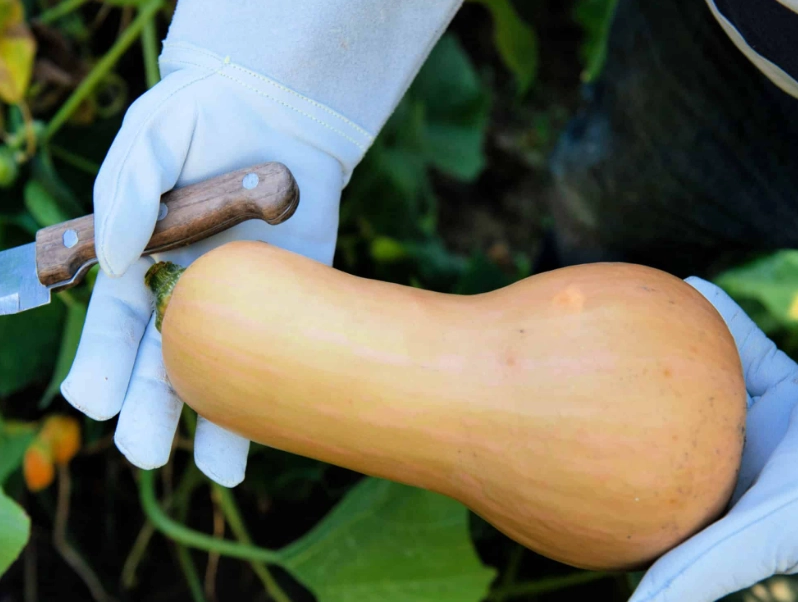
The Sound Test (The Thump Method)
This one is a bit more subjective but useful with practice. Give the squash a firm knock with your knuckles. An immature, fleshy squash will produce a dull, solid thud. A mature, fully developed squash with a hollow cavity inside (where the seeds are) will produce a deeper, more hollow sound. It's similar to thumping a watermelon, but the difference is subtler. Don't rely on this alone, but use it to confirm other signs.
The Calendar & The Frost: Your Environmental Guides
Okay, we've read the plant's body language. Now let's look at the context. While not a primary cue, timing gives you a framework.
Days to Maturity: A Rough Blueprint
Every seed packet has a "Days to Maturity" number, usually between 80 and 110 days for butternut squash. This is counted from the day you transplant a seedling outdoors or from direct seeding after the danger of frost has passed. Mark this date on your garden calendar. It's your harvest *window*, not your harvest *day*. Start your visual inspections about 10 days before this date.
Why is it a window? Weather, soil fertility, and sunlight all affect growth. A cool, cloudy summer will push maturity later. A heatwave might accelerate it slightly.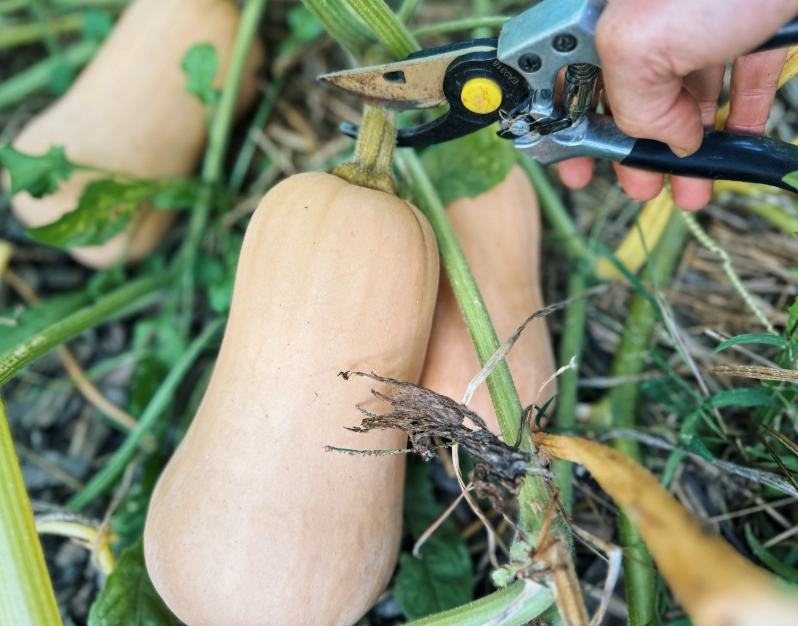
| Common Butternut Variety | Typical Days to Maturity | Notes for Harvest Timing |
|---|---|---|
| Waltham Butternut | 85-100 days | The classic. Very reliable signals. Often used as a benchmark. |
| Butterbaby / Butterscotch | 75-85 days | Smaller, bush type. Can mature faster. Don't let size fool you—still check rind hardness. |
| Atlas Butternut | 100-110 days | Larger, later variety. Needs a long season. Be patient. |
| Pureed Butternut | 95-105 days | Bred for smooth texture. Color can be a slightly deeper orange-tan when ready. |
The Frost Factor: The Non-Negotiable Deadline
This is critical. Butternut squash plants and fruit are very sensitive to frost. A light frost (temperatures between 29°F and 32°F / -2°C to 0°C) will damage the vines and can harm the fruit itself, especially the stem end, making it impossible to cure and prone to rot.
Here's the rule: Frost beats ripeness.
If a hard frost is forecast (temps below 28°F / -2°C) and your squash are *close* to mature—they have good color and are hardening up—you should harvest them all before the frost hits. A frost-damaged squash will not store well. It's better to have a slightly less sweet squash than a ruined one.
For the most accurate first frost dates in your specific area, your local university's cooperative extension service is an invaluable, hyper-local resource. For example, gardeners across the US can find detailed frost date calculators and guides through the University of Minnesota Extension or their own state's equivalent.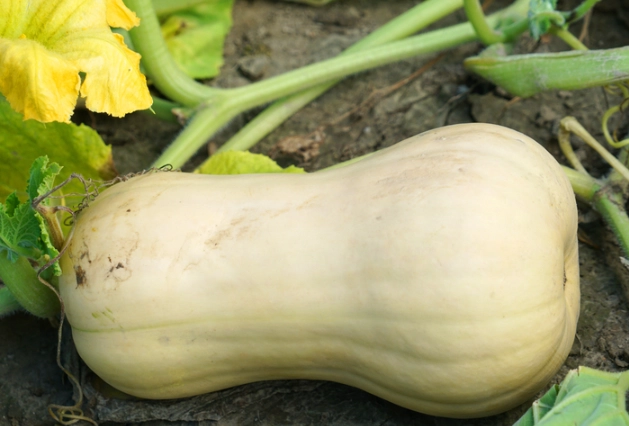
What Happens If You Get It Wrong? (The Consequences)
Let's be real. Sometimes we mess up. Understanding the consequences makes you a better harvester.
Picking Too Early
- Flavor: The biggest casualty. The squash will be starchy, bland, and lack that signature nutty sweetness. The sugars simply haven't developed fully.
- Texture: The flesh can be stringy or watery.
- Storage: Poor. The rind is soft, making it susceptible to bruising and rot. It might only last a few weeks instead of months.
- Can you fix it? Not really. You can still cook and eat it, but it won't be great. Some people say bringing them indoors to a warm spot can help a *little* with further hardening of the rind, but it does not improve sweetness.
Picking Too Late
- Frost Damage: As mentioned, this is the main risk of being too late. The fruit flesh breaks down, leading to rapid spoilage.
- Over-maturity: If left on the vine too long in good weather, the flesh can start to become fibrous and dry. The seeds inside may be overly large and hard.
- Pest & Disease: The longer it sits, the more exposed it is to slugs, squash bugs, field mice, and fungal rots.
The Harvesting Process: Doing It Right
So you've checked the signs, the color is deep tan, the rind is hard, the stem is corky, and frost is nowhere in the forecast. Now what? How you pick is almost as important as when.
- Use the Right Tool: Use sharp pruning shears or a sturdy knife. Do not twist or pull the squash off the vine. You risk tearing a large wound in the squash flesh near the stem, which is an open door for rot.
- Leave a Long Stem: Cut the stem, leaving a handle at least 2-3 inches long. Think of this stem as a protective seal. If it breaks off flush with the squash, you've created a wound. A squash without a stem won't store nearly as long.
- Handle with Care: Even with a hard rind, avoid dropping or throwing them into a bucket. Bruising can lead to soft spots that rot later. Treat them like eggs you plan to keep for half a year.
- Clean Gently: If the squash is muddy, wipe it gently with a dry cloth. Do not wash it with water. Washing removes the natural protective coatings on the rind and introduces moisture, encouraging mold. Any remaining soil will dry and brush off later.
Curing and Storage: The Final, Critical Steps
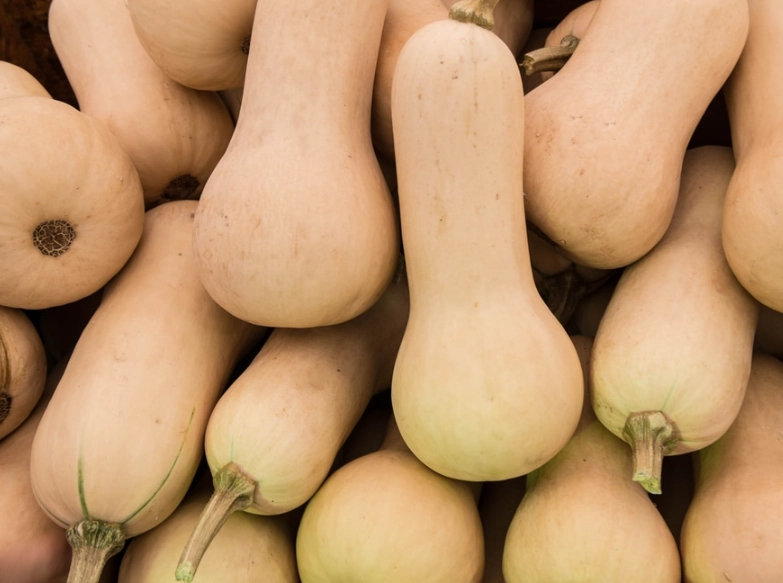
Harvesting isn't the end. For long-term storage, you need to cure the squash. This process further hardens the rind and heals any minor scratches or the stem cut, sealing the fruit.
How to Cure: Place your harvested squash in a warm, dry, well-ventilated spot. Ideal conditions are 80-85°F (27-29°C) with good air circulation for about 10-14 days. A sunny porch, a greenhouse bench, or even the top of a warm garage works. I line mine up on a table in my sunroom.
During curing, you might notice the skin getting even harder and the color deepening slightly. This is good. It also gives any small nicks a chance to callous over.
Long-Term Storage: After curing, move the squash to a cool, dark, and dry place for storage. The perfect storage conditions are around 50-55°F (10-13°C) with 50-70% humidity. A basement, root cellar, or unheated spare room is ideal. Do not store them in the refrigerator—it's too cold and humid, which causes chilling injury and decay.
Check them every few weeks for soft spots. Use any with blemishes first. A properly harvested and cured Waltham butternut can easily store for 3-6 months, often lasting you well into winter.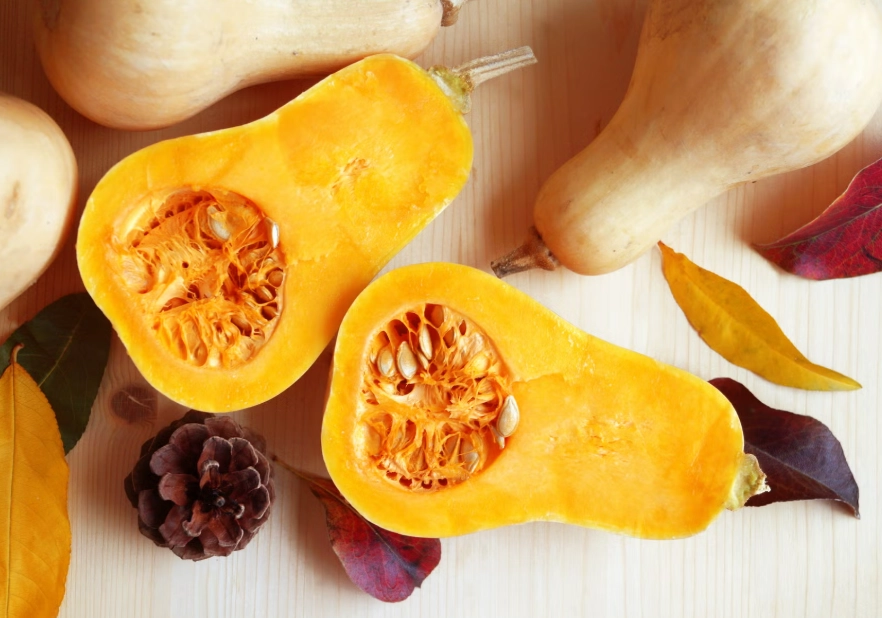
Your Butternut Squash Harvest Questions, Answered
Figuring out when to pick butternut squash feels like a mystery until you've done it a few times. Then it becomes instinct. You'll walk the garden, give one a knock, press a thumbnail against it, and just know. It's one of the most satisfying feelings in gardening—harvesting a crop that will feed you for months. Start with the fingernail test. Trust the hardness of the rind. Keep an eye on the fall sky. You'll get it right.
And if you do pick one a week too early? Don't sweat it. Make a soup right away. It'll still be good, and you'll have learned for next time. That's how gardening works.
Reader Comments