Let's be honest. You've put in the work. You planted the seeds, watered them, fought off the bugs (maybe), and watched those little vines sprawl all over the place. Now comes the moment of truth. You're standing in your garden, staring at a bunch of cucumbers, and the question hits you: when to pick pickling cucumbers? Pick them too early, and they might be a bit bland, a bit too small. Pick them too late, and... well, you get those seedy, yellow, mushy monsters that are only good for the compost. I've been there. I've made the yellow cucumber mistake. It's not a good feeling.
Getting the timing right isn't just gardening trivia. It's the difference between a jar of crisp, flavorful, perfect pickles and a sad, soggy disappointment. The good news? It's not rocket science. Once you know what to look for, it becomes second nature. This guide is going to walk you through every single sign, every little trick, and every common pitfall so you'll never second-guess yourself again.
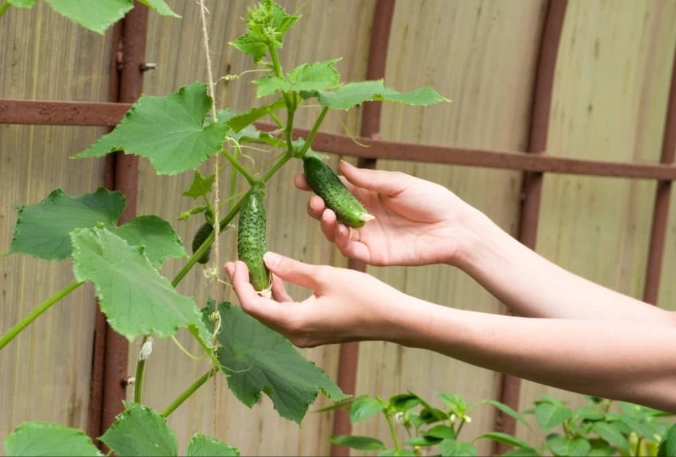 Timing is everything. And for pickling cukes, it's the whole game.
Why does it matter so much? A cucumber picked at its peak has the ideal balance of moisture, firm flesh, tiny seeds, and that fresh, crisp snap. This is the foundation for a good pickle. As it matures past that point, it starts converting its sugars, the seeds enlarge and harden, the flesh becomes more watery and less dense, and the skin toughens. For fermenting or vinegar-brining, that peak-cucumber texture is non-negotiable.
In This Guide
- Forget the Calendar: The Real Signs of a Ready Pickling Cucumber
- How to Actually Pick Them (The Right Way)
- What Happens Right After Picking? (The Post-Harvest Clock)
- What If You Mess Up? (We All Do)
- Answers to the Questions You're Actually Searching For
- Going Beyond the Basics: Variety Matters
- The Big Picture: Why This All Matters for Your Pickles
- Wrapping It Up: Your Action Plan
Forget the Calendar: The Real Signs of a Ready Pickling Cucumber
Don't just go by "50 days after planting" or whatever the seed packet says. Those are guidelines. Your plants don't read packets. The real answer to when to pick your pickling cucumbers is written on the cucumber itself. You need to become a cucumber detective. Here’s your checklist.
The Size Test (It's the Most Obvious One)
This is your starting point. Most pickling cucumber varieties are meant to be harvested small. But "small" is relative.
- For classic gherkins or cornichons: Think 1 to 3 inches long. Tiny, prickly, and super crisp.
- For standard picklers (like Boston Pickling, National Pickling): The sweet spot is typically between 3 and 6 inches long. At this size, they're firm, the seeds are just tiny specks, and the diameter is still nice and slender (about 1 to 1.5 inches thick).
- My personal rule: If it looks like a fat, glossy supermarket cucumber, you've probably waited too long for ideal pickling. Those are slicers.
But size alone can fool you. A stressed plant might produce small but mature fruit. So you need more clues.
The Color & Skin Clues
Color is a huge giveaway. A perfect pickling cucumber should be a consistent, medium to dark green. Not pale, not yellowish.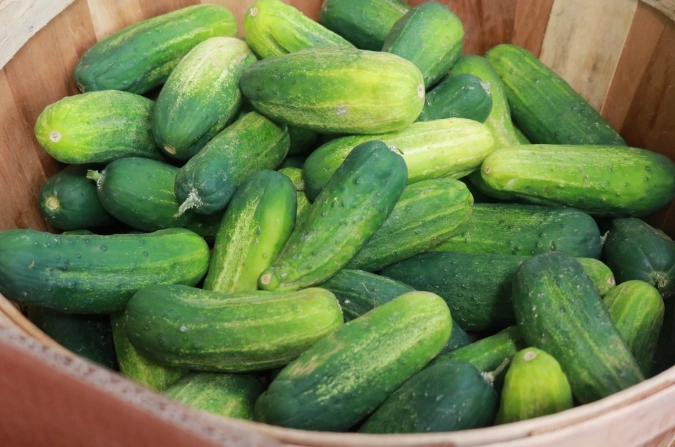
The Firmness & Feel Check
This is where you get hands-on. Gently squeeze the cucumber. It should feel solid and dense, like a firm zucchini. There should be no give, no soft spots. If it feels at all spongy or flexible, it's over the hill. A fresh, young cucumber will feel almost heavy for its size because the flesh is tight and packed with water, not pithy internal cavities.
The Time & Growth Rate Factor
Cucumbers are speed demons in warm weather. I'm not kidding. You can literally miss the perfect window in 24-48 hours during a heatwave. Once they start sizing up, check your plants every single day. A cucumber can go from perfect to puffy surprisingly fast. If you're unsure about when to pick pickling cucumbers from your garden, daily inspection is your best friend.
How to Actually Pick Them (The Right Way)
So you've identified the perfect candidate. Now, don't ruin it by yanking! The goal is to harvest without damaging the vine, which is still producing more flowers and future cucumbers.
- Use a tool. A small pair of sharp garden snips, scissors, or a knife is ideal. Your fingers can sometimes tear the vine.
- Cut the stem. Leave about a quarter to a half inch of stem attached to the cucumber. Don't cut it flush. This little “handle” helps prevent the blossom end from rotting quickly and is just good practice. Cut the stem about a half-inch above the fruit.
- Be gentle with the vine. Move leaves aside carefully. Cucumber vines are more delicate than they look.
When is the Best Time of Day to Harvest?
This one matters more than people think. Always try to pick your cucumbers in the early morning, if you can. Why? The plants are full of water from the cool night, and the fruits are at their crispiest. The heat of the day hasn't had a chance to stress them out or warm them up. If you pick in the afternoon, they can be a bit limp, and that's not the ideal starting texture for pickles. If morning isn't possible, late evening is your next best bet.
What Happens Right After Picking? (The Post-Harvest Clock)
You've nailed the timing for when to pick pickling cucumbers. Great! But the clock is still ticking. Cucumbers are about 95% water and start losing moisture and crispness the moment they're separated from the vine.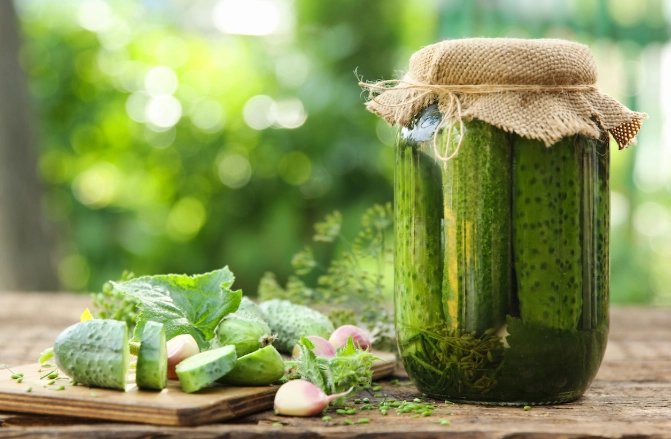
What should you do immediately?
- Don't let them sit in the sun. Get them out of direct sunlight and into a cool place ASAP.
- Wash them gently in cool water to remove soil and any prickles. Dry them thoroughly.
- The Golden Rule: Process them within 24 hours. For the absolute best quality, pickle them the same day you pick them. The flavor and texture are unparalleled. If you must wait, store them unwashed in the crisper drawer of your refrigerator. They might last a few days, but they will not be as crisp as day-one cukes.
What If You Mess Up? (We All Do)
Okay, let's talk about the real world. You'll miss some. You'll find a giant yellow one hiding under a leaf. It happens. Here's your damage control guide.
If You Picked Them Too Small
Honestly, this isn't a big problem. Very small cucumbers (1-3 inches) make fantastic, crunchy cornichon-style pickles. They might have a slightly more intense, sometimes slightly bitter skin flavor, but many people love that. Just use them! They're precious.
If You Picked Them Too Late (The Yellow/Big Ones)
This is the more common “oops.” All is not lost, but your options change.
- Seeds are the enemy. The first step is to cut the cucumber lengthwise and scoop out all the large, developed seeds and the pulpy center surrounding them.
- Peel it. The skin is likely tough and bitter. Peel it off.
- Now, make relish! This is the perfect fate for overgrown cucumbers. Chop the firm outer flesh and make a fantastic cucumber relish. The texture works perfectly.
- Or, add to salads. They're still edible, just not ideal for classic pickles. Dice them up for a salad, but expect more seeds and less crunch.
Don't try to use them for fermented dill pickles or bread-and-butters expecting a crisp result. You'll be disappointed. Relish is their redemption.
Answers to the Questions You're Actually Searching For
Going Beyond the Basics: Variety Matters
Not all pickling cucumbers are the same. While the general rules apply, some varieties have their own quirks.
- Boston Pickling: A classic. Great at 4-6 inches. Very reliable signs.
- National Pickling: Similar to Boston, known for its blocky shape that's perfect for fitting in jars.
- Kirby Types: Often shorter and stubbier. Their “ready” size might be a bit shorter and fatter.
- Lemon Cucumber (a round variety): Wait for it to turn a pale yellow-lemon color and be about the size of a tennis ball. It's an exception to the "no yellow" rule! It's a slicer/pickler cross, but it's a favorite for its mild flavor.
When in doubt, look up the specific description for the variety you planted. Resources from university agricultural extensions, like those from the University of Minnesota Extension, are fantastic for reliable, science-based variety information.
The Big Picture: Why This All Matters for Your Pickles
Think of it like baking. You can have the best recipe in the world for sourdough, but if you start with low-quality, stale flour, you're fighting a losing battle. Knowing precisely when to pick pickling cucumbers is you sourcing the best possible “flour” for your pickle project.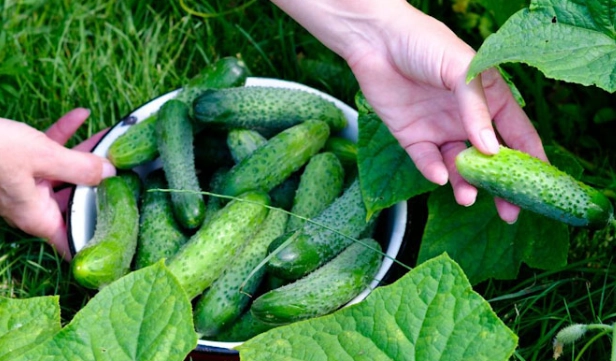
A perfectly timed cucumber gives you:
- Maximal Crispness: The cell structure is tight. This resists the softening effects of brining and heat processing (if you're doing canned pickles).
- Flavor Balance: The sugars and compounds are at their peak, not declining or turning bitter.
- Texture: Tiny seeds mean no hollow cores or slimy seed pockets in your finished jar.
- Visual Appeal: A vibrant green, evenly shaped pickle is a thing of beauty in the jar.
It's the single most important factor under your control. More important than a fancy vinegar or a special spice blend. It starts in the garden.
Wrapping It Up: Your Action Plan
So, let's make this simple. Here’s your game plan for the season: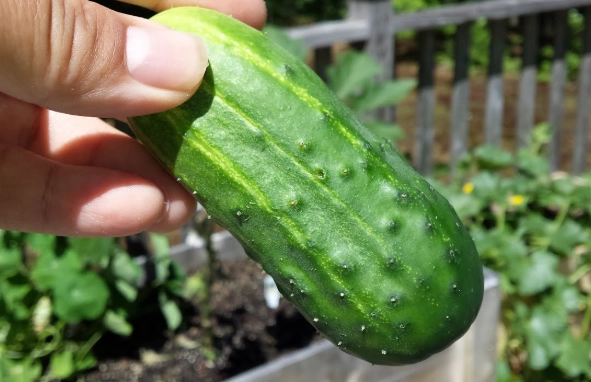
- Start looking early. When the first fruits reach about 2-3 inches, begin your daily inspections.
- Use the multi-sense check. Don't rely on size alone. Look (color), feel (firmness, skin), and even gently press with your thumb.
- Harvest in the morning with clean snips, leaving a bit of stem.
- Process quickly. Get them cooled, washed, and into the brine or the fridge within hours.
- Harvest relentlessly. Picking regularly tells the plant "keep going!" Letting even one cucumber over-ripen can signal the plant that its job is done and it can start slowing down.
Knowing when to pick pickling cucumbers is a skill that comes with a little practice, but it's one that pays off in every single jar you put up. It turns gardening effort into culinary gold. You stop guessing and start knowing. And that’s when the real fun—and the really good pickles—begins.
Now, go check your garden. There's probably one ready right now.
Reader Comments