In This Guide
- What Does "Season Figs" Actually Mean?
- The Art of Choosing the Perfect Fig: A Sensory Guide
- Getting Them Home: The Delicate Dance of Storing Fresh Figs
- A Side-by-Side Look at Popular Fig Varieties
- How to Actually Eat and Enjoy Them (Beyond Just Biting In)
- Your Fig Questions, Answered (The Stuff You Actually Google)
Let's talk about figs. Not the dried ones you find year-round in a sad little bag at the back of the pantry. I'm talking about the real deal—fresh, plump, seasonal figs that are so fragile and fleeting, they feel like a secret the world is trying to keep. That short window when they're perfect is what we're after. To truly season figs—meaning to enjoy them at their absolute peak—you need a bit of a game plan. It's not just about buying them; it's about knowing what to look for, how to treat them at home, and finally, how to savor every last bite without wasting a single one. I've learned this the hard way, through more than a few disappointing, mushy, or flavorless purchases. So consider this your cheat sheet.
You know the feeling. You see them at the farmer's market or a fancy grocery store, these beautiful, tear-shaped fruits. They're not cheap. You bring them home with grand plans, only to find they've turned into a jam-like mess in the bag by the next day. Or worse, they're hard as rocks and never seem to sweeten up. Frustrating, right? This guide is here to end that cycle. We're going deep on everything fig-related for this fresh figs season and every one after.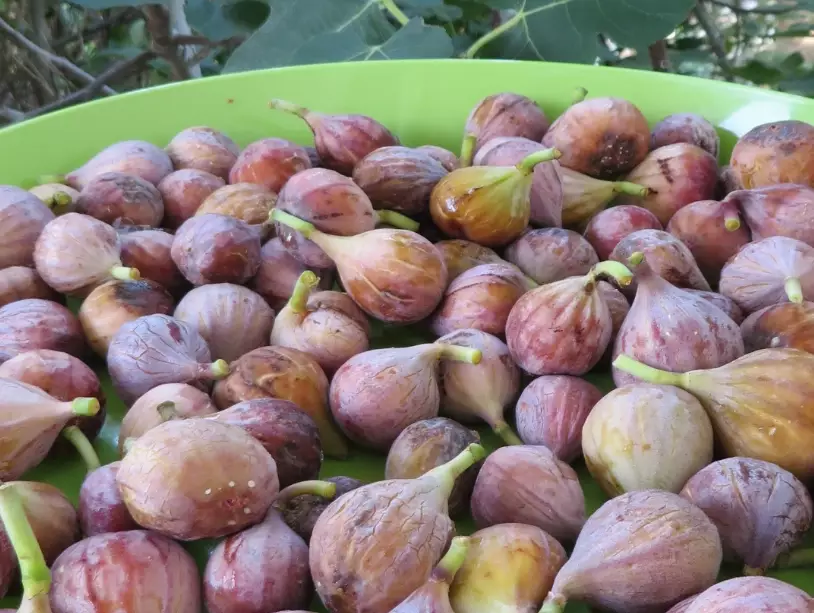
What Does "Season Figs" Actually Mean?
This is the first thing to clear up. When people search for "season figs," they're often a bit confused. Are we adding seasoning to figs? (Sometimes, yes, but that's later). Or are we talking about the time of year for figs? Mostly, it's the latter. "To season figs" in the culinary sense means to enjoy them during their natural, peak growing season. It's about syncing your kitchen calendar with the fig tree's life cycle. In North America, for most varieties, you get two main waves: a smaller, early summer crop (called the "breba" crop) and the main, much more abundant harvest in late summer and early fall. That late summer to early fall period is the prime time. Your location matters, of course. The California Fig Advisory Board, a great resource for growers, notes that the season can start as early as June and stretch into November depending on the variety and region. But for most of us, August through October is fig heaven.
So the core mission is to align your cravings with nature's schedule. Eating a fig in December is possible, but it's likely been flown in from afar, picked too early, and lacks the magic. To truly season figs is to participate in a brief, delicious ritual.
The Art of Choosing the Perfect Fig: A Sensory Guide
This is where the battle is won or lost. Supermarket figs can be a gamble. Here’s how to stack the odds in your favor. Forget any hard and fast rules about color—figs come in green, purple, brown, and almost black. The variety dictates the hue. What doesn't change are the other clues.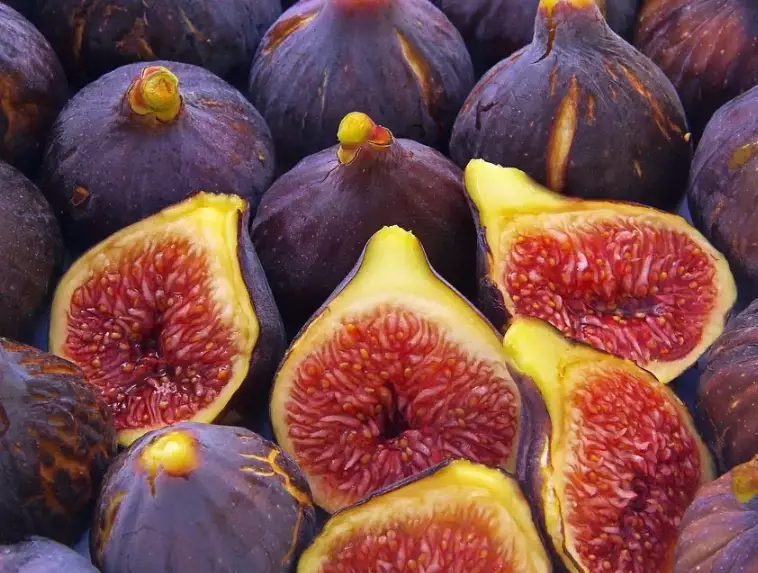
Touch is Everything. Gently pick up the fig. It should feel heavy for its size, like a little water balloon. This heaviness means it's full of nectar. The skin should be tender and yield slightly to a very gentle squeeze, but it must never feel mushy, bruised, or wet. If it's rock hard, it was picked too early and will likely never develop full sweetness. A perfect fig has a delicate, almost fragile feel. I've made the mistake of buying firm ones hoping they'd ripen at home. They rarely do.
The Stem and Skin Check. Look at the stem end. A bit of sticky, milky sap (latex) is normal and actually a sign of freshness. But avoid figs with broken skin or deep cracks near the stem, as this is an entry point for spoilage. The skin itself should be smooth, not shriveled. A few small wrinkles can indicate concentrated sweetness, but overall shriveling means it's past its prime.
The Smell Test. Bring it close to your nose. A ripe, ready-to-eat fig will have a faint, honey-like sweetness. If you smell nothing, it's probably underripe. If you get a whiff of sourness or fermentation, put it down and back away slowly. It's already on the road to vinegar.
Listen to the fruit. It's talking to you.
Visual Cues by Common Variety
While feel is universal, here’s a quick visual rundown of what to expect from common types you’ll find while trying to season figs:
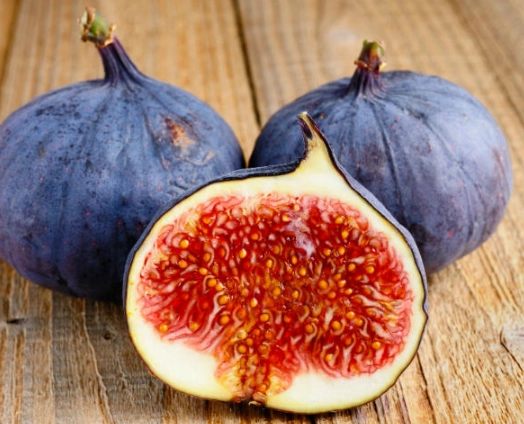
- Black Mission: Deep purple to black skin, vibrant pink flesh. Wrinkles are a good sign here.
- Kadota (or Dottato): Greenish-yellow skin even when ripe, amber flesh. Don't wait for them to turn color.
- Brown Turkey: Copper or brownish-purple skin, pinkish-amber flesh. Often larger and can be less sweet, but great for cooking.
- Calimyrna: Greenish-gold skin, light amber flesh. Known for a nutty, buttery flavor.
Getting Them Home: The Delicate Dance of Storing Fresh Figs
You've successfully chosen a perfect pint. Now, don't ruin it in the car ride home. Figs are not bananas. They don't like being piled up or jostled.
The Golden Rule: Figs are perishable. Treat them like fresh fish or delicate berries. Plan to eat them within 1-3 days of purchase. This isn't a fruit you buy for next week's party.
Short-Term (1-2 days): Do not wash them. Place them in a single layer, not touching, on a plate or shallow container lined with a paper towel. Loosely cover with plastic wrap or a lid and place in the coldest part of your fridge (usually the back, not the door). The cold slows down the ripening and spoilage. The single layer is crucial to prevent bruising.
If You Must Keep Them Longer: Freezing is your friend. Wash and dry the figs thoroughly. You can freeze them whole, halved, or even peeled. Place them on a parchment-lined baking sheet, freeze until solid (a few hours), then transfer to a freezer bag, squeezing out all the air. They'll keep for 6-8 months. Texture will be softer when thawed, making them perfect for smoothies, jams, or baking. The National Center for Home Food Preservation has reliable guidelines on freezing fruits that apply perfectly to figs.
What about ripening hard figs at home? It's tricky. Unlike avocados or bananas, figs ripen primarily on the tree, developing their sugars and complex flavors from the plant's sap. Off the tree, they soften but don't truly sweeten much. You can try leaving firm (not rock-hard) figs at room temperature on that single-layer plate for a day. Sometimes they'll give a little. But manage your expectations.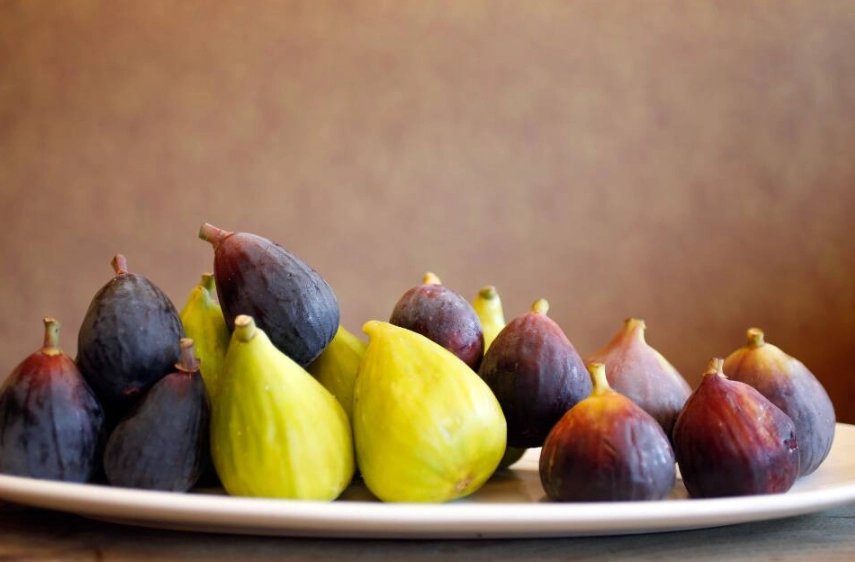
A Side-by-Side Look at Popular Fig Varieties
To help you navigate the market and choose figs that match your taste, here’s a quick comparison. This isn't exhaustive, but it covers the major players you're likely to encounter during fresh figs season.
| Variety | Skin Color (Ripe) | Flesh Color | Flavor Profile | Best Use |
|---|---|---|---|---|
| Black Mission | Deep Purple-Black | Vibrant Pink/Red | Intensely sweet, berry-like, rich | Eating fresh, desserts, pairing with bold cheese |
| Kadota | Greenish-Yellow | Amber | Mildly sweet, less seedy, honeyed | Canning, fig bars, fresh eating if you prefer less intensity |
| Brown Turkey | Copper-Brown | Pinkish-Amber | Milder, less sweet, sometimes watery | Grilling, roasting, salads (holds shape well) |
| Calimyrna | Greenish-Gold | Light Amber | Nutty, buttery, almost vanilla-like | Eating fresh, cheese plates, drizzled with honey |
| Adriatic (often sold as "White Figs") | Pale Green | Strawberry Pink | Exceptionally sweet, almost candy-like | Fresh eating, jams, where you want pure sweetness |
See? It's not one-size-fits-all. A Brown Turkey might disappoint you if you're expecting the jammy punch of a Black Mission. Knowing the variety helps you season figs according to their strengths.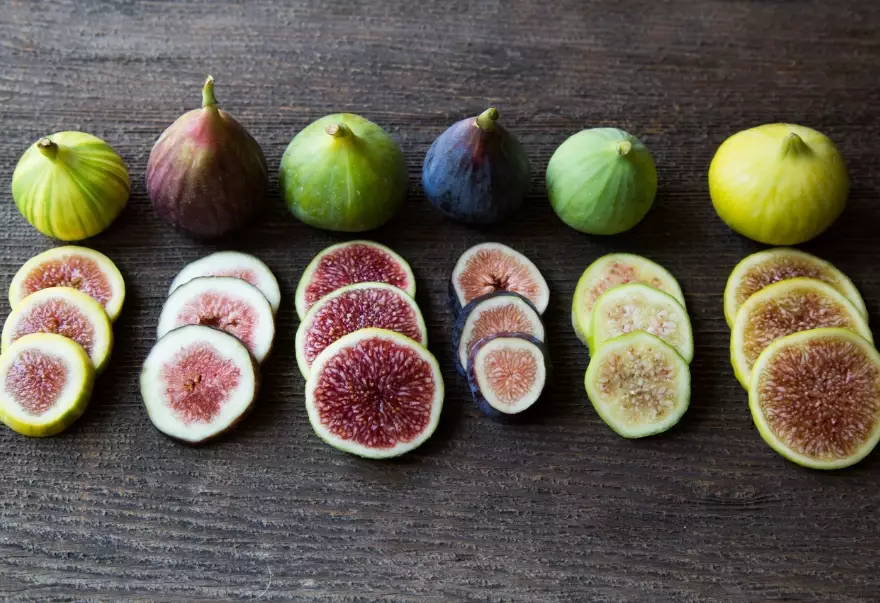
How to Actually Eat and Enjoy Them (Beyond Just Biting In)
Okay, you've selected and stored them perfectly. Now for the fun part. The simplest way is often the best: rinse gently, pat dry, and eat whole, skin and all. The skin is packed with flavor and fiber. But let's get creative.
The Classic Pairings:
- Cheese: This is a marriage made in heaven. Salty, creamy cheeses cut through the fig's sweetness. Try with goat cheese, blue cheese (like Gorgonzola), or a sharp aged cheddar. A drizzle of honey and a crack of black pepper elevates it further.
- Prosciutto or Serrano Ham: The salty, savory meat wrapped around a sweet fig is a timeless appetizer. No cooking required.
- Nuts: Toasted walnuts, almonds, or pecans add a crucial crunch. A handful scattered over sliced figs with yogurt is a perfect breakfast.
A Little Heat Does Wonders: Grilling or roasting figs concentrates their sugars and creates an incredible caramelized flavor. Cut them in half, brush lightly with oil or honey, and grill cut-side down for 2-3 minutes. Or roast at 400°F (200°C) for 8-10 minutes. They become a luxurious topping for ice cream, oatmeal, or crostini.
In Salads: They add a sweet burst that plays well with bitter greens (arugula, radicchio), tangy dressings (balsamic vinegar is a classic), and crunchy elements like red onion or fennel.
My personal favorite lazy dessert? A perfectly ripe fig, split open, with a small spoonful of mascarpone cheese in the center and a tiny drip of aged balsamic glaze. It takes two minutes and feels incredibly fancy. Sometimes the best way to season figs is to do almost nothing at all.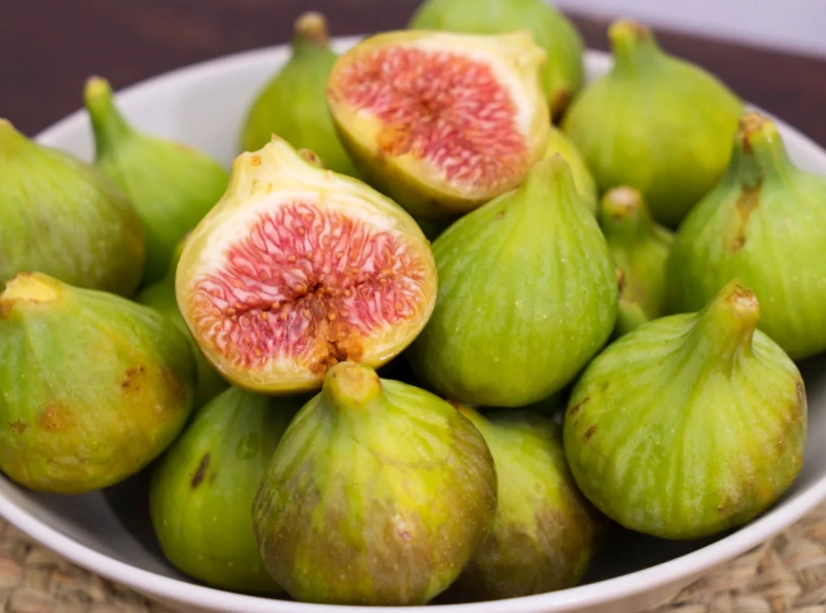
Your Fig Questions, Answered (The Stuff You Actually Google)
Let's tackle the common head-scratchers that pop up when you're dealing with these finicky fruits.
Why do my figs go bad so quickly?
Because they're essentially tiny, edible ecosystems. The high sugar and moisture content make them a paradise for yeast and mold spores, which are everywhere. The thin skin is a poor barrier. That's why the 1-3 day rule isn't a suggestion—it's a fact of fig life. Buying them already perfectly ripe means the clock is loudly ticking.
Can I ripen hard figs after buying them?
As mentioned, you can try, but it's an uphill battle. They will soften at room temperature due to enzymatic activity, but true sweetness and complex flavor develop from the tree's nutrients. A fig picked too early is like a tomato picked green—it might turn red, but it won't taste like much. Your best bet is to buy figs that are already giving slightly to pressure.
Do I need to peel figs?
Absolutely not. The skin is edible, tasty, and nutritious. Peeling a ripe fig is a messy, pointless exercise. The only exception might be if you're making an ultra-smooth jam or a refined sauce where texture matters, and even then, many people leave it on.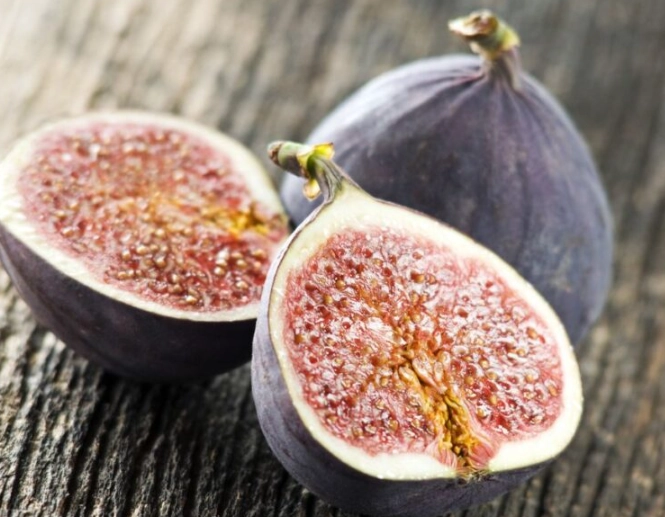
Are fresh figs good for you?
Yes, in the context of a balanced diet. They're a good source of dietary fiber (which aids digestion), potassium, and various minerals. They're also relatively high in natural sugars, so moderation is key if you're watching sugar intake. The USDA FoodData Central database provides detailed nutritional breakdowns if you're curious about specifics.
What's the white stuff on some figs? Is it mold?
Not usually! Often, it's natural sugar crystals that have risen to the surface as the fig dried slightly or matured. This is a sign of a very sweet, high-quality fig (especially in varieties like Kadota). Of course, if it's fuzzy, blue, or green, that's mold—toss it.
Navigating the brief, glorious window of fresh figs season is a skill worth learning. It turns a potentially frustrating purchase into a guaranteed delight. You learn to read the subtle signs, to handle them with care, and to appreciate their impermanent beauty. It connects you to a specific time of year in a way that few other fruits can. So next time you see them, don't be intimidated. Pick with confidence, store with care, and eat with joy. That's the true essence of how to season figs.
It's about respecting the ingredient. When you get it right, there's nothing better. And when you don't, well, there's always next season. Now go find some figs.
Reader Comments