Quick Guide
- So, When Exactly Is Blackberry Season?
- Wild vs. Cultivated: Does Their Season Differ?
- How to Know a Blackberry Is Perfectly Ripe (The Ultimate Test)
- Navigating the Grocery Store (When It's Not Picking Season)
- Storing Your Bounty: Making the Season Last
- What to Actually Do With All Those Berries
- Answers to the Questions You're Actually Searching For
- Wrapping It Up: The Heart of the Matter
Let's talk about blackberries. You know, those dark, juicy, sometimes frustratingly seedy berries that stain your fingers purple. Nothing beats a perfectly ripe one, warm from the sun. But nothing is more disappointing than a basket of tart, hard ones you picked too early or bought out of season.
Getting the timing right is everything. The entire blackberry fruit season is a relatively short window, and it shifts depending on where you are. Miss it, and you're stuck with expensive, bland imports for the rest of the year. Time it perfectly, and you get that incredible burst of sweet-tart flavor that tastes like summer itself.
I've been obsessed with getting this right for years. I've driven to farms only to find I was a week too early. I've bought cardboard-tasting pints from the grocery store in December. It's a learning process. So I put this guide together to save you the hassle. We'll cover exactly when blackberry season hits, how to find the best berries, and what to do with them when you do.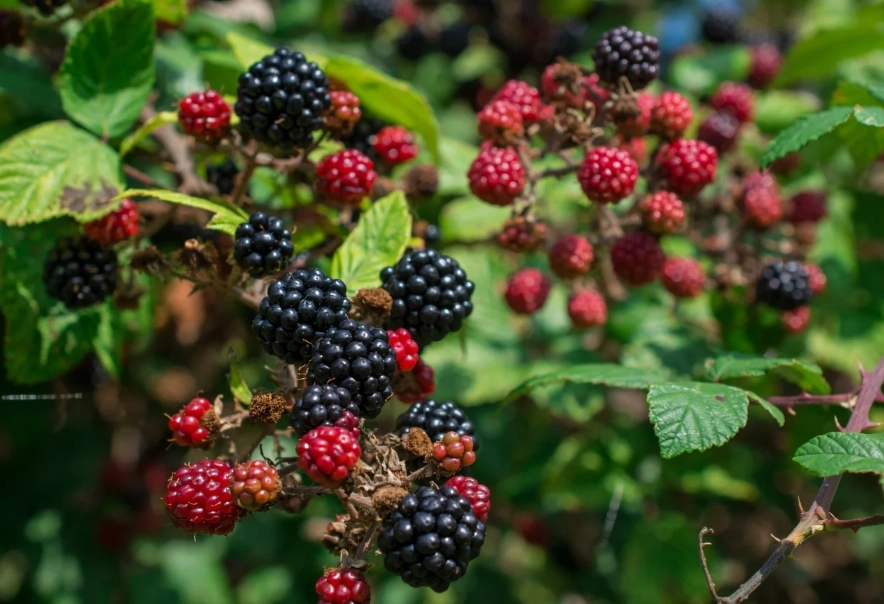
So, When Exactly Is Blackberry Season?
This is the big question, and the answer isn't a single date. Think of it more as a wave that moves across the country. Blackberries are a quintessential summer fruit, and their prime time is when the sun is high and the days are long.
For most of the United States, the core of the blackberry picking season runs from early July through late August. That's your sweet spot. But "most" doesn't mean "all." If you live in the warmer southern states, your season kicks off much earlier. Folks in cooler northern climates or higher elevations might be waiting until August for their first ripe berry.
Why does it vary so much? It's all about growing degree days—a fancy term for how much cumulative warmth the plant has experienced. Blackberry canes need a certain amount of winter chill (dormancy) and then a buildup of spring and summer heat to trigger flowering and fruiting. A cool, rainy spring can push everything back by a week or two. A heatwave can accelerate it.
Here's a breakdown that should give you a much clearer picture. I've pulled together general timelines based on climate zones, but always check with a local farm for the most accurate forecast.
| Region | Typical Start of Peak Season | Typical End of Peak Season | Notes & Common Varieties |
|---|---|---|---|
| Southern US (e.g., Texas, Georgia, Florida) | Late May / Early June | Mid-July | Season starts very early but can be brutally hot. Popular varieties like 'Ouachita' and 'Natchez' are bred for heat. |
| Pacific Northwest (e.g., Oregon, Washington) | Early July | Late September | Long, mild season is legendary for blackberries. The invasive Himalayan blackberry defines the landscape, but cultivated 'Marionberry' (a blackberry cultivar) is king here. The Oregon Department of Agriculture has great resources on this. |
| Midwest & Northeast | Mid-July | Late August | A classic summer season. Look for 'Chester' and 'Triple Crown' varieties, which are known for good cold hardiness. |
| California | June | August | Varies hugely from north to south. The central coast has a long, prime season. |
| UK & Northern Europe | Late July | Early September | A later, shorter season. Wild foraging is a popular late-summer activity. |
See what I mean? Saying "blackberries are in season in summer" is true, but not very helpful if you're trying to plan a picking trip or looking for the best deals at the market.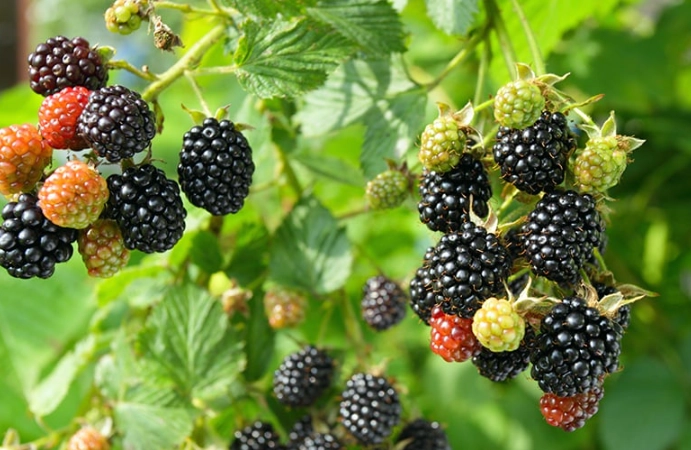
Wild vs. Cultivated: Does Their Season Differ?
Absolutely. This is a key point a lot of guides miss.
Wild Blackberries: These are the brambles you see growing along fence lines, forest edges, and roadsides. They follow nature's schedule precisely. Their season is often slightly later than cultivated ones, typically peaking in August and early September. They're hardier, more dependent on natural rainfall, and their fruiting can be less predictable but often more intense once it starts. The flavor is frequently more complex—sometimes tarter, sometimes with deeper wine-like notes—but the berries are usually smaller and have more seeds.
Cultivated Blackberries: These are the varieties grown on farms and sold in stores. Breeders have developed them for larger fruit, easier picking (often thornless!), higher yields, and specific harvest windows. Because farmers can irrigate and fertilize, the cultivated blackberry fruit season can be more reliable and sometimes longer. Some modern varieties are "primocane-fruiting," meaning they produce fruit on first-year canes. This can lead to a late summer/early fall harvest in addition to the main summer crop, extending the season. Examples include 'Prime-Ark® Traveler'.
So, if you're foraging, plan for late summer. If you're going to a farm, aim for mid-summer.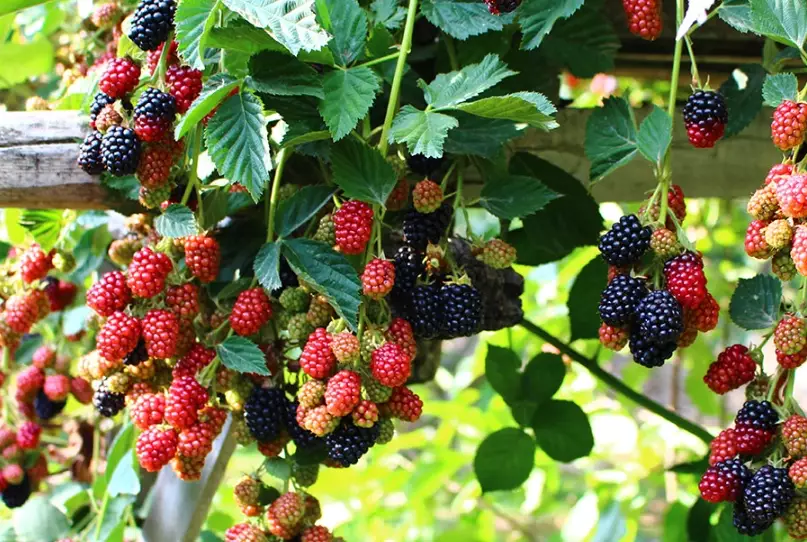
How to Know a Blackberry Is Perfectly Ripe (The Ultimate Test)
This might be the most important skill you learn today. Picking or buying an underripe blackberry is a sad experience. They're sour, astringent, and hard. An overripe one turns to mush.
Here’s the foolproof method:
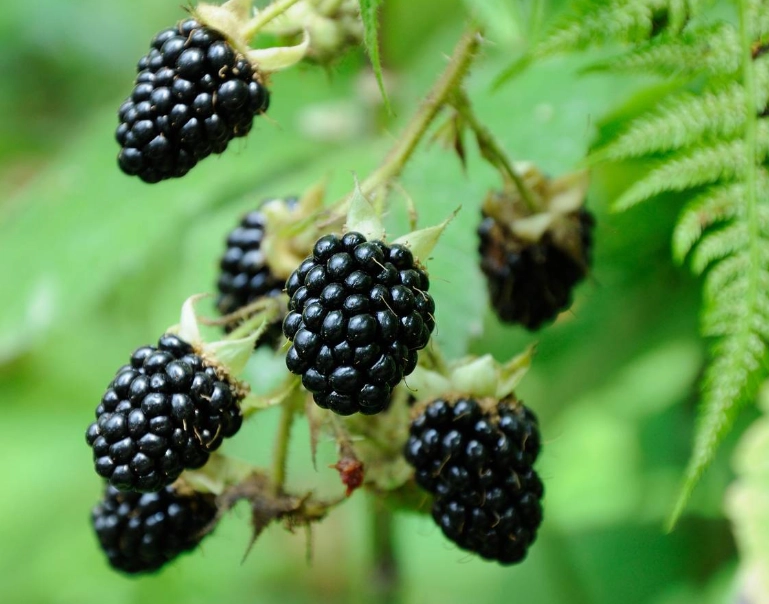
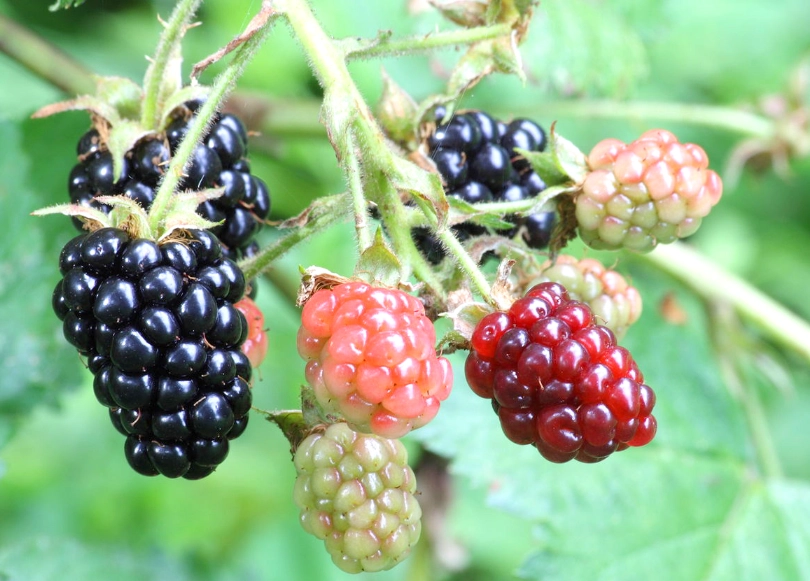
- Color is a Liar. A black berry isn't necessarily a ripe berry. Many turn black before they're fully sweet. Don't trust color alone.
- The Feel is Real. Gently cup the berry (don't squeeze!). A ripe blackberry will feel plump, heavy for its size, and will detach from the stem with just the slightest tug. If you have to pull, it's not ready. This is the number one rule for the blackberry picking season.
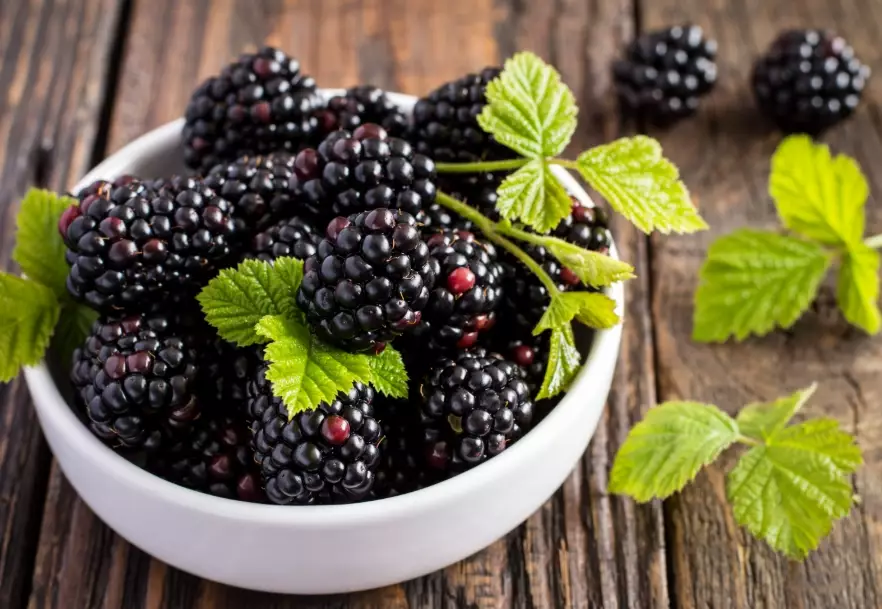
- Look at the Plug. The white core (the torus or "plug") where the berry was attached to the plant should come away with the berry. If the plug stays on the plant, leaving a hole in your berry, it was picked too early and won't sweeten further.
- Dull Beats Shiny. A ripe berry often has a slight dullness to its sheen, not a waxy shine.
What to Avoid: The Hallmarks of a Bad Berry
- Crunchy or rock-hard feel. Way underripe.
- Leaking juice or a mushy, deflated shape. Overripe, possibly fermenting.
- Any signs of gray fuzz (mold). This spreads incredibly fast in a container.
- Dried, shriveled drupelets (the little bubbles that make up the berry). This means it's old and has lost moisture.
Navigating the Grocery Store (When It's Not Picking Season)
Let's be real, most of us buy more blackberries than we pick. And the supermarket can be a minefield, especially outside the peak blackberry harvest time.
Where do those winter blackberries come from? Mostly Mexico and Central America. The quality is… variable. Sometimes you get lucky with a sweet, firm pint. Often, they're flavorless and expensive.
My strategy? I treat the off-season as blackberry fasting time. I'd rather go without and enjoy the anticipation than pay $6 for a disappointing clamshell. I use my frozen stash (more on that later) for baking and smoothies.
If you must buy off-season:
- Shake the container gently. Do the berries move freely? If they're stuck together, one moldy berry has probably contaminated the rest.
- Look at the bottom of the package. Any red juice stains or smashed berries? Pass.
- Smell it. This sounds weird, but you can sometimes detect a faint, sweet aroma through the vents if they're good. If you smell nothing, they likely taste like nothing.
Storing Your Bounty: Making the Season Last
You've got a flat of perfect berries. Now what? Blackberries are notoriously perishable. Here’s how to win the battle against mold.
The Golden Rule: Don't wash them until you're ready to eat or use them. Moisture is the enemy of shelf life.
- Initial Sort (Critical!). As soon as you get home, spread them out on a towel or baking sheet. Gently pick through and remove any berries that are bruised, leaking, or have even a speck of mold. One bad berry will spoil the whole bunch, literally. It's a sacrifice for the greater good.
- Storage Method 1: The Fridge (for eating in 2-3 days). Place the sorted, dry berries in a single layer, if possible, in a paper towel-lined container (the clamshell is fine). Leave the lid slightly ajar or poke holes in it. The paper towel absorbs excess moisture, and the airflow prevents condensation. Don't stack them deep.
- Storage Method 2: The Freezer (for enjoying the blackberry fruit season all year). This is my go-to. Wash and gently pat dry. Spread them in a single layer on a parchment-lined baking sheet. Freeze solid (2-3 hours). Then, quickly transfer the frozen individual berries into a heavy-duty freezer bag or vacuum-seal bag. Squeeze out all the air. This "flash freezing" prevents them from freezing into one solid, unusable lump. They'll keep for 10-12 months.
Frozen blackberries are perfect for jams, syrups, pies, and smoothies. The texture changes (they get softer), but the flavor is locked in.
What to Actually Do With All Those Berries
Beyond just eating them by the handful (which is a perfectly valid activity), here are some ideas that truly honor the fruit.
- The Simple Glory of a Bowl: Let them come to room temperature. Sprinkle with just a pinch of flaky sea salt. The salt intensifies the sweetness. Maybe add a drizzle of thick cream. That's it. Perfection.
- Blackberry Shrub (Drinking Vinegar): A colonial-era way to preserve the flavor. Combine equal parts mashed berries, sugar, and apple cider vinegar. Let it steep for a week, strain. Mix a splash with soda water for the most refreshing drink imaginable. It captures the essence of the blackberry season in a bottle.
- Freezer Jam: If canning scares you, freezer jam is foolproof. It uses less sugar than traditional jam and requires no special equipment. The National Center for Home Food Preservation has safe, tested recipes. The flavor is incredibly bright and fresh.
- Savory Pairings: Don't just think sweet. A blackberry pan sauce for duck or pork is incredible. Toss a handful into a salad with goat cheese, walnuts, and a sharp vinaigrette. The acidity cuts through the fat beautifully.
Answers to the Questions You're Actually Searching For
I spend a lot of time reading gardening and foraging forums. These are the real questions people have about the blackberry season.
Are blackberries and mulberries the same thing?
No, and this confuses everyone. Mulberries grow on trees, have a longer, more oblong shape, and a stem that runs through the center. Blackberries grow on canes/brambles, have a solid white core that stays in the berry, and are aggregate fruits. Their seasons can overlap, but they're different plants entirely.
How do I clean blackberries without destroying them?
Very, very gently. Place them in a large bowl of cool water. Swirl them with your hand to dislodge any dirt or tiny bugs. Let them sit for a minute—debris will sink. Lift them out with your hands or a slotted spoon onto a clean kitchen towel or paper towels. Pat dry. Never run them under a high-pressure stream of water.
Can I grow my own to extend my personal season?
You absolutely can, and it's rewarding. Choosing the right variety for your climate is key. The University of Maryland Extension has excellent guides for the Mid-Atlantic, and your local cooperative extension office is the best resource for region-specific advice. A thornless variety in a sunny spot can give you a reliable annual harvest and make the blackberry fruit season a personal event in your backyard.
Why are some blackberries sour even when they're black?
Three main reasons: 1) The variety itself might be more tart (common with wild berries). 2) It was picked underripe (just because it's black doesn't mean it's ready). 3) Growing conditions. Lack of sun or water stress during development can reduce sugar content. This is why tasting one berry from the patch or container before committing is a smart move.
Is there a "best time of day" to pick blackberries?
Early morning, after the dew has dried but before the heat of the day. The berries are firm, cool, and haven't been stressed by the sun. Late afternoon is also good. Avoid picking in the rain or when they're wet—it encourages spoilage.
Wrapping It Up: The Heart of the Matter
The blackberry season isn't just a date on a calendar. It's a rhythm. It's the smell of sun-warmed brambles, the purple-stained fingers, the planning of pies and jars of jam. It's fleeting, which is what makes it special.
Don't overcomplicate it. Find out when the peak is near you. Learn the feel of a ripe berry. Savor them fresh in their short prime, and put some by for the gray days of winter. That connection—knowing where your food comes from and when it's at its best—is the real prize.
Now go check your local farm's website. Your perfect blackberry fruit season moment is waiting.
Reader Comments