Quick Guide
Let's be real, who hasn't stood in the grocery aisle or scrolled through a restaurant menu and wondered about the split pea soup calories? Is it that heavy, stick-to-your-ribs kind of meal, or is it secretly a light, healthy choice? I used to think it was just a simple peasant food, nothing to overanalyze. But then I started paying more attention to what I was eating, and let me tell you, the story behind a bowl of split pea soup is more interesting than you'd think.
I have to admit, the first time I made it from scratch, I was shocked by how few ingredients went in, yet how much flavor came out. And the calorie count? That was the real surprise. It got me digging deeper, comparing recipes, looking at canned versions, and figuring out what makes the numbers jump around.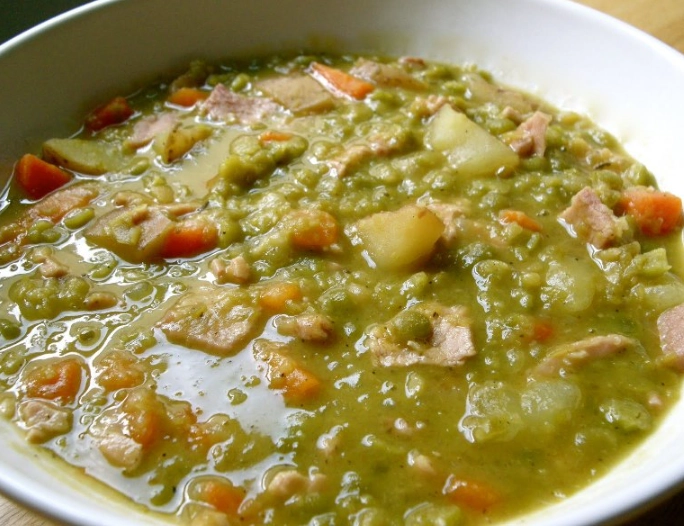
So, How Many Calories Are in Split Pea Soup, Really?
This is the million-dollar question, right? And the answer is... it depends. Annoying, I know. But it's the truth. A basic, homemade split pea soup, the kind your grandma might make with just peas, onions, carrots, celery, and some broth, can be surprisingly modest in the calorie department.
Here's a breakdown to give you a clearer picture. I've pulled data from a few reliable sources, including the USDA FoodData Central, which is the gold standard for this kind of info. It's a government database, so you know it's not just someone guessing.
| Type of Split Pea Soup | Serving Size | Approximate Calories | Key Factors Affecting Calories |
|---|---|---|---|
| Basic Homemade (Vegetable Broth) | 1 cup (about 245g) | 160 - 190 | No cream, no fatty meat, minimal oil. |
| Homemade with Ham Hock | 1 cup (about 245g) | 220 - 280 | Fat rendered from the ham adds significant calories. |
| Canned, Condensed (Prepared with Water) | 1 cup | 180 - 210 | Often contains added starches or sugars for stability. |
| Restaurant Style (Creamy) | 1 bowl (approx. 12 oz) | 300 - 450+ | Heavy cream, butter, and large portions are common culprits. |
See what I mean? The range is huge. That basic homemade version is a fantastic, low-calorie option. But if you're getting a creamy bowl from a restaurant that's loaded with butter and topped with extra bacon, you're looking at a whole different meal.
My personal go-to recipe lands around 175 calories per cup. It's filling, packed with flavor, and doesn't leave me feeling sluggish. But I've also had versions at diners that felt like they were 400 calories a spoonful.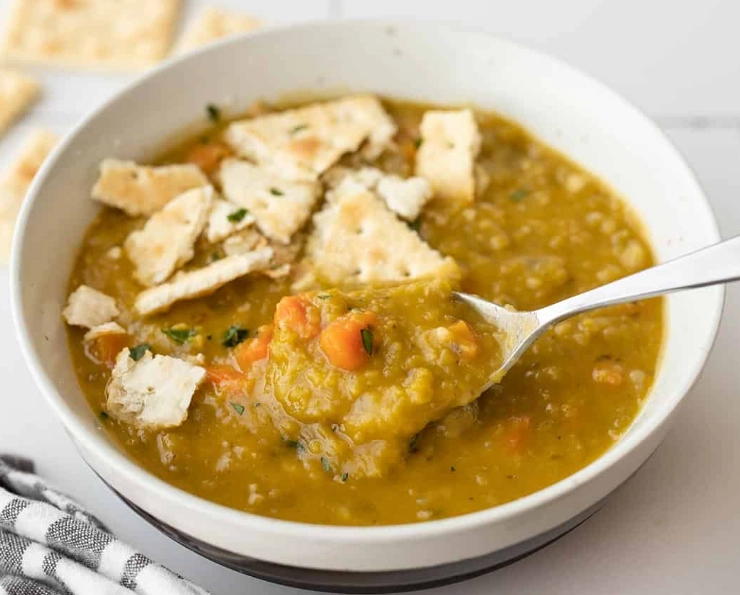
It's Not Just About the Calories: The Nutritional Powerhouse
Okay, so we've talked numbers. But focusing only on split pea soup calories is like judging a book by its cover. You're missing the best part. This soup is a nutritional champion, and here's why.
Split peas themselves are the star. They're a legume, related to lentils and chickpeas, and they bring a ton of benefits to the table that go way beyond a simple calorie count.
Think about this for a second. What are you really getting in that bowl?
Protein: The Unsung Hero
For a plant-based food, split peas are surprisingly high in protein. That same one-cup serving of basic soup can deliver 10-15 grams of protein. That's a solid amount, especially if you're trying to cut back on meat. It helps keep you full for hours, which is probably why pea soup has such a reputation for being hearty.
Fiber: Off the Charts
This is where split peas truly shine. We're talking about 15-20 grams of fiber per cup of cooked split peas. Most of us struggle to get enough fiber. The Dietary Guidelines for Americans recommend 25-35 grams per day for adults. One good bowl of this soup can get you more than halfway there. This fiber is fantastic for digestion, gut health, and helping to manage blood sugar levels.
Honestly, the fiber content alone makes the calories in split pea soup worth it. It's a nutrient-dense choice.
Vitamins and Minerals: The Supporting Cast
Don't overlook the micronutrients. Split peas are a good source of folate (important for cell function), iron (for energy), potassium (for blood pressure), and magnesium. When you add the classic veggies—carrots, onions, celery—you're boosting the vitamin A, vitamin C, and antioxidant content even further.
So, when you ask about split pea soup calories, you should also be asking about what comes with those calories. And in this case, it's a lot of good stuff.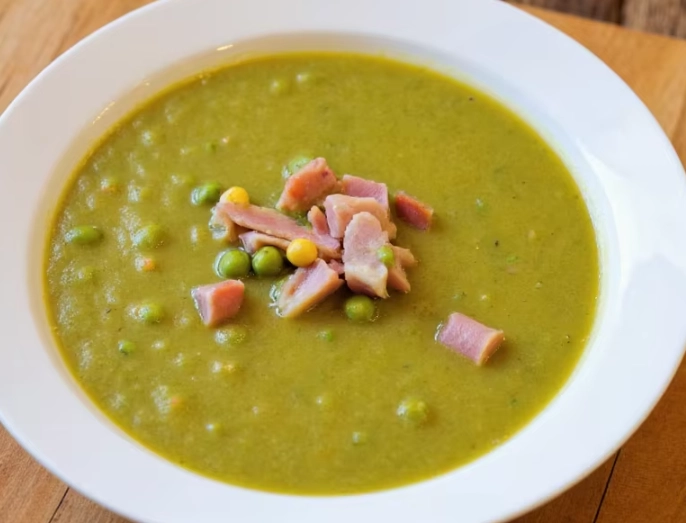
What Makes the Calorie Count Go Up or Down?
Let's get into the nitty-gritty. Why does one recipe have 180 calories and another 350? It all boils down to the add-ins. Here are the big players:
- The Meat: This is the #1 factor. A ham bone or ham hock adds incredible flavor, but it also adds fat and calories. Using a leaner smoked turkey leg or skipping the meat entirely (using smoked paprika for flavor) slashes the count.
- The Fat: How much oil or butter do you use to sauté the onions? A tablespoon of olive oil is about 120 calories on its own. It's necessary for flavor, but you can often use less than a recipe calls for.
- Cream & Dairy: Some recipes, especially "creamy" ones, finish the soup with heavy cream, sour cream, or a swirl of butter. This is delicious, but it's a calorie bomb. A half-cup of heavy cream can add over 400 calories to the whole pot.
- The Portion Size: This seems obvious, but it's easy to forget. A "cup" vs. a "bowl" makes a big difference. Restaurant portions are notoriously large.
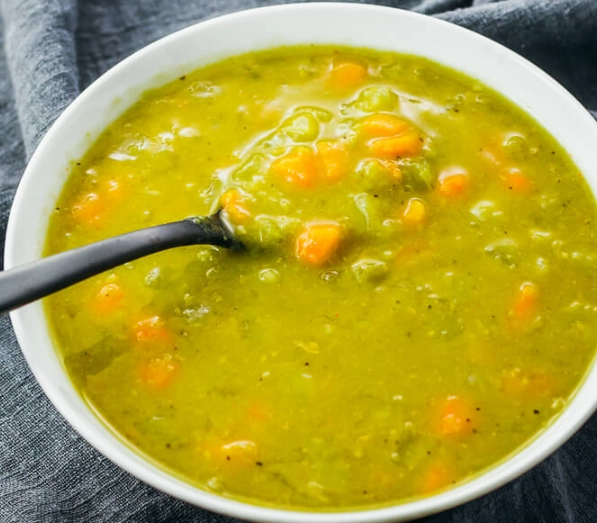
My tip? I love the smoky flavor of ham, but I've switched to using a few ounces of chopped, lean smoked turkey sausage. It gives me the taste I crave without sending the split pea soup calories into orbit. Sometimes I just use a teaspoon of liquid smoke—controversial, I know, but it works in a pinch!
How to Make a Truly Low-Calorie Split Pea Soup
Want all the comfort and nutrition with the lowest possible calories in split pea soup? It's totally doable. Here's my blueprint, born from a lot of trial and error (including a bland, watery batch I'd rather forget).
Start with a Flavorful, Fat-Free Base
Skip sautéing in oil. Just throw your chopped onions, carrots, and celery into the pot with a cup of low-sodium vegetable broth. Let them "sweat" and soften over medium heat. You'll be surprised how much flavor develops without the oil.
Choose Your Protein Wisely
For a low calorie split pea soup, go plant-based or use very lean meat.
- Best: No meat. Rely on herbs (thyme, bay leaf), spices (smoked paprika, black pepper), and umami from mushrooms or a dash of tamari.
- Good: Diced, extra-lean ham steak (trim all visible fat) or smoked turkey breast.
- Avoid: Ham hocks, bacon, fatty sausage, or adding butter at the end.
Load Up on Vegetables
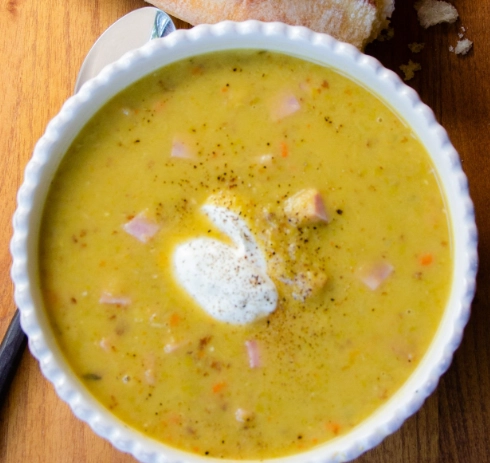
This is a trick to add volume and nutrients without many calories. I like to double the carrots. I also add a diced potato (it thickens the soup naturally) or some chopped cauliflower. More veggies mean a bigger, more satisfying bowl for fewer split pea soup calories overall.
Blend for Creaminess (Without Cream!)
Once the peas are fully soft, take an immersion blender and pulse the soup a few times. You don't want it completely smooth—just blend enough to thicken the broth and make it feel creamy. This texture trick makes it feel indulgent. No dairy required.
Trust me, following these steps can get you a soup that's under 200 calories per generous bowl and tastes incredible.
Your Split Pea Soup Calories Questions, Answered
I've gotten a lot of questions from friends and family about this. Here are the ones that come up again and again.
The Bottom Line on Split Pea Soup Calories
Look, at the end of the day, split pea soup is one of those foods that gets a bad rap sometimes for being "heavy." But when you break it down, it's a nutritional bargain. The split pea soup calories are often justified by the massive amount of protein, fiber, vitamins, and minerals you get in return.
It's a forgiving soup to make. You can tweak it to fit your goals. Want it ultra-low-cal? Skip the meat and oil. Want it as a hearty, post-workout meal? Add that lean ham. The key is knowing what's in your bowl.
My final thought? Don't fear the pea. Embrace it. A well-made pot of split pea soup is comfort food that actually comforts your body, too. It's cheap, it's easy, it freezes beautifully, and it solves the "what's for lunch" question for days. Just maybe go easy on the bacon crumbles on top.
Reader Comments