I used to dread that half-used can of tomato paste sitting in my fridge, slowly turning into a science experiment. Then I spent a summer working in an Italian restaurant, and the chef showed me how tomato paste isn’t just a background player—it’s the secret weapon for deep, rich flavors. This guide pulls from that experience and years of home cooking to help you master tomato paste, from storage hacks to recipes that’ll make you wonder how you ever cooked without it.
What You'll Find Inside
What Tomato Paste Really Is (And Why It Matters)
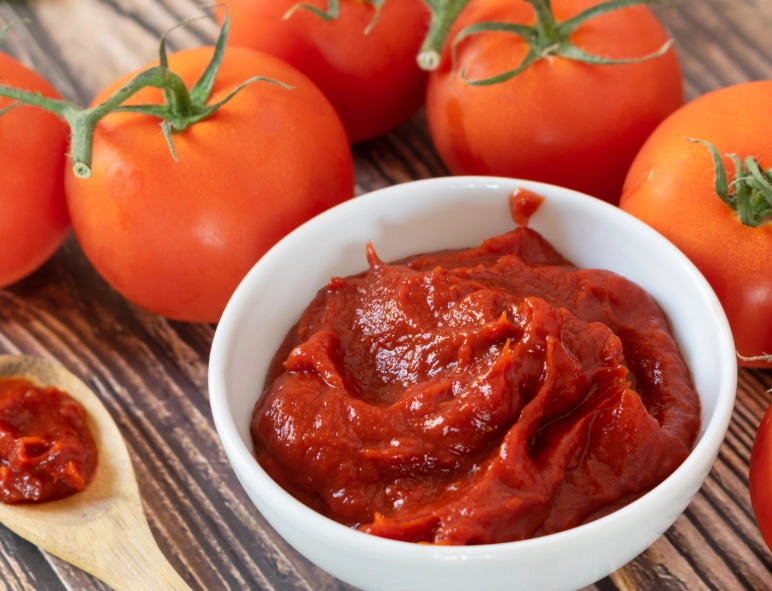
Tomato paste is concentrated tomatoes, cooked down until most of the water evaporates. It’s thick, intense, and packs a umami punch. Unlike tomato sauce or puree, it has a higher solids content—around 24% or more, according to the USDA—which makes it perfect for adding body to dishes without watering them down.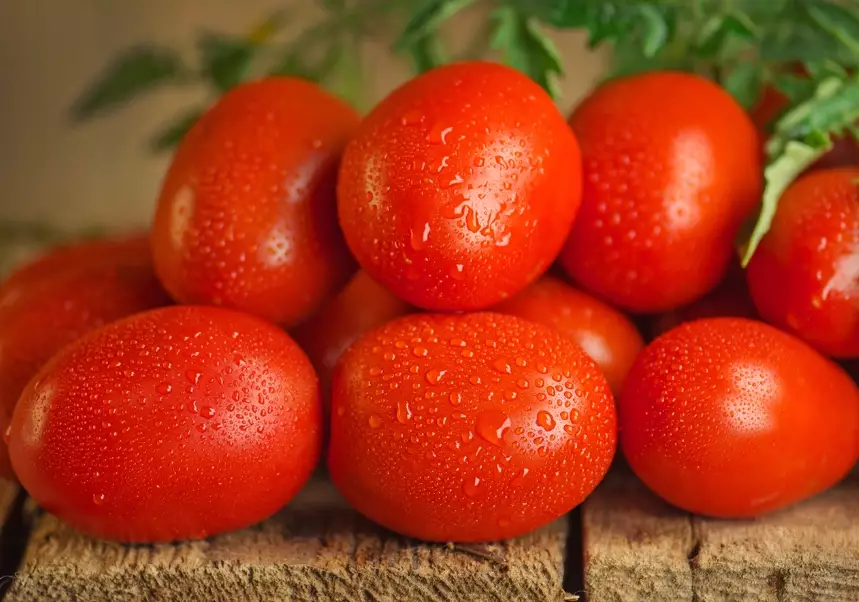
Here’s the thing most people miss: not all tomato pastes are created equal. I’ve tried cheap brands that taste metallic and premium ones with a sweeter, fruitier note. If you’re on a budget, go for mid-range options in tubes instead of cans; they’re easier to store and often better quality. The paste in tubes usually has fewer preservatives, too.
Nutrition-wise, it’s low in calories but high in lycopene, an antioxidant linked to heart health. A tablespoon has about 13 calories and 3 grams of carbs. But let’s be real—you’re using it for flavor, not dieting.
How to Use Tomato Paste Like a Pro Chef
Tomato paste isn’t just for spaghetti sauce. It’s a flavor booster for soups, stews, marinades, and even dips. The key is to treat it right.
The Blooming Technique That Changes Everything
Don’t just dump it in. Sauté it in a bit of oil for 2-3 minutes over medium heat. You’ll see it darken from bright red to a deeper brick color, and the aroma shifts from acidic to sweet. This caramelizes the natural sugars and mellows the acidity. I learned this the hard way—once I skipped blooming, and my chili tasted flat and tinny.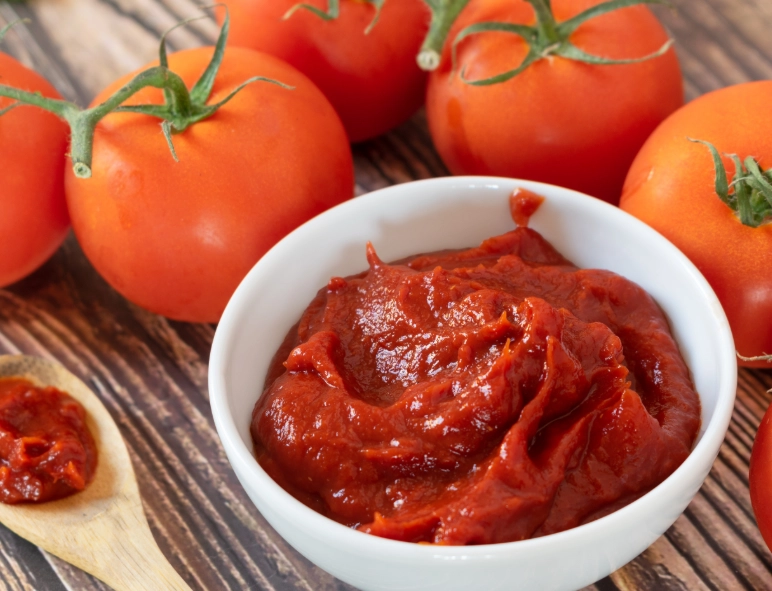
Storing Leftovers Without the Waste
That half-can dilemma? Solved. Portion leftover paste into tablespoon-sized dollops on parchment paper, freeze, then bag them. Or use an ice cube tray. Frozen paste lasts up to 6 months. When a recipe calls for a spoonful, pop one out. It’s faster than thawing a whole can, and you’ll never toss moldy paste again.
Pro Tip: If you use paste often, buy it in a tube. It squeezes out what you need and stays fresh in the fridge for weeks. I switched to tubes years ago, and my waste dropped to zero.
3 Tomato Paste Recipes You’ll Actually Make
These aren’t fancy, just reliable dishes where tomato paste shines. Each serves 4-6 and uses common ingredients.
1. Hearty Beef and Tomato Stew
Brown 1 lb cubed beef in a pot. Remove, then sauté 1 chopped onion and 2 minced garlic cloves. Add 2 tbsp tomato paste—bloom it for a minute. Pour in 4 cups beef broth, 2 diced carrots, and the beef. Simmer for 1.5 hours until tender. Salt to taste. The paste thickens the stew and adds depth that tomato sauce can’t match.
2. Quick Weeknight Marinara
In a pan, heat 2 tbsp olive oil, add 3 minced garlic cloves, then 3 tbsp tomato paste. Cook until fragrant. Stir in a 28-oz can of crushed tomatoes, a pinch of sugar, and basil. Simmer 20 minutes. This sauce is richer than store-bought, and it freezes well. I make a double batch every month.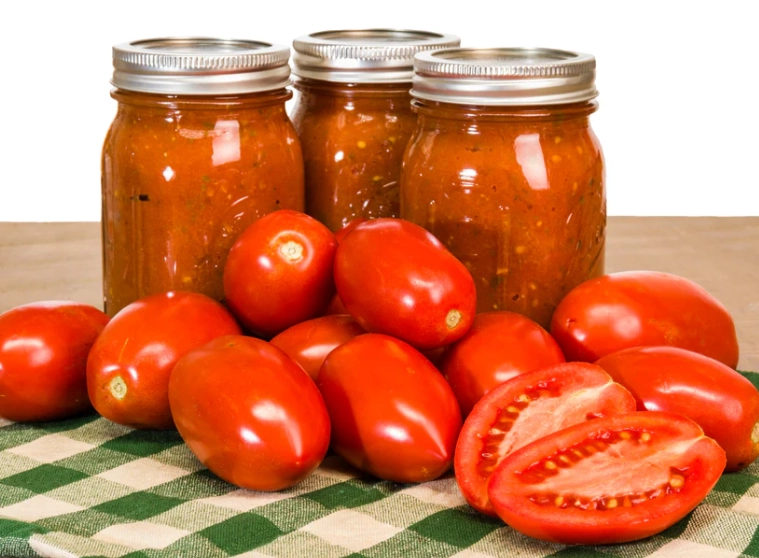
3. Smoky Vegetarian Chili
Sauté 1 onion, 1 bell pepper, and 2 tbsp tomato paste for 5 minutes. Add 2 cans beans (kidney and black), 1 can diced tomatoes, 1 cup veg broth, 1 tsp cumin, and 1/2 tsp smoked paprika. Simmer 30 minutes. The paste gives it a meaty feel without actual meat.
These recipes are flexible. Don’t have beef? Use chicken. Out of beans? Add corn. The paste holds it all together.
Common Mistakes and How to Fix Them
Even experienced cooks mess up with tomato paste. Here’s what to avoid.
Using Too Much or Too Little
A common error is eyeballing it. For most dishes, 1-2 tablespoons per 4 servings is enough. More than that, and it can overpower. I once added a whole can to a soup, and it tasted like ketchup gone wrong. Start small—you can always add more.
Not Adjusting for Salt
Tomato paste is salty. If your recipe includes soy sauce or broth, taste before adding extra salt. I’ve ruined a pot of rice by forgetting this.
Storing It in the Can
Once opened, transfer paste to an airtight container. Leaving it in the can can cause metallic flavors and spoilage faster. Trust me, I learned this after a nasty surprise.
For more on food safety, refer to guidelines from sources like the Food Network or USDA, but always use your nose—if it smells off, toss it.
Your Burning Questions Answered
Tomato paste might seem humble, but with these tips, it can transform your cooking. Start with blooming, store smart, and experiment in recipes. You’ll never look at that can the same way again.
Reader Comments