内容速览
Let's be real. You've probably seen them a hundred times at the grocery store. They're sitting right there next to the white button mushrooms, maybe looking a bit more... interesting. Brown cap, slightly sturdier. The label says "crimini" or sometimes "baby bella." You might have picked them up, wondered if they're just fancy button mushrooms, and then put them back because you weren't sure. I've been there. For years, I stuck to the white ones, thinking all mushrooms were basically the same.
Boy, was I wrong.
The crimini mushroom is like the button mushroom's more flavorful, sophisticated cousin. They're actually the same species, Agaricus bisporus. Think of it like this: a white button mushroom, a crimini, and a giant portobello are all the same mushroom at different stages of life. The white button is the teenager. The crimini is the young adult—it's been allowed to grow a bit longer, developing a tan (that brown cap) and a deeper, earthier personality. The portobello is the fully mature adult, big and bold. That's the key thing most people miss. When you buy crimini mushrooms, you're getting a mushroom with more developed flavor compounds, a meatier texture, and honestly, just more character.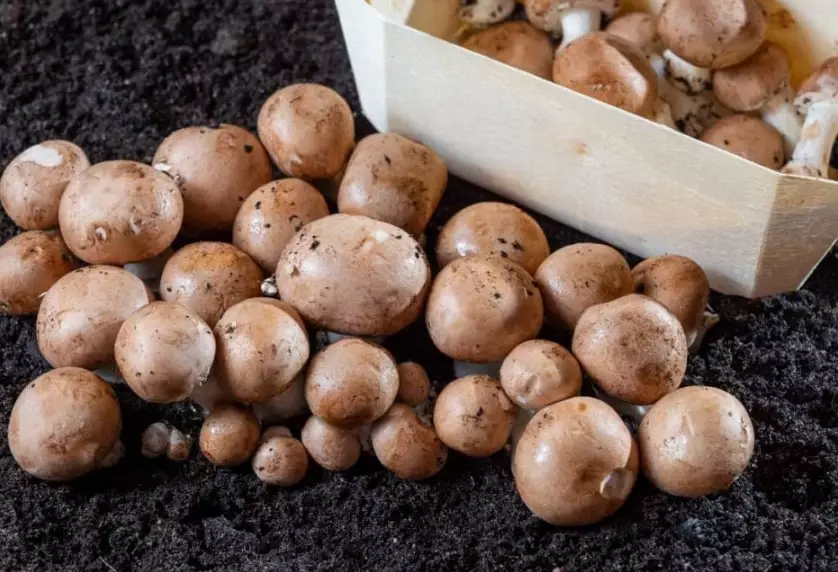
The Mushroom Family Tree (Simplified)
It gets confusing, so here’s the breakdown. All three are Agaricus bisporus.
- White Button Mushroom: Picked very young. Mild flavor, soft texture. The default.
- Crimini Mushroom (Baby Bella): Picked a bit later. Brown cap forms. Flavor is deeper, earthier, more "mushroom-y." Texture is denser.
- Portobello Mushroom: The fully grown crimini. Huge cap, open gills. Intense, meaty flavor, often used as a vegetarian steak.
So a portobello is just a giant, mature crimini mushroom. That "baby bella" nickname suddenly makes perfect sense, right?
Why Bother with Criminis? Flavor and Nutrition Head to Head
Okay, so they're a middle-stage mushroom. Why should you care? What makes the crimini mushroom worth seeking out over the cheaper white button? It's not just hype.
First, the taste. If a white button mushroom whispers "mushroom," a crimini says it clearly and confidently. It has a richer, nuttier, more earthy flavor. That umami punch is stronger. I find white buttons can sometimes taste a bit watery or bland, especially if they've been sitting around. Criminis hold their flavor better. In a soup, stew, or sauce, they contribute more backbone. You're not just adding texture; you're adding a layer of savory depth.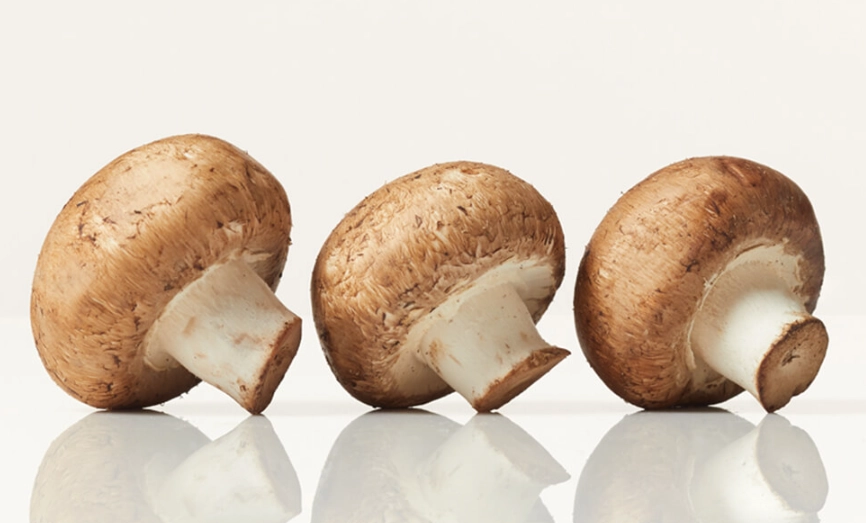
Then there's the texture. They're firmer. Less prone to turning into slimy mush if you accidentally overcook them (we've all done it). This makes them fantastic for sautés, roasting, or grilling where you want them to hold their shape and get a nice sear.
Now, the health stuff. This is where it gets interesting. Because they've grown longer and developed that brown pigment, crimini mushrooms pack a more concentrated nutritional punch.
| Nutrient (per 100g raw) | Crimini Mushroom | White Button Mushroom | Why It Matters |
|---|---|---|---|
| Antioxidants (Selenium, Ergothioneine) | Higher | Lower | The brown color indicates more antioxidants, which help protect cells from damage. Ergothioneine is a unique antioxidant mushrooms are great at sourcing from soil. |
| B Vitamins (Riboflavin B2, Niacin B3) | Significantly Higher | Moderate | Essential for energy metabolism and nervous system health. According to the USDA FoodData Central, criminis can have nearly double the riboflavin of white buttons. |
| Mineral Content (Copper, Potassium) | Higher | Lower | Copper helps with iron absorption, potassium is key for blood pressure and heart function. |
| Dietary Fiber | Slightly Higher | Good | Promotes gut health and helps you feel full. |
| Vitamin D (if exposed to UV light) | Can be High* | Can be High* | *Most fresh mushrooms are grown in the dark. Look for brands that treat them with UV light to boost Vitamin D, a crucial nutrient many are deficient in. The Harvard T.H. Chan School of Public Health notes mushrooms are one of the few non-animal sources. |
Look, I'm not a dietitian. But when I learned that simply choosing the brown mushroom over the white one gave me more nutritional bang for my buck, it became a no-brainer. They're low-calorie, virtually no fat, and add that savory satisfaction that can help you eat less meat. What's not to love?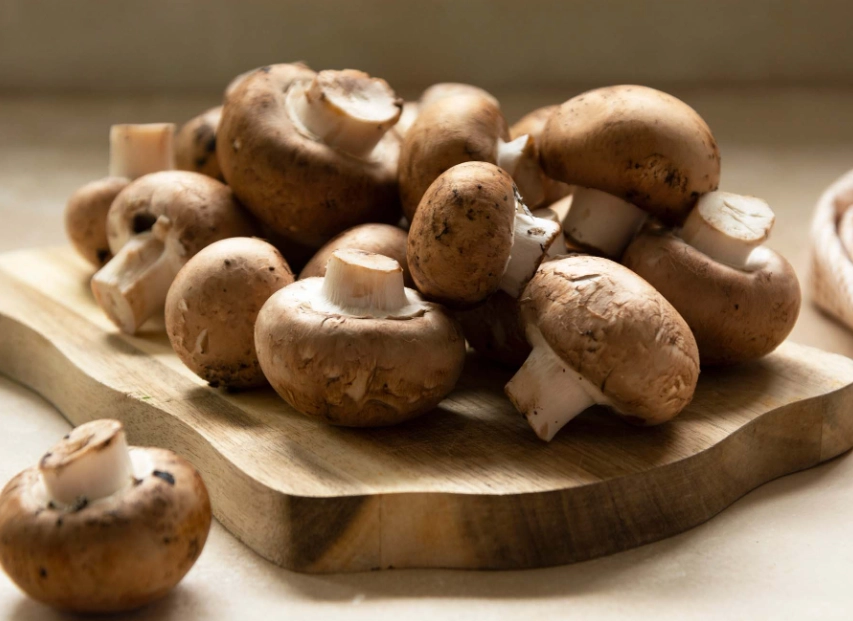
A quick personal gripe: Sometimes you see them sold in those plastic-wrapped trays, swimming in condensation. That's a pet peeve of mine. It makes them go slimy faster. Always, always check for dry packaging or better yet, buy them loose from the bulk bin if your store has it.
How to Pick the Perfect Crimini Mushroom (And Keep It Fresh)
You're convinced. You're going to try them. Now, how do you pick a good batch? It's not rocket science, but a few tips can save you from a disappointing, slimy mess.
At the Store: The Look, Feel, and Smell Test
First, look at the cap. It should be a smooth, consistent brown color. Avoid ones with lots of dark, wet-looking spots or any visible mold (sometimes you see a faint white fuzz, that's not always bad, but if it's colorful, steer clear). The cap should be firm and domed, not shriveled or cracked open.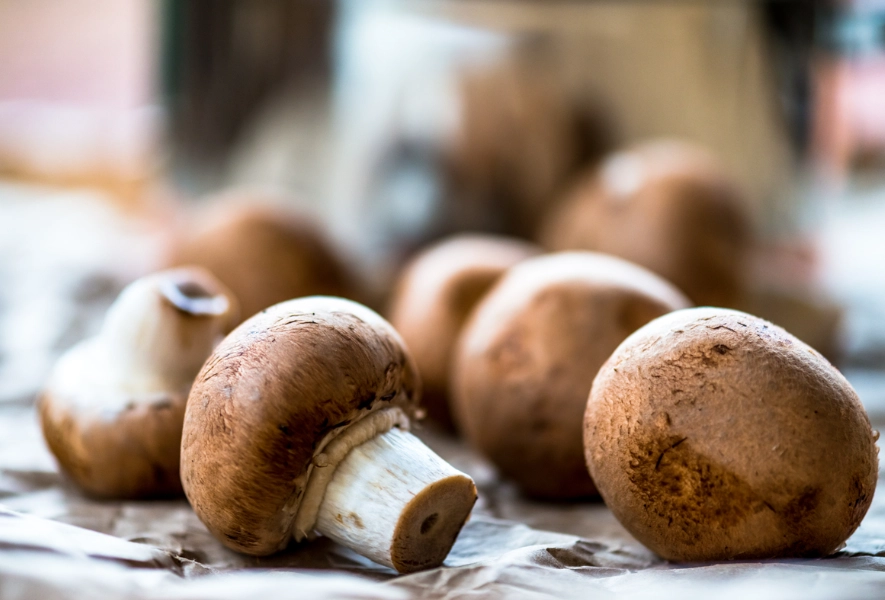
Now, the gills. On a young, fresh crimini mushroom, the gills underneath should be pinkish or light brown, and they should be covered by a thin membrane. If you can see wide-open, dark brown or black gills, that mushroom is very mature—it's basically turning into a portobello. It's still edible, but the texture might be a bit stronger, even slightly woody. I tend to avoid those for general cooking.
Give them a gentle squeeze. They should feel firm and springy, not soft, mushy, or damp. If they're in a package, lift it up. Is there a pool of water at the bottom? Put it back. That's a sign of age and improper storage.
Finally, if you can, smell them. A fresh crimini mushroom should have a pleasant, earthy, clean smell. If there's any sour, ammonia-like, or just "off" odor, don't buy them. Trust your nose.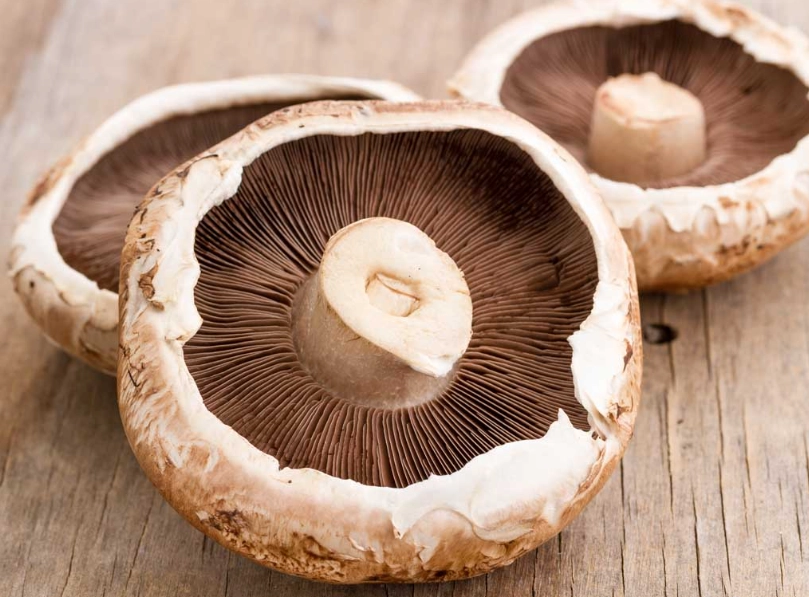
Pro-Tip for Bulk Buyers:
If you're buying loose crimini mushrooms from a bin, give the bin a quick glance. Are there lots of broken stems or slimy ones at the bottom? That might indicate the whole batch is old or has been handled roughly. Pick from the top.
Storing Them Right: The Paper Bag Method
This is the biggest mistake people make. Do NOT store fresh mushrooms in the plastic bag or plastic clamshell they came in. Trapped moisture is the enemy. It accelerates decay and turns them slimy.
Here's what I do, and it extends their life by days:
- Transfer them immediately. Take them out of the plastic and put them in a paper bag. The paper absorbs excess moisture but still lets them breathe.
- Loosely fold the top of the bag over.
- Place the bag in the main part of your fridge, not in the crisper drawer (which is often more humid). The cold, dry air of the fridge is perfect.
Stored this way, fresh crimini mushrooms can last 5-7 days, sometimes more. If you see a little bit of dryness or wrinkling after a week, they're still perfectly fine to cook—they've just lost some water weight, which can actually concentrate their flavor.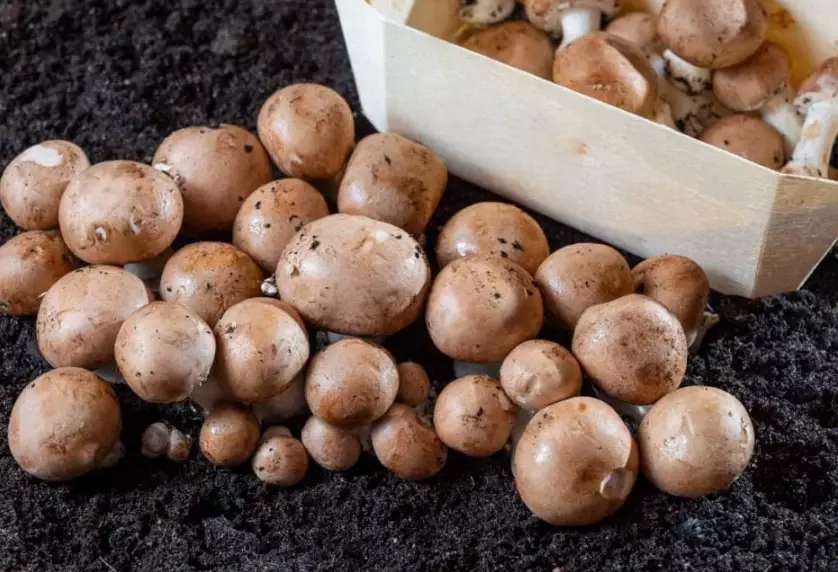
To Wash or Not to Wash?
The great debate! Many chefs say never wash mushrooms, just brush off dirt with a dry towel, because they absorb water like a sponge. Here's my take: they do absorb some water, but it's minimal if you do it right. If my crimini mushrooms are visibly dirty (they often are from the growing medium), I give them a quick rinse in a colander just before I'm ready to cook them. I don't let them soak. Then, I pat them very dry with a clean kitchen towel or paper towels. The key is getting them dry before they hit the pan. Soggy mushrooms steam instead of sauté. If you're roasting, a little moisture is okay as it will evaporate. Do what feels right for you.
Cooking Crimini Mushrooms: Unlocking Their Full Potential
This is the fun part. How do you turn these little brown gems into something delicious? The good news is, crimini mushrooms are incredibly versatile. They can handle almost any cooking method, and their robust flavor means they won't get lost.
Fundamental Techniques: Sauté, Roast, Grill
Sautéing: This is the go-to method for a reason. It's fast and develops incredible flavor. Slice your crimini mushrooms evenly, about 1/4-inch thick. Get your pan (not non-stick if you can help it—stainless steel or cast iron is better for browning) nice and hot over medium-high heat. Add a good glug of oil—avocado, grapeseed, or olive oil all work. Wait for the oil to shimmer, then add the mushrooms in a single layer if possible. Don't crowd the pan! Crowding steams them. Let them sit without stirring for a few minutes to get a good sear. You'll hear the sizzle. Then toss them. They'll release their liquid. Keep cooking until that liquid evaporates and the mushrooms are beautifully browned. This is called the "Maillard reaction," and it's where the magic happens. Season with salt and pepper at the end. A splash of soy sauce or a pat of butter at the finish is heavenly.
Roasting: My absolute favorite for hands-off cooking. Toss whole or halved crimini mushrooms with oil, salt, pepper, and maybe some thyme or rosemary. Spread on a parchment-lined baking sheet. Roast in a hot oven (400°F / 200°C) for 20-25 minutes. They shrink, caramelize, and become intensely flavorful and chewy. Perfect for adding to grain bowls, salads, or just eating as a side.
Grilling: Fantastic for larger criminis or if you skewer them. Brush with oil to prevent sticking. Grill over medium heat until tender and marked. The smoky flavor pairs amazingly with the earthiness.
Recipe Ideas That Actually Work
Don't just think "side dish." Think bigger.
- The Ultimate Umami Pasta: Sauté sliced crimini mushrooms with garlic and shallots until deeply browned. Deglaze the pan with a splash of white wine or broth. Toss with cooked pasta, a bit of the pasta water, lots of parsley, and a hefty sprinkle of Parmesan. Simple, fast, and deeply satisfying.
- Creamy Crimini Soup: Sauté mushrooms with onions. Add vegetable or chicken broth and simmer. Blend until smooth (an immersion blender is easiest). Stir in a touch of cream or coconut milk. The flavor of crimini mushrooms makes this soup taste luxurious without needing a ton of cream.
- Stuffed Appetizer: Remove the stems from larger crimini caps. Chop the stems and sauté with breadcrumbs, garlic, herbs, and cheese (like feta or parmesan). Stuff the mixture back into the caps, bake until hot and bubbly. Always a crowd-pleaser.
- "Meaty" Vegetarian Bolognese: Finely chop crimini mushrooms (a food processor helps) so they have a ground meat-like texture. Cook them down with tomatoes, onions, carrots, and herbs. The mushrooms add body and a savory depth that mimics meat. It's a game-changer for meatless meals.
I tried making a crimini mushroom risotto once, following a fancy recipe that said to add the mushrooms at the very end. Big mistake. They just floated there, bland and watery. Now I sauté them separately until they're almost crispy, then fold them in at the end. Way better. Sometimes you have to adapt.
Wrapping It Up: Why Criminis Deserve a Spot in Your Kitchen
Look, I'm not here to tell you to never buy a white button mushroom again. They have their place—they're mild, they work fine in a casserole where other flavors dominate. But if you want a mushroom that actually tastes like something, that adds a savory foundation to your cooking, and gives you more nutrients without any extra effort, the crimini mushroom is the clear winner.
It's that simple upgrade that makes everyday cooking feel a bit more special. They're not exotic or crazy expensive. They're sitting right there in your everyday grocery store, waiting to be discovered.
Next time you're making a stir-fry, a pasta sauce, or just a simple side of veggies, grab the brown ones. Give them a good sear in a hot pan. Taste the difference. I think you'll be hooked.
It's just a mushroom. But sometimes, the small choices make the biggest impact on your plate.
Reader Comments