Quick Navigation
- Deconstructing the Classic: Nutrition Facts for Each Ingredient
- Is Caesar Salad Actually Healthy? A Balanced Verdict
- How to Make a Healthier Caesar Salad: Actionable Tweaks
- Restaurant vs. Homemade: A Nutritional Showdown
- Answering Your Caesar Salad Nutrition Questions
- The Final Word on Caesar Salad Nutrition
Let's talk about Caesar salad. You see it on every menu, from fancy steakhouses to your local diner. It's the default "healthy" choice when you're trying to be good, right? A pile of crisp romaine, some crunchy croutons, savory Parmesan, and that creamy, garlicky dressing. What could be wrong? Well, I used to think the same thing until I actually dug into the nutrition facts of a classic Caesar salad. Let me tell you, it was a bit of a wake-up call. The numbers can tell a very different story from the green, leafy image in your head.
This isn't about making you feel guilty for enjoying one. Honestly, I still order them (with a few tweaks). But if you're watching your weight, managing your sodium, or just curious about what you're really eating, understanding the complete picture is crucial. Is it a nutrient powerhouse or a calorie and sodium bomb in disguise? The answer, as with most things in nutrition, is: it depends. It depends entirely on the portions, the specific ingredients, and who's making it.
So, we're going to break it down piece by piece. We'll look at the nutrition facts of Caesar salad from every angle—homemade versus restaurant, classic versus lightened-up versions. We'll answer the big questions: How many calories are really in there? Is the fat content something to worry about? And why does the sodium number sometimes look like a phone number?
Deconstructing the Classic: Nutrition Facts for Each Ingredient
To really get the nutrition facts of a Caesar salad, you can't just look at the final product. You have to understand what each part contributes. A standard restaurant-sized portion (and let's be real, portions are huge these days) typically includes:
- Romaine Lettuce (about 3 cups): The foundation. Low in calories, high in vitamin A, vitamin K, and folate. This is the undisputed good guy.
- Caesar Dressing (3-4 tablespoons): The heart and soul, and often the nutritional villain. Traditional dressing is an emulsion of oil, egg yolk (or whole egg), Parmesan cheese, lemon juice, Worcestershire sauce, anchovies, garlic, and black pepper.
- Croutons (1 cup): The crunch factor. Usually white bread cubes toasted in butter or oil, often seasoned with garlic and herbs.
- Parmesan Cheese (1/4 cup shredded): The salty, umami kick. Adds protein and calcium, but also more sodium and saturated fat.
Here’s a detailed table breaking down the approximate nutrition for a typical, generous restaurant-style Caesar salad. The data is compiled using standard references from the USDA's FoodData Central, which is the gold standard for food composition data.
| Ingredient | Approx. Amount | Calories | Total Fat (g) | Saturated Fat (g) | Protein (g) | Carbohydrates (g) | Sodium (mg) |
|---|---|---|---|---|---|---|---|
| Romaine Lettuce | 3 cups, chopped | 24 | 0.3 | 0 | 1.8 | 4.6 | 16 |
| Classic Caesar Dressing* | 3.5 tbsp (52g) | 260 | 28 | 5 | 2 | 2 | 470 |
| Garlic Croutons | 1 cup (42g) | 180 | 7 | 2 | 4 | 25 | 330 |
| Parmesan Cheese | 1/4 cup, shredded (22g) | 110 | 7 | 4.5 | 10 | 1 | 380 |
| TOTAL (Typical Restaurant) | -- | ~574 | ~42.3 | ~11.5 | ~17.8 | ~32.6 | ~1196 |
*Dressing nutrition can vary WILDLY. This is an estimate for a rich, oil-based homemade-style dressing.
Look at that sodium number. Nearly 1200 milligrams. The American Heart Association recommends no more than 2,300 mg a day, with an ideal limit of 1,500 mg for most adults. One salad can get you 50-80% of the way there. And the calories? Almost 600. That's before you add grilled chicken or shrimp, which would be another 150-250 calories. Suddenly, that "light" lunch isn't so light.
The fat content is another eye-opener. Over 40 grams of total fat, with 11.5 grams of saturated fat. That's about half the recommended daily limit for saturated fat for someone on a 2,000-calorie diet. The dressing is almost entirely responsible for this.
Where Do the Calories in Caesar Salad Really Come From?
It's all about the dressing and croutons. Think of it this way: the romaine lettuce is like a blank canvas. It's mostly water and fiber, with minimal calories. The Parmesan adds some flavor and protein punch. But the calories in a Caesar salad are overwhelmingly delivered by the fatty, oily dressing and the starchy, often oil-toasted croutons. In our example above, the dressing and croutons together contribute about 440 calories—that's over 75% of the total salad's calories!
This is the core of the issue. The base of the salad is genuinely healthy. It's the accompaniments that tip the scales, literally and figuratively.
Is Caesar Salad Actually Healthy? A Balanced Verdict
So, with those nutrition facts of Caesar salad laid bare, can we call it healthy? It's not a simple yes or no. Let's weigh the pros and cons.
- Romaine is a Nutrient Star: Packed with Vitamin A (for vision and immunity), Vitamin K (crucial for blood clotting and bone health), and folate (important for cell function).
- Protein and Calcium from Cheese: Parmesan provides a decent amount of high-quality protein and is an excellent source of calcium and phosphorus for bone health.
- Healthy Fats (Potentially): If the dressing is made with a good quality olive oil, you're getting monounsaturated fats, which are heart-healthy. Anchovies provide omega-3 fatty acids.
- Sodium Overload: This is the biggest red flag. Between the salty Parmesan, the anchovies/Worcestershire in the dressing, and seasoned croutons, the sodium content is consistently high.
- Calorie Density: It's easy to consume a large number of calories quickly, primarily from fat. This can be a problem for weight management if you're not careful with portions.
- Saturated Fat: The combination of cheese, dressing (often made with egg yolk), and buttery croutons can add up to a significant amount of saturated fat.
- Refined Carbs: Most croutons are made from refined white flour, offering little fiber or nutritional value beyond calories.
My personal take? A traditional Caesar salad is a sometimes food, not an everyday health food. It's fine for an occasional treat when eating out. But if you're eating it regularly, you're likely consuming more sodium and saturated fat than you realize. The health value is entirely conditional on how it's prepared.
How to Make a Healthier Caesar Salad: Actionable Tweaks
The beauty of understanding the nutrition facts of a Caesar salad is that you can use that knowledge to make it better. You don't have to give it up. Here’s how to build a healthier version that still tastes amazing.
Revamp the Dressing (The #1 Game-Changer)
This is where you make the biggest impact. Store-bought dressings are often the worst offenders, loaded with soybean oil, added sugar, and preservatives.
- Use Greek Yogurt or Light Mayo as a Base: Swap half or more of the oil for plain, non-fat Greek yogurt. You get the same creamy texture and tang with a fraction of the fat and calories. I've done this for years, and my family can't tell the difference.
- Choose Your Oil Wisely: If making an oil-based version, use extra virgin olive oil for its health benefits.
- Boost Flavor, Not Fat: Use more fresh garlic, lemon juice, Dijon mustard, and a high-quality anchovy paste (a little goes a long way) to create depth without just adding more oil.
- Control Portions: Drizzle dressing from a spoon instead of pouring. You'll use less. Aim for 1-2 tablespoons max.
Upgrade the Croutons
Croutons are mostly empty calories. Here are better options:
- Make Your Own Whole-Grain Croutons: Cube whole-wheat or seeded bread, toss with a tiny bit of olive oil and garlic powder, and bake until crisp.
- Try a Different Crunch: Swap croutons entirely for a handful of roasted chickpeas, sunflower seeds, or sliced almonds. You add fiber, protein, and healthy fats.
- Just Use Less: Sometimes, a small sprinkle is all you need for that textural contrast.
Boost the Salad Base
Don't stop at romaine. Adding more vegetables increases volume, fiber, and nutrients without adding many calories.
- Add chopped kale or spinach for more iron and fiber.
- Throw in some cherry tomatoes, sliced cucumbers, or roasted bell peppers.
- For a more substantial meal, add a lean protein like grilled chicken breast, shrimp, or chickpeas (for a vegetarian option). This turns it from a side into a balanced main.
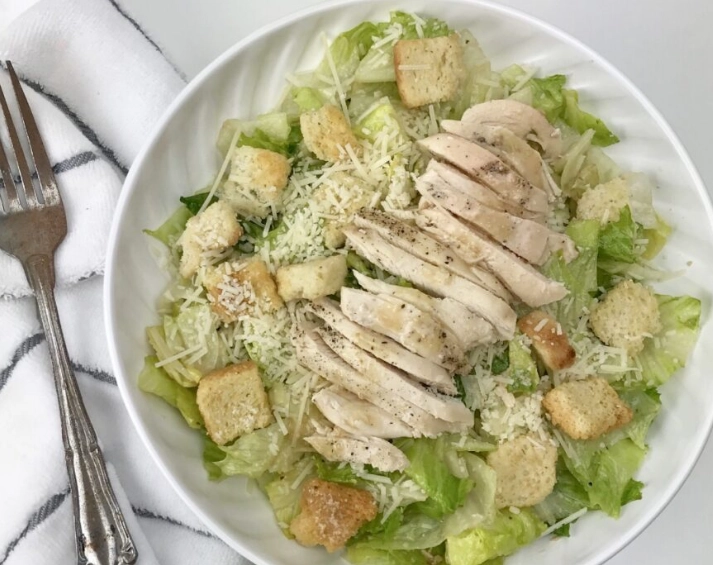
A homemade salad with these tweaks can easily cut the calories by 30-40% and slash the sodium by half, while actually increasing the vitamin and fiber content. Now that's a win.
Restaurant vs. Homemade: A Nutritional Showdown
This is critical. The nutrition facts of a Caesar salad you get at a chain restaurant can be a completely different beast from one you make at home. Restaurants prioritize taste and cost, which often means more dressing, more cheese, more croutons, and cheaper ingredients (like oils high in omega-6s).
Let's look at some real-world examples from popular chains (nutrition info sourced from their official websites). The numbers are for a side Caesar salad, without protein.
| Restaurant | Calories | Total Fat (g) | Saturated Fat (g) | Sodium (mg) | Key Takeaway |
|---|---|---|---|---|---|
| Chain Restaurant A (Side Salad) | 360 | 32 | 6 | 870 | Surprisingly high fat for a "side." Dressing likely heavy. |
| Chain Restaurant B (Classic Side Caesar) | 240 | 21 | 4.5 | 550 | Better sodium, but fat still contributes ~80% of calories. |
| Upscale Steakhouse (Estimated) | 500-700 | 40-50 | 10+ | 1000-1500 | Portions are huge, dressing is rich, cheese is abundant. |
| Homemade (Lightened-Up Version) | ~350 | ~18 | ~4 | ~600 | You control everything. Can be balanced and satisfying. |
The lesson? When you're out, the Caesar salad nutrition information is often stacked against you. The sodium is almost always high. Asking for dressing on the side is the single most powerful thing you can do. Use a fraction of what they provide. You can also ask for light cheese or no croutons.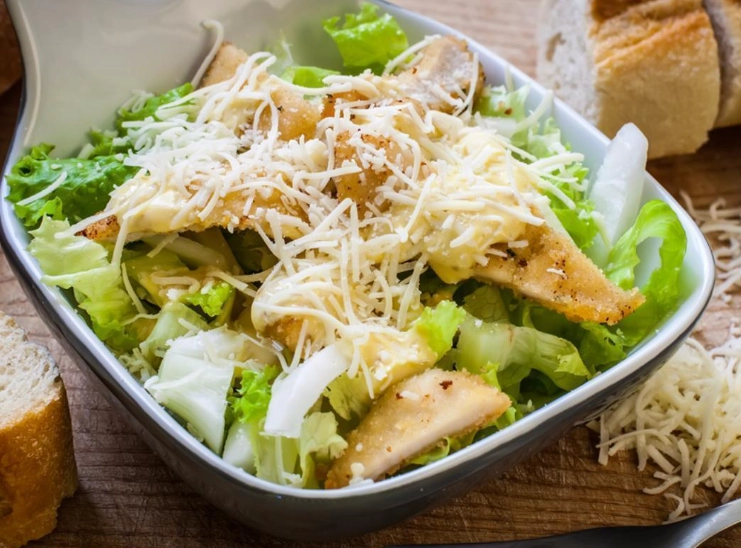
Answering Your Caesar Salad Nutrition Questions
Based on what people actually search for, here are some direct answers to common questions about Caesar salad nutrition facts.
How many calories are in a Caesar salad with chicken?
This is the most common way it's served as a main course. Adding a 4-6 oz grilled chicken breast adds about 150-250 calories and 30-40 grams of protein. So, a restaurant Caesar salad with grilled chicken can easily range from 700 to 900 calories, sometimes more if the chicken is cooked in oil or the salad includes other additions. The protein makes it more filling, but the calorie count is often equivalent to a large burger.
Is Caesar salad good for weight loss?
It can be, but the classic version often is not. For weight loss, you want meals high in volume, fiber, and protein but moderate in calories. A traditional Caesar is moderate in protein, low in fiber (from refined croutons), and high in calorie-dense fat. However, a modified Caesar salad—with a yogurt-based dressing, lean protein like chicken or fish, added veggies, and fewer or healthier croutons—can be an excellent, satisfying weight-loss meal. It's all about the construction.
Why is Caesar salad so high in sodium?
Three main culprits: 1) Parmesan Cheese: It's a hard, aged cheese naturally high in salt. 2) The Dressing: Contains anchovies (or anchovy paste) and Worcestershire sauce, both intensely salty. Many recipes also add salt directly. 3) Croutons: Often seasoned with salt and garlic salt. These three elements create a perfect storm of sodium.
Can I eat Caesar salad on a low-carb or keto diet?
Surprisingly, yes—with major modifications. The romaine and cheese are low-carb friendly. The issue is the croutons (pure carbs) and the sugar sometimes added to dressings. For a keto Caesar, you must:
- Omit the croutons entirely or replace them with something like pork rind "croutons."
- Ensure the dressing has no added sugar. A traditional oil-and-egg yolk dressing is actually perfect for keto, as it's high in fat.
- Watch the portion of Parmesan to stay within your macros.
So, a deconstructed Caesar (greens, cheese, keto-friendly dressing) can work well.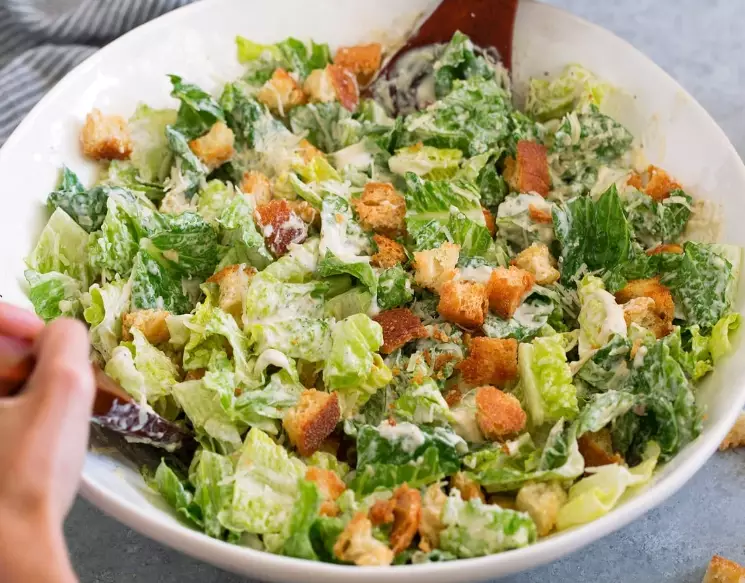
What are the main allergens in a Caesar salad?
This is important for many people. Classic Caesar salad contains:
- Egg: The dressing is traditionally made with raw or coddled egg yolk as an emulsifier.
- Fish (Anchovies): Essential for the authentic flavor.
- Dairy (Parmesan Cheese): And sometimes milk solids in croutons.
- Gluten/Wheat: In the croutons, and sometimes in Worcestershire sauce (which contains malt vinegar from barley).
If you have allergies, always ask. Many restaurants now offer egg-free, anchovy-free, and gluten-free versions.
The Final Word on Caesar Salad Nutrition
Look, I'm not here to ruin Caesar salad for you. I love it. The combination of creamy, salty, garlicky, and crunchy is hard to beat. But after looking closely at the nutrition facts of Caesar salad, I view it differently now. I see it as a dish where a few small choices make a massive difference to your health.
Think of it like this: The basic blueprint—a green salad with a savory, creamy component and a crunch—is sound. It's the execution that often goes off the rails. By taking control of the dressing, rethinking the crunch, and bulking up the greens, you can transform it from a nutrient-questionable side dish into a genuinely nutritious and delicious centerpiece of a meal.
So next time you're staring at a menu or in your own kitchen, you'll know exactly what you're getting into and exactly how to make it work for you. That's the real goal of understanding food—not restriction, but informed, enjoyable choice.
Reader Comments