Your Roasting Roadmap
- First Things First: Getting Those Seeds Ready
- The Art of Seasoning: Beyond Just Salt
- How to Actually Roast Them: Time, Temp, and Technique
- So, What Can Go Wrong? (Let's Be Honest)
- Why Bother? The Good Stuff Inside
- Creative Ways to Use Your Roasted Squash Seeds
- Answers to Questions You Might Be Too Shy to Ask
- Wrapping It Up: Your New Fall Ritual
You know that feeling. You've just carved up a beautiful butternut squash for soup, or maybe you're prepping a pumpkin for pie. Your hands are covered in stringy guts, and there, mixed in with all the goop, is a pile of seeds. For years, I just scraped them into the compost bin without a second thought. What a waste.
Then one fall, a friend saw me doing it and practically gasped. "You're throwing away the best part!" she said. I was skeptical. Slimy, wet seeds? Really? But I gave roasting squash seeds a try, following her vague instructions. The first batch was... okay. Some were burnt, some were chewy. It was a learning experience, to put it kindly.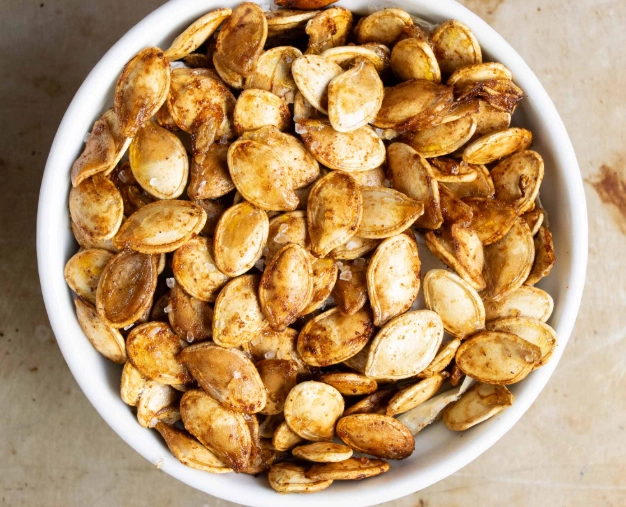
But here's the thing. Once you get it right, roasting squash seeds transforms them into this incredible, addictive snack. They're crunchy, packed with a nutty flavor, and you can season them a hundred different ways. Plus, it feels good to use the whole vegetable. It's the ultimate zero-waste kitchen hack that actually tastes amazing.
So, after many batches (some great, some downright failures), I've figured it out. This isn't just about tossing seeds in the oven. It's about the little details that make the difference between a mediocre nibble and a snack you can't stop eating. Let's get into it.
First Things First: Getting Those Seeds Ready
This is the messy part, but it's also where most people rush and end up with less-than-perfect results. You can't just rinse and roast. Well, you can, but they won't be great.
Start by scooping the seeds and pulp from your squash. Any squash works—acorn, butternut, spaghetti, and of course, pumpkin. I find the seeds from smaller squash like delicata or acorn are more tender, while pumpkin seeds are bigger and heartier. Don't mix different types for one batch; they'll roast at different rates.
Now, the cleaning. The goal is to remove every bit of stringy orange pulp. That pulp burns easily and can make your seeds taste bitter. The best method I've found is the bowl-of-water method. Dump the seeds and pulp into a large bowl of water. The seeds float, and the heavy pulp sinks. Use your hands to separate them, pulling the seeds away from the guts. It's satisfying, in a weird way. Rinse the seeds in a colander under cold water, picking off any stubborn bits.
Patience here pays off later.
Next, and this is the most crucial step that most recipes gloss over: drying. You must dry the seeds thoroughly. If you put wet seeds in the oven, they'll steam instead of roast, and you'll get a chewy, sad result. Spread the cleaned seeds in a single layer on a clean kitchen towel or a bunch of paper towels. Roll them up and gently pat them dry. Some people even leave them out on the counter for a few hours or overnight. I'm usually too impatient for that, so I pat them very, very dry and sometimes even give them a few minutes with a hair dryer on a cool setting (seriously, it works).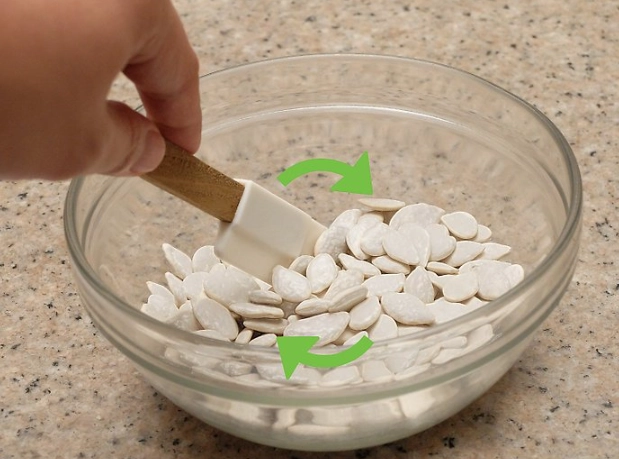
The Art of Seasoning: Beyond Just Salt
Okay, your seeds are clean and dry. Now for the fun part. A little oil and salt is the classic, and there's nothing wrong with it. But why stop there? Roasting squash seeds gives you a blank canvas.
The base is always a bit of oil. You need it to help the seasoning stick and to promote even browning. Use a neutral oil with a high smoke point. I prefer avocado oil, but grapeseed or a light olive oil works fine. About a tablespoon of oil per cup of dry seeds is a good rule. Toss them in a bowl until they're lightly and evenly coated.
Now, the seasoning. Salt is non-negotiable. Use fine sea salt so it sticks. But then, get creative. Here’s where personal taste comes in.
My Go-To Seasoning Combinations
- The Classic Smoky: Sea salt, smoked paprika, and a tiny pinch of garlic powder.
- The Sweet & Spicy: A mix of brown sugar (it will caramelize!), chili powder, salt, and a dash of cinnamon. This one can burn easily, so watch it.
- The Everything Bagel: Toasted sesame seeds, dried garlic flakes, dried onion flakes, poppy seeds, and salt. This is a winner.
- The Simple Herb: Dried rosemary (crushed between your fingers), black pepper, and sea salt. Feels fancy, tastes amazing.
- The Curry Lover: Your favorite curry powder, a touch of turmeric, and salt.
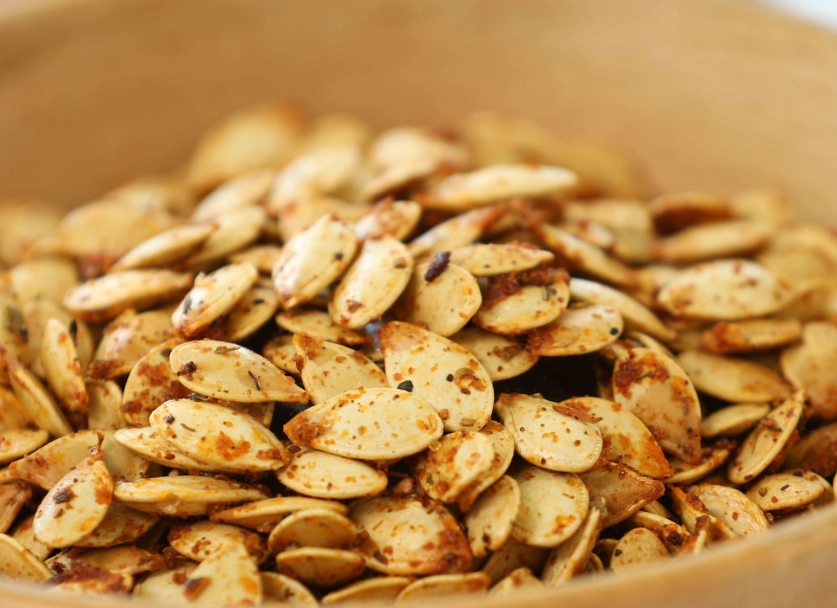
My personal favorite? A weird one I stumbled on: a splash of soy sauce (tamari for gluten-free) mixed with the oil, tossed with the seeds, and then finished with a sprinkle of furikake (Japanese seaweed seasoning) after roasting. It’s umami heaven.
Don't be afraid to experiment.
How to Actually Roast Them: Time, Temp, and Technique
This is where the rubber meets the road. You can have perfect prep and great seasoning, but overcook them and it's all for nothing.
Temperature: A moderate oven is key. Too hot, and the outside burns before the inside dries out. Too low, and they never get crisp. I've found the sweet spot is between 300°F (150°C) and 325°F (165°C). I lean towards 325°F for a slightly faster roast.
Equipment: Use a rimmed baking sheet. A flat sheet lets them slide right off. Line it with parchment paper for the easiest cleanup imaginable. Don't crowd the pan. Spread the seasoned seeds in a single, even layer. If they're piled on top of each other, they'll steam.
The Process: Pop the tray into your preheated oven. Now, the most important instruction: stir them. You need to stir or shake the tray every 10 minutes or so. This ensures even browning and prevents the edges from burning. Roasting squash seeds is not a "set it and forget it" operation.
How do you know when they're done? They should be golden brown and you should hear a faint sizzling sound stop. They will also smell incredibly nutty and toasted. Take one out, let it cool for a second, and taste it. It should be crisp all the way through, not chewy in the middle. Total time is usually 20 to 30 minutes, but it varies wildly based on seed size, moisture, and your oven.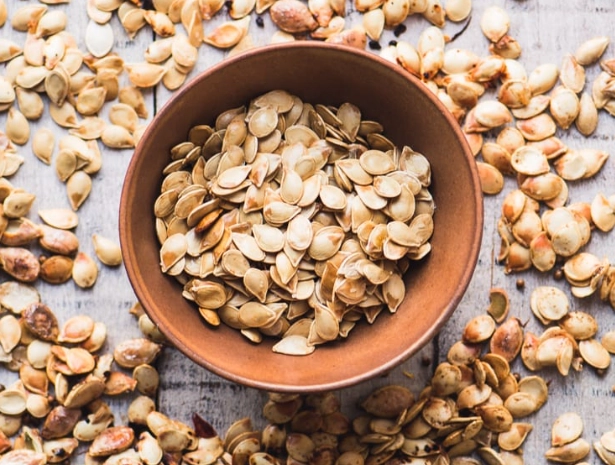
| Squash Type | Seed Size/Texture | Recommended Roast Temp | Approximate Time | Flavor Note |
|---|---|---|---|---|
| Pumpkin | Large, thick shell | 325°F (165°C) | 25-35 mins | Hearty, classic "pepita" flavor. |
| Butternut | Medium, flat | 300°F (150°C) | 20-30 mins | Delicate, almost buttery when roasted. |
| Acorn & Delicata | Smaller, thinner | 300°F (150°C) | 15-25 mins | More tender, can burn easily. Watch closely! |
| Spaghetti | Medium, plump | 325°F (165°C) | 20-30 mins | Mild flavor, great for bold seasonings. |
So, What Can Go Wrong? (Let's Be Honest)
I've messed up plenty of batches. Learning from failure is part of the game. Here are the common pitfalls when roasting squash seeds.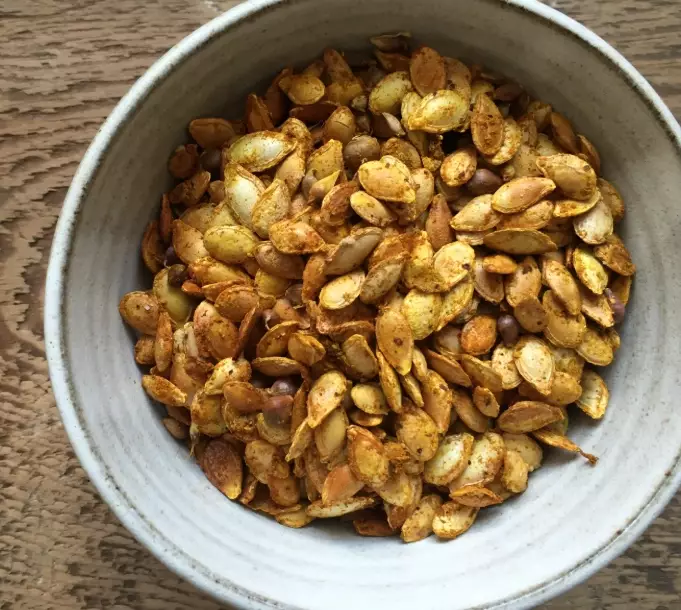
Chewy, Not Crispy: This is the number one complaint. The cause is almost always insufficient drying before roasting, or roasting at too low a temperature so they steam instead of toast. Make sure those seeds are bone-dry going in.
Burnt on the Outside, Raw Inside: Oven too hot. Lower the temperature and roast for longer, stirring frequently.
Bland Flavor: Not enough salt or seasoning. The oil helps the salt stick, but you need to be generous. Taste a seed before it goes in the oven (it's safe, they're raw, not magical). It should taste pleasantly salty. The flavor concentrates a bit during roasting, but not dramatically.
Sticking to the Pan: You didn't use parchment paper or enough oil. Parchment paper is a lifesaver.
Why Bother? The Good Stuff Inside
Beyond being delicious and reducing food waste, roasted squash seeds are genuinely good for you. They're a great source of plant-based protein, healthy fats (like omega-3s), fiber, and minerals like magnesium, zinc, and iron. According to nutrient data from the USDA FoodData Central, pumpkin seeds (a common type of squash seed) are particularly nutrient-dense. They make a far more satisfying and nutritious snack than a bag of chips.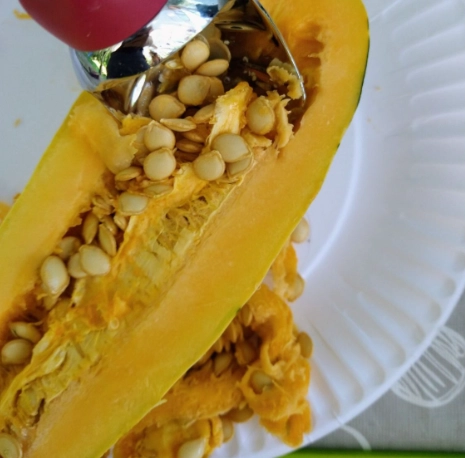
Creative Ways to Use Your Roasted Squash Seeds
Sure, eat them by the handful. But they're also an incredible garnish and ingredient.
- Salad Topper: Adds fantastic crunch to autumn salads, especially ones with kale, apples, and goat cheese.
- Soup & Chili Finisher: Sprinkle a handful on top of butternut squash soup, pumpkin soup, or a hearty chili for texture.
- Yogurt or Oatmeal Mix-in: Along with some fruit, they add a great nutty element to breakfast.
- Trail Mix Component: Mix with dried fruit, nuts, and maybe some dark chocolate chips.
- Baking: Fold them into quick breads, muffin batters, or sprinkle on top of focaccia before baking.
- Pesto: Use them in place of pine nuts in a pesto. It's cheaper and has a deeper, earthier flavor. A great tip I picked up from reading about alternative pestos on Serious Eats.
Answers to Questions You Might Be Too Shy to Ask
I had these questions when I started, so let's just tackle them head-on.
Do I need to remove the shell?
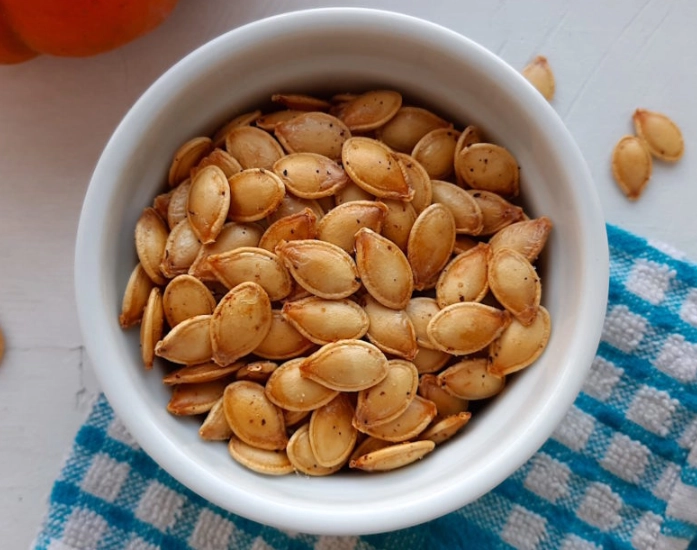
Nope! The shells of most common squash seeds (like pumpkin and butternut) are perfectly edible and become delightfully crispy when roasted. In fact, most of the fiber is in the shell. Some people prefer to crack them with their teeth and eat the inner kernel (the "pepita"), but eating the whole thing is standard and easier.
Can I roast seeds from any squash?
Absolutely. Any winter squash—butternut, acorn, kabocha, spaghetti, pumpkin—will yield edible, roast-able seeds. The flavor and texture vary slightly, but the process is the same. I'd avoid seeds from bitter gourds not meant for eating, but any culinary squash is fair game.
How do I store them?
Let them cool completely first. Any residual warmth will create steam and moisture in the container, making them soggy. Store in an airtight container at room temperature for up to a week. For longer storage (up to a month), keep them in the fridge. You can also freeze them for several months.
My seeds turned out soft after storing. Can I fix it?
Yes! This happens if they absorbed moisture from the air. Just spread them back on a baking sheet and pop them in a 275°F (135°C) oven for 5-10 minutes to re-crisp. Let them cool again before storing.
Is there a difference between roasting pumpkin seeds and roasting other squash seeds?
The core principle is identical. Pumpkin seeds are often larger and may take a minute or two longer. The main difference is just the source vegetable. The method for cleaning, drying, seasoning, and roasting squash seeds from a butternut is 99% the same as for a pumpkin.
Wrapping It Up: Your New Fall Ritual
Roasting squash seeds is one of those simple, satisfying kitchen skills. It feels thrifty, it's healthier than buying processed snacks, and the result is genuinely delicious. The next time you cut into a squash, save those seeds. Give yourself 30 minutes of mostly hands-off time. Put on some music, separate the seeds from the pulp, and experiment with a seasoning.
Don't stress about perfection. My first few attempts were far from perfect. But now, it's an automatic part of my fall cooking. The smell of seeds toasting in the oven is the smell of making the most of what you have. And in a world full of waste, that's a small, tasty victory.
Go on, give it a try. You might just find your new favorite snack.
Reader Comments