Jump to What You Need
September rolls around, and if you're like me, you start craving those crisp, fresh flavors of fall. But what fruit is actually in season this month? I used to just grab whatever looked good at the store, only to end up with bland apples or rock-hard pears. After years of gardening and visiting farms, I've learned that timing is everything. Let's cut through the noise and get straight to the juicy details.
Eating seasonal fruit isn't just a trend—it's a game-changer for flavor and nutrition. According to seasonal produce guides from sources like the USDA, September marks a sweet spot where summer holdovers meet autumn harvests. You get the best of both worlds, but only if you know what to look for. I'll share my personal picks, some common mistakes to avoid, and how to make the most of this month's bounty.
What Fruits Are Peak in September?
September is a transition month. In many regions, especially in temperate climates like North America and Europe, certain fruits hit their stride. Here's a breakdown based on my experience and data from agricultural reports.
Pro tip: Don't rely solely on supermarket labels. I've seen "local" apples in September that were actually stored from last year. Check for firmness and aroma—fresh seasonal fruit should smell like, well, fruit.
Let's get specific. These are the stars of September, and I've ranked them based on availability and flavor peak.
Apples
Apples are the poster child for fall. But not all apples are created equal in September. Early varieties like Gala and Honeycrisp start ripening. I remember visiting an orchard in upstate New York last September—the Honeycrisp apples were so crisp they practically snapped when bitten. Avoid Red Delicious this early; they often lack sweetness until later in fall.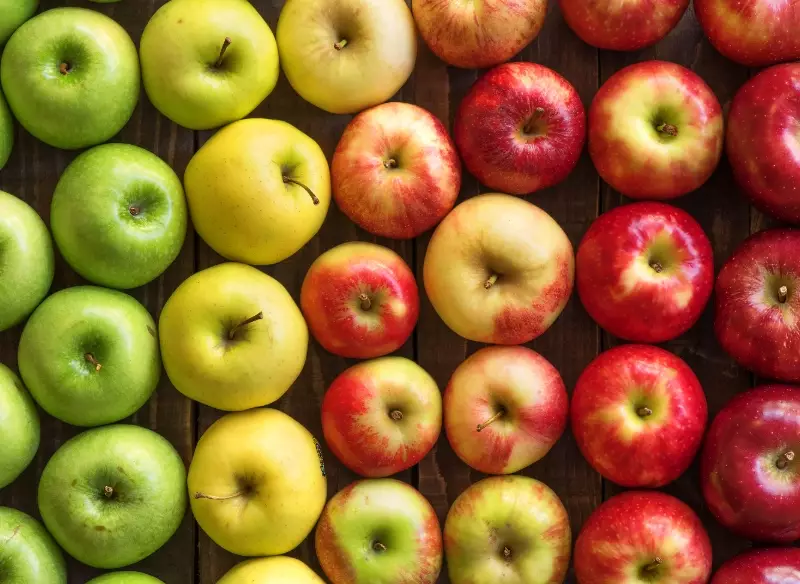
Pears
European pears like Bartlett and Anjou are prime now. Bartlett pears turn from green to yellow when ripe. A mistake I made: buying them too early and letting them rot on the counter. They need careful handling. Asian pears, with their crunchy texture, are also available but less common.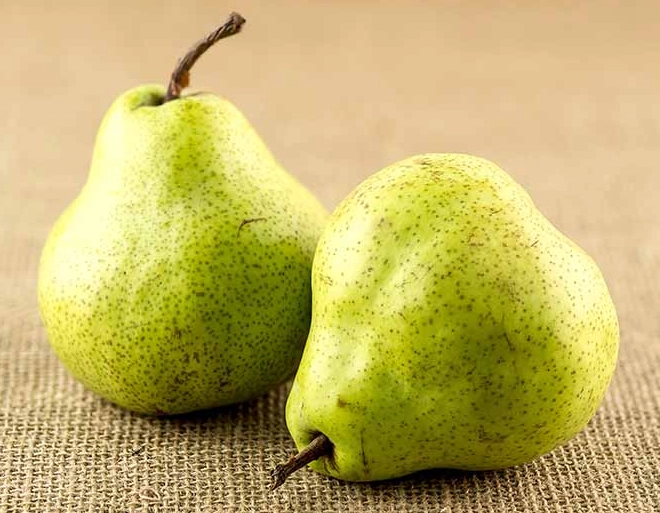
Grapes
Table grapes, both red and green, are harvested. Concord grapes for juice come in late September. I once bought grapes that tasted watery—turns out they were picked too early. Look for plump grapes firmly attached to the stem.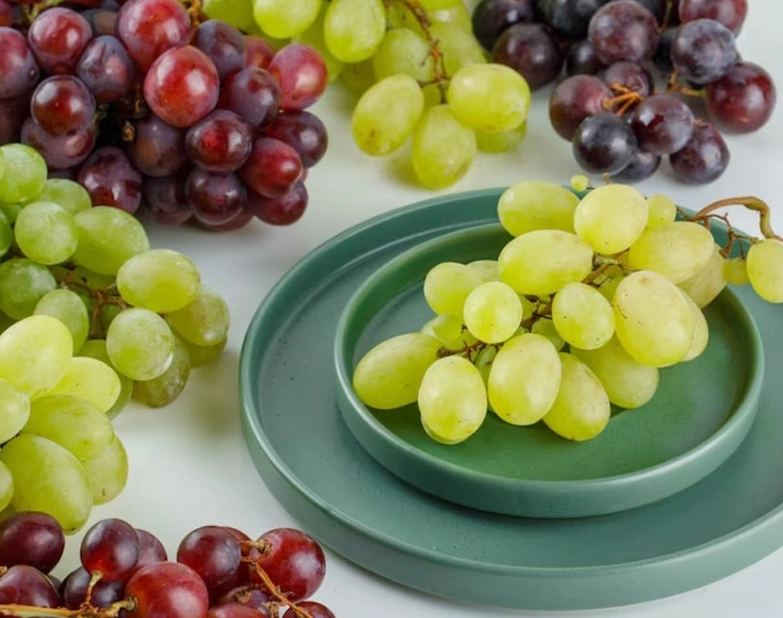
Figs
Fresh figs have a short window, and September is it in many areas. They're fragile, so eat them fast. Black Mission figs are my favorite, with a jam-like interior. If you see them, grab them; they don't last.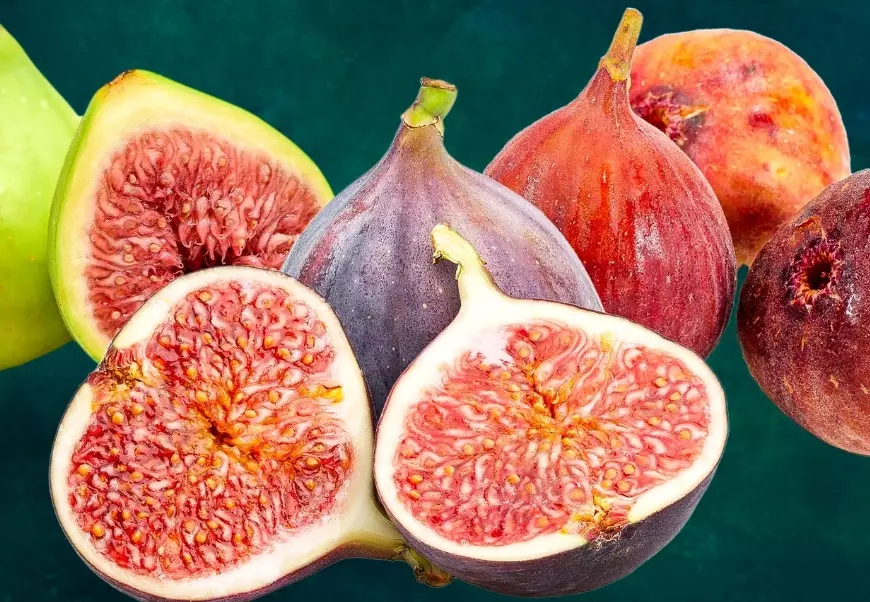
Plums
Late-season plums, like Italian plums, are still around. They're smaller and denser, perfect for baking. I've found them at farmers' markets, often overlooked next to flashier fruits.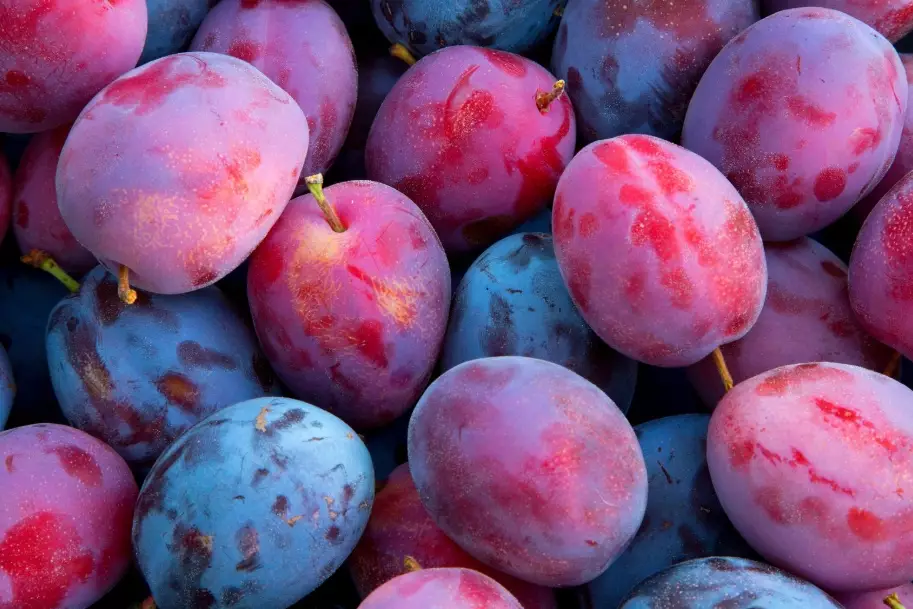
Here's a quick table to summarize:
| Fruit | Key Varieties | Peak Region (Example) | Flavor Note |
|---|---|---|---|
| Apples | Honeycrisp, Gala | Pacific Northwest, USA | Crisp, sweet-tart |
| Pears | Bartlett, Anjou | California, USA | Buttery, juicy |
| Grapes | Thompson Seedless, Concord | Central Valley, USA | Sweet, aromatic |
| Figs | Black Mission, Kadota | Mediterranean climates | Rich, honey-like |
| Plums | Italian Prune | Eastern Europe | Tart-sweet, firm |
Notice how regionality matters? If you're in a warmer area, you might still get late peaches or early persimmons. But for most, this list covers the essentials.
How to Pick the Perfect September Fruit
Selecting fruit can feel like a gamble. I've brought home beautiful apples that turned mealy, and ugly pears that were divine. Here's what I've learned the hard way.
For apples, ignore the shine—some stores wax them. Instead, feel for firmness all around, and sniff the stem end. A sweet scent means ripeness. With pears, as I mentioned earlier, press the neck gently. If it gives, it's ready. Don't wait for the body to soften; that's overripe.
Grapes should be firmly attached to the stem. Loose grapes indicate age. Check for a whitish bloom on the skin—it's natural and protective. Figs are tricky: they should be soft but not mushy, with no sour smell. I once bought figs that looked perfect but tasted fermented; a slight give is key.
Plums should have a deep color and slight give. Avoid hard ones; they may never ripen.
Another thing: size isn't everything. Smaller fruits often pack more flavor. I've tasted tiny plums that burst with sweetness, while large ones were bland.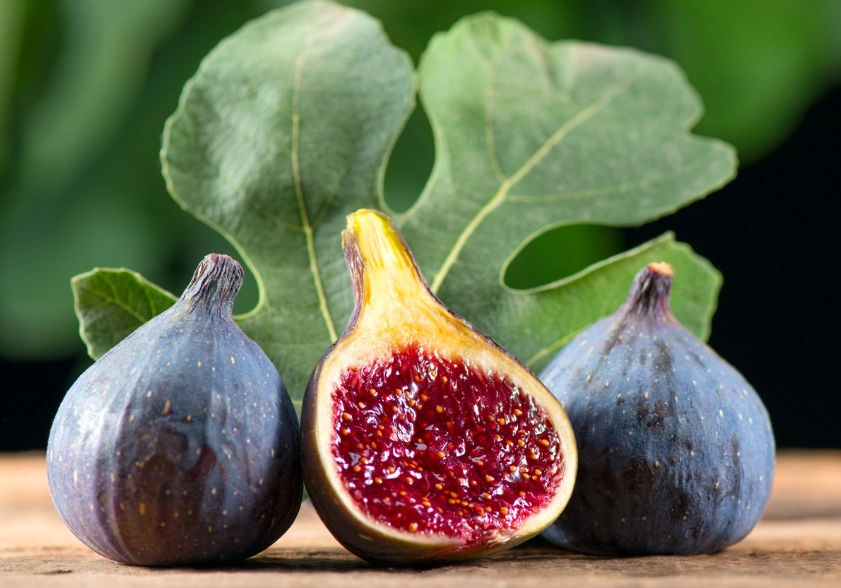
Storing Your September Bounty for Maximum Freshness
You've picked great fruit—now don't ruin it. Storage mistakes are common. I used to toss everything in the fridge, but that's not always best.
Apples: Store in the fridge crisper drawer. They can last weeks. But keep them away from other produce; apples emit ethylene gas that speeds ripening. I learned this when my carrots went limp next to apples.
Pears: Ripen at room temperature, then refrigerate. Don't pile them up; they bruise easily. A single layer in a paper bag works wonders.
Grapes: Leave them unwashed in a perforated bag in the fridge. Wash just before eating to prevent mold.
Figs: Eat within a day or two. If you must store, place them in a single layer in the fridge, but they lose flavor fast. I freeze them for smoothies—just wash and dry first.
Plums: Store at room temperature until ripe, then refrigerate. They're sensitive to moisture, so keep them dry.
A personal hack: for apples and pears, I wrap them individually in paper towels to absorb excess moisture. It extends their life by days.
Delicious September Fruit Recipes to Try
Now for the fun part. September fruits don't need fancy recipes—they shine on their own. But here are a few simple ideas I rely on.
Apple and Walnut Salad: Thinly slice an apple (Honeycrisp works great), toss with mixed greens, toasted walnuts, and a quick vinaigrette of olive oil, lemon juice, and a touch of honey. It's a lunch staple for me in September.
Roasted Pears with Cinnamon: Halve pears, scoop out the core, drizzle with honey, sprinkle cinnamon, and bake at 375°F for 20 minutes. Serve with yogurt. I made this for friends last fall, and they couldn't believe how easy it was.
Grape Sorbet: Freeze grapes on a tray, then blend until smooth. No sugar needed. It's a refreshing dessert that kids love. My niece calls it "magic ice cream."
Fig and Goat Cheese Crostini: Slice figs, place on toasted baguette with goat cheese, and drizzle with balsamic glaze. Perfect for appetizers. I've brought this to parties, and it always disappears first.
Plum Compote: Simmer chopped plums with a bit of water and sugar until soft. Use it on pancakes or oatmeal. It's way better than store-bought jam.
Don't overthink it. September fruits are versatile. I often just chop them into yogurt or eat them raw. The key is to use them while they're fresh.
Frequently Asked Questions About September Fruits
Wrapping up, September is a golden month for fruit lovers. By focusing on what's fresh, you'll enjoy better taste, nutrition, and even save money. Last year, I started buying directly from local farms, and the difference was night and day. Give it a try—visit a farmers' market or orchard, and taste the season for yourself.
Reader Comments