Quick Guide to the Article
Let's be honest. We've all been there. You're trying to make a "healthy" choice, so you order a Caesar salad. It's green, it's got protein, it feels virtuous. Then that creamy, garlicky, cheesy dressing arrives on the side (or worse, already tossed in), and a little voice in your head goes, "Wait, how bad is this, really?" Suddenly, your healthy lunch feels like a potential calorie bomb. The question of calories in Caesar salad dressing isn't just a niche diet query—it's a genuine moment of confusion for anyone keeping an eye on their intake.
And you know what? That confusion is totally justified. The numbers you find online can be all over the place. One site says two tablespoons is 160 calories, another says 180, and the bottle in your fridge might claim something completely different. It's enough to make you want to just eat the dry lettuce and call it a day.
Don't do that. A good salad deserves a good dressing. The key is knowing what you're dealing with. This isn't about fear-mongering or telling you to never eat Caesar again. Far from it. It's about pulling back the curtain on what's in that bottle or what goes into the restaurant version, so you can make informed choices that fit your goals, whether you're counting calories, watching fats, or just trying to eat a bit cleaner.
The Straight Facts: A Calorie Breakdown by Brand and Type
Okay, let's get down to brass tacks. What are we really looking at, numbers-wise? The classic, traditional Caesar dressing is a rich emulsion of oil, egg yolk (or whole egg), Parmesan cheese, lemon juice, Worcestershire sauce, anchovies, and garlic. That combination is delicious for a reason—fat carries flavor. But fat is also calorie-dense.
For a homemade, traditional recipe, you're typically looking at a range. Per two-tablespoon serving (which is a standard serving size, though often much less than what gets poured on at a restaurant), a full-fat, oil-based version can land anywhere between 150 to 190 calories. The bulk of those calories come from the oil and the cheese.
But most of us aren't whipping up dressing from scratch every day. We're grabbing a bottle off the shelf. And here, the variation is huge. It completely depends on the brand, the recipe, and whether it's "regular," "light," or "creamy" versus "vinaigrette-style."
The Serving Size Trap: Always, always check the serving size on the nutrition label first. Some brands slyly list a one-tablespoon serving to make their calorie count look lower. Most people easily use two or three tablespoons on a decent-sized salad. That math adds up fast when you're tracking the calories in Caesar salad dressing.
To make sense of the supermarket maze, I've put together a comparison. This table looks at the calories per two-tablespoon serving for some widely available brands and types. The data is sourced from the USDA FoodData Central database and official brand nutrition labels, which are about as authoritative as you can get for this kind of info.
| Brand / Type | Calories (per 2 tbsp) | Total Fat (g) | Key Notes |
|---|---|---|---|
| Traditional Restaurant-Style (Full Fat) | 160 - 190 | 17 - 20 | The classic. High in fat, but that's where the flavor is. Often made with canola or olive oil base. |
| Cardini's Original Caesar | 170 | 18 | A popular brand claiming to be the original. Calories are on the higher end for bottled dressings. |
| Kraft Classic Caesar | 150 | 16 | A common grocery store option. Slightly lower calorie count than some premium brands. |
| Newman's Own Creamy Caesar | 140 | 14 | Often praised for taste. A good example of a full-flavor option with a moderately high calorie count. |
| Bolthouse Farms Classic Caesar (Yogurt-Based) | 45 | 2.5 | This is a game-changer. Uses yogurt as a base, drastically cutting fat and calories in Caesar salad dressing. |
| Kraft Light Caesar | 60 | 5 | A "light" version that uses water, modified starch, and less oil to reduce calories. |
| Girard's Light Caesar | 50 | 4 | Another light option, often found in the refrigerated section. |
| Homemade with Greek Yogurt Base | 50 - 70 | 2 - 4 | The ultimate control. You keep the garlic, lemon, cheese flavor but swap oil for protein-rich yogurt. |
See the range? From 45 to 190 calories for the same-sized serving. That's a difference of 145 calories, which, over time, is not trivial. If you have a Caesar salad three times a week, choosing the yogurt-based over the full-fat restaurant-style could save you over 22,000 calories a year. That's just from the dressing.
It puts the question of calories in Caesar salad dressing into sharp perspective. The type you choose is the single biggest factor.
What's Driving Those Calories? The Ingredient Deep Dive
Calories don't just magically appear. They come from the macronutrients: fat, carbohydrates, and protein. In a classic Caesar dressing, the breakdown is heavily skewed.
The Big Player: Fats (Oil, Egg Yolk, Cheese)
This is the main event. Oils—whether it's olive, canola, or soybean—are pure fat, packing about 120 calories per tablespoon. A traditional recipe might use a quarter to a half cup of oil for a batch. The egg yolk adds emulsifiers (to blend the oil and water) and more fat. Parmesan cheese contributes fat, along with its signature salty, umami punch. Together, these ingredients create that luxurious, coating texture we love. But they're also why the calories in Caesar salad dressing are so high. There's no way around the chemistry: fat is energy-dense.
The Supporting Cast: Carbohydrates and Proteins
Carbs and protein play minor roles in a traditional recipe. There might be a gram or two of carbs from the lemon juice or a tiny bit of sugar. Protein comes from the egg and cheese, but the amount per serving is small (usually 1-2 grams). In low-calorie or "light" versions, this changes. Thickeners like modified food starch, xanthan gum, or corn starch are often added to replace the body lost when fat is reduced. These add carbohydrates. Yogurt-based versions, however, add a significant amount of protein, which is a fantastic nutritional trade-off.
Watch Out for the "Health Halo": Just because a dressing is lower in calories doesn't automatically make it a "health food." Some light dressings compensate for flavor with added sugar or sodium. Always scan the ingredients list. If the first ingredient is water and it's followed by a bunch of stabilizers and sweeteners, you're trading fat for a more processed product. Sometimes, a smaller portion of the real thing is the better choice.
How to Enjoy Caesar Dressing Without Derailing Your Day
Now for the practical part. You love Caesar salad. I get it. I do too. The goal isn't elimination; it's smarter enjoyment. Here’s how you can manage the calories in Caesar salad dressing without feeling deprived.
Strategy 1: Portion Control is Your Best Friend
This is the simplest, most effective trick. Instead of pouring dressing straight from the bottle onto your salad, measure it. Use a tablespoon. You might be shocked at how little two tablespoons actually looks like in a measuring spoon versus glugged from the container.
Try this:
Put your dressing in a small cup or ramekin on the side. Dip your fork into the dressing before spearing a bite of salad. You'll get the flavor in every mouthful but use a fraction of the amount you normally would. It feels fancy, too.
Strategy 2: The "Stretch" Method
Thin out your regular, full-fat dressing. A little squeeze of fresh lemon juice or a splash of water can double the volume without adding any meaningful calories. You'll have more dressing to coat your greens, making the salad feel more dressed, while effectively halving the calories in Caesar salad dressing per bite.
Strategy 3: Go Homemade and Light
This gives you complete control and, honestly, can taste better than most bottled light versions. The base swap is key.
My go-to "light" Caesar recipe is embarrassingly easy: 1/2 cup non-fat plain Greek yogurt, 2 tablespoons grated Parmesan, 1 small minced garlic clove (or more, I love garlic), 1 tablespoon lemon juice, 1 teaspoon Dijon mustard, 1 teaspoon Worcestershire sauce (check for anchovies if you want the real deal, or use a tiny bit of mashed anchovy paste), salt, and pepper. Whisk it together. It's tangy, creamy, packed with protein, and comes in at about 30 calories per two-tablespoon serving. The flavor is seriously robust. I sometimes add a tiny drizzle (like half a teaspoon) of olive oil for a more rounded flavor, which only adds about 20 calories to the whole batch.
Other great bases to experiment with include blended low-fat cottage cheese or even ripe avocado. Avocado adds healthy fats, so the calories will be higher than the yogurt version, but they're nutrient-dense fats.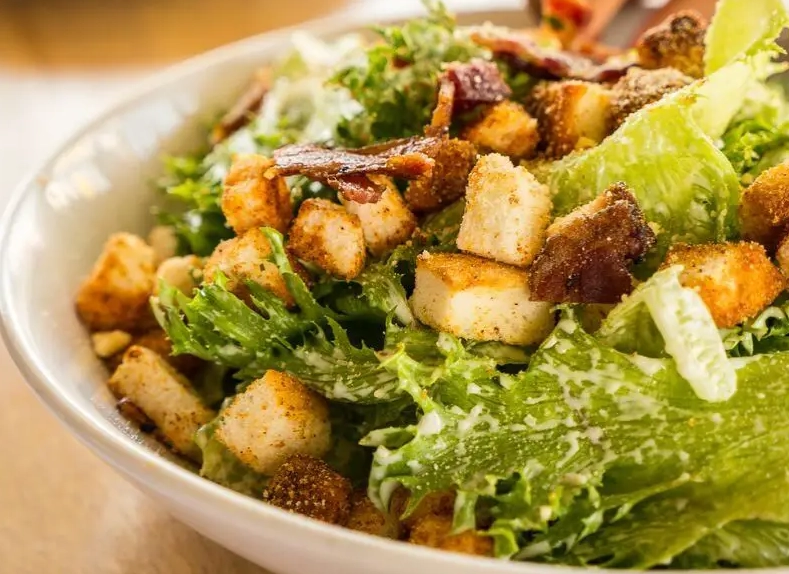
Strategy 4: Be a Savvy Store Shopper
When buying pre-made, let the nutrition label and ingredients list guide you, not just the "light" or "low-fat" banner on the front.
And remember the table above. Brands like Bolthouse Farms (found in the refrigerated produce section) are consistently low-calorie because of their yogurt base. They're a fantastic convenience option.
Restaurant Caesar Salads: Navigating the Calorie Minefield
This is the trickiest arena. Restaurant portions for dressing are notoriously generous. It's not uncommon for a full-sized Caesar salad at a casual dining chain to have 300+ calories from the dressing alone, before you even consider croutons, cheese, and maybe that grilled chicken.
What can you do?
Always, always ask for the dressing on the side.
This is non-negotiable. When it arrives, use the fork-dip method I mentioned earlier. You'll likely use only a third of what they provide.
Don't be shy about asking questions. You can ask if they have a lighter vinaigrette-style Caesar or if the dressing is made in-house (sometimes house-made means heavier, but sometimes it means you can request modifications).
Consider the salad as a whole. If you're getting a creamy, full-fat dressing, maybe skip the extra shredded Parmesan on top or ask for the croutons on the side so you can control how many you eat. Every little bit helps balance the calories in Caesar salad dressing.
Your Questions, Answered
I've gotten a lot of questions about this topic over time. Here are some of the most common ones, the ones that pop up after someone digs into the initial calorie count.
The Final Toss
Figuring out the calories in Caesar salad dressing doesn't have to be a source of stress or a reason to give up on a classic. It's about empowerment. Knowing that the range is vast—from 45 to 190 per serving—puts you in the driver's seat.
You can choose the indulgent, full-fat version occasionally, savoring it mindfully with proper portion control. You can seek out smarter store-bought options that use yogurt. Or, you can spend five minutes making your own fantastic, protein-packed version at home.
The salad should work for you, not against you. With a little knowledge and a few simple tricks, you can absolutely have your Caesar and eat it too, without any of the guesswork or guilt. Now, pass the (responsibly portioned) dressing.
Reader Comments