Quick Guide
Let's be honest. You order a Caesar salad thinking you're making the "healthy" choice. It's a salad, right? How bad can it be? Then you find out later that the one you just ate might have had more calories than a burger. It's a classic trap. I've fallen for it myself, sitting in a restaurant feeling virtuous, only to later discover the shocking truth about Caesar salad calories.
The problem is, "Caesar salad" isn't one single thing. It's a concept. And that concept can range from a relatively light, tangy side dish to a calorie-dense meal that could derail your daily goals. The difference lies entirely in the details—the dressing, the cheese, the croutons, and the portion size. Asking "how many calories in a Caesar salad?" is like asking how long a piece of string is.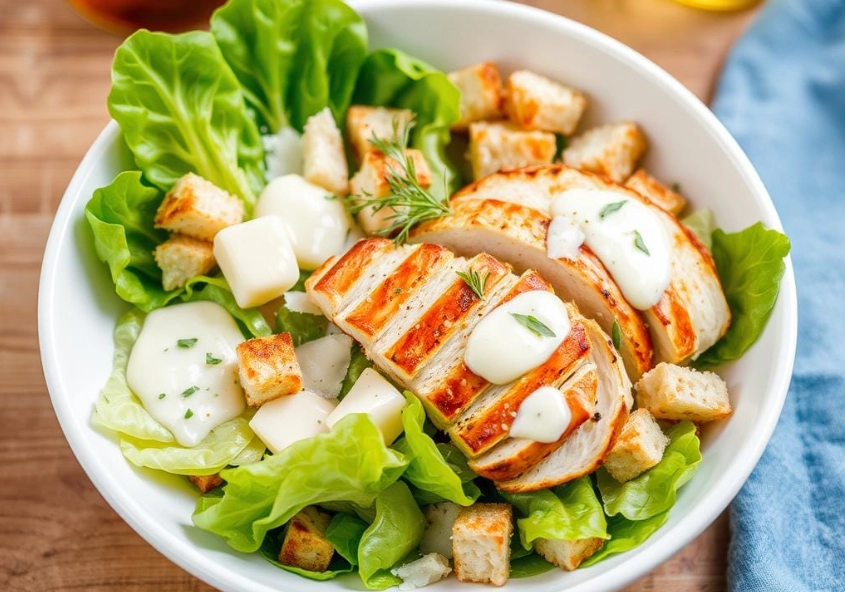
The Core Issue: The traditional Caesar salad is built on a foundation of high-calorie ingredients. The classic dressing is an emulsion of oil, egg yolk, Parmesan, and anchovies. Croutons are fried or baked bread cubes. And a generous snowfall of Parmesan cheese adds more. It's delicious by design, but not necessarily light.
So, let's stop guessing and start breaking it down. If you're watching your intake, understanding the caesar salad calories from every angle is the only way to make an informed choice, whether you're at a restaurant or in your own kitchen.
Deconstructing the Calories: Ingredient by Ingredient
To really grasp Caesar salad calories, you need to take it apart. A standard homemade version (and we'll get to restaurants later, which are a whole other story) usually consists of four main components: romaine lettuce, Caesar dressing, croutons, and Parmesan cheese. The lettuce is basically a free pass—it's the vehicle. The calories come from everything else.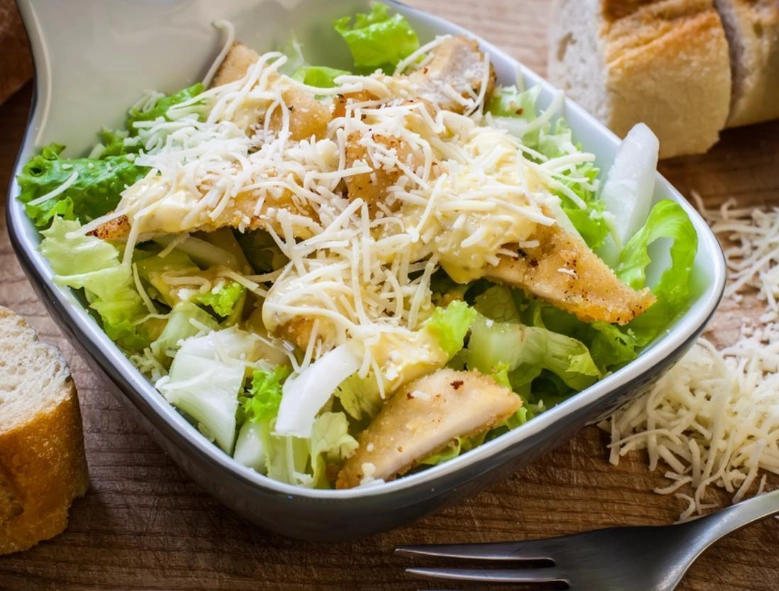
The Dressing: Where Most of the Calories Hide
This is the big one. The heart and soul (and the calorie bomb) of the salad. A traditional Caesar dressing recipe includes:
- Oil (usually olive oil): This is the main culprit. Just one tablespoon of olive oil has about 120 calories. A typical dressing recipe for a salad serving two might use a quarter to a half cup of oil. You do the math.
- Egg Yolk: Adds creaminess and acts as an emulsifier. One yolk adds about 55 calories.
- Parmesan Cheese (grated into the dressing): More calories and flavor.
- Anchovies or Anchovy Paste: For that umami punch. Minimal calories here.
- Garlic, Lemon Juice, Worcestershire Sauce: Flavor agents with negligible calories.
A single 2-tablespoon serving of a homemade, full-fat Caesar dressing can easily contain 150 to 180 calories. And let's be real—who uses just two tablespoons? A generous pour can double that count before you even touch the croutons.
Store-bought dressings can be even more unpredictable. Some use heavier oils, add sugar, or thicken with starches. Always, always check the nutrition label on the bottle. You might see numbers ranging from 130 to 200 calories per 2-tablespoon serving. That little serving size is key—it's much smaller than most people pour.
The Croutons: The Crunchy Calorie Boosters
They seem innocent, just little bits of toasted bread. But croutons are often toasted in oil or butter to get them golden and crispy. A half-cup of standard croutons (a modest handful) can add another 100 to 150 calories. Flavored or cheese-coated croutons creep even higher.
The Parmesan Cheese (on top): The Finishing Blow
A tablespoon of freshly grated Parmesan cheese adds about 20-30 calories. But again, we're often not measuring. A restaurant-style heavy sprinkle could be two or three tablespoons, adding 50+ calories.
The Romaine Lettuce: The Calorie Savior
Two cups of chopped romaine? About 15 calories. It's essentially water and fiber. This is why the base of the salad feels like a trick. The greens make it look and feel healthy, masking the energy density of what's on them.
So, let's put a standard, reasonably assembled homemade Caesar salad on the scale.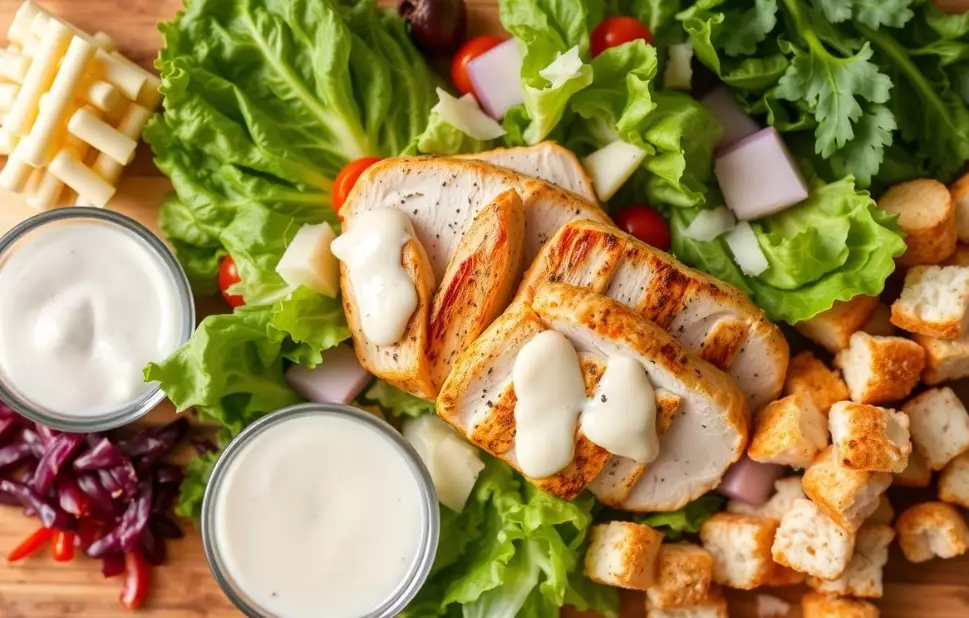
| Ingredient | Typical Amount | Estimated Calories |
|---|---|---|
| Romaine Lettuce | 2 cups (chopped) | 15 |
| Caesar Dressing (full-fat) | 3 tbsp (a realistic pour) | 270 |
| Croutons | 1/2 cup | 120 |
| Parmesan Cheese (grated on top) | 2 tbsp | 50 |
| TOTAL | - | ~455 Calories |
There it is. A seemingly simple bowl of greens pushing 500 calories. And that's a conservative, homemade estimate. This is the core answer to the question of caesar salad calories. It's not the lettuce; it's the toppings.
The Restaurant Calorie Lottery
If homemade Caesar salad calories can be high, restaurant versions are where things go off the rails. Portion sizes are huge, dressing is often pre-tossed (and heavy-handed), and croutons are abundant. Many chains list their Caesar salads as entrees with calorie counts that rival pasta dishes.
I remember looking up the nutrition for a popular casual dining chain's Caesar salad side. It was listed as an appetizer or side, so I assumed it was light. It was over 400 calories. The entrée version? Closer to 800. That was a wake-up call.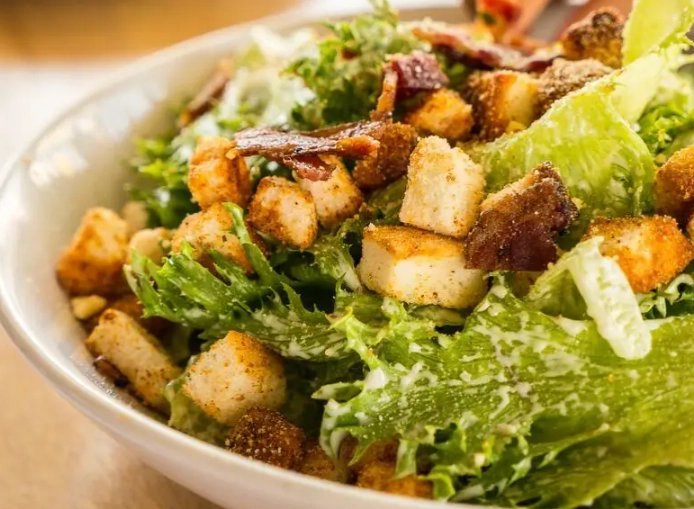
Here’s a look at some real-world examples from popular establishments (data sourced from official nutrition guides, which are great resources for this kind of research):
| Restaurant / Item Name | Type | Reported Calories | Key Notes |
|---|---|---|---|
| Classic Chain - Caesar Side Salad | Side Salad | 360 - 410 | Dressing included, portion is modest. |
| Fast Casual Chain - Caesar Salad (full) | Entrée Salad | 540 - 700 | Often includes chicken. Dressing on side can save 200+ calories. |
| Upscale Casual - Classic Caesar | Entrée Salad | 780 - 950+ | Tableside preparation, heavy on oil and cheese. Can be the highest. |
| Grocery Store Pre-Made Kit (for 2) | Kit | 300-400 per serving | Includes all components. Dressing packet is usually the majority. |
Why such wild variations? It comes down to philosophy. Some places use a more mayonnaise-based dressing (which can be heavier). Others are purists with the oil-and-egg emulsion. The amount of dressing they consider "standard" varies wildly. The crouton-to-lettuce ratio is another big factor. A salad drowning in giant, oily croutons is a different beast than one with a light scattering.
This inconsistency is exactly why you can't have a single number for Caesar salad calories. You need to understand the range and the factors that push it up or down.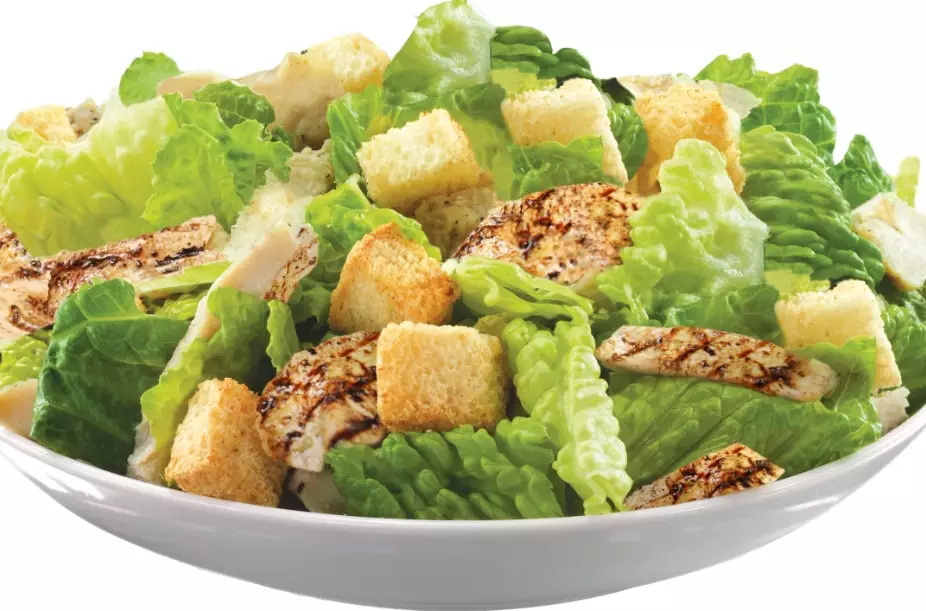
How to Build a Lighter, Lower-Calorie Caesar Salad
Okay, so the classic version is heavy. Does that mean you have to give it up if you're counting calories? Absolutely not. You just have to get clever. The goal is to keep the iconic flavors—garlicky, tangy, cheesy, salty, crunchy—while swapping out or modifying the most calorie-dense parts.
Here’s my practical guide, born from trial and error in my own kitchen when I wanted the taste without the guilt.
1. Rethink the Dressing (The Most Important Step)
This is your biggest lever. You have options:
- The Yogurt or Buttermilk Base: Swap most of the oil for plain Greek yogurt or buttermilk. You get creaminess and tang for a fraction of the calories. Mash an anchovy fillet and some garlic into a paste, mix with 3/4 cup Greek yogurt, a tablespoon of olive oil (for authenticity), lemon juice, a dash of Worcestershire, and grated Parmesan. It's shockingly good and cuts dressing calories by 60-70%.
- The Lighter Emulsion: If you must have the traditional style, just use less oil. Try a 2:1 ratio of a lighter-tasting oil to water or lemon juice, vigorously whisked with the yolk. It will be less unctuous but still flavorful.
- The Simple Hack: Use a high-quality, strong Parmesan cheese. When the cheese flavor is potent, you can use less of it, and it carries the dressing further. A little goes a long way.
Pro Tip: Always, always dress the salad yourself and do it lightly. Toss the greens with just enough dressing to coat them lightly, not drown them. Put the bottle or jar away before you think it's enough. You can always add a tiny bit more.
2. Upgrade or Replace the Croutons
Croutons add texture, which is crucial. But you can get that crunch elsewhere.
- Make Your Own “Clean” Croutons: Cube whole-grain bread, spray lightly with olive oil spray (not pour!), season with garlic powder and a pinch of salt, and bake until crisp. You control the oil.
- Alternative Crunchers: Try toasted chickpeas (spiced with paprika), a small handful of nuts like sliced almonds or walnuts, or even seeds like pumpkin or sunflower seeds. They add healthy fats, protein, and fiber along with the crunch, making the salad more satisfying per calorie.
- Just Use Less: Sometimes, the simplest answer is best. Cut your usual crouton amount in half. You'll still get crunch in most bites.
3. Be Smart with Protein Additions
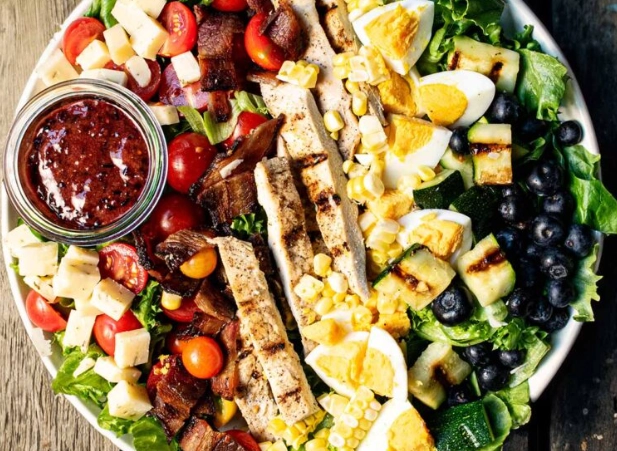
Adding grilled chicken, shrimp, or salmon turns a side salad into a meal. This is good! Protein increases satiety. But be mindful of preparation.
- Choose grilled, baked, or poached protein, not breaded or fried (like crispy chicken tenders sliced on top, which is common).
- Season it well with herbs and spices instead of relying on oily marinades.
- Aim for a palm-sized portion (3-4 oz).
Following these steps, you can easily create a satisfying Caesar salad with 250-350 calories for a large, meal-sized portion. That's a massive saving compared to the restaurant versions, and it will keep you full longer thanks to the protein and smart fats.
Answering Your Caesar Salad Calorie Questions
Is a Caesar salad actually healthy?
It's a complicated question. The traditional version is high in calories and fat (though often from olive oil, which is a healthy monounsaturated fat). It's low in carbohydrates and can be a good source of vitamins A and K from the romaine. However, it's often low in protein and fiber unless you add them. So, is it healthy? Not in its classic, heavy form as a regular habit. But as a framework, it can be made very healthy with the modifications above—packed with protein, fiber, healthy fats, and vitamins.
How many calories are in JUST the Caesar dressing?
As we covered, it varies wildly. Per 2-tablespoon serving: Homemade traditional: 150-180. Store-bought full-fat: 130-200. Light or reduced-fat store-bought: 45-100. Creamy, mayo-based versions can be on the higher end. The key is that serving size is tiny. Most people use 4-6 tablespoons, at least.
What has more calories: Ranch or Caesar dressing?
It's a tight race, but they're usually in the same ballpark. A standard full-fat ranch also hovers around 140-160 calories per 2-tablespoon serving. The difference is in the fat profile and ingredients. Ranch often has more saturated fat (from buttermilk/mayo), while Caesar gets more from olive oil. But honestly, from a pure caesar salad calories perspective, switching to ranch won't save you. Opting for a yogurt-based version of either will.
Can I eat Caesar salad while trying to lose weight?
Yes, but you must be strategic. Order it with dressing on the side, use a fraction of what they give you, and ask for light cheese and croutons (or skip them). Better yet, make it at home where you control every component. A homemade, lightened-up Caesar salad can be an excellent, flavorful, and satisfying part of a weight management plan. It's all about version control.
The Final Tally: Knowledge is Power
So, what's the final answer to “how many calories in a Caesar salad?”
It's a spectrum. On the low end, a carefully crafted homemade version with a yogurt dressing, lean protein, and sensible toppings can be a 300-400 calorie nutritional powerhouse. On the high end, a restaurant entrée Caesar, drenched in rich dressing and loaded with croutons and cheese, can be an 800-1000 calorie indulgence that leaves you sluggish.
The caesar salad calories aren't a mystery once you know where to look. They're in the pool of dressing at the bottom of the bowl. They're in the mountain of croutons hiding the lettuce. They're in the invisible oil that makes everything glisten.
The power is now in your hands. You can deconstruct any Caesar salad you're faced with. Ask for dressing on the side. Consider skipping half the croutons. Choose a grilled protein. Or, best of all, experiment at home and create a version that fits your goals without sacrificing the bold, savory flavor you crave. Don't let the salad's green color fool you—but don't let fear of calories rob you of enjoying it either. With a little insight, you can have your salad and eat it too.
For the most accurate and scientific data on the calorie content of individual ingredients like olive oil, Parmesan cheese, and romaine lettuce, I always cross-reference with a trusted database like the USDA's FoodData Central. It's an invaluable resource for anyone wanting to get the facts straight on what they're eating.
Reader Comments