Quick Navigation
Let's talk about something that seems obvious but most of us get wrong most of the time. Fruit. We see strawberries in December and grapes year-round, so we buy them. But have you ever bitten into a winter strawberry and felt… nothing? A vague, watery sadness? That's the taste of fruit that's traveled farther than you have on your last vacation, picked before its time. Eating in season fruit is the opposite of that experience. It's the juicy, flavor-explosion, "oh wow" moment that reminds you what real food tastes like.
I used to just grab whatever looked red and shiny. Then I joined a local CSA box on a whim. The first week, I got peaches. Not the rock-hard ones from the supermarket, but peaches that smelled like sunshine and were so tender they bruised in my gentle hands. The difference was shocking. It wasn't just better. It was a different food entirely. That's when my obsession with seasonal fruits began.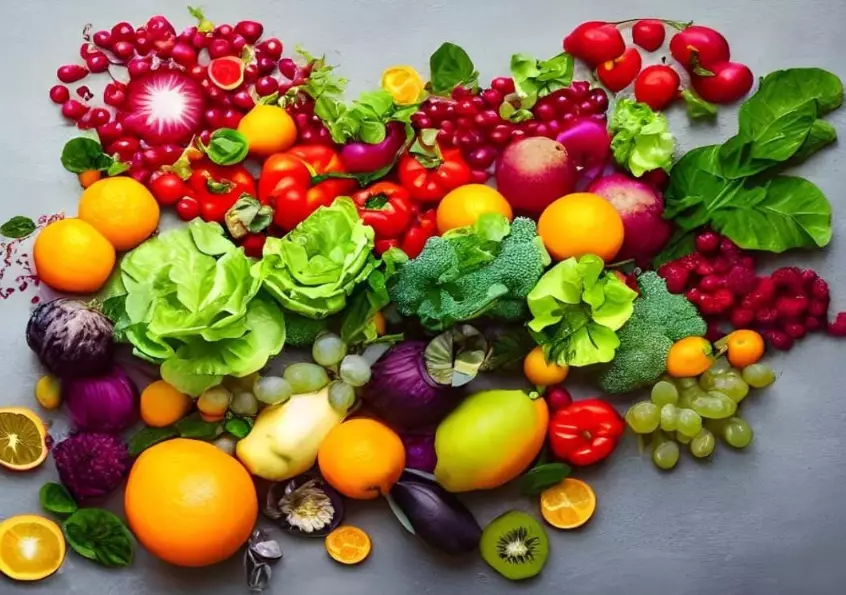
The core idea is simple: In season fruit is produce that is harvested at the peak of its natural growing cycle in your local region (or a similar climate). It hasn't been forced in a hothouse, stored for months in controlled atmospheres, or shipped from another hemisphere. It's just… ready.
This isn't just about being a food snob. It connects to your health, your wallet, and even the environment. And the best part? It's incredibly easy once you know what to look for. This guide is everything I wish I knew when I started. We'll break down exactly what's in season and when, why it matters more than you think, and how to make the switch without stress.
Why Bother? The Real Benefits of Choosing Seasonal Produce
Everyone says "eat seasonal," but let's get concrete. What's actually in it for you?
Flavor That Actually Has a Point
This is the most immediate payoff. Fruits develop their full spectrum of sugars, acids, and aromatic compounds only when allowed to ripen naturally on the plant, under the right sun and soil conditions. A peach picked green and gassed to turn red will never develop the complex flavor of one that tree-ripened. Period. When you choose in season fruit, you're voting for taste. It's the difference between a bland, mealy tomato and one that bursts in your mouth.
Your Wallet Will Thank You
Economics 101: supply and demand. When a fruit is in peak harvest locally, there's a lot of it. That abundance drives prices down. Think about the cost of blueberries in July versus January. It's not even close. By aligning your shopping list with the seasonal calendar, you can eat more high-quality, organic, or specialty varieties for the same budget. It's the smartest way to eat well for less.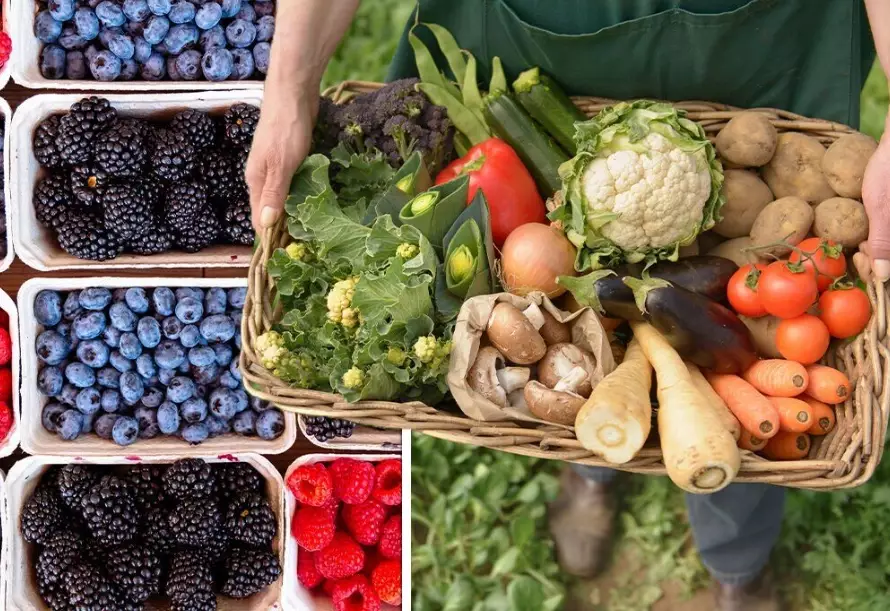
A Nutritional Powerhouse
Here's a fact that often gets overlooked: nutrient density peaks at harvest. Vitamins like C and folate are sensitive to light, heat, and time. The longer a fruit sits in storage or transit, the more these compounds degrade. Research from institutions like the Mayo Clinic emphasizes the health benefits of fresh produce, and freshness is key. A study published in the International Journal of Food Sciences and Nutrition found significant variations in nutrient content based on harvest time. So that summer berry you eat in season isn't just tastier—it's literally more packed with the good stuff your body needs.
It's a Greener Choice (Usually)
Local, seasonal produce typically has a lower carbon footprint. It doesn't require long-distance air freight or excessive energy for heated greenhouse production. Supporting local farms also helps maintain agricultural land and biodiversity in your area. The U.S. Department of Agriculture (USDA) has resources on local food systems that highlight these community benefits. That said, "local" isn't always perfect—a local tomato grown in an energy-intensive winter greenhouse might have a bigger footprint than one shipped from a sunny climate. But as a general rule, seasonal and local go hand-in-hand for sustainability.
So it's a win for your taste buds, your bank account, your body, and the planet. Not a bad deal.
Your Month-by-Month Guide to In Season Fruit
This is the practical part. Seasons vary by region (a Florida winter is different from a Minnesota winter), but this list is a great general guide for temperate climates like most of the US and Europe. I've focused on common fruits. For hyper-local accuracy, check with your state's agricultural extension website—they're an amazing, underused resource.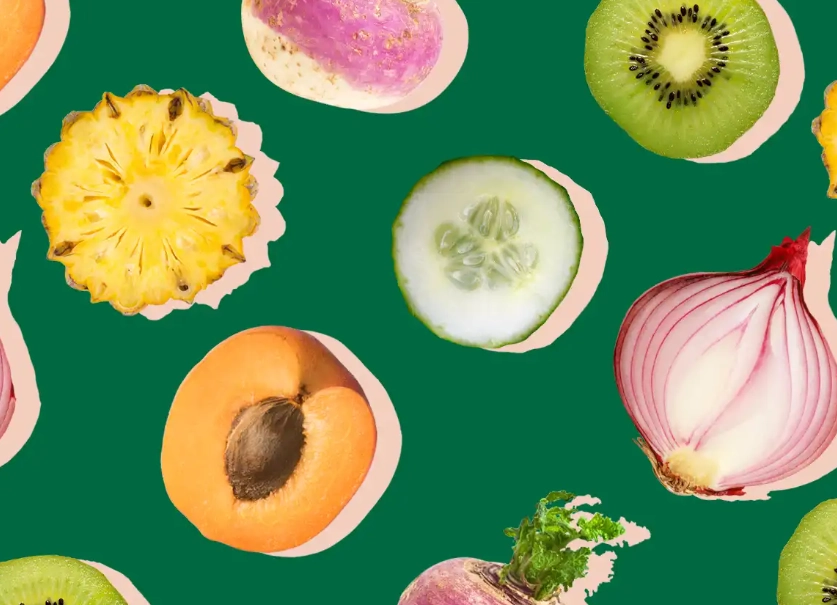
Spring (March - May)
Nature's gentle restart. After the hearty storage fruits of winter, spring brings tender, often tart, options.
- Rhubarb (technically a vegetable, but we treat it like a fruit): The first sign. Tart and perfect for pies and compotes.
- Strawberries: Late spring is their true glory. Forget the giant, white-cored ones. Look for small, deeply red, fragrant berries.
- Cherries: Late spring into summer. Sweet cherries for eating, tart for baking.
- Apricots: A short, delicate season. Handle with care and eat quickly.
- Pineapple: While tropical, its peak sweetness runs from March to July.
Spring fruit is often about anticipation. The strawberries are incredible, but the season is brief. Savor it.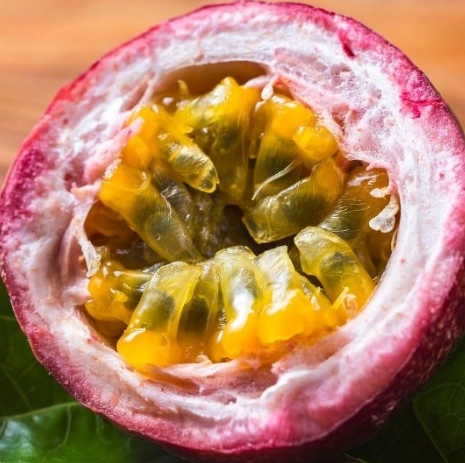
Summer (June - August)
The abundance! This is when farmers' markets explode with color and the concept of in season fruit becomes undeniable.
- Berries Galore: Blueberries, raspberries, blackberries. They are at their peak, cheap, and perfect for freezing.
- Stone Fruits: Peaches, nectarines, plums, pluots, apricots. This is their kingdom. The fragrance alone is worth the trip.
- Melons: Watermelon, cantaloupe, honeydew. Nothing beats a chilled, sun-ripened melon on a hot day.
- Figs: A luxurious, two-part season (early summer, early fall). Eat fresh with cheese or prosciutto.
- Grapes: Start appearing in late summer.
- Mangoes: Peak summer is prime time for many varieties.
Pro-Tip: Summer is the time to buy in bulk and preserve. Freeze berries on a tray before bagging. Make peach jam or plum compote. You'll thank yourself in January.
Fall (September - November)
The flavors deepen. Fruits become richer, often better for baking and storing.
- Apples: Hundreds of varieties beyond Red Delicious! Honeycrisp, Fuji, Granny Smith, Pink Lady—each with its own use.
- Pears: Bartlett, Anjou, Bosc. They often need to ripen off the tree, so plan ahead.
- Grapes: At their sweetest now.
- Cranberries: A fall hallmark, harvested in October.
- Figs: Their second, often better, crop.
- Persimmons: Fuyu (eat firm like an apple) and Hachiya (must be jelly-soft).
- Pomegranates: A jewel-like fruit that signals the holiday season is coming.
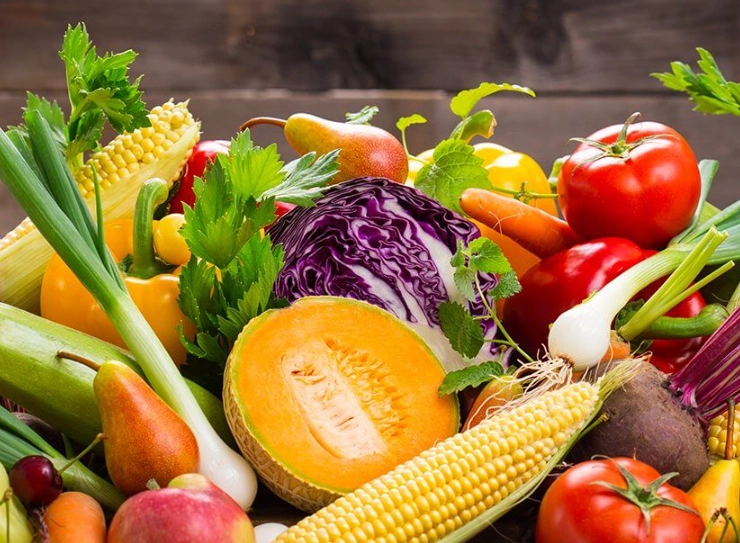
Winter (December - February)
Don't believe the barren hype. Winter offers some of the most vibrant and vitamin-C-rich options.
- Citrus Fruits: The stars of the show. Oranges (navels, mandarins, blood oranges), grapefruits, lemons, limes, pomelos. Their bright flavor is a direct counter to gray skies.
- Kiwifruit: Surprisingly, a winter fruit.
- Pears & Apples: Stored properly, late-harvest varieties from fall are still excellent.
- Dates: Fresh dates are a sticky, caramel-like treat.
See? There's always something. The trick is shifting your mindset from "I want strawberries" to "What's amazing right now?"
It's a delicious game of discovery.
How to Pick the Best In Season Fruit: A Handy Cheat Sheet
Knowing what's in season is half the battle. The other half is picking the good ones from the bin. Forget complicated rules. Use your senses.
| Fruit | Look For | Feel For | Smell For | Avoid |
|---|---|---|---|---|
| Stone Fruits (Peaches, Nectarines, Plums) | Rich, vibrant color (not green). A creamy or yellow background hue. | Gentle give when pressed near the stem. Not rock hard, not mushy. | A sweet, fragrant aroma at the stem end. No smell = no flavor. | Wrinkled skin, green ground color, bruises, or cracks. |
| Berries | Uniform, deep color. Bright green caps on strawberries. | Plump and firm. Check the bottom of the container for stains or mold. | A gentle, sweet berry scent. | Dull color, moisture in container, mold (one bad berry spoils the lot). |
| Melons | Dull, not shiny, skin. Webbing on cantaloupe should be raised and thick. Yellow ground spot on watermelon. | Heavy for its size. Slight give at the blossom end (opposite stem). | A strong, sweet, melon smell at the stem end (especially cantaloupe). | Shiny skin, soft spots, stem still attached (means picked too early). |
| Citrus | Bright, firm skin. Heavier fruits are juicier. | Firm, not puffy. Thin-skinned varieties often have better flavor. | A bright, zesty scent through the skin. | Dull, dry, or overly thick/puffy skin. Soft spots. |
| Apples & Pears | Firm, taut skin with no major bruises. | Very firm (apples). Pears may yield slightly at the neck when ripe. | A fresh, clean scent (not always strong). | Wrinkled skin, punctures, or mealy feel when gently pressed. |
The most important tool is your nose. If it doesn't smell like anything, it won't taste like anything. This is the golden rule for seasonal fruits at their peak.
Storing Your Seasonal Haul to Make It Last
Nothing's worse than perfect fruit going bad too fast. Here's the simple breakdown to avoid waste.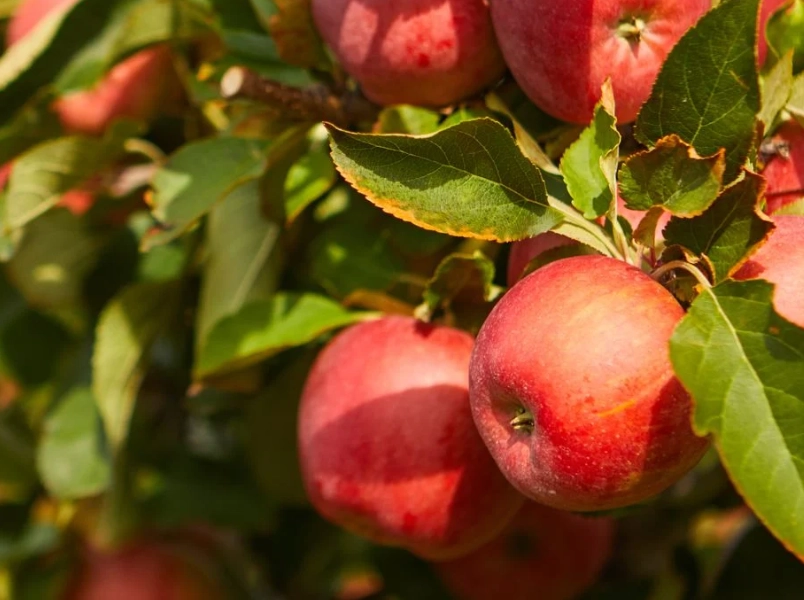
Counter (Ripening & Short-Term): Stone fruits, pears, melons (until cut), bananas, tomatoes (yes, a fruit!), citrus (for a week or so), pineapple. Keep these out of direct sun. Once ripe, move most to the fridge.
Refrigerator (Ripe & Ready-to-Eat): All berries, grapes, cut fruit, ripe stone fruits/pears/apples (if you like them cold), cherries. Store berries unwashed in a single layer on a paper towel in a vented container. It's a game-changer.
The Forbidden Zone (The Crisper Drawer): Keep fruits that produce ethylene gas (a natural ripening agent) away from ethylene-sensitive vegetables. Apples, pears, stone fruits can make your lettuce wilt and carrots bitter. Store them separately if you can.
For long-term storage, freezing is your friend. Wash, dry, and freeze berries, peach slices, or mango chunks on a parchment-lined tray before transferring to bags. They'll be perfect for smoothies and baking.
Answers to Your Real Questions About Seasonal Fruit
Let's tackle the common hiccups and curiosities.
Is frozen or canned fruit "in season"?
Great question. High-quality frozen fruit is often picked and frozen at peak ripeness, locking in nutrients and flavor. In many cases, a bag of frozen blueberries from a summer harvest is nutritionally superior to a pint of fresh, out-of-season berries that have traveled thousands of miles. Canned fruit is trickier—often packed in syrup, which adds sugar, and the canning process can degrade texture and some heat-sensitive vitamins. Look for options canned in water or 100% juice. For the purpose of eating with the seasons, frozen is a fantastic, economical way to enjoy in season fruit year-round.
What if I live somewhere with a short growing season?
We can't all live in California. First, embrace storage crops. Winter squash, apples, pears, and root vegetables from your fall harvest can last months. Second, frozen is your ally (see above). Third, your "local" season might expand when you consider your broader region or country. A Washington apple in New York in November is still a seasonal choice for the Northeast. Finally, don't stress about perfection. Doing it 80% of the time is a massive win.
Are bananas and avocados seasonal?
Yes, but their seasons are less obvious because they're imported from tropical climates year-round. However, flavor and quality can still fluctuate. You might notice bananas are better (creamier, sweeter) at certain times. Avocados have different varieties with overlapping seasons, which is why we often have them available. While not "local" for most, choosing them is still fine! The goal is awareness, not deprivation.
How do I find what's in season near me?
1. Visit a Farmers' Market: This is the best way. What's on the tables is what's in season. Talk to the farmers.
2. Use the USDA's Seasonal Produce Guide: The SNAP-Ed Seasonal Produce Guide is an excellent, state-by-state resource.
3. Check Your Grocery Store's Origin Labels: Look for country/state of origin. If your grapes are from Chile in January, they're out of season for the Northern Hemisphere.
4. Sign Up for a CSA: Community Supported Agriculture boxes deliver what's fresh from a local farm each week. It forces you to learn and experiment.
Making It Work in Real Life
This isn't about rules. It's about a better, more connected way to eat. Start small. Next time you're at the store, instead of reaching for the usual, ask yourself: "What looks and smells amazing right now?" Pick one new seasonal item. Maybe it's a basket of figs or a type of apple you've never tried.
Plan your meals loosely around what's abundant, not a rigid recipe that requires asparagus in February. Let the in season fruit guide your snacks, your desserts, your salads.
The rhythm of eating this way is surprisingly satisfying. You start to anticipate the first strawberries of spring, the peach glory of August, the citrus brightness of December. It connects you to the natural cycle in a small, daily way. And honestly, the food just tastes so much better. Once you get used to a truly ripe, in-season peach, there's no going back. It ruins you for the other stuff in the best possible way.
Give it a try. Your taste buds—and maybe even your grocery bill—will thank you.
Reader Comments