Your Quick Guide
- Getting Started: The Non-Negotiables for Asparagus
- Planting Your Asparagus Crowns: A Step-by-Step Walkthrough
- The Asparagus Growth Timeline: What to Expect Each Year
- Ongoing Care: Feeding, Watering, and Winter Prep
- The Harvest: How and When to Cut Spears
- Troubleshooting Common Asparagus Growth Problems
- Choosing the Right Variety for Your Garden
So you're thinking about growing asparagus. Good call. It's one of those garden luxuries that feels incredibly rewarding, but let's be honest, it can also feel a bit intimidating. You hear things like 'you can't harvest for three years' and suddenly it sounds like a major commitment. I felt the same way when I planted my first bed. I made a bunch of mistakes, mostly because I rushed in without understanding the rhythm of asparagus growth. But once you get it, it's surprisingly straightforward. This isn't a plant you fuss over every day; it's more about setting up the right foundation and then being patient. This guide is everything I wish I'd known back then, boiled down into practical steps.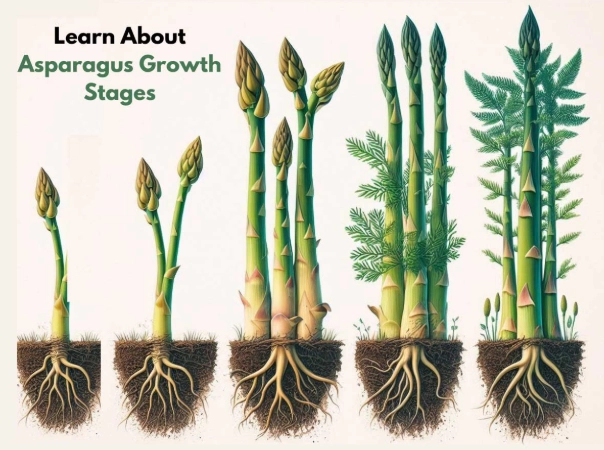
We'll walk through the whole journey, from choosing the right spot to finally cutting those first tender spears years later. I'll share what worked for me, what definitely didn't, and answer the questions that pop up when you're staring at a bare patch of dirt wondering if anything is happening down there.
Getting Started: The Non-Negotiables for Asparagus
Before you even look at a crown (that's the root system you plant), you need to get the basics right. Asparagus is a perennial, meaning it comes back year after year for 15 years or more. You're building a long-term relationship, so the first date matters. A lot.
Sun, Soil, and Space: The Holy Trinity
Sunlight: Full sun. No negotiation. At least 8 hours of direct sun a day. Less than that and your asparagus growth will be sluggish, producing thin spears and being more susceptible to disease. I tried a bed that got about 6 hours once. It was a lesson in disappointment.
Soil: This is the most critical part. Asparagus hates wet feet. Poor drainage will rot the crowns faster than anything. You need light, well-draining soil. If you have heavy clay, you must amend it. I'm talking about digging in a massive amount of compost—like, 4 inches worked into the top 12 inches of soil. Sand can help too, but organic matter is king. The ideal pH is slightly alkaline, between 6.5 and 7.5. A simple soil test from your local extension office (like the one from the USDA) is a fantastic investment.
Space: These plants get big and bushy. The standard spacing is 12-18 inches apart in rows that are 3-4 feet apart. It seems like a lot of empty space at first, but by the third summer, the ferns will fill it all in. Crowding them is a shortcut to poor air circulation and disease.
Planting Your Asparagus Crowns: A Step-by-Step Walkthrough
You can start asparagus from seed, but that adds two extra years to your wait. Most home gardeners, myself included, start with 1-year-old crowns. You plant them in early spring, as soon as the soil is workable.
Here's my method, refined after a few attempts: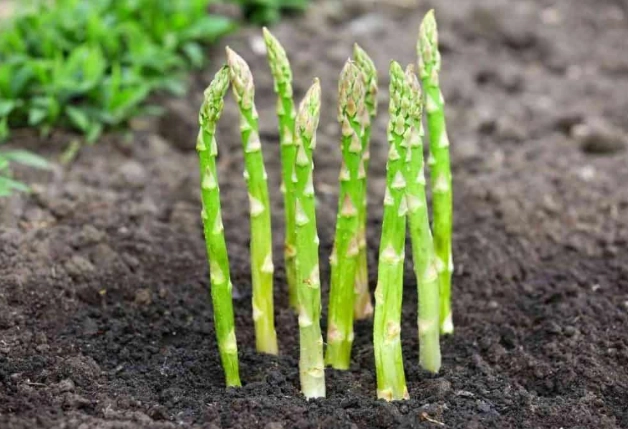
- Dig a trench. Make it about 8 inches deep and 12 inches wide.
- Create a mound. Down the center of the trench, make a little ridge of soil about 2-3 inches high.
- Place the crowns. Drape the roots over the mound like an octopus sitting on a hill. The bud (or eyes) should be pointing up. Space them along the mound.
- Cover lightly. Just cover the crowns with 2-3 inches of soil. Water well.
- The waiting game. As the spears start to grow, gradually fill in the trench with more soil over the next few weeks until it's level with the ground. This encourages longer, blanched stems initially.
It feels odd to bury them so deep, but it anchors the plants and protects the buds. Some folks swear by deeper trenches (12 inches), but I've had great results with the 8-inch method.
The Asparagus Growth Timeline: What to Expect Each Year
This is where patience is not just a virtue; it's a requirement. Understanding the timeline manages your expectations and stops you from making rash decisions.
| Year | What the Plant is Doing | What YOU Should Do | Key Focus |
|---|---|---|---|
| Year 1 | Establishing a massive root system (the crown). Sending up thin, wispy 'ferns.' | DO NOT HARVEST. Let all spears grow into ferns. Water consistently, weed meticulously, mulch heavily. | Root development. Building energy stores. |
| Year 2 | Crown is stronger, spears are thicker. Plant is still investing in root mass. | You might take a light harvest for 2-3 weeks in spring if spears are pencil-thick. Many experts, including those at University of Minnesota Extension, recommend waiting. I did, and my plants were stronger for it. | Continued strengthening. Resist temptation. |
| Year 3+ | Mature plant. Strong, thick spears emerge. Full harvest season. | Harvest for 6-8 weeks in spring, then stop and let the ferns grow to recharge the crown. | Productive harvest and annual maintenance. |
That first-year wait is tough. You see those first spears and your hand instinctively reaches for the knife. Don't. The payoff for waiting is a bed that produces abundantly for decades. A rushed harvest leads to a weak bed that never reaches its potential. It's the classic garden lesson: play the long game.
Ongoing Care: Feeding, Watering, and Winter Prep
Once established, asparagus isn't needy, but it does have preferences.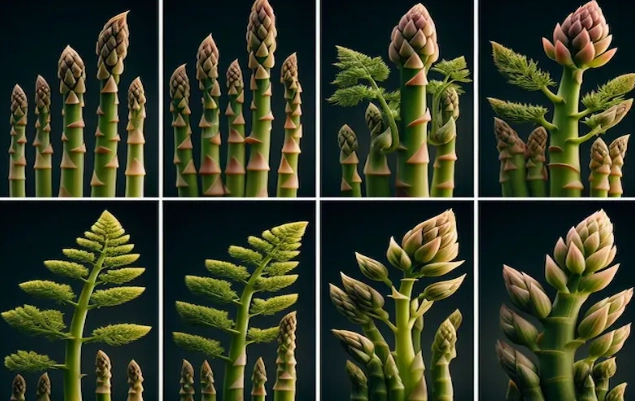
Watering: Deep and infrequent is the mantra. Soak the bed once a week if there's no rain, encouraging roots to go deep. Shallow, frequent watering leads to shallow roots. Drip irrigation or a soaker hose is ideal to keep the foliage dry and prevent disease.
Feeding: Asparagus is a heavy feeder. In early spring, as the spears are just peeking out, I side-dress the rows with a balanced organic fertilizer or a generous layer of well-rotted compost. Another feed after the harvest season ends (around mid-summer) helps the ferns rebuild the crown. Avoid high-nitrogen fertilizers late in the season, as they can promote tender new growth that's vulnerable to frost.
Weeding: This is crucial, especially in the first two years. Asparagus doesn't compete well. Mulching with straw or shredded leaves suppresses weeds and retains moisture. Hand-pull any weeds that sneak through—avoid deep hoeing near the crowns to avoid damaging them.
Winter Care: After the first hard frost turns the ferns brown, cut them down to about 2 inches above the ground. I used to clean them up and compost them, but if you've had any issues with asparagus beetles (their eggs overwinter on the debris), it's safer to remove and destroy the foliage. Then, mulch the bed with a few inches of straw or leaves to protect the crowns from freeze-thaw cycles.
The Harvest: How and When to Cut Spears
Finally, the fun part. In the third spring, when the spears are about 6-8 inches tall and as thick as your finger (or a pencil at minimum), it's time.
Use a sharp, narrow knife or an asparagus harvesting tool. Slide it into the soil at a slight angle, about an inch below the surface, and cut the spear. You can also snap it by hand—it usually breaks at the natural tender point. Harvest every other day or even daily during peak season. Miss one and it'll quickly turn into a fern.
How long do you harvest? The old rule is to stop when the diameter of the new spears becomes consistently smaller than a pencil. Usually, this is 6-8 weeks after you start. Then, you stop. Completely. Let all remaining spears grow up into their tall, feathery fern stage. This is the plant's recharge period. The ferns will grow all summer, feeding the crown for next year's crop.
Troubleshooting Common Asparagus Growth Problems
Things don't always go perfectly. Here's a quick rundown of what might go wrong.
Thin, Spindly Spears: This is the most common complaint. The causes are usually: 1) Harvesting too early or too long, 2) Overcrowding, 3) Insufficient sunlight, or 4) Poor soil fertility. Address the underlying cause, and be patient. It might take a year of no harvesting to let the plants recover.
Spears Not Coming Up at All: If an established crown sends up nothing, the crown is likely dead. Causes include crown rot (from soggy soil), severe frost damage, or rodent damage over winter.
Rust or Fusarium Wilt: Fungal diseases. Prevention is key: plant resistant varieties like 'Jersey' series, ensure good air circulation, avoid overhead watering, and remove diseased foliage. The American Phytopathological Society has detailed resources on plant diseases if you need to diagnose something specific.
Asparagus Beetles: These striped pests chew on spears and ferns. Hand-pick them (and their black eggs) off the plants. For bad infestations, neem oil or spinosad can be used after harvest.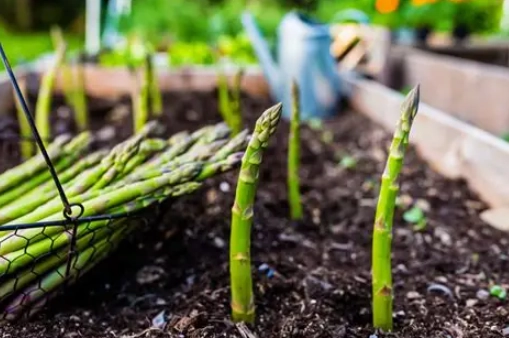
Choosing the Right Variety for Your Garden
Not all asparagus is created equal. The main choice is between all-male hybrids and traditional male/female varieties.
- All-Male Hybrids (Jersey Knight, Jersey Giant, Jersey Supreme): These are the workhorses. They don't produce seeds (which takes energy), so they put more effort into spear production. They tend to be more vigorous and higher yielding. This is what I grow now.
- Traditional Varieties (Mary Washington, Purple Passion): These produce both male and female plants. The females produce red berries, which can self-seed and create weed-like seedlings. 'Purple Passion' has stunning purple spears that turn green when cooked. They're fun, but often less productive than the hybrids.
My take? For a reliable, heavy yield, go with an all-male Jersey variety. For something different, try a row of a purple type for fun.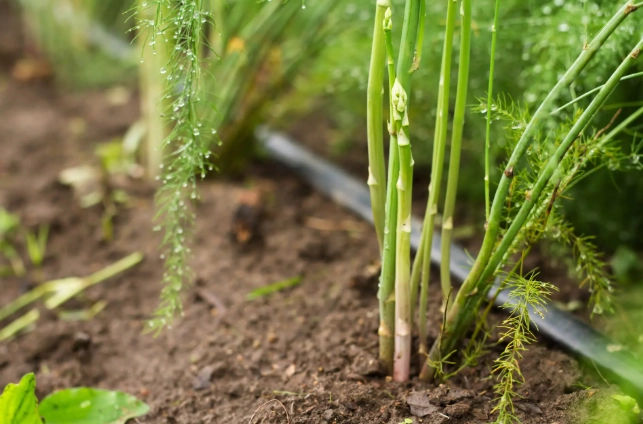
Your Asparagus Questions, Answered
Growing asparagus teaches you more than just gardening; it teaches you patience. That first spring harvest, after years of waiting and tending, is one of the sweetest rewards a gardener can get. The spears taste nothing like store-bought—they're sweeter, more tender, and packed with flavor. You've nurtured them from a gnarly-looking crown to a dinner plate.
The process of asparagus growth is a slow, steady build. You set the stage with great soil and a sunny spot. You plant with care. You wait, you weed, you watch. And then, one day, it all pays off. Year after year after year.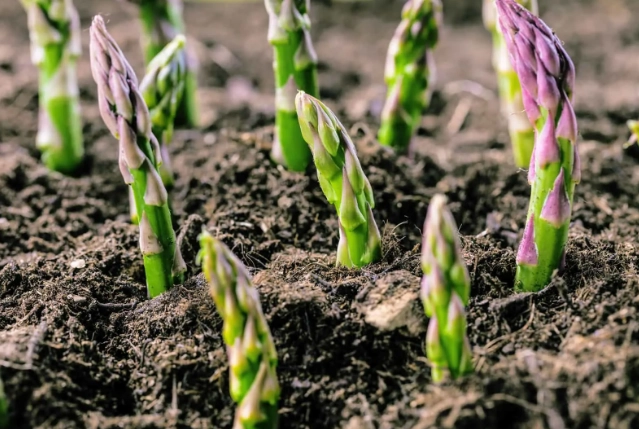
It's worth the wait. Truly.
Start planning your bed this fall. Get that soil tested and amended. Order your crowns over the winter. Come spring, you'll be ready to begin your own asparagus story. Just remember your future self, three years from now, holding that first handful of homegrown spears. That's the goal. Everything else is just steps on the path to get there.
Reader Comments