What’s Inside
- What Goes Into a Caesar Salad Anyway?
- The Real Culprit: That Creamy Caesar Dressing
- Caesar Salad Calories: Restaurant vs. Homemade
- How to Actually Calculate Your Caesar Salad Calories
- Building a Better, Lower-Calorie Caesar Salad at Home
- Your Caesar Salad Calorie Questions, Answered
- The Final Word on Caesar Salad Calories with Dressing
Let's talk about Caesar salad. You know the one. Crisp romaine, crunchy croutons, that creamy, garlicky, anchovy-kissed dressing, and a snowfall of Parmesan cheese. It feels like a safe choice, right? A "salad" must be healthy. You're trying to be good. But then you get that nagging thought in the back of your mind... just how many calories are actually in this Caesar salad with dressing?
I've been there. Sitting in a restaurant, feeling virtuous for skipping the burger, only to later find out my "healthy" salad had more calories than the thing I passed up. It's frustrating. The truth about Caesar salad calories with dressing isn't always pretty, but it's knowledge that lets you make choices you feel good about. You can still enjoy it—you just need to know what you're dealing with.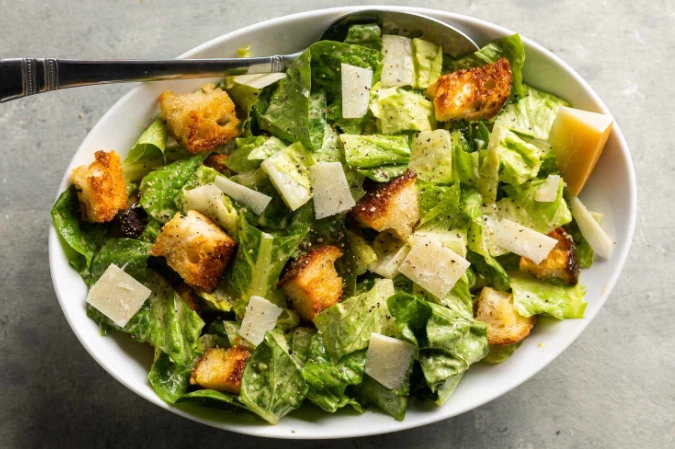
So, let's pull back the curtain. This isn't about fear-mongering. It's about getting real numbers, understanding where those calories come from, and most importantly, learning how to have your salad and eat it too—whether you're at a restaurant or whipping one up at home.
The Quick Answer: A standard, full-sized restaurant Caesar salad with dressing can easily land between 750 to 1,100 calories. A homemade version where you control the portions can be a much more reasonable 350 to 550 calories. The difference is almost entirely in the dressing, cheese, and crouton quantities.
What Goes Into a Caesar Salad Anyway?
Before we dive into the numbers, let's break down the usual suspects. A classic Caesar has four main components:
- Romaine Lettuce: The base. Almost negligible in calories. A whole head of romaine might have 100 calories. It's all water, fiber, and nutrients. This is not the problem.
- Caesar Dressing: The star and the villain. Traditional dressing is an emulsion of oil, egg yolk (or whole egg), Parmesan cheese, lemon juice, Worcestershire sauce, anchovies, garlic, and mustard. Oil is pure fat at about 120 calories per tablespoon. The egg yolk and cheese add more fat and calories. It's incredibly energy-dense.
- Croutons: Little fried or baked bread cubes. They're basically seasoned carbs and fat. A single cup can be 150-200 calories.
- Parmesan Cheese: The finishing touch. While flavorful, it's also calorie-dense. Just a quarter cup of shredded Parmesan can be around 110 calories.
See the pattern? The greenery is innocent. The calories in a Caesar salad with dressing come almost entirely from the toppings and the coating. It's a fat-and-carb delivery system disguised as a vegetable dish.
The Real Culprit: That Creamy Caesar Dressing
If we're pointing fingers, the dressing is suspect number one. Let's get specific.
Traditional, homemade-style Caesar dressing is about 70-85% oil. A standard serving in a restaurant is often a quarter cup (4 tablespoons). Do the math: 4 tablespoons of oil alone is 480 calories. Add in the egg yolk, cheese, and other bits, and you're looking at 550-700 calories just from the dressing on a large salad. That's before a single crouton or extra cheese sprinkle.
Commercial bottled dressings can be a mixed bag. Some try to cut calories by using water, starch, and gums as thickeners instead of all oil. A two-tablespoon serving of a popular brand like Cardini's Original Caesar clocks in around 160 calories. But here's the catch: who uses just two tablespoons? On a full salad, you might use double or triple that, bringing you right back into high-calorie territory.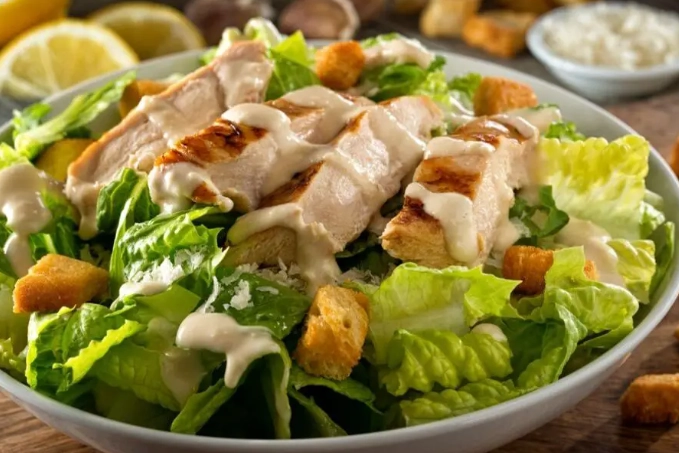
The Restaurant Dressing Trap: Ever noticed how some places bring the salad pre-tossed, drowning in dressing? That's a major red flag. You have zero control. They often use heavy-bottomed bowls and toss vigorously to ensure every leaf is coated—which uses a lot more dressing than you'd ever add yourself. This is the single biggest reason restaurant Caesar salads are calorie bombs.
Breaking Down the Dressing Calories
To make it visual, here's what you're typically consuming in a quarter-cup serving of traditional Caesar dressing:
| Ingredient | Approximate Calories | Role in the Dressing |
|---|---|---|
| Olive Oil or Canola Oil (3 tbsp) | 360 | Base, creaminess, carries flavor |
| Egg Yolk (1 large) | 55 | Emulsifier, richness |
| Parmesan Cheese (2 tbsp grated) | 55 | Salty, umami flavor |
| Anchovy Paste, Garlic, Lemon, etc. | ~20 | Flavoring agents |
| TOTAL (approx.) | ~490 calories |
It's shocking when you see it laid out. Nearly 500 calories from a condiment. That's more than many sandwiches.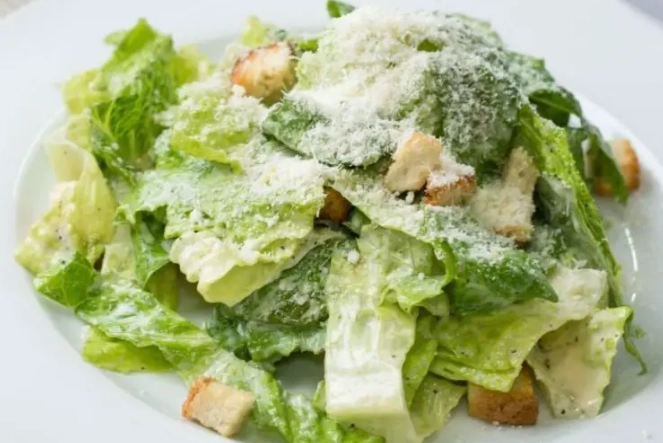
Caesar Salad Calories: Restaurant vs. Homemade
This is where the rubber meets the road. The difference between ordering out and making it yourself is night and day. Let's compare some common scenarios.
The Classic Restaurant Caesar Salad
We're talking about the entrée-sized version, often listed as a "Caesar Salad with Chicken" or just a "Classic Caesar." Portions are huge. I once calculated a salad from a popular casual chain (think Cheesecake Factory or similar scale) and nearly fell out of my chair.
- Base of Romaine: 40 cal
- Heavy Handed Dressing (1/3 cup+): 650-800 cal
- Generous Cup of Large Croutons: 200 cal
- Parmesan Shavings (1/3 cup): 150 cal
- Grilled Chicken Breast (6oz): 280 cal
Go ahead, add that up.
Total: 1,320 to 1,470 calories. And that's not including the breadstick or roll they plop on the side. For context, the USDA recommends an average daily intake of about 2,000 calories for women and 2,500 for men. This one salad could be over half your day's needs.
Even a side Caesar salad at a steakhouse, meant to be shared, can pack 400-600 calories because they absolutely drench it.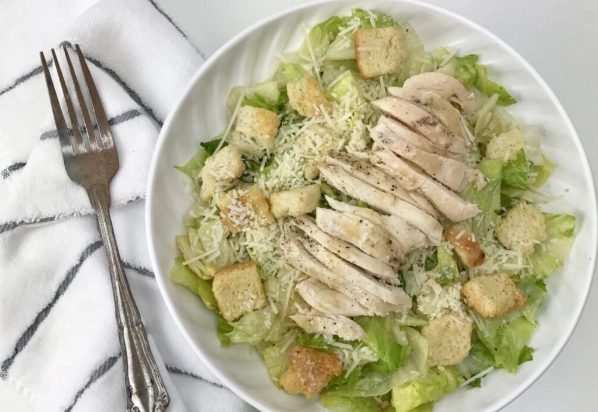
The Homemade, Lighter Caesar Salad
Now, let's look at what happens when you're in charge. You can make a delicious, satisfying Caesar salad that feels indulgent but isn't a gut bomb.
- Large Bed of Romaine (3 cups): 25 cal
- Lighter Homemade Dressing (2 tbsp): 120 cal (recipe below!)
- Whole Wheat Croutons (1/2 cup, homemade): 80 cal
- Freshly Grated Parmesan (2 tbsp): 55 cal
- Grilled Chicken or Shrimp (4oz): 180 cal
Total: ~460 calories.
See the difference? It's about a 1,000-calorie difference for a meal that tastes just as good, if not better, because you can tailor the flavors. This is the power of knowing the facts about Caesar salad calories with dressing.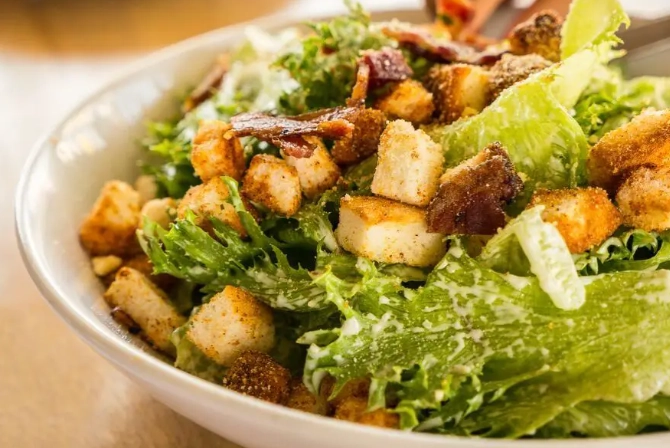
How to Actually Calculate Your Caesar Salad Calories
You don't need to be a nutritionist. Just follow these steps, especially for homemade salads:
- Weigh or Measure Your Lettuce. A kitchen scale is best, but 2-3 loosely packed cups is a standard serving.
- Measure Your Dressing with a Spoon. Don't pour from the bottle. Use a tablespoon. Start with one, toss, see if it's enough. You'll be surprised.
- Count Your Croutons. Seriously. Pour out a 1/2 cup measure and use that as your limit. Homemade are best for control.
- Grate Your Own Cheese. Pre-shredded cheese has anti-caking agents and often more calories per volume. Freshly grated Parmesan is more flavorful, so you need less. A microplane is your friend here.
For restaurant salads, it's trickier. Your best bets are:
- Ask for the dressing on the side. Always.
- Request light cheese or croutons.
- Check the restaurant's online nutrition calculator if they have one (many big chains do).
- Assume it's higher than any estimate you find online and plan your other meals accordingly.
Pro-Tip for Eating Out: When the dressing comes on the side, use the "fork-dip" method. Dip the tines of your fork into the dressing before spearing a bite of salad. You get the flavor with every bite but use a fraction of the dressing. It works shockingly well.
Building a Better, Lower-Calorie Caesar Salad at Home
Okay, so how do we make a Caesar salad that's genuinely satisfying but doesn't wreck your day? Here's my go-to strategy, born from many trials and a few bland, disappointing errors.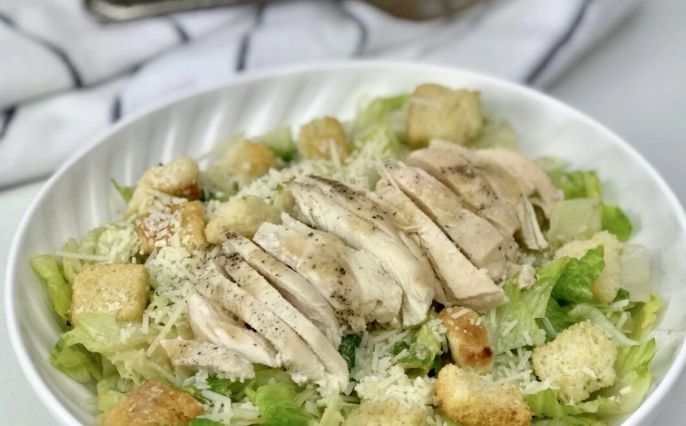
1. Rethink the Dressing (The Most Important Step)
You don't need to drown lettuce in oil to get that Caesar flavor. The key flavors are umami (anchovy/parmesan), garlic, lemon, and salt. Here's my favorite lighter base that cuts calories by more than half:
Lighter Caesar Dressing Recipe (makes about 1 cup):
- 1/2 cup plain, non-fat Greek yogurt
- 1/4 cup grated Parmesan cheese
- 3 tbsp extra virgin olive oil (yes, some is still needed for flavor)
- 2 tbsp fresh lemon juice
- 2-3 anchovy fillets, minced, or 1 tsp anchovy paste
- 1-2 cloves garlic, minced
- 1 tsp Dijon mustard
- 1 tsp Worcestershire sauce
- Freshly ground black pepper
- Water to thin, if needed
Blend it all together. The Greek yogurt provides the creamy base and protein for a fraction of the fat. The smaller amount of oil and Parmesan still delivers that authentic taste. Calories per 2-tablespoon serving: ~90. Compare that to 250+ for traditional.
I was skeptical about the yogurt at first. Would it taste tangy and weird? But the lemon, garlic, and anchovy completely take over. It's creamy, pungent, and absolutely hits the spot. You can find more science-backed tips on using yogurt as a healthy substitute in creamy sauces from resources like Healthline's analysis of Greek yogurt.
2. Upgrade Your Croutons
Skip the store-bought bag. They're often stale and fried in poor-quality oils.
Take 2 slices of whole-grain or sourdough bread, cut into cubes, toss with a light mist of olive oil spray (not a pour!), garlic powder, and a pinch of salt. Bake at 375°F (190°C) for 10-15 minutes until crisp. You get more flavor and fiber for fewer calories and less fat.
3. Pile on the Greens (and Maybe More)
Use fresh, crisp romaine hearts. But don't stop there. Add some mass with other low-calorie veggies to make the salad more filling: thinly sliced kale (massaged with a bit of lemon juice), shaved Brussels sprouts, or even some arugula for a peppery kick. Volume eating is your friend.
4. Be Strategic with Protein
Grilled chicken breast, shrimp, salmon, or even chickpeas for a vegetarian option. Protein increases satiety, making the salad a complete meal that keeps you full for hours.
By focusing on these swaps, you can create a meal where the calories in your Caesar salad with dressing are something you're proud of, not something you fear.
Your Caesar Salad Calorie Questions, Answered
Is a Caesar salad healthy at all?
It can be! Romaine is rich in vitamins A, C, and K, and provides fiber. The dressing, when made with olive oil, provides heart-healthy monounsaturated fats. Anchovies offer omega-3s. The problem is the amount of dressing and high-calorie add-ons in typical servings. In a balanced, portion-controlled form, it's absolutely a healthy meal component. The American Heart Association recommends oils like olive oil as part of a healthy diet—just in moderation.
What has more calories: Caesar dressing or Ranch?
It's a tight race, but traditional Caesar usually wins (has more calories per tablespoon). Both are oil-based and calorie-dense. A typical Ranch might have more buttermilk or sour cream, slightly lowering the oil percentage, but we're talking small differences. They're both in the "use sparingly" category.
Can I just use less of the full-fat dressing?
Absolutely. This is the simplest and often best strategy. If you love the classic flavor, just use less. One generous tablespoon of a rich, traditional dressing, tossed very thoroughly with a big bowl of lettuce, can coat enough leaves to give you the taste without the 500+ calorie hit. It requires a light hand and good tossing skills.
Are there any store-bought low-calorie Caesar dressings that actually taste good?
Some are okay in a pinch. Look for ones where the first ingredient isn't water or soybean oil. Brands like "Bolthouse Farms" make a yogurt-based Caesar that's around 45 calories per 2 tbsp. The taste is different—lighter, tangier—but it's a decent option when you're short on time. Always taste test a small bottle first.
How do calories change if I add anchovies or an egg on top?
Adding a few extra anchovy fillets adds minimal calories (maybe 20-30) but a big umami punch. A soft-boiled egg on top adds about 70 calories and a great source of protein and richness. These are smart, flavorful additions that increase satisfaction without a major calorie penalty.
The Final Word on Caesar Salad Calories with Dressing
Look, I'm not here to tell you to never eat a restaurant Caesar salad again. Life's too short. Sometimes you want the full, decadent experience, and that's fine. The goal is informed choice, not deprivation.
But for most days, the takeaway is this: the Caesar salad calories with dressing you consume are largely within your control. The gap between a 1,400-calorie restaurant plate and a 450-calorie homemade masterpiece is all about portion size and a few simple ingredient swaps.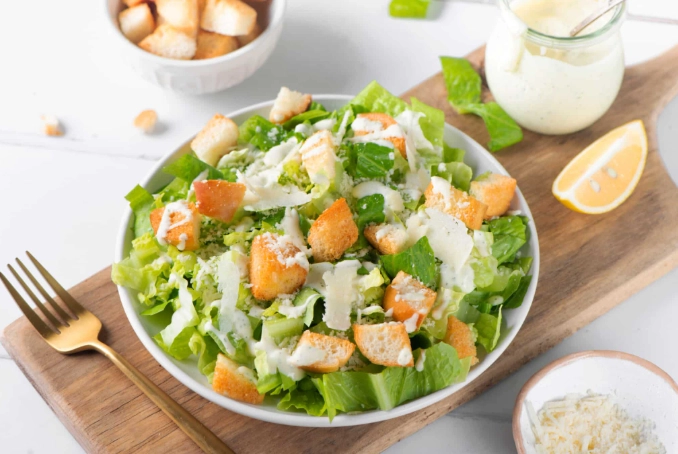
Master a lighter dressing recipe. Measure your croutons. Grate your cheese fresh. These tiny acts of awareness completely transform the nutritional profile of this classic dish.
So go ahead, make a Caesar salad. Just make it your way. A way that tastes great and makes you feel good afterward. That's the real victory.
Now, pass the pepper mill.
Reader Comments