Quick Guide
Let's talk about raspberry pie. You know, the kind that makes people go quiet for a second after the first bite. The perfect balance of sweet and tart, all wrapped up in a crust that shatters into a million buttery flakes. It's not just a dessert; it's a summer afternoon on a plate. But here's the thing – I've had my share of pie disasters. Soggy bottoms. Filling that's more soup than substance. Crusts that taste like cardboard. It's frustrating, right? You follow a recipe to the letter, and it still doesn't turn out like the picture.
Well, after more failed attempts than I'd like to admit (and a few triumphant successes), I've pieced together what I honestly believe is the ultimate guide to a classic raspberry pie recipe. This isn't about fancy, impossible techniques. It's about understanding the why behind each step. Why the butter needs to be cold. Why you might choose cornstarch over flour. Why a little lemon zest is a game-changer. We're going deep, but in a way that feels like we're just chatting in the kitchen.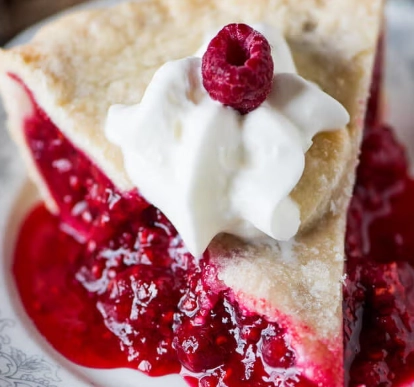
Why This Raspberry Pie Recipe Works (The Science of Delicious)
Anyone can throw berries and sugar into a shell. Making a great raspberry pie recipe is about controlling three things: texture, flavor, and structure. The crust needs to be sturdy enough to hold the juicy filling but tender enough to cut with a fork. The filling should be glossy and thick, not runny or gummy. And the flavor? It should sing of raspberries, with the sugar playing backup, not taking over the whole show.
This approach focuses on a few non-negotiable principles. First, an all-butter crust for maximum flavor. Some swear by a mix of butter and shortening for flakiness, and while that works, I find the taste of an all-butter crust is unmatched. Second, macerating the berries – that's just a fancy word for letting them sit with sugar to draw out their natural juices. This step is crucial for controlling how much liquid you're dealing with. Third, choosing the right thickener. This is where many recipes go wrong.
The Heart of the Matter: Your Pie Crust
I'm not gonna lie, pie crust intimidates people. It shouldn't. Think of it as just flour, fat, water, and salt coming together under your command. The magic word is cold. Every single ingredient, including your bowl and your fingers if possible, should be cold. Why? You want little pockets of solid fat (butter) to melt in the oven, creating steam that puffs the layers apart. That's flakiness.
Here's my go-to method, which borrows from both classic and modern techniques I've picked up from sources like the King Arthur Baking guide to pie. They're a fantastic resource for understanding the fundamentals.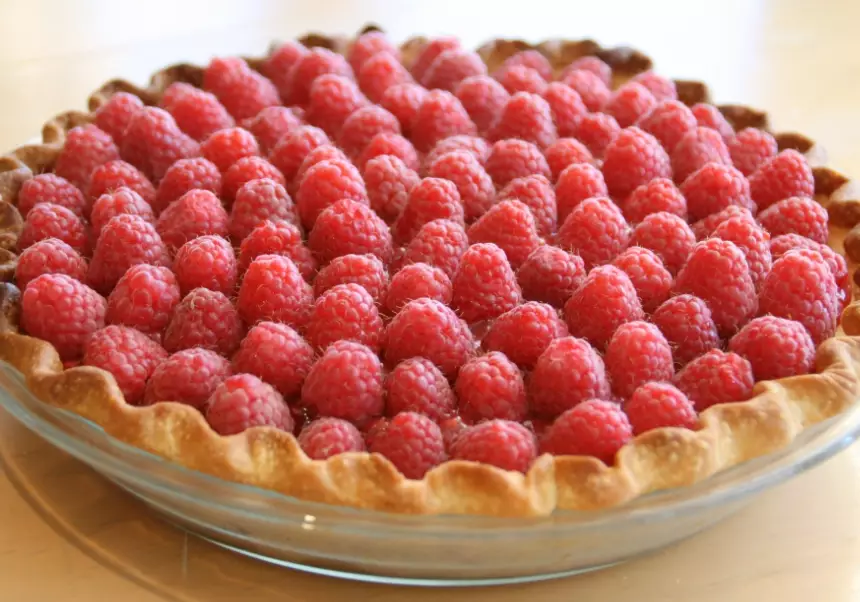
You'll need:
- 2 ½ cups (300g) all-purpose flour: Spoon and level it, don't scoop! Scooping packs the flour and leads to a tough crust.
- 1 teaspoon salt: Enhances all the flavors.
- 1 tablespoon granulated sugar: Just a touch for browning and tenderness.
- 1 cup (2 sticks / 226g) unsalted butter: Frozen is ideal. Cut into small cubes or, as I said, grate it.
- 6-8 tablespoons ice water: Start with 6 and add only as much as needed. The dough should just hold together when pinched.
Pulse the dry ingredients in a food processor, or whisk by hand. Add the butter and pulse or cut in with a pastry cutter until you have pea-sized crumbs. Drizzle in the ice water, a tablespoon at a time, pulsing or mixing with a fork just until the dough begins to clump. Dump it onto a surface, divide into two disks (one slightly larger for the bottom crust), wrap in plastic, and refrigerate for at least an hour. Seriously, don't skip the chill. This relaxes the gluten and re-solidifies the butter.
Crafting the Perfect Raspberry Filling
Now for the star. A classic raspberry pie filling is deceptively simple. The quality of your berries matters, but you can absolutely make a stunning pie with frozen ones. In fact, frozen berries are often picked at peak ripeness and frozen immediately, sometimes making them more consistent than off-season fresh ones. The USDA's Fruit and Tree Nuts Yearbook provides interesting data on production and seasons, which can help you decide when to buy fresh.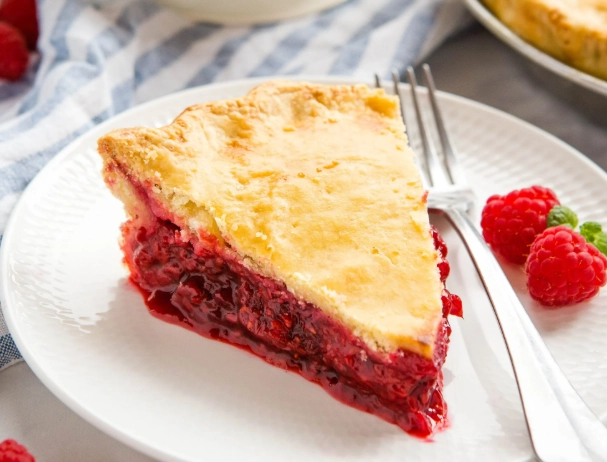
Let's break down the filling ingredients and their roles:
| Ingredient | Quantity | Its Job in the Pie |
|---|---|---|
| Fresh or Frozen Raspberries | 6 cups (about 750g) | The main event! Provides flavor, color, and juice. |
| Granulated Sugar | ¾ to 1 cup (150-200g) | Sweetens and, along with salt, helps draw out juice from the berries. |
| Cornstarch (or Tapioca) | ¼ cup (30g) | The thickener. Cornstarch gives a clear, glossy finish. Tapioca has a more natural "fruit" texture. |
| Fresh Lemon Juice | 1 tablespoon | Brightens the flavor and balances sweetness. |
| Lemon Zest | From 1 lemon | Adds a fragrant, punchy aroma that complements the berries perfectly. |
| Salt | A pinch | Makes the sweet and tart flavors pop. Never skip salt in sweets. |
| Butter (dot on top) | 1 tablespoon | Adds richness and helps thicken the final sauce. |
Here's the process: If using frozen berries, do not thaw them completely. Toss them partially frozen with the sugar, cornstarch, lemon juice, zest, and salt. If using fresh, toss gently. Let this mixture sit for 15-20 minutes. You'll see a pool of liquid form at the bottom. This is good! This is the juice you're going to thicken. Some recipes have you cook this filling beforehand, but for a traditional raspberry pie recipe, I prefer the berries to retain their shape and fresh taste, cooking entirely in the oven.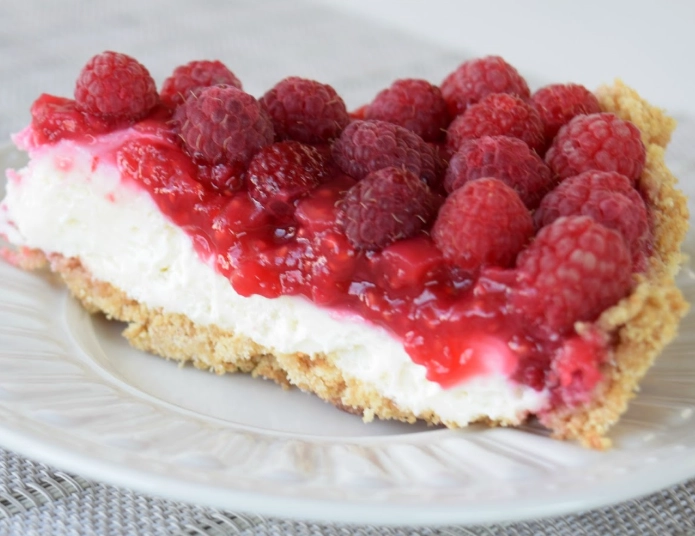
Assembly and Baking: Where the Magic Happens
Roll out your larger chilled disk on a floured surface to about 12 inches in diameter. Drape it into a 9-inch pie plate. Don't stretch it; just let it settle in. Trim the overhang to about ½ inch. Spoon your macerated berry filling into the crust, including all those delicious juices. Dot with little pieces of the extra butter.
Roll out the top crust. You can do a full lattice (looks impressive, lets steam escape), a solid top with vents cut in, or a crumble topping if you're feeling lazy (it's delicious, no judgment). For a solid top, brush the rim of the bottom crust with a little water or egg white, place the top crust on, press to seal, and trim. Crimp the edges beautifully. Cut a few slits in the top – these are essential steam vents. Brush the top with an egg wash (1 egg + 1 tbsp water) for a golden shine, and sprinkle with coarse sugar.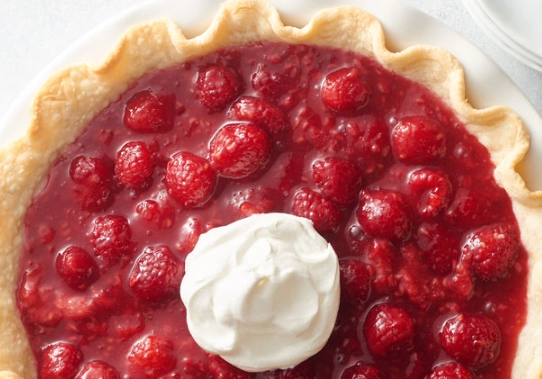
Now, the most critical step for a non-soggy bottom.
Bake on a preheated baking sheet in the lower third of a preheated 425°F (220°C) oven for 20 minutes. This initial high heat sets the crust quickly. Then, without opening the door, reduce the temperature to 375°F (190°C) and bake for another 35-45 minutes. The pie is done when the crust is deeply golden brown and the filling is bubbling thickly through the vents. If the edges brown too fast, use a pie shield or strips of foil.
This two-temperature method is the secret. The hot start gives you lift and structure, the lower finish cooks the filling through without burning the pastry.
Navigating Common Raspberry Pie Problems (Your FAQs Answered)
Why is my pie filling so runny?
This is the number one complaint. First, did you let the pie cool completely? A fruit pie needs a good 4-6 hours at room temperature to fully set. Cutting into it warm is a recipe for a juicy mess. If it's still soup after cooling, the likely culprits are: not enough thickener, the thickener wasn't fully cooked, or you used a type that doesn't suit the berry's acidity. Cornstarch can break down if paired with very acidic fruit and overcooked. For a guaranteed set, instant clear jel (used by professional bakers) is a bulletproof, if less traditional, option.
Can I use frozen raspberries without making a soupy mess?
Absolutely, and I do it often. The key is to use them partially frozen. Don't thaw them in a colander—you'll lose all the flavorful juice. Mix them frozen with the sugar and thickener. They'll release water as they bake, and the thickener will activate with that liquid. You may need to add 5-10 minutes to the baking time. The result is often even more consistent than with fresh berries that might be underripe.
My bottom crust is always soggy. Help!
The trifecta for fighting sogginess: 1) A hot oven start (that 425°F blast). 2) Baking on a preheated sheet pan or pizza stone – this delivers instant heat to the bottom. 3) Using a metal pie plate, not glass or ceramic, as it conducts heat best. Some people brush the bottom crust with egg white or melted chocolate before adding filling, which creates a barrier. I find the hot start and hot baking sheet are 95% of the battle.
How long does homemade raspberry pie last?
At room temperature, covered, for about 2 days. In the fridge, for up to 4 days. The crust will lose its crispness in the fridge, but it's still tasty. You can also freeze the baked and cooled pie for up to 3 months. Thaw in the fridge overnight. I don't recommend freezing unbaked pie—the filling will get too watery.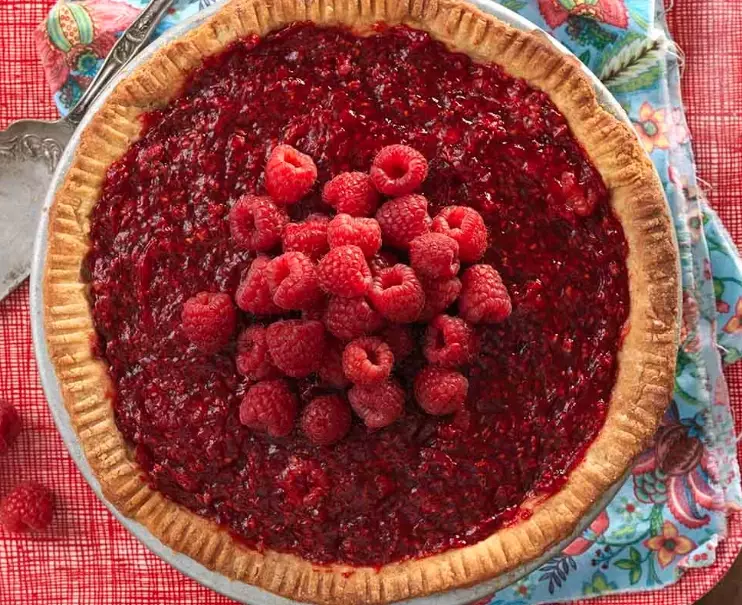
Beyond the Classic: Delicious Raspberry Pie Recipe Variations
Once you've mastered the best raspberry pie recipe in its pure form, the world is your oyster. Or your berry patch.
Raspberry-Rhubarb Pie: The classic pairing. Replace 3 cups of raspberries with 3 cups of chopped fresh rhubarb. You'll likely need to increase the sugar to 1 ¼ cups, as rhubarb is very tart.
Mixed Berry Pie: Use a blend of raspberries, blueberries, and blackberries. The different textures and flavors are fantastic. Keep the total berry quantity the same.
Raspberry Peach Pie: A taste of high summer. Use 3 cups raspberries and 3 cups sliced peeled peaches. The peaches add a wonderful floral note.
Chocolate-Raspberry Pie: Sprinkle ½ cup of dark chocolate chips over the bottom crust before adding the raspberry filling. The melted chocolate swirls into the filling as it bakes. It's decadent.
Crumble or Streusel Topping: If you're pastry-averse, skip the top crust. Make a streusel with 1 cup flour, ½ cup brown sugar, ½ cup rolled oats, and ½ cup melted butter. Mix until clumpy and sprinkle over the filling before baking. It adds a wonderful crunchy texture.
Choosing Your Ingredients Wisely
This might seem obvious, but the quality of your butter and berries makes a tangible difference. I use a European-style butter with a higher fat content (like Kerrygold or Plugrà) for my crust. The extra fat means less water, which translates to a more tender, flaky result. For berries, if they're in season and from a farmer's market, your pie will have an incredible depth of flavor. Off-season, a high-quality brand of frozen raspberries is my reliable go-to.
And about thickeners – it's worth understanding your options. Cornstarch is clear and glossy but can thin out if boiled for too long or if the pie is reheated. Tapioca starch (or flour) gives a more translucent, slightly "bubbly" set that holds up well to freezing and reheating. Instant clear jel, which you can find online or in specialty stores, doesn't require heat to activate and is immune to acidity, making it foolproof. It's a modern solution to an ancient problem.
So, what's the "best" thickener?
It depends. For a classic, glossy, set-it-and-forget-it pie eaten the same day, I love cornstarch. For a pie I know will need to be transported, reheated, or made ahead, I lean toward tapioca. It's a personal choice, and experimenting is half the fun.
The Final, Non-Negotiable Step
Let. The. Pie. Cool. I know it's hard. The aroma is intoxicating. But cutting into a hot fruit pie is the single biggest mistake home bakers make. The filling hasn't had time to polymerize (fancy word for "set up"). It needs those hours at room temperature to go from a bubbling lava flow to a sliceable, glorious filling. Plan your baking accordingly. Make the pie in the morning for an evening dessert, or even the day before. The flavor actually improves as it sits.
Baking a perfect raspberry pie from scratch is one of the most satisfying kitchen projects. It requires a bit of patience and attention to detail, but none of the steps are truly difficult. It's about respecting the process – keeping things cold, letting things rest, and trusting the bake. With this guide, you're not just following a recipe; you're understanding it. And that's how you go from making a pie to creating a masterpiece that will have everyone asking for your raspberry pie recipe.
Now, go preheat that oven and get some butter in the freezer. Your perfect pie awaits.
Reader Comments