Quick Guide
- The Heart of the Matter: Primary Artichoke Season
- A Global Calendar: When Artichokes Are in Season Around the World
- How to Choose a Perfect Artichoke (No Matter the Month)
- Storing Your Seasonal Bounty: Make Them Last
- Making the Most of Artichoke Season: What to Cook
- The Final Word on Artichoke Season
So you're standing in the grocery store, staring at these weird, pinecone-looking things called artichokes. They look intimidating. You've heard they're delicious, but when is the best time to buy artichokes? When are they actually in season and worth the effort? That's the million-dollar question for anyone wanting to enjoy them at their peak.
I remember the first time I bought an artichoke out of season. It was small, felt light as a feather, and the leaves were splayed out and woody. Steaming it was an act of optimism. The result? A stringy, fibrous heart and leaves with barely any meat. A total disappointment. That experience taught me that timing is everything with this vegetable.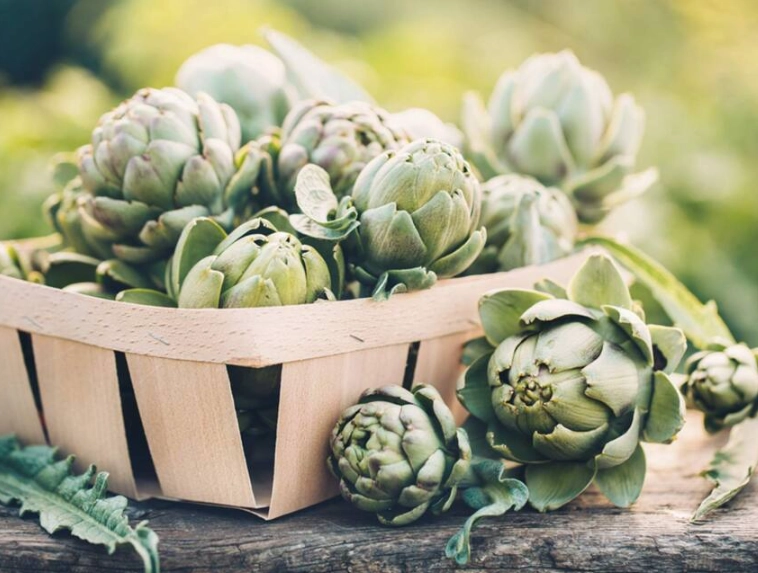
Let's cut through the confusion. The simple, core answer is that in the United States, the prime season for fresh artichokes runs from March through May, with a smaller, second peak often in October. But that's just the headline. The real story of when artichokes are in season involves geography, weather, and even the specific variety. If you want the plump, tender, flavorful chokes that are worth every minute of prep time, you need to dig a little deeper.
The Heart of the Matter: Primary Artichoke Season
Artichokes are cool-weather perennial plants, which gives us a big clue about their preferences. They don't like extreme heat or extreme cold. This creates a specific growing window.
The undisputed capital of artichoke production in the U.S. is California's Central Coast, particularly around Castroville, which proudly calls itself the "Artichoke Center of the World." According to the California Artichoke Advisory Board, nearly 100% of America's commercial artichoke crop comes from here. The climate is just perfect—cool, foggy summers and mild winters.
In this region, the plant has a major harvest period in the spring. Think of it as the plant's big, energetic push after the winter.
- Peak Peak: March, April, and May are the absolute best months. This is when you'll find the largest volume, the biggest sizes, and the most consistent quality. Farmers' markets in California are overflowing with them.
- The Shoulder Seasons: You can often find good artichokes starting in late February and stretching into June. The availability starts high and slowly tapers off as summer heat arrives.
- The Fall Bump: Many artichoke plants, after a summer rest, will produce a secondary, smaller harvest in October. This fall crop can be excellent, though sometimes the heads are a bit smaller than the spring giants.
So, if you're marking your calendar, circle spring. That's your best bet for answering when are artichokes in season at their finest.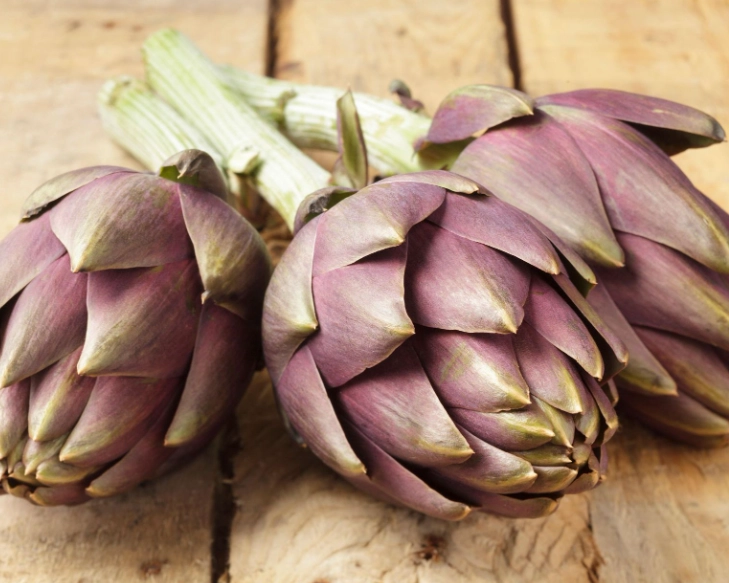
What About the Rest of the Year?
Here's where it gets tricky. You can find artichokes in supermarkets almost year-round. How?
First, California's mild coastal climate allows for some limited harvests outside the prime windows, especially in protected microclimates. Second, and more significantly, imports fill the gaps. During the North American winter (our off-season), countries like Spain, Italy, France, and Egypt are in their peak growing periods. So that artichoke you see in December likely took a long plane ride.
But let me be honest: these off-season, often imported artichokes are a gamble. They've traveled far, they're older, and they were likely picked to withstand shipping, not for ultimate tenderness. They can be perfectly serviceable, especially for recipes focused on the heart, but they rarely match the sublime quality of a locally-grown, springtime artichoke.
A Global Calendar: When Artichokes Are in Season Around the World
This global shuffle is why understanding artichoke season months gets interesting. If you're traveling or shopping in international markets, the timing flips.
| Region/Country | Primary Season | Notes & Characteristics |
|---|---|---|
| California, USA | Mar-May (Peak), Oct (Secondary) | The "Green Globe" variety is king. Large, round, meaty leaves. This is the standard for the U.S. market. |
| Mediterranean (Italy, Spain, France) | Oct-Apr | Peaks in spring (Mar-Apr). You'll find famous varieties like the Italian "Spinoso Sardo" (spiky) or the French "Camus de Bretagne." Often smaller, more purple-tinged, and intensely flavored. |
| Egypt | Dec-Mar | A major exporter during the Northern Hemisphere's winter. Tends to supply the European and sometimes U.S. markets in the off-season. |
| Chile & Peru | Aug-Nov | Their seasons align with Southern Hemisphere spring/summer, providing counter-seasonal supply. |
This table shows why you can find artichokes year-round—the baton is passed from one growing region to another. But for the average American shopper, focusing on the domestic spring peak is your path to the best quality and value.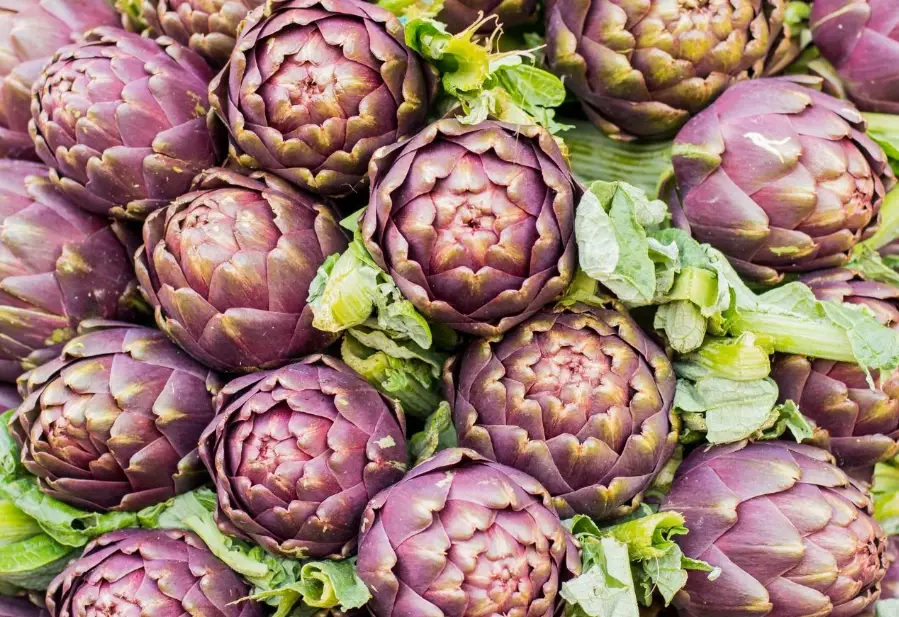
How to Choose a Perfect Artichoke (No Matter the Month)
Knowing when artichokes are in season is half the battle. The other half is picking a good one off the pile. Seasonality guarantees supply, but you still need to be a smart selector. Here's my hands-on guide, born from both triumph and regret at the checkout line.
The Golden Rule: Weight and Tightness
Pick up the artichoke. A good one feels heavy for its size. This heaviness means it's full of moisture and the leaves are plump. Then, look at the shape. The leaves should be tightly closed around the bud, like a pinecone. If the leaves are splayed open, spreading outwards, it's overmature. The heart will be fuzzy and developed, and the leaves will be tougher.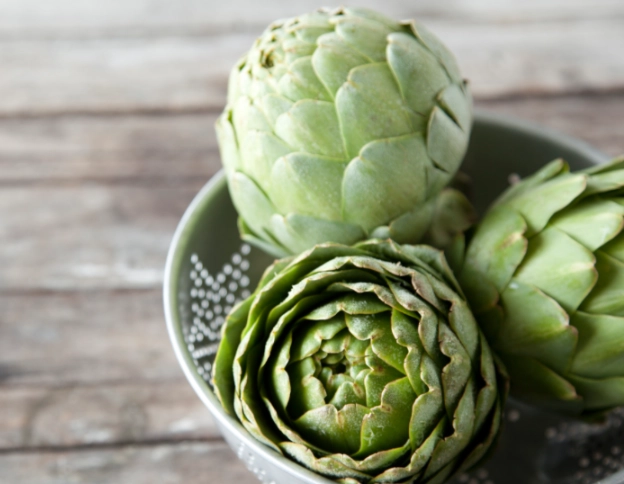
- Squeak Test: Gently squeeze a leaf between your thumb and forefinger. A fresh, moist artichoke leaf should make a slight squeaking sound. No squeak often means it's drying out.
- Leaf Color & Condition: Look for a consistent, vibrant green color (or green with purple hints, depending on the variety). Some bronze tipping on the very outer leaves is normal, especially from light frost, which can even sweeten them. Avoid ones with lots of black spots, deep browning, or leaves that look shriveled or wilted.
- The Stem is a Clue: A long, fleshy stem is a good sign! It means it was cut, not broken, from the plant. The stem is edible (just peel the outer fibrous layer) and an extension of the heart. A short, dried-out stem is less promising.
- Size Isn't Everything: Medium-sized artichokes are often the most reliable. The gigantic ones can sometimes be a bit woodier in the center, and the tiny ones (baby artichokes) are great for eating whole but have less of the classic leaf-pulling experience.
What about fuzzy tops? A little fuzz peeking from the top center is fine. A large, fuzzy, pronounced choke inside means it's very mature. For the classic steamed whole artichoke, you want that choke to be underdeveloped and small, which you'll find in younger, tighter heads.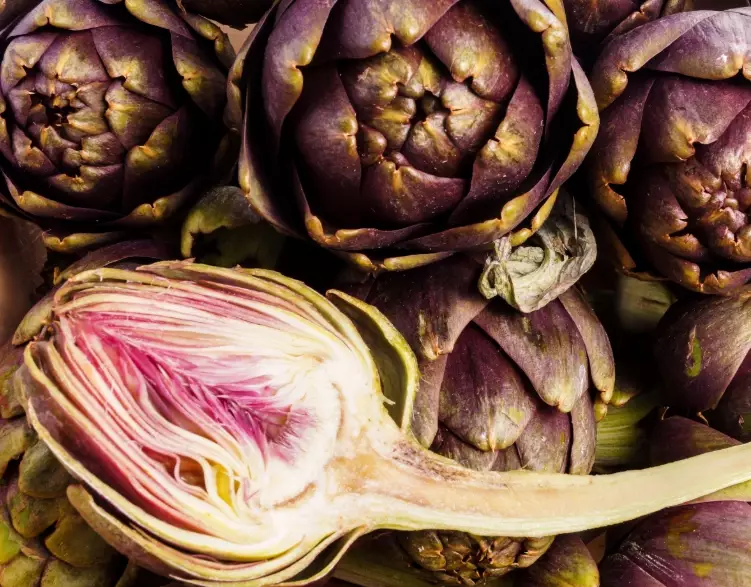
Storing Your Seasonal Bounty: Make Them Last
You've nailed the season and picked perfect artichokes. Now, don't ruin them in your fridge! They are living, breathing buds and lose moisture quickly.
The best method is shockingly simple.
Treat them like fresh flowers. Trim about half an inch off the stem. Then, stand them upright in a jar or container with about an inch of water in the bottom (like a bouquet). Loosely place a plastic bag over the top. Store them in the refrigerator. This method can keep them fresh and perky for 5-7 days.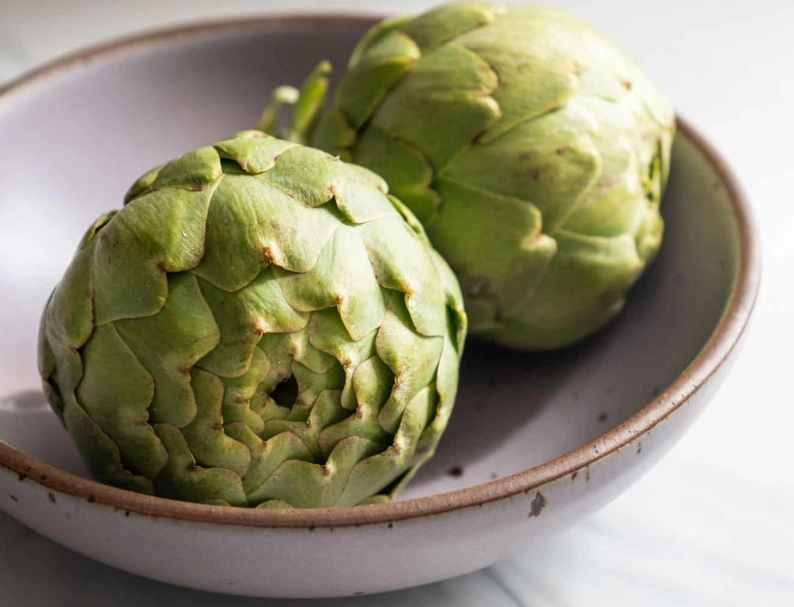
The lazy method (which I use if I'm cooking them within 2-3 days): Don't wash them. Put them in a perforated plastic bag (or a regular bag left slightly open) and stick them in the crisper drawer. They'll be okay, but they'll start to lose firmness faster than the water method.
Can You Freeze Artichokes?
Yes, but with a major caveat. You cannot successfully freeze a raw, whole artichoke. It will turn into a mushy, brown, unappetizing mess when thawed.
To freeze, you must cook them first. The most common method is to trim, clean, and remove the choke, then boil or steam the hearts (or quartered pieces) until just tender. After cooling, you can pack them in airtight containers or freezer bags, covered in a bit of water or lemon juice to prevent browning. They'll keep for 8-10 months. They won't have the perfect texture of fresh, but they're great for dips, pastas, or casseroles.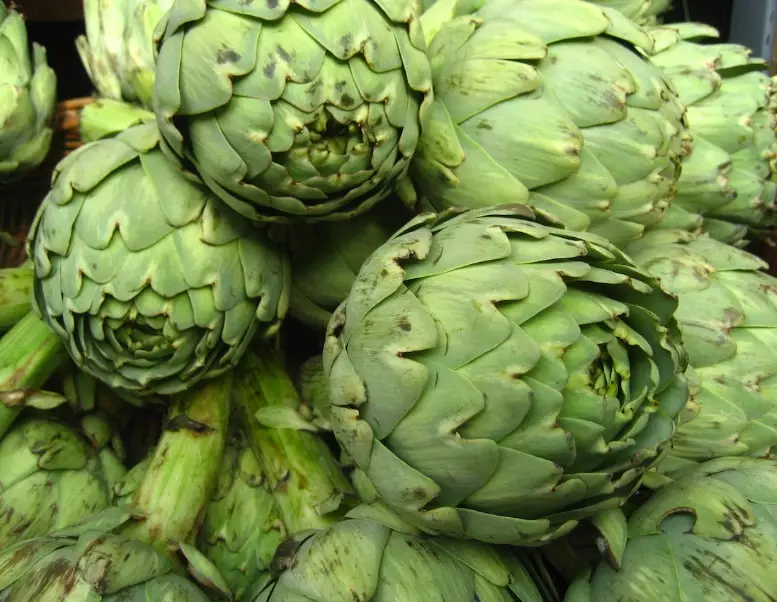
Making the Most of Artichoke Season: What to Cook
When you finally get your hands on those perfect, in-season chokes, don't overcomplicate it. Celebrate their natural flavor.
The Classic: Steamed or boiled whole, served with melted butter, lemon-butter, or aioli. This is the ritual—pulling leaves, scraping off the flesh with your teeth, working your way to the prized heart. It's an experience as much as a meal.
For the Grill: Halved or quartered, par-boiled, then grilled until charred. The smokiness is incredible. Brush with olive oil, garlic, and herbs.
Stuffed: A bit more work, but glorious. Spread the leaves open, scoop out the choke, and fill the center with a mix of breadcrumbs, garlic, parmesan, herbs, and olive oil. Bake until tender and the topping is crispy.
Hearts Only: If you want to skip the leaf-pulling, just trim down to the heart and stem. Braise them in wine and herbs, marinate and roast them, or slice them thin for a salad or pizza topping.
The point is, a great artichoke doesn't need to hide. Simple preparations let its unique, nutty, slightly sweet flavor shine.
The Final Word on Artichoke Season
Let's wrap this up. If you take one thing away, let it be this: Spring is artichoke season. From March to May, make it a point to buy them. That's your window for guaranteed quality, better prices, and the full, rewarding artichoke experience.
Use the selection tips—heavy, tight, squeaky, green. Store them right. And then enjoy one of the most interesting and delicious vegetables out there. Figuring out when artichokes are in season is the key that unlocks all of that.
Now go find some. Your next perfect, steamed, dippable, leaf-by-leaf meal is waiting.
Reader Comments