Walk into any grocery store, and you'll likely see piles of rosy-hued ruby red grapefruit. They're the friendly, predictable choice. But over in the corner, sometimes looking a bit lonely, sits its ancestor: the yellow grapefruit. It's paler, often less perfect, and has a reputation for being bitter. I used to pass it by, too. That was before I spent a summer volunteering on a citrus grove in Florida and had a farmer hand me a wedge of a sun-warmed Marsh grapefruit (the classic yellow variety). The flavor was a shock—not just bitter, but intensely floral, with a sharp, clean acidity that made the red ones taste almost flabby in comparison. I was hooked.
This isn't just another fruit article. If you're curious about yellow grapefruit, wondering how to use it, or why you'd bother when the red ones are sweeter, you're in the right place. We're going beyond the basics.
What's Inside?
- Yellow vs. Red Grapefruit: It's More Than Just Color
- How to Pick and Store the Perfect Yellow Grapefruit
- How to Actually Eat a Yellow Grapefruit (Beyond the Spoon)
- The Health Powerhouse: What's Really in There?
- Thinking of Growing Your Own? Read This First.
- Your Yellow Grapefruit Questions, Answered
Yellow vs. Red Grapefruit: It's More Than Just Color
Most people think the red ones are just riper yellow ones. Not even close. They're different beasts with distinct histories and flavor profiles.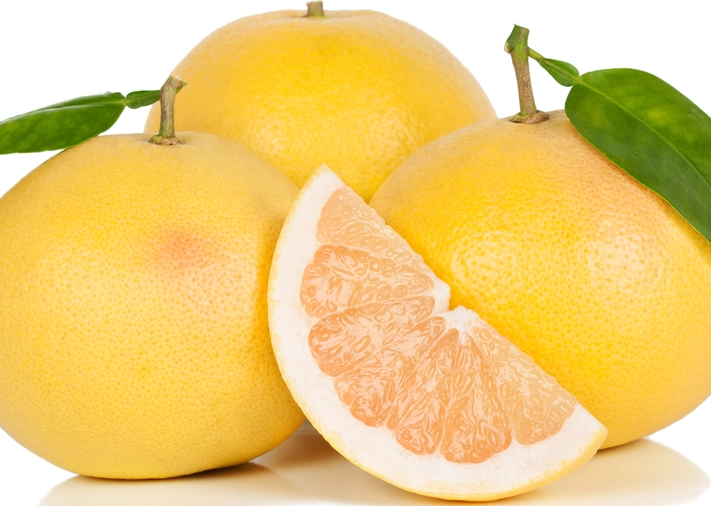
The yellow grapefruit, like the Duncan or Marsh seedless varieties, is the original. It's what naturally grew from the accidental cross between a pomelo and an orange centuries ago. The ruby red? That's a 20th-century marvel—a natural mutation discovered on a pink grapefruit tree in Texas, then patented and propagated because of its eye-catching color and milder taste.
Here’s the breakdown you won't find on a supermarket sticker:
| Characteristic | Yellow Grapefruit | Ruby Red Grapefruit |
|---|---|---|
| Flavor Profile | Pronounced bitterness, high acidity, complex floral & tangy notes. | Mild bitterness, noticeably sweeter, simpler berry-like notes. |
| Key Compound | Higher in naringin (the bitter flavonoid). | Lower in naringin, higher in lycopene (the red pigment & antioxidant). |
| Best Use Case | Where you want bitterness & acidity: savory salads, cocktails, grilling, pairing with rich foods. | Eating fresh out-of-hand, in fruit salads, smoothies where sweetness is key. |
| Texture | Often has a slightly tougher membrane, juicier segments. | Tender membranes, can be less juicy. |
The common mistake? Treating them as interchangeable. Using a ruby red in a Greyhound cocktail will give you a sweet, timid drink. A yellow grapefruit brings the necessary bracing punch that cuts through the vodka. Conversely, tossing bitter yellow segments into a simple fruit salad might overwhelm the other fruits.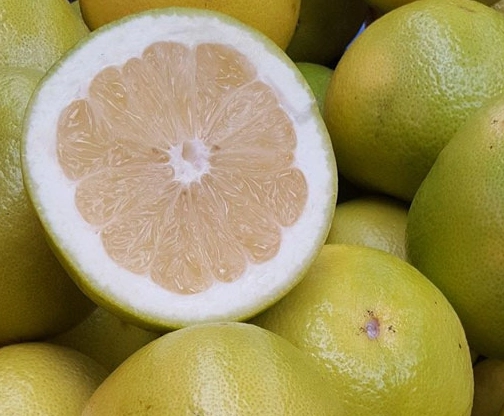
How to Pick and Store the Perfect Yellow Grapefruit
Forget the color intensity rule you use for reds. A deeper yellow doesn't always mean sweeter with these. You're judging by weight and feel.
Look for heft. Pick up a few similar-sized fruits. The heaviest one will be the juiciest. The skin should be firm but give slightly under gentle pressure—think of the feel of a ripe avocado, not a rock. A fine-grained peel is better than a thick, puffy one.
Avoid fruits with soft spots, punctures, or an overly shiny, waxy feel (that's often added coating). Some scarring is normal and doesn't affect the inside.
Once cut, wrap the exposed face tightly in plastic wrap and refrigerate. It'll last 3-4 days, but the flavor is best within 48 hours.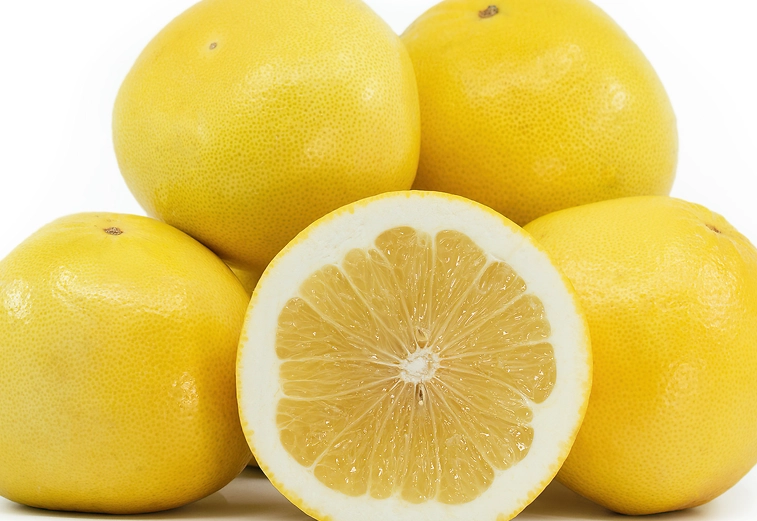
How to Actually Eat a Yellow Grapefruit (Beyond the Spoon)
If you just scoop it with a spoon and find it too bitter, you're missing out. Its strength is as a component, not just a solo act.
The Prep: Segmenting is Your Friend
Cutting it into halves and attacking it with a serrated spoon is messy and leaves behind the bitter pith. Take 5 minutes to supreme it. Slice off the top and bottom, cut away the peel and white pith in strips, then slice along the membrane of each segment to release perfect, pith-free jewels. You'll waste less and enjoy it more.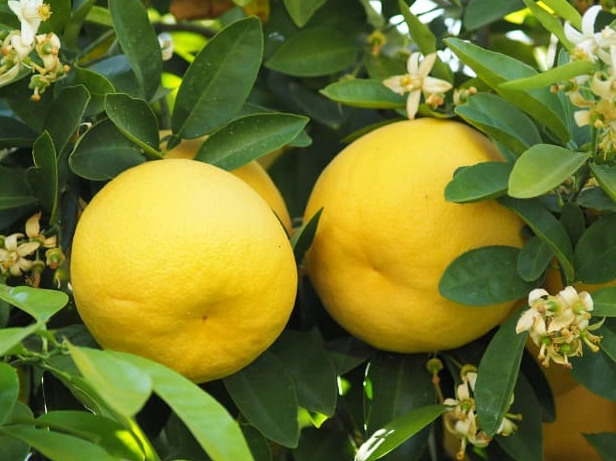
Flavor Pairings That Work Magic
The bitterness needs a counterpoint. Here’s where to start:
- Salt: A tiny pinch of flaky sea salt on fresh segments is transformative. It suppresses bitterness and amplifies sweetness.
- Fat & Creamy: Think avocado, burrata, goat cheese, coconut milk. The richness balances the acid and bite.
- Herbs: Mint, basil, tarragon, and cilantro love citrus. Tear them over a grapefruit salad.
- Spices: Chile flakes (trust me), black pepper, sumac, and even a touch of smoked paprika.
- Sweeteners: Honey, maple syrup, or brown sugar, but use a light hand. You're complementing, not masking.
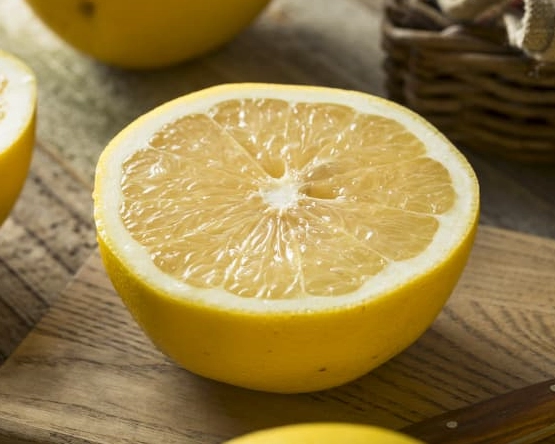
Three Simple Recipes to Try Tonight
1. The Ultimate Winter Salad: Segment one yellow grapefruit. Toss with a handful of bitter greens (arugula, radicchio), some creamy avocado slices, and a few shavings of ricotta salata or Parmesan. Dress with olive oil, the grapefruit juice, salt, and pepper.
2. Broiled Grapefruit with a Kick: Halve the grapefruit. Run a knife around the segments. Drizzle with half a teaspoon of honey and a tiny sprinkle of chili powder or cayenne. Broil for 3-5 minutes until caramelized and bubbling. Eat warm.
3. The Proper Greyhound: Skip the bottled juice. Juice half a yellow grapefruit (about 2 oz). Shake with 1.5 oz of good vodka and ice. Strain into a chilled coupe glass. Garnish with a twist of the grapefruit peel. Simple, strong, perfect.
The Health Powerhouse: What's Really in There?
Yes, it's full of vitamin C. But that's the headline act; the supporting cast is impressive. According to nutrient data from the USDA, one half of a medium yellow grapefruit provides over 70% of your daily Vitamin C, a good dose of fiber (about 2 grams), and potassium.
The real stars are the phytonutrients. The high naringin content isn't just about taste—it's a potent antioxidant and anti-inflammatory compound studied for potential benefits in metabolic health. The pink and red varieties have lycopene, but the yellow ones hold their own with other flavonoids.
Let's address the elephant in the room: grapefruit and medication. This warning is serious and specifically linked to compounds called furanocoumarins found in grapefruit (both yellow and red). They can interfere with the enzymes that break down certain drugs, leading to dangerous levels in your system. This isn't a minor interaction. If you're on statins, some blood pressure meds, or immunosuppressants, you must check with your doctor or pharmacist. Don't guess.
For everyone else, it's a low-calorie, hydrating fruit that adds a ton of flavor and nutrients to your diet.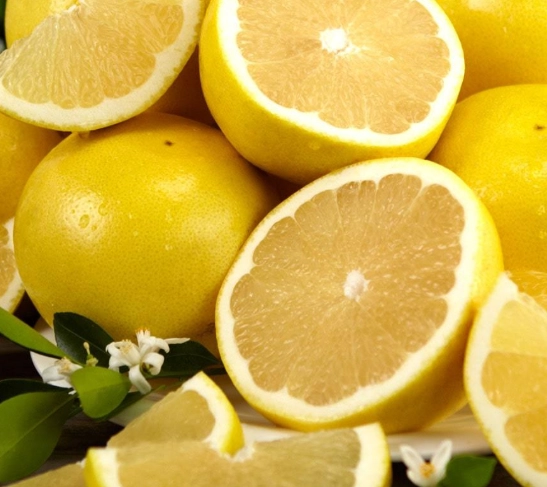
Thinking of Growing Your Own? Read This First.
If you live in USDA zones 9-11 (think Florida, Southern California, parts of Texas), you can try. You'll need a grafted sapling of a variety like 'Duncan' or 'Marsh' from a reputable nursery—don't try from seed, it'll take forever and the fruit will be unpredictable.
They need full, blazing sun and well-drained soil. The biggest mistake I see home growers make is over-loving them with water and nitrogen-heavy fertilizer. You get a beautiful, leafy tree that produces bland, dry fruit. Citrus likes to be fed a balanced, slow-release fertilizer a few times a year and then left to stress a little. That stress builds sugars and flavor in the fruit.
It's a 5+ year commitment for a decent harvest. For most people, finding a local farmer's market where you can buy tree-ripened fruit is a much smarter move.
Your Yellow Grapefruit Questions, Answered
So, next time you're in the produce aisle, give the yellow grapefruit a second look. Don't expect a sugary treat. Expect a vibrant, challenging, and incredibly versatile ingredient. Pick a heavy one, supreme it, toss it with some salty cheese and peppery greens, and taste what the original grapefruit was all about.
Reader Comments