Quick Guide
- Why Your Apple Choice Makes or Breaks the Pie
- The Anatomy of a Perfect Pie Apple: It's All About the Bite
- The Top Contenders: A Breakdown of What Apple is Good for Pies
- The Champion's Strategy: Why Blending Apples is the Real Pro Move
- Beyond the Variety: Practical Tips for Pie Success
- Answering Your Pie Apple Questions (FAQ)
- The Final Verdict: Stop Searching, Start Baking
You know that feeling. You’re standing in the grocery store, staring at a mountain of apples, and your brain just goes blank. Fuji, Gala, Pink Lady, Granny Smith… they all look good. But which one won’t turn your beautiful pie into a sad, mushy puddle or a brick of dry cardboard? Figuring out what apple is good for pies is the first and most important battle in the war for perfect dessert. Get it wrong, and no amount of fancy lattice work can save you.
I’ve been there. I once made a pie with only Red Delicious apples (a gift from a well-meaning neighbor). Let’s just say the texture was… memorable, and not in a good way. It was a lesson learned the hard way. So let’s skip the guesswork and the grocery store panic. This isn't about fancy chef secrets; it's about understanding what happens to an apple when it meets heat, sugar, and time.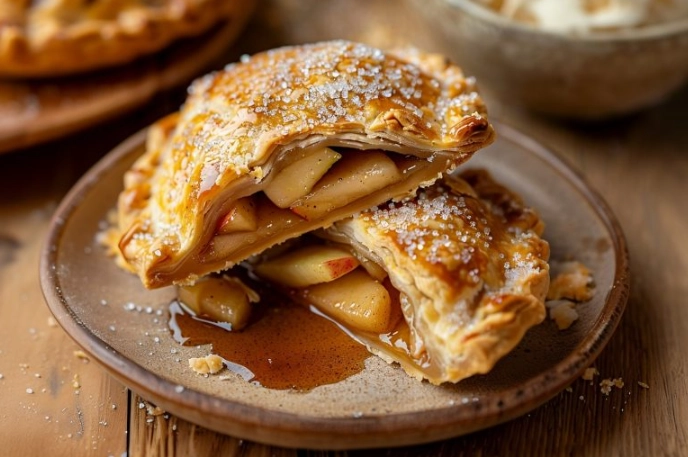
Why Your Apple Choice Makes or Breaks the Pie
Think of your apple as the main actor in a play. If it’s flimsy and disappears under pressure (heat), the whole production falls apart. When you bake a pie, you're asking the apple to do some heavy lifting. The cell walls break down, pectin (the natural glue in fruit) softens, sugars caramelize, and water releases. An apple that's good for pies needs to navigate this gauntlet with grace.
A soft apple like a McIntosh will basically dissolve into applesauce. That’s great for apple sauce, but for pie? You’ll end up with a filling that's homogenous and lacks any satisfying bite. On the other end, an apple that’s too waxy or dense might not break down enough, leaving you with hard, crunchy pieces that feel undercooked. The magic lies in the middle ground.
And flavor! Baking concentrates flavor. A bland apple becomes… well, more concentrated blandness. A tart apple mellows and complexifies. A sweet apple can become cloying if not balanced. So when you're puzzling over what apple is good for pies, you're really solving a two-part equation: texture and taste.
The Anatomy of a Perfect Pie Apple: It's All About the Bite
Let's break down what we're looking for. Forget variety names for a second. Think characteristics.
Firm-to-Crisp Texture
This is non-negotiable. The apple needs to have dense, tightly packed cells. When you bite into a raw one, it should offer serious resistance with a loud *crunch*. This physical structure translates to what bakers call "holdability." These apples soften beautifully when baked but maintain distinct pieces. You want to see defined slices or chunks in your finished pie, not a uniform puree.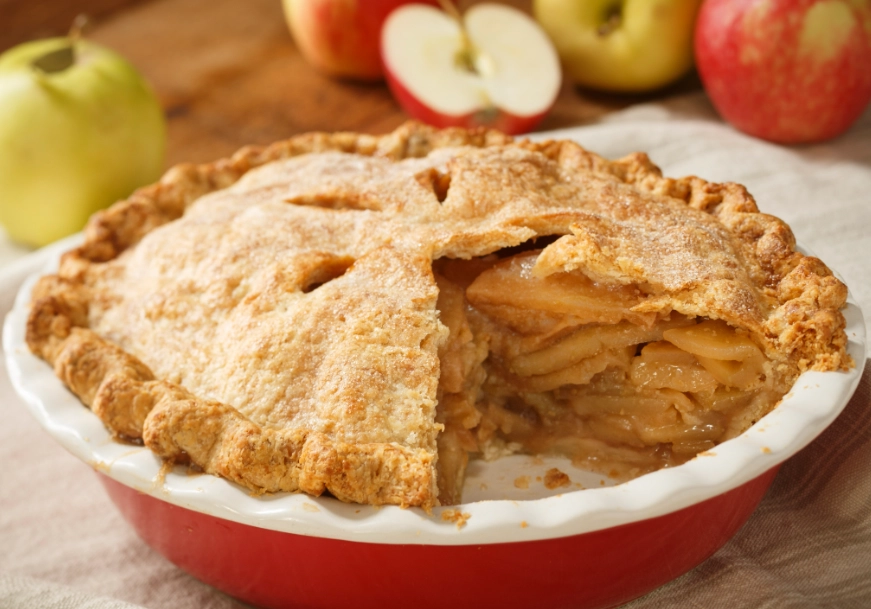
Balanced Flavor Profile
Pure sugar bombs can be overwhelming. The best pie apples have a bright acidity—a tang—that cuts through the sweetness of the sugar and the richness of the butter crust. This tartness creates a more sophisticated, layered flavor. That sour kick is what makes you go back for another bite.
Low Moisture Content (Relatively)
Apples release water as they cook. Too much juice is the enemy of a crisp bottom crust; it leads to the dreaded "soggy bottom." Firmer apples tend to have less free water, so they won't flood your pie. Some water is good—it mixes with sugar and spices to create that glorious syrupy sauce—but it needs to be controlled.
The Top Contenders: A Breakdown of What Apple is Good for Pies
Okay, let's get to the names you recognize. Not all apples are created equal for this job. Here’s a detailed look at the usual suspects, the heroes, and the ones to maybe avoid.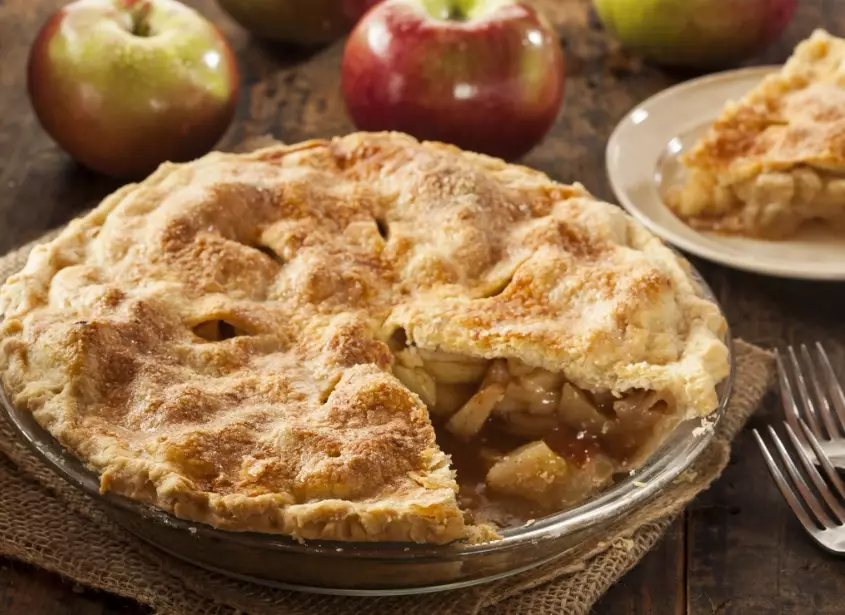
| Apple Variety | Flavor Profile | Texture When Baked | Best For... | My Personal Take |
|---|---|---|---|---|
| Granny Smith | Very tart, sharp, tangy | Holds shape exceptionally well, softens but stays intact | The classic choice. Perfect for those who love a tangy pie. Often used in blends. | A reliable workhorse. Sometimes a bit one-dimensional on its own, but it's a fantastic base. |
| Honeycrisp | Very sweet with mild tartness | Crisp raw, holds shape fairly well, can become tender | A modern favorite. Sweet enough that you can often reduce added sugar. | Expensive, but the flavor is incredible. Can be almost too sweet for some. Watch the juice. |
| Braeburn | Perfect sweet-tart balance, spicy notes | Firm, holds shape perfectly, creates a great sauce | An all-around superstar. Often cited by pros as the ideal pie apple. | My personal favorite for a single-variety pie. Consistently excellent. |
| Jonagold | Sweet-tart blend (Jonathan + Golden Delicious) | Tender but holds, softens nicely | A great dual-purpose apple. Excellent in pies and for eating. | A bit softer than Braeburn, but the flavor complexity is top-notch. |
| Northern Spy | Tangy and aromatic | Firm, excellent keeper, bakes to a tender-but-defined texture | The old-fashioned champion. Harder to find but worth the hunt. | If you see these, buy them for pie. They have a cult following for a reason. |
| Golden Delicious | Mild, sweet, buttery | Softens considerably, can become mushy if overbaked | Best in a blend. Adds sweetness and creaminess to the filling texture. | I rarely use it alone. It needs a firmer partner to provide structure. |
| Pink Lady (Cripps Pink) | Tangy-sweet with a citrusy finish | Very firm, holds its shape stubbornly well | Great for pies where you want pronounced apple pieces. Long baking time friendly. | A fantastic keeper. Their firmness is almost legendary. A safe bet. |
See, it’s not just about picking one. It’s about knowing their personalities. A Honeycrisp is the popular, sweet kid. A Granny Smith is the sharp, reliable friend. A Northern Spy is the wise, old-timer with all the secrets.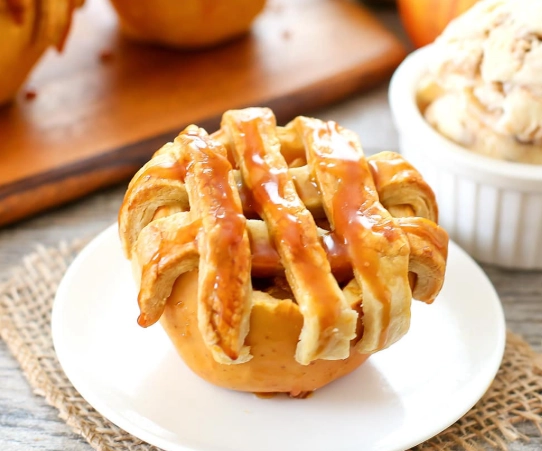
Red Delicious: I’ll say it. They’re beautiful and terrible for pie. Mealy texture, bland flavor that vanishes when baked. Just don't do it. Save them for the lunchbox.
McIntosh: They turn to complete mush. Wonderful for sauce, tragic for pie structure.
Gala & Fuji: These are fantastic eating apples—sweet, crisp, enjoyable. But for pie, they often lack the necessary acidity and can be a bit too soft, leaning towards mushiness if you’re not careful. They can work in a pinch in a blend, but they wouldn't be my first, second, or third choice.
The Champion's Strategy: Why Blending Apples is the Real Pro Move
Asking what apple is good for pies is actually the wrong question. The right question is: what *apples* are good for pies? This is the single biggest tip I can give you. Blending two or three different types is the secret weapon of bakers who know.
Why? Because it gives you complete control over the final texture and flavor. You can build a custom pie profile.
- For Structure & Tang: Use 60% Granny Smith or Northern Spy.
- For Sweetness & Aroma: Add 40% Honeycrisp or Braeburn.
- For Creamy Background Notes: Mix in a handful of Golden Delicious (maybe 20% of the total).
My go-to, never-fail blend is 50% Granny Smith, 30% Braeburn, and 20% Honeycrisp. The Grannies provide the backbone and tartness, the Braeburn adds complexity and perfect baking texture, and the Honeycrisp brings a floral sweetness that elevates everything. It just works. Every single time.
Beyond the Variety: Practical Tips for Pie Success
Choosing the right apple is 70% of the battle. The other 30% is what you do with it.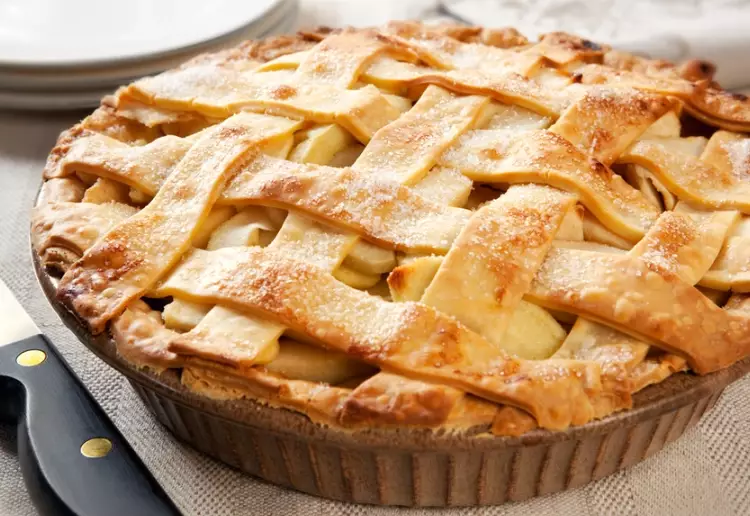
Slice Thickness Matters
Thin slices (about 1/4 inch) will weave together and create a more cohesive, almost jam-like layer. Thicker chunks (1/2 inch or more) will give you distinct, pot-roast-style pieces of apple in every bite. I prefer chunks for texture, but slices are more traditional. Uniformity is key so everything cooks evenly.
To Precook or Not to Precook?
This is a hot debate. Some swear by precooking the apples slightly on the stovetop to drive off excess moisture and concentrate flavor. It definitely prevents a gap between the top crust and shrunken filling. Others (like me, most of the time) prefer the simplicity of raw fillings—the apples cook in their own juices right in the oven. If you use firm apples and a hot oven, shrinkage is minimal. If you're using juicier apples like Honeycrisp, a quick precook can save your bottom crust.
Seasoning is Everything
Cinnamon is a must, but don't stop there. A pinch of nutmeg (freshly grated if you can), a scrape of cardamom, or a tiny bit of allspice adds depth. Don't forget the salt—just a quarter teaspoon to make all the flavors pop. A tablespoon of lemon juice brightens everything up, especially if your apple blend is on the sweeter side. Cornstarch or tapioca flour is your friend for thickening the juices; follow your recipe's guidance.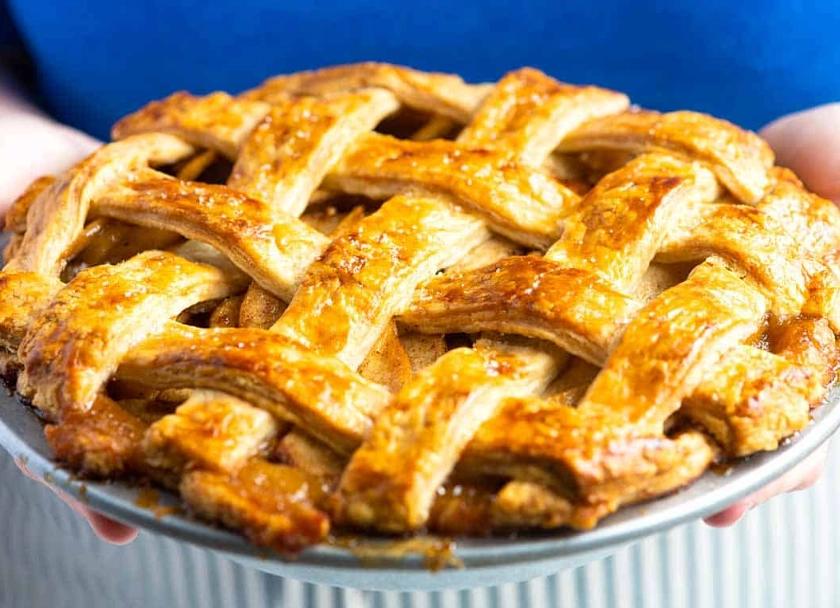
Answering Your Pie Apple Questions (FAQ)
Can I use any apple I have on hand?
You *can*, but you might not be happy with the result. A pie made with soft eating apples (like McIntosh or Red Delicious) will be soupy and lack structure. It's always better to choose a variety known for baking. If you're desperate, use what you have but try to precook the filling to evaporate more liquid and expect a softer texture.
What is the absolute best apple for apple pie?
There's no single "best." It depends on your taste. If you want perfect structure and bright tartness, Granny Smith or Northern Spy are champions. If you want the best balance of sweet, tart, and texture that holds, Braeburn is incredibly reliable. For many bakers, the "best" is a blend of 2-3 varieties. For authoritative information on apple varieties and their characteristics, resources like the U.S. Apple Association website can be helpful for general variety knowledge.
Are Gala or Fuji apples good for pies?
They're… okay in a blend, but not ideal as the sole apple. They are sweet, low in acid, and can get mushy. If you use them, mix them with a firmer, tarter apple like Granny Smith (at a 1:2 ratio) and maybe add an extra squeeze of lemon juice for balance.
How do I prevent a soggy bottom crust?
Ah, the eternal quest! 1) Use firmer, less juicy apples. 2) Blind bake your bottom crust for 10-15 minutes before adding the filling. 3) Place your pie plate on a preheated baking sheet or pizza stone to blast heat into the bottom. 4) Ensure your oven is fully preheated. 5) Let the pie cool completely on a wire rack so the filling sets.
Can I use frozen apples?
Yes, but don't thaw them first! Toss frozen apple slices directly with your sugar and thickener (you might need a bit more thickener as freezing breaks down cell walls and releases more liquid). Bake directly from frozen, adding maybe 10-15 minutes to the baking time. Research from institutions like Washington State University Extension often covers food preservation techniques, including freezing fruit.
The Final Verdict: Stop Searching, Start Baking
So, what apple is good for pies? The answer isn't in a single name. It's in understanding the principles: firmness, flavor balance, and the power of the blend.
If you're at the store tomorrow and need a simple, bulletproof plan, here it is:
- Grab two Granny Smith apples.
- Grab two Honeycrisp or Braeburn apples.
- Slice them into thick chunks.
- Mix them with your sugar, spices, thickener, and a splash of lemon juice.
- Bake with confidence.
You'll get a pie with layers of flavor—bright tartness, mellow sweetness, and spices that sing. You'll get a texture that's tender but substantial, with little pools of syrupy sauce clinging to each distinct piece of apple. That’s the goal. That’s the pie worth making.
Now you know more than just what apple is good for pies. You know *why*. So go clear off the counter, dust off the rolling pin, and make a pie that puts the grocery store bakery to shame. You've got this.
Reader Comments