Quick Guide
- What Exactly Is a Bell Pepper Plant, Anyway?
- First Steps: Choosing Your Bell Pepper Variety
- Getting Started: Seeds vs. Seedlings & The All-Important Warmth
- The Care and Feeding of Your Bell Pepper Plant
- Solving the Inevitable Problems (AKA, What's Wrong With My Plant?!)
- The Grand Finale: Harvesting and Storing Your Bounty
- Going a Step Further: Advanced Tips for the Obsessed
Let's be honest. You've probably picked up a shiny red bell pepper from the grocery store and thought, "I could grow this." It looks so sturdy, so full of potential. Then you get a seedling home, and a few weeks later you're staring at a sad-looking plant with yellow leaves and maybe one lonely pepper. I've been there. More times than I'd like to admit.
But here's the thing – growing a healthy, productive bell pepper plant isn't rocket science. It's about understanding a few key things this plant desperately needs. It's not a "set it and forget it" crop like some herbs. It's a bit of a diva, craving warmth, steady food, and just the right amount of water. Get those right, and you'll be giving away peppers to your neighbors.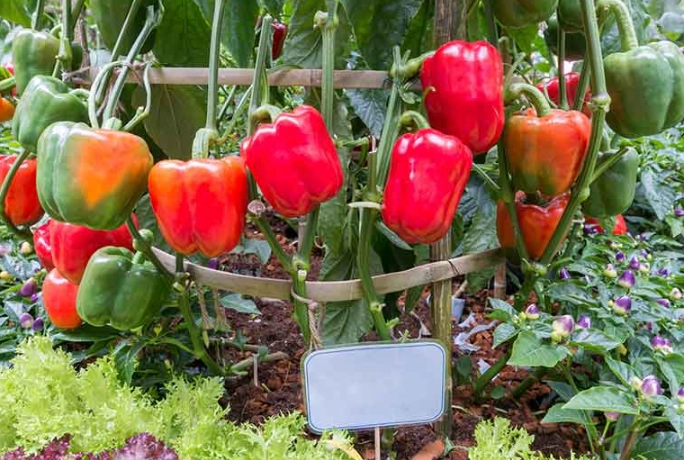
This guide is everything I wish I knew when I killed my first three pepper plants. We'll walk through it all, from picking the right seed to dealing with those pesky aphids. No fluff, just the practical stuff that actually works.
What Exactly Is a Bell Pepper Plant, Anyway?
Before we dig in (pun intended), let's get our terms straight. When we say "bell pepper plant," we're usually talking about Capsicum annuum 'Grossum Group'. That's the fancy botanical name for the sweet, hollow peppers we stuff, slice into salads, and roast. They're cousins to hot peppers, but thanks to a recessive gene, they don't produce capsaicin, the compound that makes chilies spicy.
Think of the bell pepper plant as a tropical perennial that we treat like an annual in most climates. It loves heat. It hates cold feet (wet roots). It's a heavy feeder. Knowing this personality is half the battle.
First Steps: Choosing Your Bell Pepper Variety
This is where most people just grab whatever seedling looks healthiest at the garden center. Big mistake. That plant might be totally wrong for your climate or your patio pot. Choosing the right variety is your first major decision.
You've got classics like 'California Wonder' (reliable, blocky fruits) and 'Big Bertha' (huge yields). But have you considered the newer hybrids? Many are bred for disease resistance, which is a massive help for beginners. Look for codes on the seed packet or plant tag like "HR: BLS 1-3" which means it's resistant to certain bacterial leaf spot strains. The University of Minnesota Extension has a great breakdown of what these disease codes mean.
My personal favorite for containers is 'Lunchbox' or 'Mini Belle'. They're smaller plants but produce a ton of cute, snack-sized peppers all season. For sheer wallop in a traditional garden bed, you can't beat 'King of the North' if you have a shorter season – it ripens earlier than most.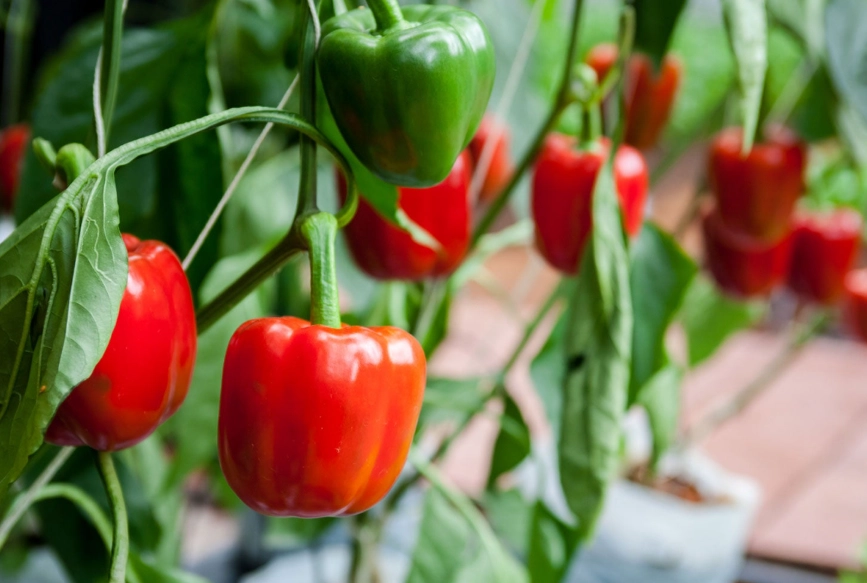
| Variety | Best For | Days to Maturity | Key Trait |
|---|---|---|---|
| California Wonder | Beginners, All-Purpose | 75 days | Classic, reliable, thick-walled |
| Big Bertha | Garden Beds, Large Yield | 72 days | Huge peppers, high producer |
| Purple Beauty | Containers, Visual Interest | 70 days | Starts purple, ripens to red |
| King of the North | Cooler Climates | 65-70 days | Early ripener, cold-tolerant |
| Lunchbox Red | Pots, Small Spaces, Kids | 55-65 days | Mini peppers, continuous harvest |
See? A little research here saves a lot of disappointment later. Don't just pick the prettiest picture.
Getting Started: Seeds vs. Seedlings & The All-Important Warmth
If you're new to this, I strongly recommend starting with healthy seedlings from a reputable nursery. Starting bell peppers from seed indoors requires a good 8-10 week head start before your last frost, a warm seed-starting mat, and strong grow lights. It's a commitment. Buying a seedling gets you a month-long head start.
But whenever you start, the number one rule is warmth. This is non-negotiable. Soil temperature should be at least 70°F (21°C) for seeds to germinate or for seedlings to take off. Planting a bell pepper plant in cold soil will stunt it for the entire season. I learned this the hard way – the plants just sit there, looking miserable, while the tomatoes nearby zoom ahead.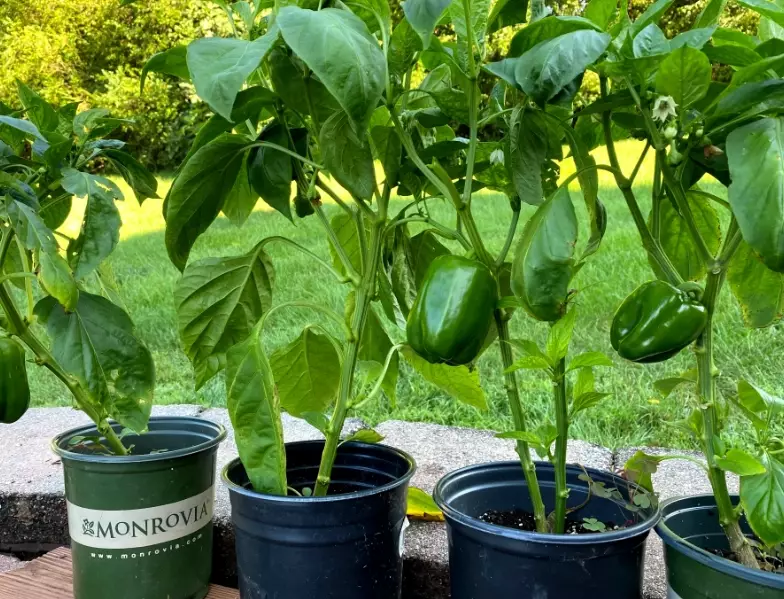
Prepping the Perfect Home: Soil and Site
Bell pepper plants are greedy when it comes to food and fussy about their footing. They need soil that's:
- Rich: Loaded with organic matter like compost.
- Well-Draining: They hate soggy roots. If your soil is heavy clay, raise your beds or plant in mounds.
- Slightly Acidic: A pH between 6.0 and 6.8 is ideal. A simple soil test kit can tell you where you stand.
Full sun is mandatory. At least 6-8 hours of direct, unfiltered sunlight. Less than that and you'll get a leggy plant with few fruits.
The Care and Feeding of Your Bell Pepper Plant
Okay, your plant is in the ground or a big container (at least 5 gallons). Now the real work begins.
Watering: The Goldilocks Principle
Not too much, not too little. This is the trickiest part for most people. Bell pepper plants need consistent moisture, especially once flowers and fruits appear. But "consistent" doesn't mean "constantly wet."
A deep watering once or twice a week that soaks the root zone is better than daily sprinkles that just wet the surface. Let the top inch of soil dry out before watering again. Stick your finger in the soil. Is it dry? Water. Is it damp? Wait.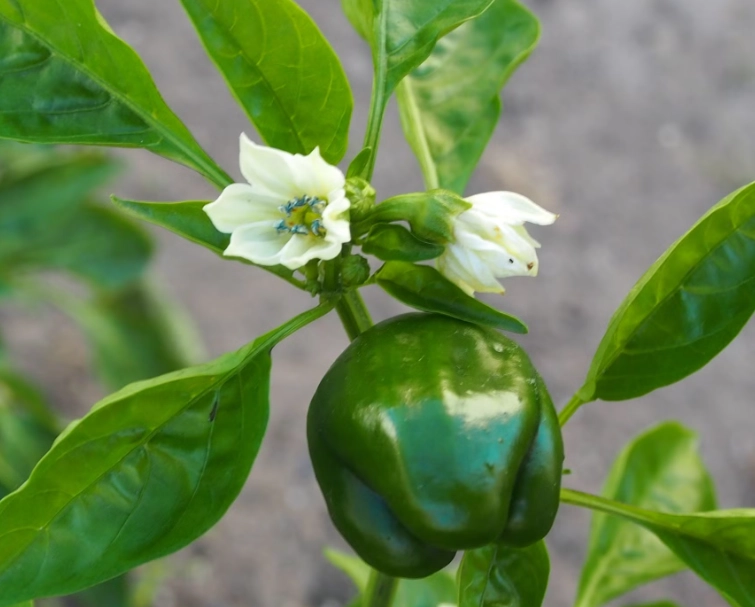
Overwatering is a silent killer. It leads to root rot and invites fungal diseases. Underwatering, especially during fruit set, causes blossom-end rot (more on that nightmare later).
Feeding: They're Hungry Hippos
Remember, heavy feeders. I mix a generous amount of compost and a balanced, slow-release organic fertilizer into the planting hole. Then, once the first fruits are about the size of a marble, I start with a liquid feed every two weeks. Look for a fertilizer with a good amount of phosphorus and potassium (the second and third numbers on the bag, like 5-10-10) to promote flowering and fruiting, not just leaves.
Some gardeners swear by adding a tablespoon of Epsom salt (magnesium sulfate) dissolved in water monthly to prevent magnesium deficiency, which shows up as yellowing between the leaf veins. It's a cheap experiment that often helps.
Support and Pruning: To Snip or Not to Snip?
A loaded bell pepper plant can get top-heavy. Staking or using a small tomato cage when the plant is young prevents it from toppling over later. Trust me, there's nothing sadder than finding a branch heavy with almost-ripe peppers snapped on the ground after a storm.
As for pruning… it's debated. Some gardeners pinch off the first few flowers to encourage the plant to grow bigger before fruiting. Others (like me, most seasons) are too impatient and let it go. If your plant is getting very bushy and dense, selectively removing a few inner branches can improve air circulation and reduce disease. Do what feels right for your garden.
Solving the Inevitable Problems (AKA, What's Wrong With My Plant?!)
Here's where we get real. Something will go wrong. It's gardening. The key is not to panic and identify the issue quickly.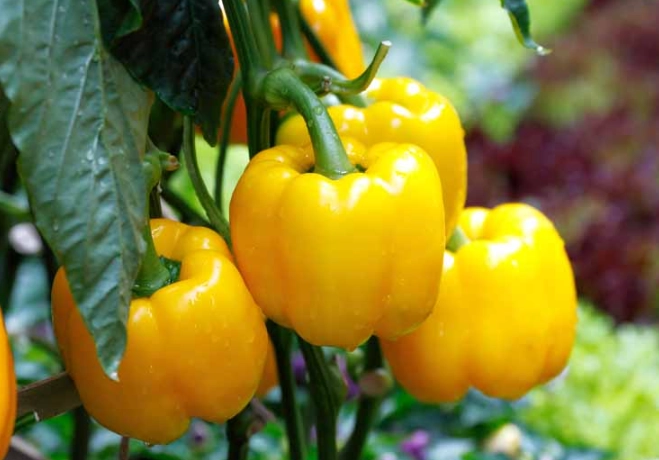
Pests: The Usual Suspects
- Aphids: Tiny green or black bugs clustered on new growth. Blast them off with a strong jet of water from your hose. Introduce ladybugs. In severe cases, use insecticidal soap.
- Hornworms: Large, green caterpillars that can strip a plant overnight. Hand-pick them (they're camouflaged well) and drop them in soapy water.
- Flea Beetles: Tiny black beetles that make shotgun-like holes in leaves. Use floating row covers when plants are young. Diatomaceous earth can help.
The Penn State Extension guide to pepper diseases is a fantastic resource for identifying weird leaf spots and wilts. Bookmark it.
Diseases and Physiological Disorders
Often, the problem isn't a bug, but a cultural issue.
Blossom End Rot: This is the heartbreaker. A dark, sunken, leathery spot forms on the bottom of the fruit. It's not a disease! It's a calcium deficiency in the fruit, almost always caused by irregular watering. The plant can't transport calcium to the fruit when the soil moisture yo-yos. The fix? Consistent, deep watering and mulching to retain soil moisture. Adding more calcium to the soil usually doesn't help if the watering isn't fixed.
Sunscald: Pale, white, papery patches on peppers exposed to direct, harsh sun. It happens after a period of cloudy weather followed by intense sun, or if you've over-pruned and exposed the fruits. The leaves are there to shade the fruit. Leave them be.
The Grand Finale: Harvesting and Storing Your Bounty
You've nurtured your bell pepper plant for months. Now for the reward!
When to Harvest: You can pick peppers at any size once they feel firm. Green peppers are mature but not fully ripe. For colored varieties (red, yellow, orange), you must let them ripen on the plant. They will change color and become sweeter. Use pruning shears or a sharp knife to cut the pepper off with a short stub of stem. Don't yank it, or you might damage the branch.
How to Store: Fresh-picked, unwashed bell peppers do best in the crisper drawer of your fridge. They'll last 1-2 weeks. For longer storage, you can chop and freeze them (they'll be soft when thawed, perfect for cooking), or roast and preserve them.
One healthy bell pepper plant can give you 5-10 peppers over the season, sometimes more. That's a great return on investment for a bit of care.
Going a Step Further: Advanced Tips for the Obsessed
Once you've kept a plant alive and harvested a few peppers, you might want to up your game.
Overwintering: In frost-free climates or if you have a bright indoor space, you can try to keep your bell pepper plant alive over winter. Prune it back heavily, pot it up if it's in the ground, and bring it inside. It will go semi-dormant. With increased light and warmth in spring, it will leaf out again and produce a very early crop. It's a fun project.
Companion Planting: Plant basil, marigolds, or onions near your peppers. Many gardeners believe this helps repel pests. At the very least, it makes your garden prettier and more diverse.
Seed Saving: If you're growing an heirloom variety (not a hybrid), you can save seeds from your best pepper. Let the fruit ripen fully on the plant until it's almost starting to wrinkle. Scoop out the seeds, dry them thoroughly on a paper plate for a week, and store them in a cool, dark place. The Royal Horticultural Society has excellent, detailed guidance on seed saving techniques.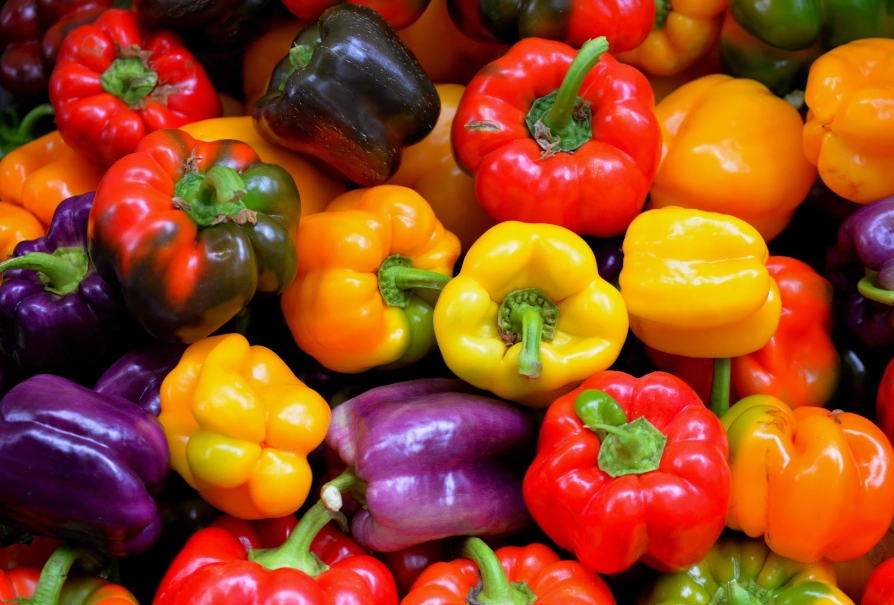
Reader Comments