Let's be honest. You're not searching for an easy orange chicken sauce recipe because you want a weekend culinary project. You want that sticky, sweet, tangy, and savory sauce that coats crispy chicken, the one you usually get from a takeout box. But you want it now, you want control over what's in it, and you don't want to spend $20. Good news: the secret isn't a secret at all. It's a simple balance of a few pantry staples you probably already have. I've made this sauce more times than I can count—sometimes brilliantly, sometimes learning from gloopy or bland mistakes. This guide is the result: a foolproof path to a sauce that's actually better than most takeout versions.
Skip to What You Need
Why This Homemade Sauce Beats Takeout Every Time
It's not just about saving money, though that's a nice perk. When you make your own easy orange chicken sauce, you're in the driver's seat.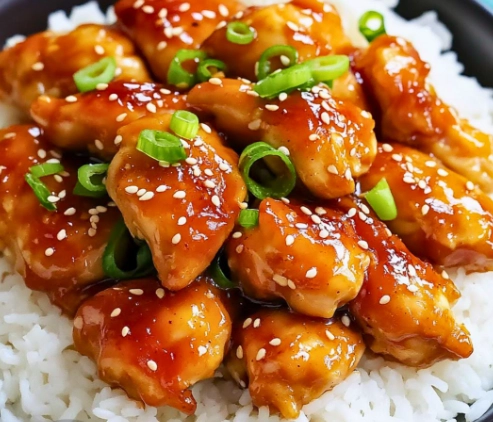
You control the sugar. Most restaurant versions are cloyingly sweet. Here, you can dial it back or use honey or maple syrup. You know exactly what's in it—no mysterious "natural flavors" or excessive sodium. The flavor is brighter, fresher, because you're using real citrus juice and zest. And the best part? It takes about 10 minutes of active work, from grabbing the soy sauce bottle to pouring that glossy sauce over your chicken. Once you see how simple the formula is, you'll never look at a takeout menu the same way.
The Ingredients: What Each One Really Does
Think of this as your flavor blueprint. Every component has a job.
| Ingredient | Its Role in the Sauce | Quick Substitution Tip |
|---|---|---|
| Fresh Orange Juice & Zest | Provides the essential bright, sweet-tart base. Zest adds intense citrus oil flavor without extra liquid. | Bottled juice works in a pinch, but zest is non-negotiable for depth. |
| Soy Sauce | The savory, salty backbone (umami). It balances the sweetness. | Use tamari for gluten-free, or coconut aminos for a less salty, soy-free option. |
| Rice Vinegar | Adds a clean, mild acidity that makes the flavors pop. It's less harsh than other vinegars. | Apple cider vinegar (use slightly less) or white wine vinegar. |
| Brown Sugar | Creates the signature sweetness and helps with caramelization and gloss. | White sugar, honey, or maple syrup. Honey will make it thicker. |
| Fresh Garlic & Ginger | The aromatic punch. Grated fine, they dissolve into the sauce, creating complexity. | Pastes or very finely minced jarred versions can work, but fresh is superior. |
| Cornstarch Slurry | The magical thickener. Mixed with cold water, it transforms the thin liquid into a glossy, clingy sauce. | Arrowroot powder works similarly. Don't use flour—it makes the sauce cloudy. |
| Red Pepper Flakes or Sriracha | A hint of heat that cuts through the sweetness. This is what separates a good sauce from a great one. | A dash of chili-garlic sauce or a pinch of cayenne pepper. |
See? Nothing weird. The magic is in the combination.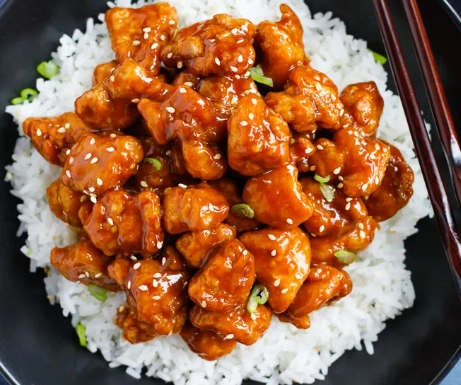
The Foolproof Step-by-Step Process
Here’s exactly what to do. I’m assuming you’ve already got your chicken cooked—whether it’s air-fried, pan-fried, or baked. This is all about the sauce.
1. Zest and Juice Your Orange
Wash one large orange. Use a microplane or fine grater to get the zest—just the bright orange part, not the bitter white pith. You want about a tablespoon. Then, cut and juice it. You need about 3/4 cup of juice. Pro tip: roll the orange on the counter firmly before cutting to get more juice out.
2. Build the Flavor Base
In a medium saucepan, combine the orange juice, soy sauce (1/3 cup), rice vinegar (2 tablespoons), brown sugar (1/3 cup, packed), and your grated garlic (2 cloves) and ginger (1 tablespoon). Whisk it together over medium heat. Don't add the cornstarch yet. Let this mixture come to a gentle simmer. This is where the flavors start to marry. Taste it. Too sweet? Add a splash more vinegar. Not sweet enough? A pinch more sugar. This is your chance to adjust.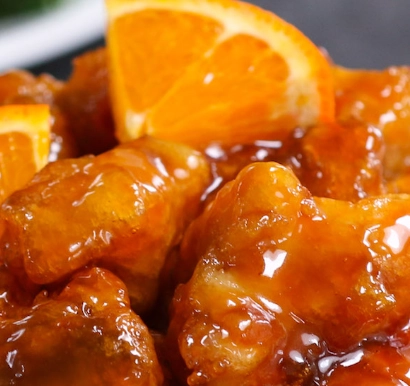
3. The Critical Thickening Step
In a small separate bowl, mix 1.5 tablespoons of cornstarch with 3 tablespoons of COLD water. Stir until it's completely smooth—no lumps. Now, while your saucepan mixture is simmering, slowly pour in the slurry while whisking constantly. This is key: keep whisking.
The #1 Mistake People Make: They add the slurry, give it a lazy stir, and wonder why the sauce stays thin or gets lumpy. You must whisk actively and bring the sauce back to a full, rolling boil. The cornstarch needs that high heat to activate. Once it hits a boil, you'll see it transform from milky to perfectly clear and glossy in about 30 seconds. Let it bubble for another 30 seconds to cook out the starchy taste, then immediately remove it from the heat.
4. Finish and Toss
Stir in the orange zest and a pinch of red pepper flakes (start with 1/4 teaspoon, you can add more). The residual heat will bloom their flavors. Now, simply pour the hot sauce over your cooked chicken pieces (about 1.5 lbs of bite-sized pieces) in a large bowl and toss to coat evenly. Garnish with green onions and sesame seeds if you like.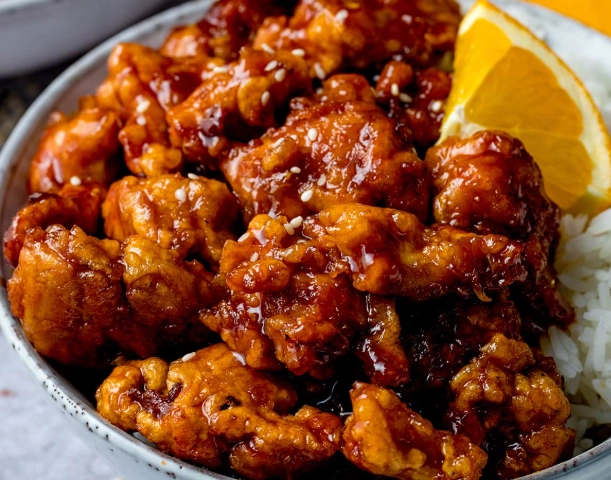
Pro Tips & Tricks You Won't Find on the Back of a Bottle
After years of tweaking, here's what makes a noticeable difference.
Bloom the aromatics. Before adding the liquids, you can sauté the grated ginger and garlic in a tiny bit of oil for 30 seconds. It takes away the raw edge and adds a deeper, toasted note. It's an extra step, but it's a game-changer for flavor depth.
Balance is everything. The perfect orange chicken sauce rides the line between sweet, salty, sour, and umami. If your sauce tastes "flat" or one-dimensional, it's likely missing one. Too sweet? Add vinegar or soy sauce. Too salty? A squeeze of fresh orange juice or a teaspoon of sugar. Taste as you go.
Don't skip the zest. The zest holds the essential oils. It's where the true orange perfume lives. If you only use juice, the flavor will taste diluted and one-dimensional.
For a super glossy sheen, add a teaspoon of neutral oil (like vegetable or avocado) to the finished sauce and whisk it in. It gives it a beautiful restaurant-style lacquer.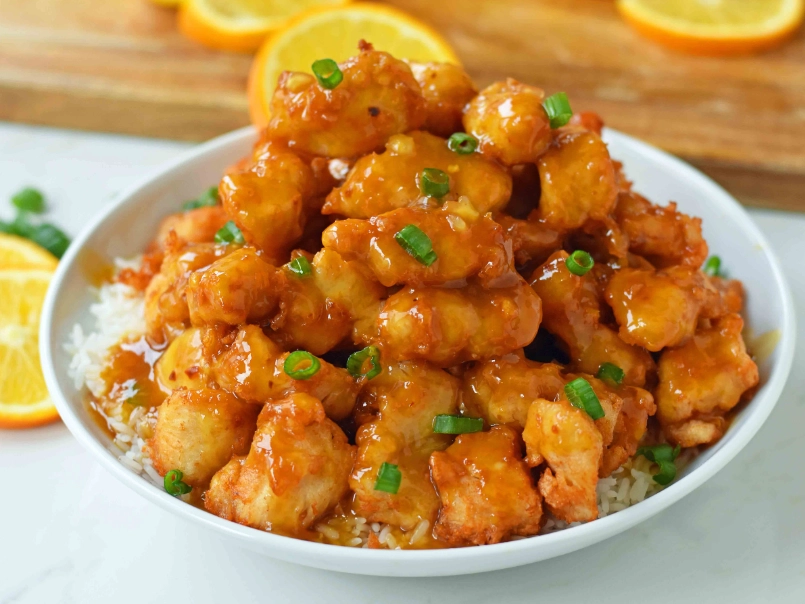
Variations: Make It Your Own
This recipe is a template. Play with it.
Spicy Orange Chicken: Double the red pepper flakes, or add a tablespoon of sambal oelek or gochujang with the liquids for a complex, fermented heat.
Honey Orange Sauce: Replace the brown sugar with 1/4 cup of honey. The flavor is floral and the texture becomes even thicker and stickier.
Pineapple-Orange Twist: Substitute half the orange juice with pineapple juice. It adds a tropical sweetness that's incredible.
For a Healthier Version: Use low-sodium soy sauce, reduce the sugar by a quarter, and thicken with a little less cornstarch. It'll still be delicious.
Storage & Reheating: Make-Ahead Magic
This sauce is a meal-prep hero. Let it cool completely, then store it in an airtight container in the fridge for 4-5 days. The flavors actually improve after a day. You can also freeze it for up to 3 months in a freezer bag or container.
To reheat, do it gently. Microwave in 30-second intervals, stirring in between, or warm it in a saucepan over low heat. If it has thickened too much in the fridge, just add a tablespoon of water or chicken broth and whisk until smooth.
Avoid tossing the sauce with fried chicken if you plan to store leftovers. Store them separately and combine when reheating to keep the chicken crispy.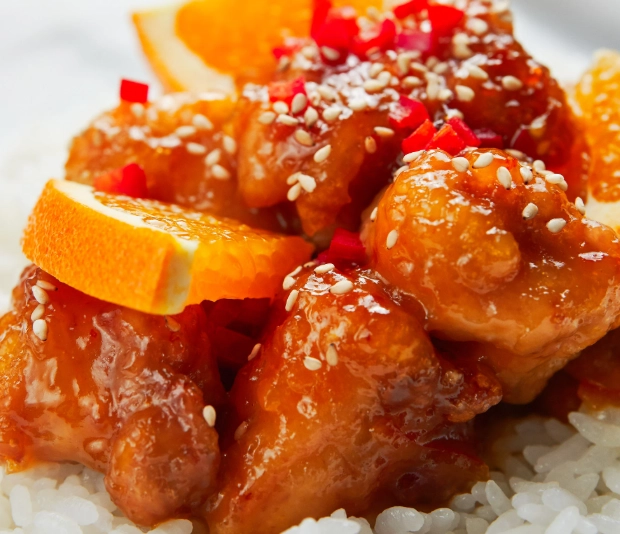
Reader Comments