What’s Inside This Guide
- What Exactly Is an Artichoke? (It's Not as Obvious as You Think)
- Why Bother? The Health and Nutrition Story
- From Store to Kitchen: Picking and Storing Your Artichoke
- The Main Event: How to Prepare and Cook a Whole Artichoke
- Beyond the Whole Bud: Other Ways to Use Artichokes
- Your Artichoke Questions, Answered
- Wrapping It Up
Let's be honest. The first time you see a whole, fresh artichoke, it's a bit intimidating. It looks like a prehistoric thistle someone decided was food. All those tough leaves, the fuzzy choke in the middle... where do you even start? I remember staring at one in the grocery store, thinking it was more suited for a floral arrangement than my dinner plate.
But then I tried one. And wow, was I missing out.
That unique, slightly nutty, earthy flavor. The fun, hands-on way of eating it, leaf by leaf. And the heart? Pure, tender, culinary gold. Once you get past the initial "how-do-I-deal-with-this" phase, the artichoke becomes one of the most rewarding vegetables to cook. It's not just about taste, either. The health benefits are seriously impressive, which is probably why it's been a prized food for centuries, long before we had labs to analyze its nutrients.
This guide is here to demystify the whole thing. We're going to walk through everything you'd ever want to know—what it is, why it's good for you, how to pick a good one, and most importantly, how to turn that spiky globe into something delicious. No fancy chef skills required, I promise.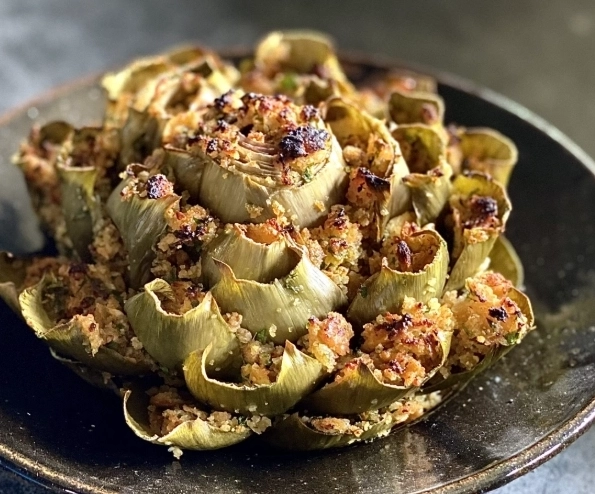
What Exactly Is an Artichoke? (It's Not as Obvious as You Think)
Most of us just see the vegetable. But an artichoke is actually the unopened flower bud of a type of thistle plant, Cynara cardunculus var. scolymus. If you let it grow and bloom, it turns into a stunning, vibrant purple flower. We eat it before that happens, harvesting the bud while it's still tight and compact. That explains the structure—the tough outer leaves (bracts) protect the tender inner heart and that inedible, fuzzy center called the choke.
They have a long history, too. Ancient Romans and Greeks considered them a delicacy and an aphrodisiac. They fell out of favor for a while in Europe but were brought to the Americas by French and Spanish settlers. Today, nearly 100% of the commercial artichoke crop in the U.S. comes from California, with a town called Castroville famously dubbing itself the "Artichoke Center of the World."
Fun (and slightly weird) fact: In 1948, a young Norma Jeane Mortenson (who you know as Marilyn Monroe) was crowned Castroville's first Artichoke Queen. The festival is still a big deal there.
You'll mainly find the big, round Globe artichoke in stores. But there are other varieties. The elongated, pointy Violetta is beautiful, with purple streaks. Baby artichokes aren't a different type; they're just smaller buds that grow lower on the plant. They're more tender, and you can often eat almost the whole thing.
Why Bother? The Health and Nutrition Story
This is where the artichoke really shines. It's not just empty calories or filler. It's a nutritional powerhouse disguised as a weird-looking bud. One medium boiled artichoke (about 120 grams) packs a surprising punch.
The U.S. Department of Agriculture's FoodData Central database is a great resource for nailing down these numbers, and it shows artichokes are loaded with good stuff.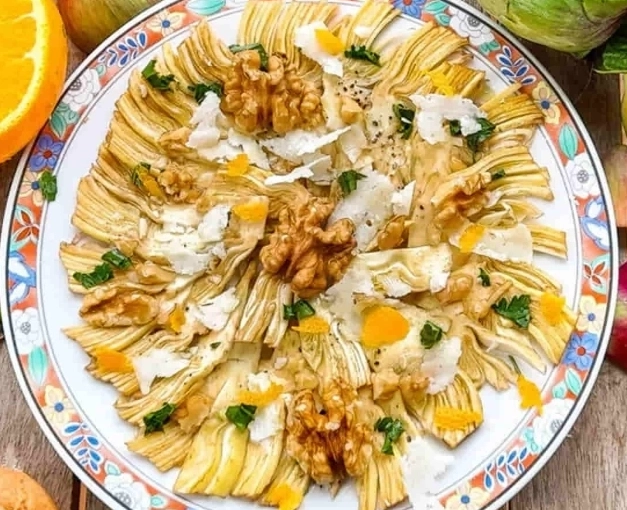
| Nutrient | Amount in 1 Medium Artichoke | Why It Matters |
|---|---|---|
| Fiber | ~7 grams | That's about a quarter of your daily needs! Crucial for gut health, digestion, and keeping you full. |
| Vitamin C | ~15% of Daily Value (DV) | Key for immune function and skin health. More than you'd expect from a non-citrus food. |
| Vitamin K | ~18% of DV | Essential for blood clotting and bone metabolism. |
| Folate | ~17% of DV | Vital for cell growth and especially important during pregnancy. |
| Magnesium | ~15% of DV | Involved in hundreds of biochemical reactions, from muscle function to energy production. |
| Potassium | ~14% of DV | Helps regulate fluid balance, nerve signals, and blood pressure. |
| Antioxidants | High (e.g., Cynarin, Silymarin) | Artichokes are among the most antioxidant-rich vegetables. These compounds fight oxidative stress. |
So what does all that translate to in terms of actual health benefits? Research, including some noted by institutions like the Mayo Clinic when discussing high-fiber and heart-healthy foods, points to some pretty compelling effects.
Potential Health Benefits of Eating Artichokes
- Liver Support: This is a big one. Compounds like cynarin and silymarin are believed to stimulate bile production and protect liver cells. Bile helps your body digest fats and flush out toxins.
- Heart Health Helper: The fiber, potassium, and antioxidants team up here. Fiber can help lower LDL ("bad") cholesterol, potassium helps manage blood pressure, and antioxidants reduce inflammation in blood vessels.
- Digestive Aid: All that fiber is a prebiotic—it feeds the good bacteria in your gut. This can ease symptoms of bloating and indigestion. In fact, artichoke leaf extract is a common supplement for Irritable Bowel Syndrome (IBS) relief.
- Blood Sugar Regulation: The high fiber content slows down the absorption of sugar into the bloodstream, preventing those sharp spikes and crashes.
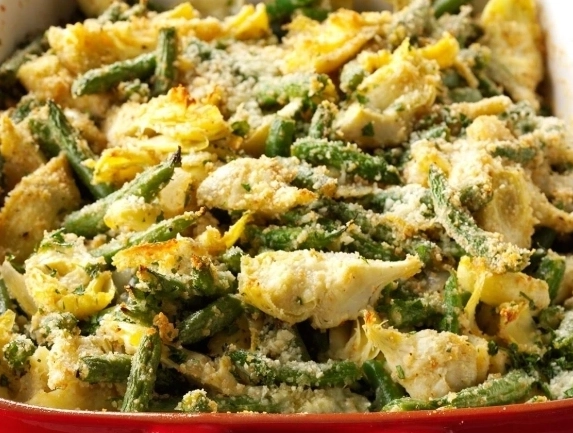
My take: I notice a real difference in my digestion when I eat artichokes regularly. They seem to just make everything... smoother. It's not the most glamorous benefit, but it's a tangible one.
Are there downsides? For most people, artichokes are perfectly safe. But if you have a known allergy to plants in the daisy family (like ragweed or chrysanthemums), you might want to be cautious. Also, because they stimulate bile, people with gallstones or bile duct obstruction should talk to a doctor before going overboard.
From Store to Kitchen: Picking and Storing Your Artichoke
Alright, you're convinced to give it a shot. Here's how to not mess it up before you even start cooking.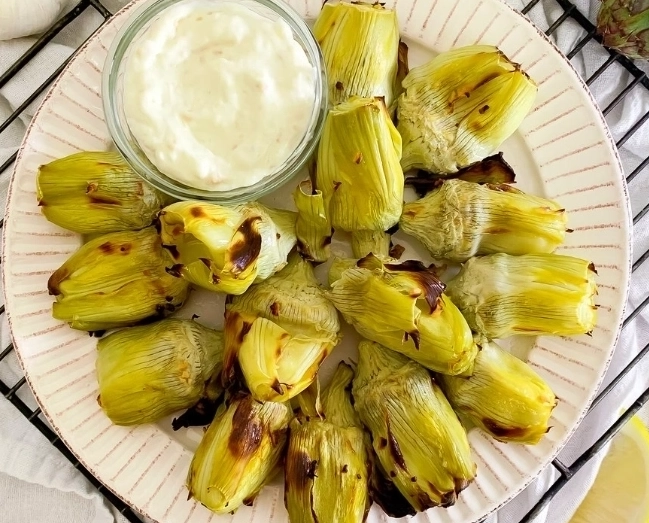
How to Pick a Winner
Head to the produce section. Look for artichokes that feel heavy for their size—that means they're nice and moist inside. The leaves should be tight, compact, and have a vibrant green color (some purple is fine, especially on Violetta varieties). A little bronzing on the outer leaves is okay, it's often just frost kiss from the field. Give a leaf a gentle squeeze; it should make a slight squeaking sound. That's a good sign.
What to avoid? Light, featherweight ones (dried out), leaves that are splayed wide open (over-mature), or ones with lots of black spots or visible mold. The stem should look freshly cut, not dark and shriveled.
Making Them Last
Artichokes are best fresh. Think of them like cut flowers; they start losing moisture and tenderness the moment they're harvested. To store them, mist them lightly with water, pop them in a loosely sealed plastic bag, and stick them in your fridge's crisper drawer. They should last about a week this way.
Don't wash them until you're ready to cook. The extra moisture can speed up decay.
Can you freeze them? Yes, but you need to blanch them first. Trim and clean them (see below), then boil or steam for about 7 minutes. Plunge them into ice water to stop the cooking, pat dry, and freeze in a single layer on a baking sheet before transferring to a freezer bag. They'll keep for 8-10 months, but the texture will be softer—best for dips or casseroles, not for serving whole.
The Main Event: How to Prepare and Cook a Whole Artichoke
Here's the part people get nervous about. Relax. It's mostly about trimming away the inedible parts. You need a sharp knife, a cutting board, a pair of kitchen shears (scissors), a lemon, and a large pot.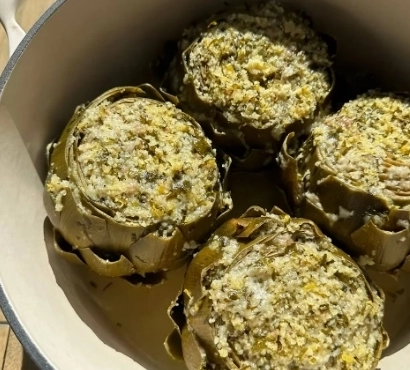
Step-by-Step Prep
- Rinse: Hold the artichoke under cold running water, spreading the leaves apart a bit to rinse out any grit.
- Trim the Stem: Cut off the very end of the stem, leaving about 1/2 to 1 inch attached. The stem is edible and tasty! You can peel its tough outer layer with a vegetable peeler if you like.
- Trim the Top: Lay the artichoke on its side. Using your sharp knife, cut off the top inch (or so) of the artichoke. This removes the sharp, thorny tips of the leaves. You'll see a pale, cross-sectional disk.
- Snip the Leaf Tips (Optional but Recommended): Take your kitchen shears and snip off the remaining thorny tip from each of the outer leaves. This makes eating much more pleasant. Some people skip this, but I think it's worth the few minutes.
- Rub with Lemon: Cut a lemon in half and rub it all over every cut surface. Artichokes oxidize and turn brown very quickly, like apples or avocados. The lemon juice (ascorbic acid) slows that down.
Watch your fingers! Those leaves can be prickly even after trimming. Use a firm grip but be mindful.
Cooking Methods (Choose Your Adventure)
Once prepped, cooking is straightforward. The goal is to steam it until a leaf near the center pulls out easily.
Steaming (My Favorite): Put about 2 inches of water in your pot. Add a couple of garlic cloves, a bay leaf, and the juice of that lemon you used. Insert a steamer basket. Place the artichokes stem-side up in the basket. Cover, bring to a boil, then reduce to a simmer. Steam for 25-45 minutes, depending on size. Check for doneness by pulling on an inner leaf.
Boiling: Similar to above, but submerge the artichokes completely in seasoned water. It's faster but can lead to slightly waterlogged artichokes. I find steaming preserves more flavor and nutrients.
Instant Pot/Pressure Cooker: A game-changer for speed. Add 1 cup of water, your trivet, and the artichokes. Cook on high pressure for 10-15 minutes, then do a quick release. Perfectly tender in a fraction of the time.
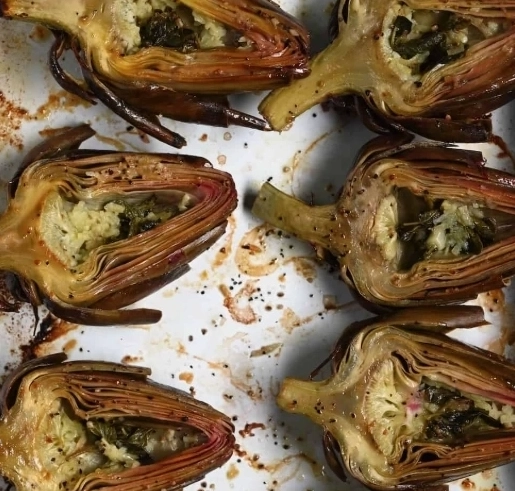
Roasting: For a deeper, caramelized flavor. After prepping, you can par-boil for 10 minutes, then drizzle with oil, stuff garlic into the leaves, and roast at 425°F (220°C) for 20-30 minutes. Or, cut the artichoke in half lengthwise, scoop out the choke, and roast the halves face-down. Delicious, but a different texture.
How to Eat a Whole Cooked Artichoke
Serve it warm with a dipping sauce (melted butter with garlic, lemon aioli, or a simple vinaigrette are classics).
- Pull off an outer leaf.
- Dip the fleshy, pale base of the leaf into your sauce.
- Place the base between your teeth and pull, scraping off the soft, pulpy part. Discard the tough, fibrous rest of the leaf. (You'll get a stack of scraped leaves on your plate.)
- Continue inward. The leaves will become more tender and edible as you go.
- Eventually, you'll reach the inner, pale, thin leaves and the fuzzy choke. Use a spoon or knife to carefully scrape away and discard all the fuzzy choke. What remains is the prized artichoke heart and stem. Cut it up and enjoy!
Beyond the Whole Bud: Other Ways to Use Artichokes
Whole artichokes are an experience, but they're not the only option. Canned, jarred, and frozen artichoke hearts are fantastic pantry staples that save you the prep work.
Quick Recipe Ideas
Spinach & Artichoke Dip: The classic for a reason. Use frozen chopped spinach and canned/jarred artichoke hearts. Mix with cream cheese, sour cream, Parmesan, and garlic. Bake until bubbly.
Pasta Toss: Sauté chopped artichoke hearts, sun-dried tomatoes, garlic, and olives in olive oil. Toss with cooked pasta (penne or farfalle work great), a splash of pasta water, and lots of fresh parsley.
Sheet Pan Chicken: Toss chicken thighs, quartered artichoke hearts (canned or frozen & thawed), lemon wedges, and red onion with olive oil, oregano, salt, and pepper. Roast at 400°F (200°C) until chicken is cooked through.
Artichoke Pizza: White pizza! Spread olive oil and minced garlic on dough, top with mozzarella, chopped artichoke hearts, and ricotta dollops. After baking, finish with fresh arugula.
A note on canned vs. jarred: Canned artichoke hearts are usually packed in water and have a very mild, sometimes slightly metallic taste. Rinsing them helps. Jarred ones are often marinated in oil and herbs, which adds flavor but also calories. They're ready to eat straight from the jar in salads or antipasto platters. The Produce Marketing Association has good info on different processed forms of vegetables, which can help you decide what's best for your dish.
Your Artichoke Questions, Answered
Wrapping It Up
Look, the artichoke asks for a little more effort than tossing a handful of baby carrots on a plate. I get it. On a busy Tuesday night, it might not be the go-to.
But here's the thing: it's worth the occasional weekend project. It turns a meal into an interactive, slow experience. You talk, you scrape leaves, you dip, you laugh. It's not just food; it's a way to eat. And when you finally get to that heart, it feels like a reward you earned.
Plus, your body will thank you. The fiber, the antioxidants, the liver-loving compounds—it's a health boost wrapped in a thorny package.
So next time you're at the store and see those green globes, don't walk past them. Grab one. Follow these steps. Make some lemon butter. Give it a shot. You might just find your new favorite vegetable hiding under all those leaves.
Really, what's the worst that can happen? You have a slightly messy, fun, and delicious dinner. That sounds like a win to me.
Reader Comments