Quick Guide
- The Core Differences: A Side-by-Side Breakdown
- Diving Deeper: Getting to Know Each Mushroom
- Foraging Focus: How to Find and Harvest Them Responsibly
- Cooking and Preparation: From Forest to Table
- Safety First: The Non-Negotiable Rules
- Answering Your Burning Questions (FAQs)
- Final Thoughts: Embracing the Distinction
Alright, let's talk about one of the most common mix-ups in the foraging world. You've probably heard the names tossed around – Hen of the Woods, Chicken of the Woods. They sound like they belong in a backyard coop, not on the forest floor. And if you're new to mushroom hunting, it's easy to think they're the same thing, or at least close cousins. I made that assumption myself years ago, and let me tell you, it's a quick way to get confused (and potentially miss out on some fantastic finds).
The truth is, these two are about as different as mushrooms can be. They don't look alike, they don't grow in the same places, and they taste… well, one of them actually does have a hint of chicken, which is where the whole confusion starts. The "Hen of the Woods vs Chicken of the Woods" debate isn't really a debate for experienced foragers – it's a fundamental lesson in identification. But for everyone else, it's a tangled web of similar names and very different fungi.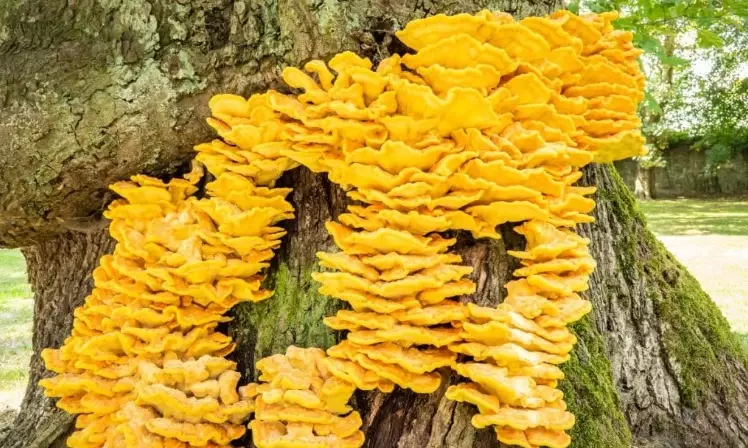
So, why does it matter? Getting this wrong isn't just about culinary disappointment. While both have edible species, misidentification in the mushroom world is the number one cause of trouble. You need to know exactly what you're picking. This guide is here to untangle those names for good. We'll break down every detail, from the way they fan out on a tree to the way they sizzle in your pan. By the end, you'll look at these two and see distinct personalities, not just confusing labels.
The Core Differences: A Side-by-Side Breakdown
Let's cut through the noise. The best way to understand the Hen of the Woods vs Chicken of the Woods puzzle is to see them compared directly. This table lays out the non-negotiable facts.
| Feature | Hen of the Woods (Maitake) | Chicken of the Woods |
|---|---|---|
| Scientific Name | Grifola frondosa | Laetiporus sulphureus, L. cincinnatus (and others) |
| Overall Appearance | A large, rounded cluster or "bouquet" of many small, overlapping caps. Looks like a ruffled bird sitting on the ground. | Bright, overlapping shelf-like brackets growing in a rosette or semi-circle. Looks like a burst of color on a tree. |
| Cap Color | Greyish-brown to tan. Colors can vary but are generally earthy and muted. | Vibrant sulphur-yellow to bright orange. The leading edge is often a brighter yellow. |
| Underside (Pores) | White, with tiny pores. Does not have gills. | Bright yellow to white, with tiny pores. Does not have gills. |
| Stem (or lack thereof) | Multiple branching, greyish stems unite into a single, thick base. | No true stem. The brackets attach directly to the wood in a shelving formation. |
| Texture & Feel | Firm, fleshy, and somewhat brittle when fresh. The individual caps are tender. | Succulent and moist when young, becoming tougher and woodier with age. |
| Primary Habitat | At the base of oak trees (sometimes other hardwoods). Appears terrestrial, but is attached to roots or buried wood. | On the trunks, stumps, or logs of dead or dying hardwood trees (oak, cherry, etc.). Sometimes on conifers (caution advised). |
| Season | Late summer through fall, often after the first cool rains. | Late spring through fall, depending on region and species. |
| Key Lookalikes | Black-staining Polypore (turns black when bruised), Berkeley's Polypore (larger, lighter). | Other Laetiporus species. Jack O'Lantern mushroom (POISONOUS, has true GILLS). |
See? They're basically opposites in the color department. One whispers from the forest floor in shades of brown and grey. The other shouts from the tree trunk in neon orange and yellow. If you take away one thing, let it be the color and growth pattern. That's your instant red flag—or in this case, orange flag.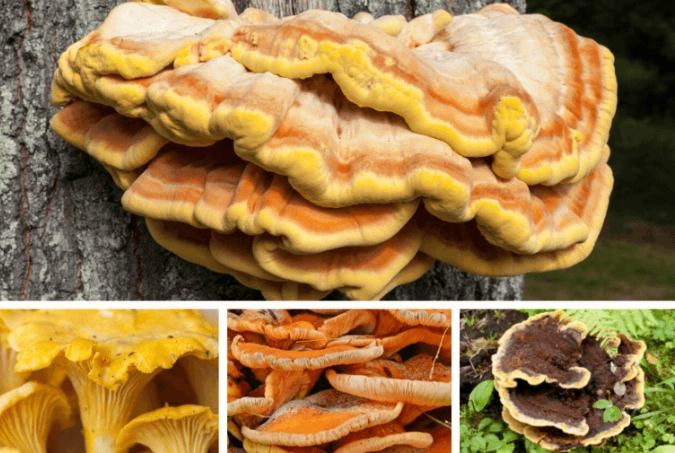
Diving Deeper: Getting to Know Each Mushroom
Hen of the Woods (Grifola frondosa) – The Forest's Delicate Dancer
Finding a Hen of the Woods feels like discovering a secret. It doesn't announce itself with color. Instead, it's this beautiful, cascading cluster that can get huge – I've seen specimens over 50 pounds. The Japanese call it Maitake, which means "dancing mushroom," supposedly because people would dance with joy when they found it. I can believe it.
It grows almost exclusively from the base of oak trees, or from the roots. You'll rarely see it high up. It favors old, mature oaks and often returns to the same tree year after year. That's why successful foragers guard their "Maitake spots" with near-religious secrecy.
The flavor is rich, earthy, and woodsy with a peppery, aromatic quality. It's not chicken-like at all. The texture is firm and holds up beautifully in long cooks—soups, stews, braises. It's also one of the most heavily studied mushrooms for potential health benefits, which you can read more about in research compiled by institutions like the National Institutes of Health (NIH). Drying it intensifies the flavor wonderfully.
Chicken of the Woods (Laetiporus) – The Tree-Hugging Showstopper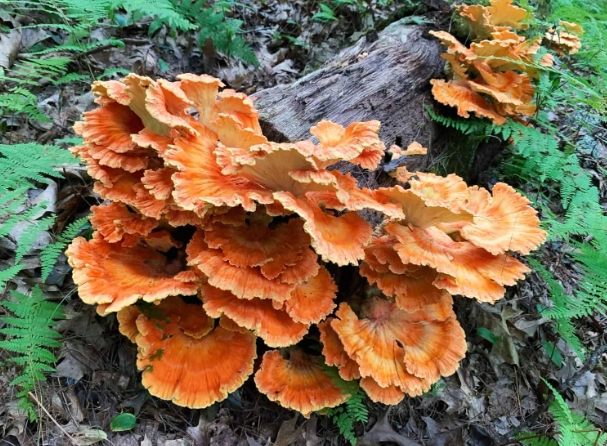
You can't miss a good Chicken of the Woods patch. It's like the forest painted a sunset on a dead tree. The most common species, Laetiporus sulphureus, is that classic sulphur-yellow and orange. There's also Laetiporus cincinnatus, which is more pinkish-orange with a white pore surface and often grows in a rosette at the base of trees.
This is a heart-rot fungus, meaning it decomposes the heartwood of trees. It's almost always on dead or dying wood, or sometimes on living trees with wounds. You'll find it on oak, cherry, willow, and even eucalyptus. Here's a critical safety point: Chicken of the Woods growing on conifers (like pine, fir, hemlock) or eucalyptus is notorious for causing gastric distress in some people. The general foraging rule is to stick to specimens on hardwoods.
Now, the taste. When young and tender, the texture is remarkably like cooked chicken breast – it's fibrous and pulls apart. The flavor is mild, slightly lemony or sour (especially in L. sulphureus), and yes, it does absorb flavors like poultry. It's fantastic battered and fried, in "chicken" salad, or in stir-fries. But here's my personal take: it can be overhyped. The texture is great, but the flavor itself is quite mild. It's more of a texture vehicle than a flavor powerhouse.
Foraging Focus: How to Find and Harvest Them Responsibly
Knowing the difference between Hen of the Woods and Chicken of the Woods is half the battle. The other half is knowing how to get them without harming the ecosystem or yourself.
When and Where to Look
For Hen of the Woods, your GPS is set to "mature oak forests." Start looking in late August or early September, especially after a period of rain followed by cooler nights. Walk slowly around the bases of large oak trees. Look for that tell-tale, brain-like cluster of grey-brown. Check the same spots annually; they're perennial.
For Chicken of the Woods, scan the trunks and stumps in hardwood forests. It's a saprobe, so dead standing trees (snags) and fallen logs are prime real estate. Late spring through fall is your window. The bright colors make it easier to spot from a distance.
The Ethical Harvest
I'm a big believer in leaving some for the forest. For both mushrooms:
- Use a sharp knife. Cut the mushroom cleanly from its base or attachment point. For Hen, you can cut the entire cluster at the main stem. For Chicken, cut the individual brackets near the wood.
- Leave the young ones. If a Chicken bracket is still very small and bright, let it grow for a few days. If a Hen cluster is tiny, let it mature.
- Don't strip everything. Take what you need and will use. The mushroom is the fruiting body; the mycelium (the main fungal organism) is underground or in the wood. Harvesting the fruit doesn't kill it, but leaving some helps spread spores.
- Carry them in a mesh bag or basket. This allows spores to scatter as you walk, planting future mushrooms. A plastic bag turns them into a sweaty, slimy mess.
Harvesting is the easy part. Positive identification is where you cannot cut corners.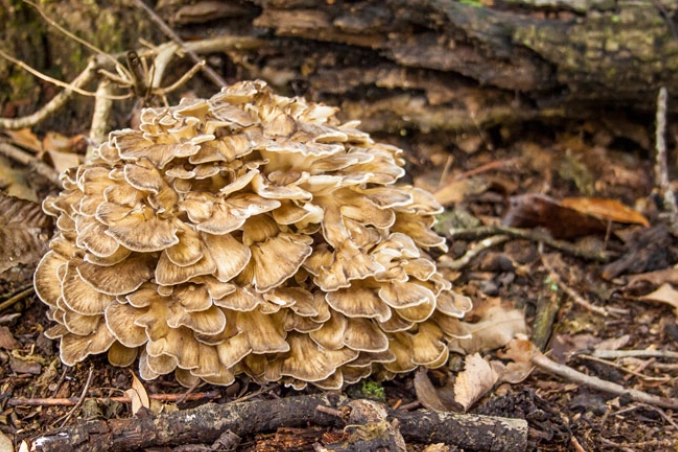
Cooking and Preparation: From Forest to Table
You've successfully navigated the Hen of the Woods vs Chicken of the Woods identification challenge and brought home a haul. Now what? Their culinary uses are as different as their appearances.
Cooking Hen of the Woods (Maitake)
This mushroom has depth. Because of its firm texture, it can handle high heat and long cooking times.
- Cleaning: It can be gritty. The best method is to break the large cluster into smaller, manageable "bouquets" and swish them vigorously in a large bowl of cold water. Drain well and pat dry. Don't soak them for hours.
- My Favorite Method – Sautéed & Crispy: Tear or cut into bite-sized pieces. Toss with a little oil, salt, and pepper. Sauté in a very hot pan with a neutral oil until deeply browned and crispy on the edges. The edges get almost like mushroom bacon. Finish with a splash of soy sauce or a pat of butter.
- Other Great Uses: It's incredible in risottos, pasta sauces, and as a filling for dumplings. You can also roast it whole with herbs and olive oil. Dried Hen powder makes an incredible seasoning salt.
Cooking Chicken of the Woods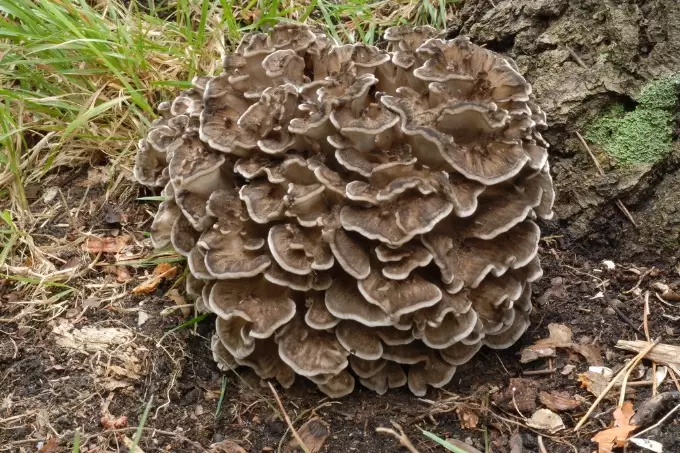
Here, texture is king, but you must cook it thoroughly. Raw or undercooked Chicken is a surefire ticket to stomach trouble.
- Cleaning: Wipe with a damp cloth or use a soft brush. If you must rinse, do it quickly and pat IMMEDIATELY and thoroughly dry. It soaks up water like a sponge, which ruins the texture.
- The Texture Test: Only use the tender, moist outer edges of the brackets. The part closest to the tree is often woody and inedible. Bend it; if it snaps cleanly, it's good. If it's rubbery and bends, it's too old.
- The Classic – "Fried Chicken" Mushrooms: Cut into strips or nugget-sized pieces. Parboil for 5-10 minutes (this ensures thorough cooking and can reduce the chance of upset). Drain, then bread and fry as you would chicken. The result is uncanny.
- Other Great Uses: Pull it apart after cooking for a vegan "pulled pork" sandwich. Use it in creamy sauces, pot pies, or fajitas. Its mild flavor means it needs good seasoning.
Safety First: The Non-Negotiable Rules
This is the most important section. Foraging is fun until it isn't.
- 100% Identification is Mandatory. Never, ever eat a mushroom you are not 100% certain of. The comparison of Hen of the Woods vs Chicken of the Woods is a start, but you must confirm with multiple field guides and characteristics.
- Beware of Lookalikes.
- Hen's main lookalike is the Black-Staining Polypore (Meripilus sumstinei), which bruises black and has larger, thinner caps. It's not poisonous, but it's bitter and tough.
- Chicken's dangerous lookalike is the Jack O'Lantern mushroom (Omphalotus illudens). It is POISONOUS. The critical difference? Jack O'Lantern has TRUE, KNIFE-LIKE GILLS on its underside. Chicken has a smooth pore surface. Always check the underside.
- The Chicken Allergy Test. Even with a perfect ID of Chicken of the Woods, you must do a personal tolerance test:
- Cook a small piece (a tablespoon-sized amount) thoroughly.
- Eat it and wait 24 hours.
- If no adverse effects (nausea, cramps, diarrhea), you are likely fine with that particular specimen from that particular tree. Tolerance can vary, so always be cautious with new finds.
- Consult Experts. Join a local mycological society. Use apps like iNaturalist to get input from the community, but never rely on an app alone for a final edibility verdict. The North American Mycological Association (NAMA) is an excellent resource for finding clubs and credible information.
Answering Your Burning Questions (FAQs)
Let's tackle the common questions that pop up around the Hen of the Woods vs Chicken of the Woods topic.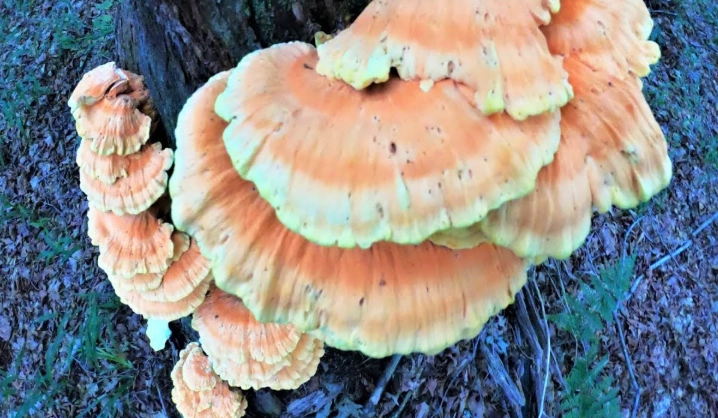
Final Thoughts: Embracing the Distinction
So, after all this, where does the Hen of the Woods vs Chicken of the Woods debate leave us? It leaves us with two incredible, unique gifts from the forest that deserve to be understood on their own terms.
One is a subtle, earthy treasure hidden at the feet of giants, prized for its complex flavor and revered in traditional medicine. The other is a flamboyant, tree-clinging spectacle, offering a fun meaty texture but demanding caution and respect. Confusing them is a beginner's rite of passage. Understanding them is a forager's badge of knowledge.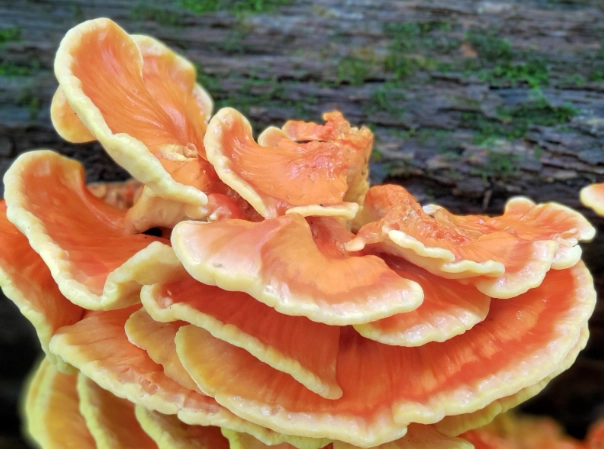
The forest is full of these wonderful puzzles. The names are just the starting point. The real joy is in learning the language of the mushrooms themselves – their shapes, their colors, their homes. Next time you're in the woods, you'll see more than just two confusing names. You'll see the delicate, dancing Hen and the bright, bold Chicken, each telling its own story.
Happy foraging, and as always, when in doubt, leave it out.
Reader Comments