Guide Highlights
- What Makes a Cucumber the "Best" for Pickling Anyway?
- The Top Contenders: A Breakdown of the Best Pickling Cucumber Varieties
- Beyond the Seed Packet: Growing for Pickling Perfection
- From Vine to Jar: Prepping Your Best Cucumbers for Pickling
- Your Pickling Cucumber Questions, Answered
- The Bottom Line: How to Choose YOUR Best Cucumber for Pickling
Let's be honest. You've probably stood in the garden center or scrolled through a seed catalog, wondering which of those little packets will actually give you the crisp, snappy pickles you're dreaming of. I've been there. I've grown the wrong ones and ended up with jars of disappointing, soft mush. It's a terrible feeling after all that work.
So, let's cut through the noise. Finding the best cucumber for pickling isn't just about grabbing any green fruit. It's a specific science, almost an art. It's about genetics, timing, and a bit of gardener's intuition. This guide is everything I wish I'd known when I started, packed with the nitty-gritty details that make the difference between a good pickle and a legendary one.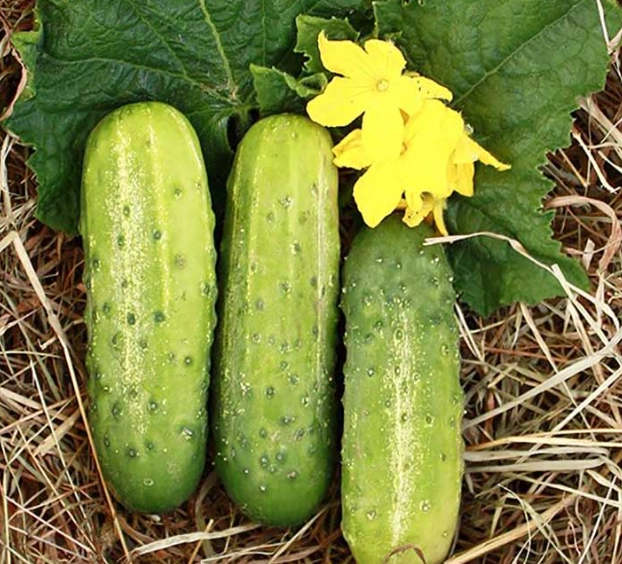
The Core Idea: The perfect pickling cuke is not a salad cuke. It's shorter, blockier, has thinner skin, and crisp, dense flesh with smaller seeds. Its only real job in life is to become an impeccable pickle.
What Makes a Cucumber the "Best" for Pickling Anyway?
Before we name names, let's talk about the checklist. What are we actually looking for? If your cucumber misses these marks, you're fighting an uphill battle from the start.
Skin that's meant to be penetrated: Pickling varieties have thinner, more tender skin. This allows the brine (that magical vinegar-salt-spice solution) to seep in effectively, flavoring the entire cuke from the outside in. Thick, waxy skin (common on many slicing types) acts like a raincoat, keeping the brine out and often resulting in a bland, poorly preserved interior. Not good.
The Crispness Factor (It's Everything): The flesh must be firm and dense. It should have a high moisture content, but that moisture is held in a tight, crisp structure. This is the holy grail. Dense flesh resists breaking down during the heat of processing (whether you water-bath can or make fridge pickles). It's what gives you that satisfying *CRUNCH* months later.
Seed Cavity Size Matters: Smaller is better. A large, watery seed cavity takes up space where delicious, brine-soaked flesh should be. It can also become a slimy pocket if the seeds are too mature. The best pickling cukes have undeveloped, almost unnoticeable seeds when harvested at the right size.
Size and Shape for the Jar: They're typically shorter (3-6 inches is the sweet spot) and more uniform in diameter. This isn't just for looks. Uniform pieces pickle evenly. A fat, bulbous end and a skinny tip will cure at completely different rates, leading to inconsistent texture and flavor. Straight-ish cukes also pack into jars without wasteful gaps.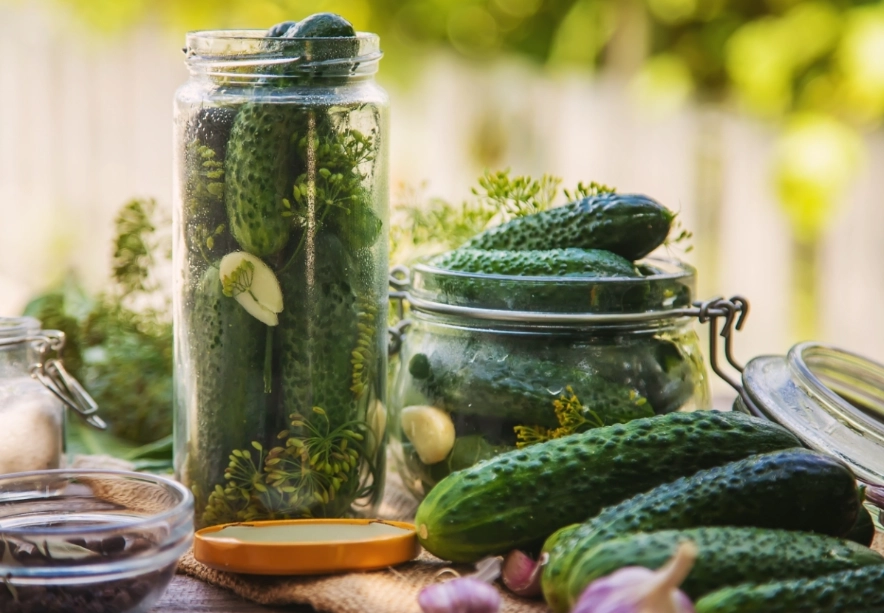
See? It's not arbitrary. These traits are bred for a purpose.
The Top Contenders: A Breakdown of the Best Pickling Cucumber Varieties
Okay, here's the fun part. Let's meet the champions. I've grown most of these, and I've got opinions. The "best" one for you depends on your garden setup, your taste, and how much patience you have.
>Heirloom/Type >Often bumpy, thick-skinned (for a pickler), very dense. >Extremely crisp and crunchy. The type you often see at farmers' markets sold specifically for pickling. >"Kirby" is often used as a catch-all term. Seek out specific named varieties like 'Picklebush' or 'Pickling' for best results.| Variety Name | Type | Key Characteristics | Why It's a Top Pick | My Personal Note |
|---|---|---|---|---|
| Boston Pickling | Heirloom | Classic, blocky shape, very crisp, early producer. | The historical gold standard. Reliable, fantastic flavor, perfect for beginners. Produces heavily and early. | My absolute go-to for consistent results. It just works. Never lets me down. |
| National Pickling | Heirloom | Slender, straight, spineless vines, uniform fruits. | Bred specifically for commercial pickling. Incredibly uniform, high yields, excellent crispness. A workhorse. | If you want volume and efficiency, this is it. The flavor is classic and dependable. |
| Kirby (Type) | ||||
| County Fair 87 | Hybrid | Burpless, parthenocarpic (sets fruit without pollination). | Major disease resistance. Won't become bitter. Perfect for containers or small spaces. Fruit sets reliably. | A lifesaver in a bad beetle year. The burpless trait is a bonus if you like snacking on them fresh too. |
| Parisian Gherkin | Heirloom | Tiny, prickly fruits, intense flavor. | The authentic cornichon cucumber. For making those tiny, tart, French-style pickles. Unique and gourmet. | High maintenance and prickly to harvest, but the flavor is unmatched. A project for the dedicated pickler. |
| Homemade Pickles | Hybrid | Compact bush habit, high yield on short vines. | Ideal for patio pots, raised beds, or small gardens. No sprawling vines to manage. | Great for beginners with limited space. The yield is impressive for such a small plant. |
You'll notice I included a hybrid like 'County Fair 87'. Some purists scoff at hybrids, but let me tell you, when cucumber beetles are decimating your heirlooms, that disease resistance looks pretty good. It's a practical choice, and the pickles are still fantastic.
A Word of Caution on "Dual-Purpose" Varieties: You might see cucumbers marketed as "great for slicing and pickling." Be skeptical. In my experience, they are usually okay at both but excellent at neither. They often have skin too thick for ideal pickling or flesh too soft. If your primary goal is to find the best cucumber for pickling, choose a dedicated pickling variety. You can always slice a pickler and eat it fresh, but you can't always successfully pickle a slicer.
Heirloom vs. Hybrid: Which is Truly the Best Cucumber for Pickling?
This is a classic garden debate. For pickling, both have a place.
Heirlooms (Boston, National, Parisian): They offer time-tested flavor and you can save the seeds. Their taste is often described as more complex or "cucumber-y." The downside? They can be more susceptible to diseases and pests. They also usually require pollination, so you need both male and female flowers (or pollinators). If a heatwave kills the bees, your yield might suffer.
Hybrids (County Fair 87, Homemade Pickles): Bred for specific traits like disease resistance, compact growth, or parthenocarpy (setting fruit without pollination). This makes them more reliable, especially for beginners or in challenging climates. The flavor is still very good—just maybe not quite as nuanced as the best heirlooms. You can't save seeds from them true-to-type.
My take? Start with a reliable heirloom like 'Boston Pickling' to understand the basics. Then, if you have pest problems or limited space, try a hybrid like 'County Fair 87'. Grow both and see what works in your garden.
Beyond the Seed Packet: Growing for Pickling Perfection
Choosing the right variety is only 50% of the battle. How you grow and harvest them is the other 50%. You can start with the best cucumber for pickling seeds and still ruin them with poor practices.
The Watering Tightrope: This is crucial. Consistent, deep watering is the secret to crispness and to preventing bitterness. Stress from uneven watering (flooding, then drought) causes the plant to produce compounds called cucurbitacins, which make the fruit bitter. It also leads to irregular, puffy growth and hollow fruits. A soaker hose or drip irrigation is your best friend here. The University of Minnesota Extension recommends about 1 inch of water per week, more during hot, dry spells.
But here's the flip side—ease up on watering slightly 1-2 days before a big harvest. This concentrates the sugars and solids in the fruit, making them even crisper for pickling. It's a little trick I learned from an old-timer at the county fair.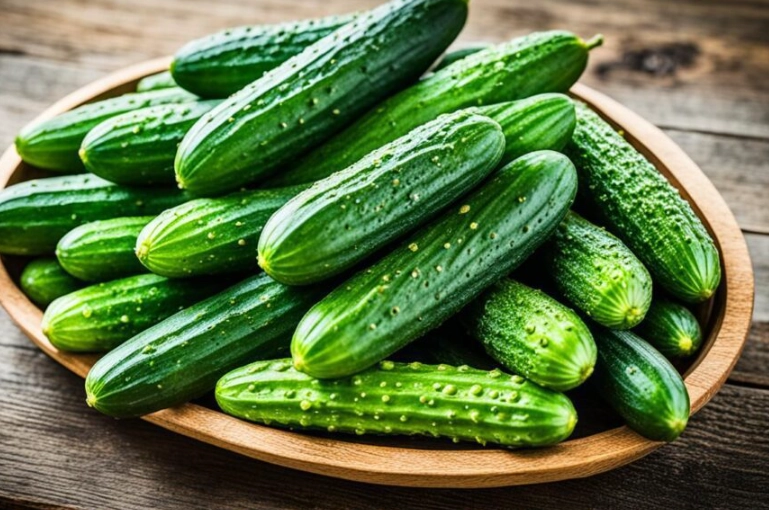
Harvesting: The Race Against Time
This is where most beginners fail. Patience is a virtue, but not with pickling cukes. You must be ruthless and frequent in your harvests.
- Size is King: Pick them small. I mean, smaller than you think. The ideal size for most varieties is between 2 and 5 inches long. At this stage, the seeds are tiny, the skin is at its thinnest, and the flesh is incredibly dense.
- Frequency: In peak season, check your plants every single day. A cucumber can go from perfect to overgrown in under 48 hours.
- The Consequences of Waiting: An overgrown pickling cucumber becomes a second-rate slicing cucumber. The skin toughens and waxes, the seed cavity expands into a watery channel, and the flesh around it becomes pithy and less dense. It will make a soft, seedy pickle. Don't let it happen.
I keep a dedicated "pickling harvest" basket in my kitchen during summer. Any cuke that's even remotely near the right size goes in there immediately. If I miss one and it gets too big, it goes to the chickens or the compost. It's a tough love policy.
Pro Tip: The "Prickly" Question
Many pickling varieties, especially heirlooms, have small spines or prickles. Don't be alarmed! These usually rub off easily with a vegetable brush or a towel. Some people even say cukes with prickles are the crispiest. Modern hybrids often have smooth skin for easier handling.
From Vine to Jar: Prepping Your Best Cucumbers for Pickling
You've grown them perfectly and harvested them at the right size. Now, don't mess it up in the kitchen! Proper post-harvest handling is the final guard of crispness.
- Don't Let Them Languish: Pickle them as soon as possible after harvesting, ideally within 24 hours. Their crispness begins to degrade the moment they're off the vine. If you must store them, put them unwashed in the crisper drawer of your fridge.
- The Ice Water Bath (Optional but Brilliant): For an extra crunch guarantee, soak your freshly washed cucumbers in a bowl of ice water for 1-2 hours before pickling. This rehydrates them with cold water, plumping the cells. It's like a spa treatment for cukes before their brine bath.
- Trim the Blossom End: This is non-negotiable. Slice off at least 1/16th of an inch from the blossom end (the end opposite the stem). The blossom end contains an enzyme (pectinase) that can make the entire pickle soft over time. When you're processing quarts and quarts, this little step saves heartache.
What about those "pickle crisp" or calcium chloride additives? They work by reinforcing the pectin structure in the cell walls. They're a great insurance policy, especially if you're unsure about your cukes' freshness or variety. You can find reliable usage instructions from the National Center for Home Food Preservation. But honestly, if you start with the right cuke and follow the steps above, you often won't need it.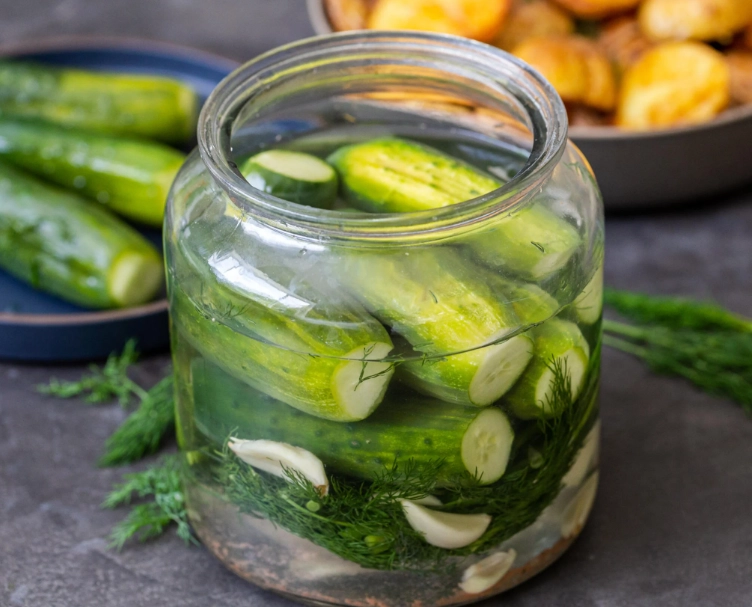
Your Pickling Cucumber Questions, Answered
Q: Can I use regular grocery store cucumbers for pickling?
A: You can, but temper your expectations. Most common grocery store cucumbers (like English/Hothouse or standard slicers) are bred for long shelf life and thick skin. This makes them resist the brine, leading to bland, often softer pickles. If it's your only option, choose the smallest, firmest ones you can find, peel them, and use that ice bath trick. But for real satisfaction, grow or source true pickling varieties.
Q: My pickles are always soft and mushy. What am I doing wrong?
A: This is the #1 complaint. The culprit is usually a combination: using an overgrown or wrong-variety cucumber, not trimming the blossom end, and/or overcooking them during processing. Review the harvesting and prep sections above. Also, ensure you're using a tested, up-to-date recipe from a source like a university extension office for processing times.
Q: Are bush varieties as good as vining varieties for pickling?
A: From a flavor and texture perspective, yes! Varieties like 'Homemade Pickles' (a bush type) produce excellent, classic pickling cukes. The trade-off is total yield per plant; a sprawling vine will usually produce more fruit over a longer season than a compact bush. For small-space gardeners, bush varieties are absolutely a top-tier choice and can be the best cucumber for pickling in their context.
Q: How do I know if a cucumber at the farmers market is good for pickling?
A: Ask the farmer! Say, "Are these a pickling variety?" Look for the characteristics: small size (3-6"), firmness, a slightly blocky shape, and thinner skin. Avoid any that are shiny/waxy (a sign of a slicer) or have begun to yellow.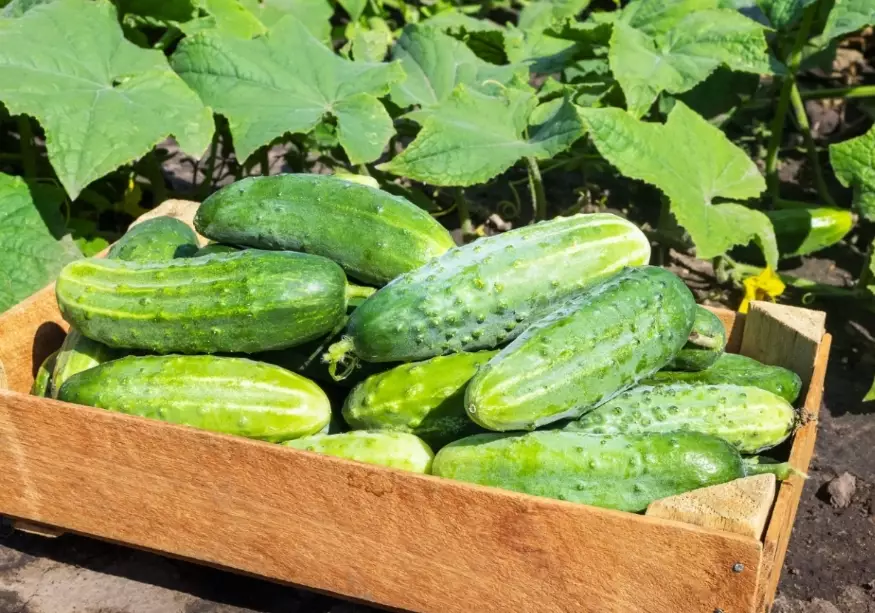
The Bottom Line: How to Choose YOUR Best Cucumber for Pickling
It feels like a lot of information, I know. Let's simplify it into a decision path.
If you are a beginning gardener with average garden space: Start with **'Boston Pickling'** or **'National Pickling'**. They are forgiving, prolific, and define the classic pickle flavor.
If you are gardening on a patio, balcony, or in a small raised bed: Choose a bush hybrid like **'Homemade Pickles'**. You'll get a great yield without the space headache.
If you have major issues with pests (like cucumber beetles) or diseases: Go for a disease-resistant hybrid like **'County Fair 87'**. It's better to have a harvest of slightly-less-heirloom-flavored pickles than no harvest at all.
If you are a purist and seed saver wanting authentic flavor: Stick with the heirlooms. **'Boston Pickling'** for all-around, **'Parisian Gherkin'** for a project.
Ultimately, the journey to find your personal best cucumber for pickling is part of the fun. You'll develop preferences. You might find that the classic taste of an heirloom is worth the extra pest patrol, or you might love the reliability of a modern hybrid.
The goal is a pantry full of jars that give you that crisp, bright, satisfying crunch in the middle of winter—a taste of your own summer garden. That's the real prize. Now, go get your seeds or seedlings, and get growing. Your future self, biting into a perfect homemade pickle, will thank you.
Reader Comments