In This Guide
- What Exactly Are Cremini Mushrooms?
- Why You Should Eat More Cremini Mushrooms (The Health Stuff)
- How to Pick the Perfect Cremini Mushrooms at the Store
- The Right Way to Store Them (No More Slimy Mushrooms!)
- Cooking with Cremini Mushrooms: Techniques That Actually Work
- Answering Your Cremini Mushroom Questions (FAQ)
- Final Thoughts: Making Creminis a Kitchen Staple
You've probably seen them. Sitting there in the supermarket, right next to the white button mushrooms, looking a bit more... interesting. A little darker, a bit firmer maybe. Those are cremini mushrooms. Sometimes the label says "baby bellas" or just "brown mushrooms." It can get confusing. I remember staring at them for years, just grabbing the white ones out of habit, wondering if the brown ones were worth the extra few cents.
Turns out, they absolutely are. Cremini mushrooms are one of those kitchen workhorses that don't get enough credit. They're not as fancy as chanterelles or as intimidating as morels, but they pack a flavor punch that the standard white button mushroom just can't match. This isn't just me being a mushroom snob (though, guilty as charged). It's a fact rooted in their biology. They're essentially the adolescent version of the giant portobello, and that middle age gives them a perfect balance of texture and taste.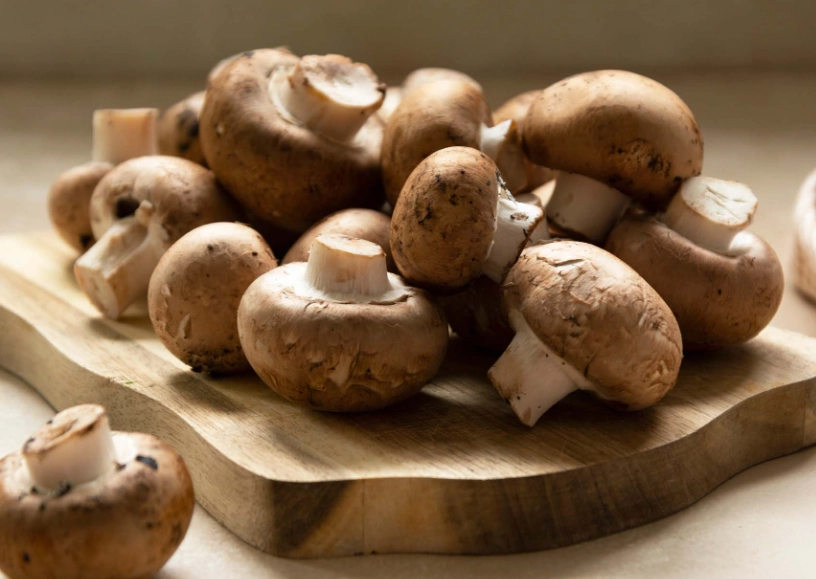
The Quick Truth: Cremini, baby bella, and brown mushrooms are all names for the same fungus: Agaricus bisporus. They are the middle child between the white button mushroom and the fully mature portobello. That's the core of it.
So why dedicate a whole guide to them? Because once you understand what makes cremini mushrooms tick, you'll stop overlooking them. You'll know exactly when to use them over their white cousins, how to store them so they don't turn into a slimy mess in three days, and how a simple cooking trick can unlock a deep, almost meaty flavor that can transform a sauce, a soup, or a stir-fry.
What Exactly Are Cremini Mushrooms?
Let's clear up the identity crisis first. All these mushrooms—white button, cremini, and portobello—are the same species. Seriously. It's all Agaricus bisporus. The difference is age, strain, and growing conditions.
Think of it like this:
- White Button Mushrooms: The kids. Harvested very young. They have a mild flavor and a softer texture.
- Cremini Mushrooms (Baby Bellas): The teenagers. They've been allowed to grow a bit longer. Their caps open slightly, they develop a richer tan-to-light-brown color, and their flavor intensifies. This is because they've had more time to develop compounds like glutamates (natural umami).
- Portobello Mushrooms: The fully-grown adults. These are just mature cremini mushrooms with fully opened, large, dark brown caps. Their gills are exposed and dark, and they have a dense, meaty texture.
The brown color in cremini mushrooms comes from natural pigments that develop with age and light exposure. Some growers even use brown-colored strains for a more consistent look. It's not a sign of being "dirty" or old—it's a sign of more developed flavor.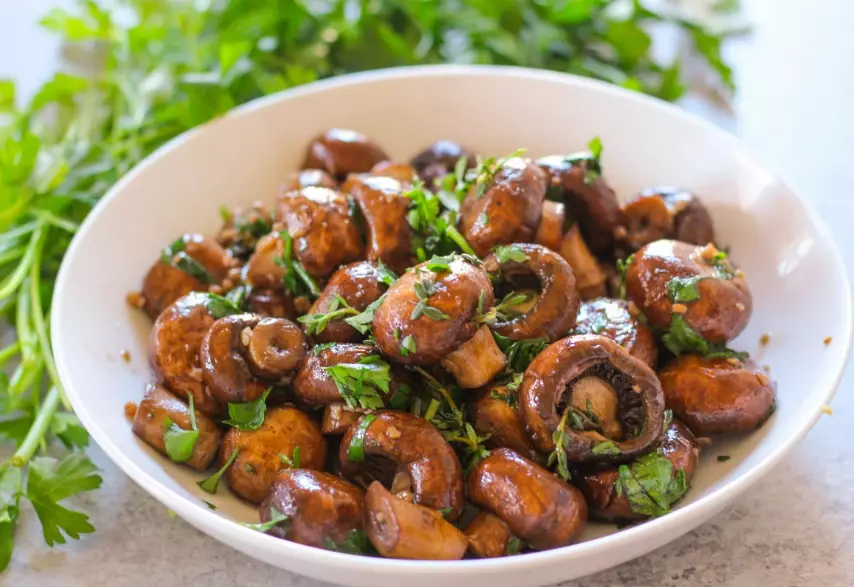
I used to think the brown ones were just dirty or older versions of the white ones. I was so wrong. The first time I sautéed creminis side-by-side with white buttons, the difference was night and day. The creminis had a nuttier, deeper smell while cooking and didn't release as much water, which meant they browned beautifully instead of stewing.
Cremini vs. Others: A Handy Comparison Table
| Characteristic | White Button Mushroom | Cremini / Baby Bella Mushroom | Portobello Mushroom |
|---|---|---|---|
| Age / Stage | Young, immature | Adolescent, mid-growth | Fully mature |
| Cap Color | White | Light to medium brown | Dark brown, often speckled |
| Flavor Profile | Very mild, subtle | Earthy, nutty, more pronounced umami | Intensely earthy, meaty, robust |
| Texture (when raw) | Softer, more delicate | Firmer, denser | Very firm, fibrous, can be tough |
| Texture (when cooked) | Tender, can become mushy if overcooked | Holds shape well, meaty bite | Extremely chewy and substantial, "steak-like" |
| Best Uses | Salads (raw), cream sauces, dishes where a subtle flavor is desired | Sauteing, roasting, soups, stews, stir-fries, gravies (all-purpose workhorse) | Grilling, stuffing, as a meat substitute/burger patty |
See? It's a spectrum. Choosing cremini mushrooms often gives you the best of both worlds: more flavor than a button, but more versatility and a quicker cooking time than a giant portobello.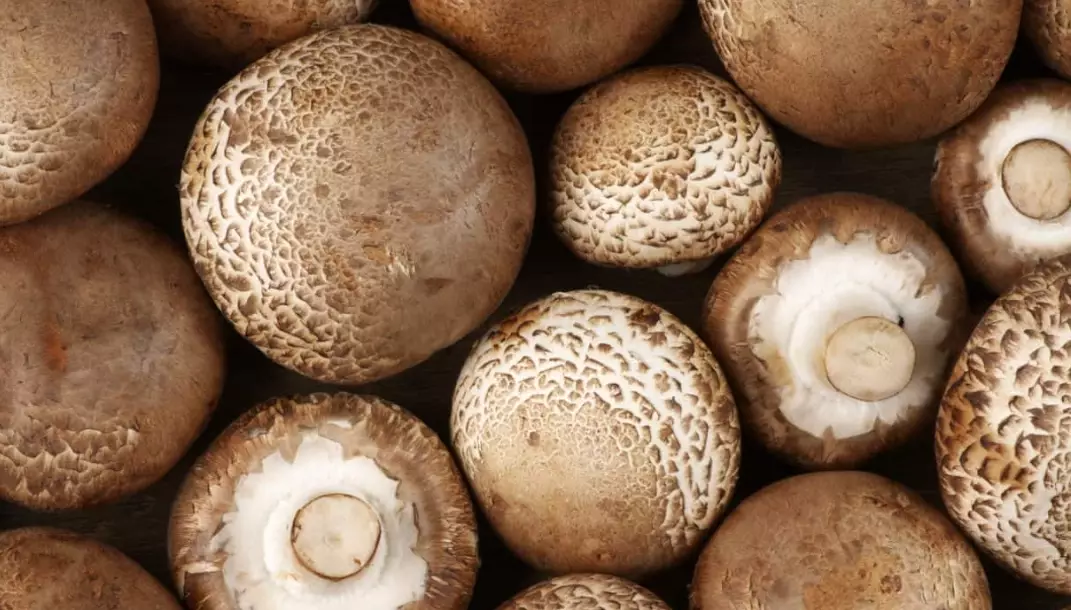
Why You Should Eat More Cremini Mushrooms (The Health Stuff)
Okay, beyond tasting good, are they good for you? In a word, yes. They're like a nutritional stealth bomb. Low in calories, carbs, and fat, but packed with interesting stuff.
According to the USDA FoodData Central database, a cup of raw cremini mushrooms contains a decent amount of potassium, B vitamins (like riboflavin and niacin), and even a little bit of selenium, which is a powerful antioxidant. But the real buzz around mushrooms lately is about other compounds.
Pro Tip: Don't wash mushrooms under running water; they're like sponges. Just wipe them with a damp paper towel or use a soft brush. If you must rinse, do it quickly and pat them very dry immediately. Soggy mushrooms won't brown.
They contain beta-glucans, a type of fiber linked to immune system support. There's also ongoing research (much of it highlighted by resources like the Mushroom Council) into the potential health benefits of mushrooms, including cremini, ranging from supporting cognitive health to providing vitamin D when exposed to UV light.
Let's be real, though. I'm not a doctor, and you shouldn't eat them solely as medicine. But it's nice to know that something that adds so much flavor to a pasta might also be giving your body a helpful nudge.
My personal top reasons for keeping cremini mushrooms in the fridge:
- Umami Boost: They make vegetarian dishes taste heartier and deepen the flavor of meat dishes without needing a ton of salt.
- Texture Savior: They don't turn to mush. In a stew that cooks for an hour, white buttons might disappear. Cremini mushrooms hold their form.
- Versatility: They work in almost any cuisine, from Italian to Asian.
How to Pick the Perfect Cremini Mushrooms at the Store
This is where most people go wrong. You grab the first package you see. Big mistake. A bad batch of creminis can ruin your whole opinion of them.
Here’s what you’re looking for:
- The Cap: Should be smooth, plump, and domed. It can be slightly open but shouldn't be flattened out or curling upwards drastically (that's portobello territory). The color should be a uniform tan or light brown. Avoid any with dark, slimy spots.
- The Stem: It should look fresh-cut and white, not dry, shriveled, or blackened.
- The Gills (under the cap): If you can peek, they should be pinkish or light brown. If they are jet black and wide open, the mushroom is very mature—still edible, but it will have a stronger, sometimes slightly bitter flavor. Not ideal for everything.
- The Feel: They should feel firm and dry to the touch. The package should not feel damp or have condensation inside. Moisture is the enemy.
- The Smell: They should have a fresh, earthy, pleasant mushroom smell. Any sour, fishy, or ammonia-like odor means they're starting to spoil. Toss 'em.
Watch Out: Pre-sliced mushrooms spoil MUCH faster than whole ones. The cut surfaces oxidize and go slimy. Only buy pre-sliced if you plan to use them that very day. Otherwise, always buy whole cremini mushrooms and slice them yourself.
Sometimes you'll find them loose in a bin. That's often better than pre-packaged because you can pick each one. Go for the medium-sized ones that feel heavy for their size.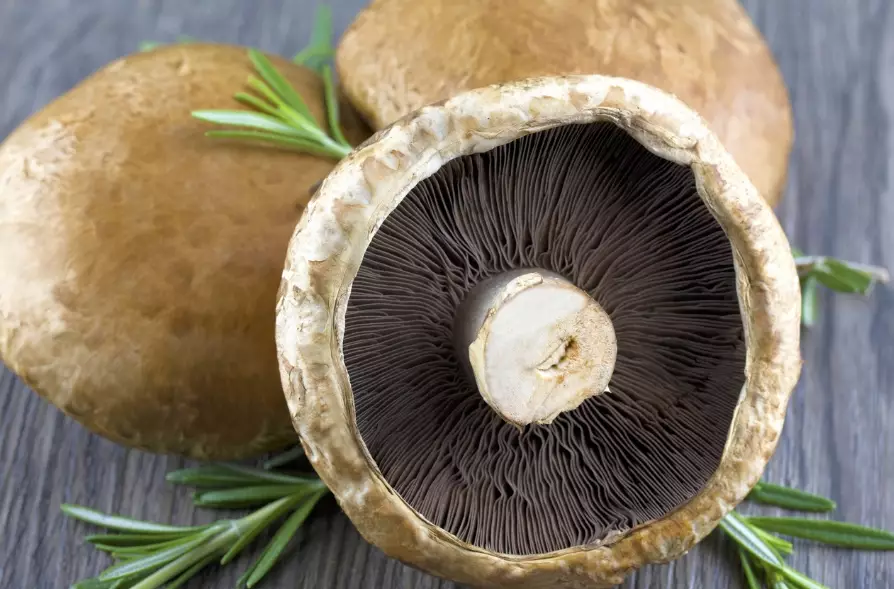
The Right Way to Store Them (No More Slimy Mushrooms!)
This is the #1 complaint I hear: "My mushrooms turned slimy in two days!" I've been there. The problem is almost always storage.
Mushrooms are about 90% water and they breathe. Storing them in the sealed plastic tub they came in is a death sentence. It traps moisture and accelerates decay.
Here’s the method that changed everything for me:
- Take them out of the plastic clamshell as soon as you get home.
- Place them in a paper bag, or on a tray lined with paper towels.
- Fold the top of the bag loosely or cover the tray with another paper towel.
- Store them in the main part of your fridge, not in the crisper drawer (which is often more humid).
The paper absorbs excess moisture while still allowing them to breathe. Stored this way, your cremini mushrooms can easily last 5-7 days, sometimes more.
Cooking with Cremini Mushrooms: Techniques That Actually Work
Now for the fun part. How do you cook these things to make them taste amazing? The key is understanding that you want to drive off their moisture and then encourage browning. Browning = flavor (it's the Maillard reaction).
The Golden Rule: Don't Crowd the Pan
This is the single most important tip for cooking any mushroom, especially creminis. If you dump a whole pound into a small skillet, they'll steam in their own released liquid and become rubbery and boiled, not browned and caramelized.
Cook them in batches if you have to. Use a large skillet or pan. Give them space.
Top Cooking Methods for Cremini Mushrooms
Sauteing (The Go-To Method):
- Heat your pan (stainless steel or cast iron works great) over medium-high heat.
- Add a thin layer of oil with a high smoke point (like avocado or grapeseed). Butter can burn, so if you want buttery flavor, use half oil and half butter, or add butter later.
- Add your sliced or whole cremini mushrooms in a single layer. Don't touch them for 2-3 minutes! Let them sear.
- Once they've released their water and it has evaporated, and the bottoms are nicely browned, then you can stir them. Season with salt and pepper at this stage (salting too early draws out more water).
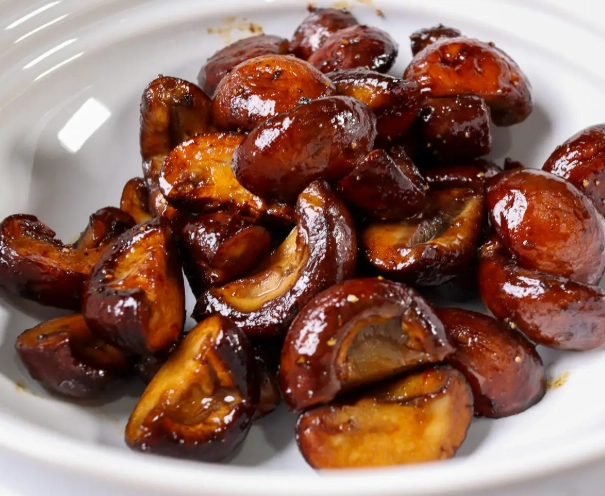
- Cook until they are browned all over and have reduced in size. Finish with a splash of wine, soy sauce, or fresh herbs.
Roasting (For Concentrated Flavor):
- Toss whole or halved cremini mushrooms with oil, salt, pepper, and maybe some garlic powder or thyme.
- Spread on a parchment-lined baking sheet. Again, don't crowd them.
- Roast in a hot oven (400°F / 200°C) for 20-25 minutes, stirring once halfway. They'll shrivel and become intensely flavorful. Perfect for grain bowls or as a side.
Grilling: Toss whole creminis in oil and thread onto skewers or use a grill basket. Grill over medium heat until tender and marked. Fantastic smoky flavor.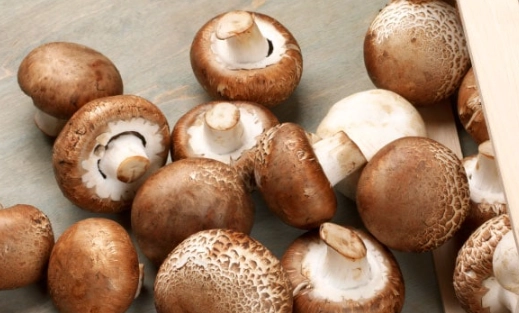
I ruined many a mushroom by moving them around the pan too much. Impatience is the enemy of good browning. Now I just leave them alone. It feels wrong, but it works perfectly.
What about eating them raw? You can. Sliced thinly in a salad, they add an earthy crunch. But honestly, their flavor is so much more muted raw. Cooking really unlocks the potential of cremini mushrooms. I'd only use them raw if I wanted texture more than flavor.
Answering Your Cremini Mushroom Questions (FAQ)
Final Thoughts: Making Creminis a Kitchen Staple
Look, at the end of the day, cooking is about ingredients that make your life easier and your food tastier. Cremini mushrooms are one of those ingredients. They're affordable, available year-round, and incredibly forgiving once you know the basic rules (don't crowd the pan, store them in paper).
They bridge the gap between the bland and the exotic. They make a Tuesday night spaghetti sauce feel a little more special. They add substance to a vegetarian chili. They're the reason your gravy has that deep, savory depth.
Next time you're at the store, skip the white buttons. Grab the brown ones. Give cremini mushrooms a real shot. Slice them thick, get your pan nice and hot, and let them do their thing. That first bite of a properly sautéed, golden-brown cremini might just change your mind about what a simple mushroom can be.
It did for me.
Reader Comments