In This Plum Guide
- First Impressions: Appearance and Texture
- Where the Rubber Meets the Road: Flavor Profile
- Nutrition Face-Off: Is One Healthier?
- Culinary Clash: Best Uses in the Kitchen
- Choosing, Ripening, and Storing Like a Pro
- Your Questions, Answered (FAQ)
- The Final Verdict: It's Not a Competition, It's a Collaboration
So you're standing in the produce aisle, staring at two bins of gorgeous stone fruit. One holds plums with skin so deep purple it's almost black. The other is filled with plums boasting a vibrant, rosy-red hue. The classic black plum vs red plum dilemma. Which one do you grab?
I've been there more times than I can count. I used to just grab whatever looked shiniest, but let me tell you, that's a recipe for disappointment. I once bought a bag of beautiful red plums for a pie, only to find they were all firm and tart when I needed soft and sweet. The pie was... an adventure. Not a good one.
Turns out, the color is more than just skin deep.
It signals real differences in what you're going to taste, how you can use them, and even what nutrients you're getting. This isn't just about aesthetics. Choosing the right plum can make or break your jam, your dessert, even your simple afternoon snack.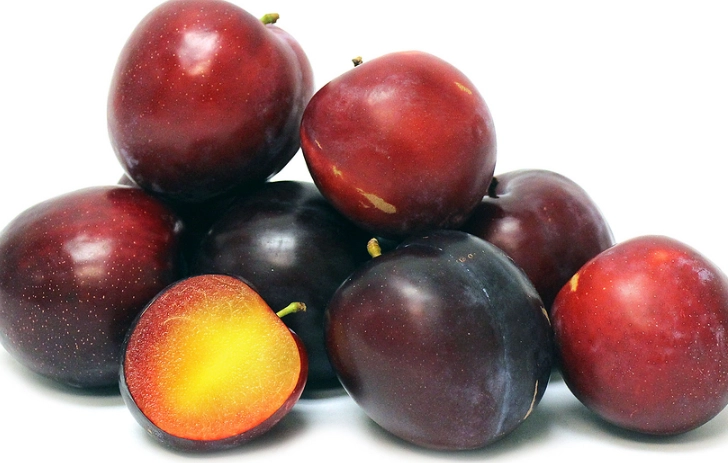
First Impressions: Appearance and Texture
Let's start with what you see and feel. The black plum vs red plum comparison is obvious from across the market.
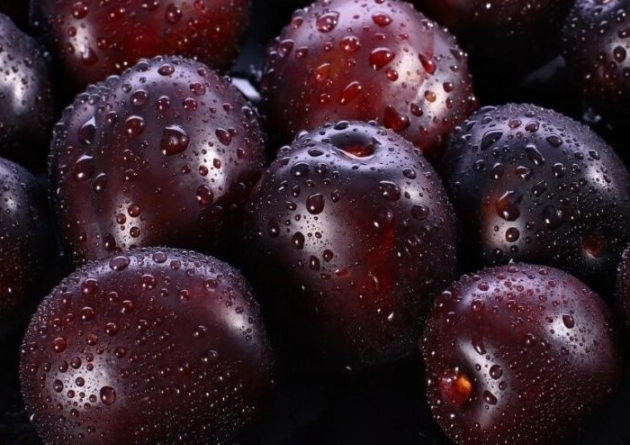
Black plums, as the name suggests, have skin that ranges from a deep, dark purple to a true indigo-black. The flesh inside is usually a stunning amber or golden yellow. They tend to be rounder, sometimes even a bit heart-shaped. When you give a good black plum a gentle squeeze, it should have a slight give—a promise of the juiciness inside. The skin is typically taut and smooth.
Red plums are the showstoppers. Their skin is a spectrum of red—from a light, blushing pink to a deep, crimson red, often with a slight yellow undertone or speckling. The flesh is almost always a vibrant, jewel-toned red or purple. Texture-wise, they can be a bit more variable. Some varieties have firmer flesh, perfect for holding shape in a tart, while others are just as juicy as their black cousins.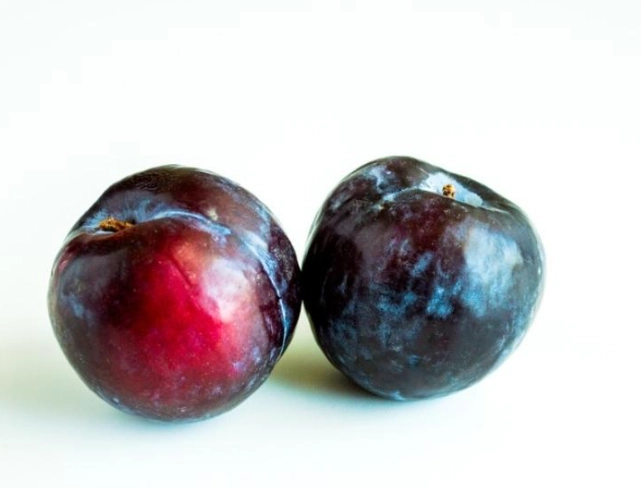
I find red plum skin can sometimes be a tad thicker or more tart, which is actually a bonus for certain recipes where you don't want the fruit to completely disintegrate.
The Inside Scoop: Flesh Color and Consistency
Cutting them open reveals the biggest surprise for many people. That dark-skinned plum? It's almost always yellow inside. That bright red plum? It's usually red or purple inside. This flesh color isn't just for looks; it often correlates with the types of antioxidants present (more on that later).
In terms of mouthfeel, a ripe black plum often has a melting, incredibly juicy texture. It's the kind of fruit you eat over the sink. A ripe red plum can be similarly juicy, but I often find the texture to be a bit more substantial, a little firmer, making it less messy to eat out of hand (sometimes).
Where the Rubber Meets the Road: Flavor Profile
This is the big one. The great black plum vs red plum debate often comes down to a simple split: sweet versus tart. But that's a massive oversimplification.
Black plums are generally known for their straightforward, high sweetness. Think rich, honey-like, and sugary with very low acidity. Varieties like the 'Friar' or 'Black Splendor' are sugar bombs. They're incredibly crowd-pleasing because who doesn't love something sweet? The flavor is often described as purely fruity and simple.
Red plums bring complexity to the table. They almost always have a higher acid content, which means you get a delightful tang or tartness that balances the sugar. This isn't a sourness; it's a bright, wine-like acidity that makes the flavor more interesting. Varieties like 'Santa Rosa' are famous for this spicy, tart kick. The flavor notes can include hints of berry, wine, and even a slight floral edge.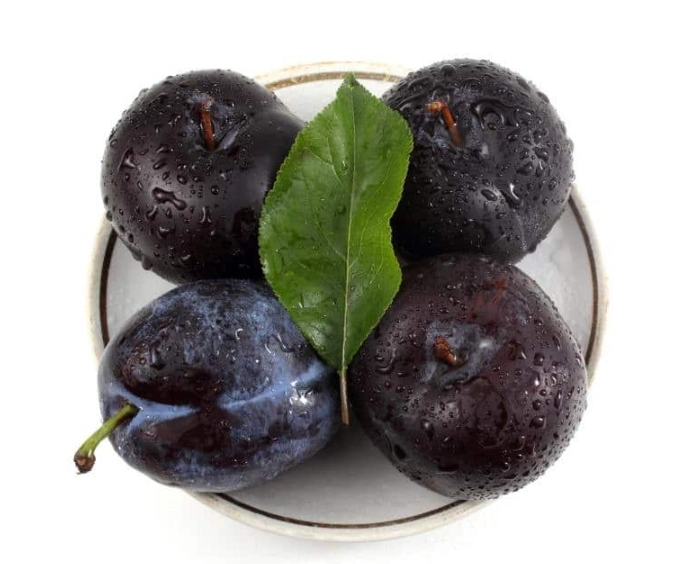
Here's my personal take: For a pure, refreshing, sweet snack, I grab a black plum. But if I want a flavor experience, something that makes my taste buds wake up and pay attention, I go for a good red plum. The tartness makes it feel less cloying, especially on a hot day.
Nutrition Face-Off: Is One Healthier?
You'll see a lot of claims online about one being a "superfood" over the other. The truth is, both black and red plums are fantastic for you. They're low in calories, high in fiber, and packed with vitamins and antioxidants. However, the different pigments tell a story about their nutritional strengths.
The deep color in red plum flesh comes from anthocyanins—powerful antioxidants also found in blueberries and blackberries. These are linked to all sorts of benefits, like reducing inflammation and supporting heart health. The yellow flesh of black plums is rich in other antioxidants like carotenoids (think beta-carotene) and vitamin C.
Let's look at a side-by-side comparison for a standard, medium-sized plum (about 66g), based on data from the USDA FoodData Central, which is my go-to for reliable food composition info.
| Nutrient | Black Plum (approx.) | Red Plum (approx.) | Notes & Why It Matters |
|---|---|---|---|
| Calories | 30 kcal | 30 kcal | Virtually identical. Both are a light, guilt-free snack. |
| Dietary Fiber | 0.9 g | 1.0 g | Slight edge to red. Great for digestion and feeling full. |
| Sugars (Total) | 6.6 g | 6.6 g | Same total, but the *type* of sugar and acid balance affects perceived sweetness. |
| Vitamin C | 6.3 mg (10% DV) | 4.6 mg (8% DV) | Black plums often have a bit more. Good for immunity and skin. |
| Vitamin A (as Beta-Carotene) | 190 IU | 110 IU | Black plums win here, thanks to their yellow flesh. Important for vision. |
| Vitamin K | 4.2 mcg (5% DV) | 5.1 mcg (6% DV) | Slight edge to red. Crucial for blood clotting and bone health. |
| Key Antioxidants | Carotenoids, Chlorogenic Acid | Anthocyanins, Chlorogenic Acid | The biggest difference. Red plum's anthocyanins offer unique anti-inflammatory benefits. |
So, who wins the black plum vs red plum nutrition battle? It's a tie, but with different specializations. Want more Vitamin A and C? Lean black. Want those anthocyanin benefits and a fiber bump? Lean red. The best strategy? Eat both. You get a wider spectrum of nutrients.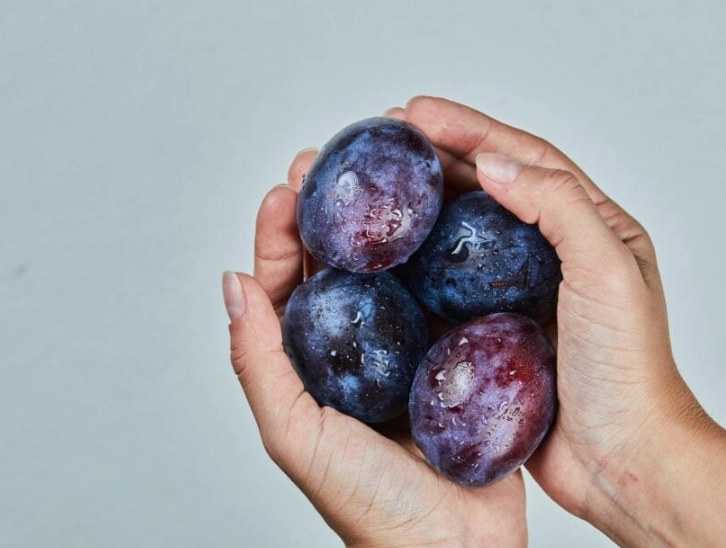
A study published in the Journal of Agricultural and Food Chemistry highlighted how different plum cultivars have vastly different antioxidant profiles, so variety truly is the spice of life—and health.
Culinary Clash: Best Uses in the Kitchen
This is where your choice in the black plum vs red plum decision really matters. Their different flavor and texture profiles make them suited for different tasks.
Black Plums: The Sweet Workhorse
- Eating Fresh: Their number one job. The high sugar and low acid make them a perfect, kid-friendly snack.
- Sweet Jams & Preserves: They yield a beautifully sweet, golden-amber jam with minimal added sugar needed. The flavor is pure and fruity.
- Desserts where Sweetness is Key: Think clafoutis, sweet tarts, or simply roasted with a bit of honey. They break down easily into a lovely sauce.
- Not so great for... Recipes where you need the fruit to hold its shape. They can turn to mush if cooked too long.
Red Plums: The Tart All-Rounder
- Baking: Their higher acidity and firmer flesh make them champions for pies, crumbles, and tarts. They hold their shape better and the tartness cuts through buttery pastry beautifully.
- Complex Jams & Chutneys: That tartness creates a more sophisticated flavor profile. Red plum jam is less one-note sweet. They're also fantastic in savory-sweet chutneys to pair with cheese or meat.
- Grilling & Roasting: The skin holds up well to heat, and the tangy interior caramelizes wonderfully.
- Eating Fresh (for tart-lovers): If you enjoy a cranberry or a granny smith apple, you'll probably love a fresh, ripe red plum.
Choosing, Ripening, and Storing Like a Pro
Knowing the theory of black plum vs red plum is useless if you bring home duds. Here’s how to pick winners every time.
For Both Types: Look for plums that are plump and feel heavy for their size (a sign of juiciness). The skin should be smooth, without wrinkles, bruises, or blemishes. A slight whitish "bloom" on the skin is natural and protective—it's a sign of freshness, so don't wash it off until you're ready to eat.
The Ripeness Test: Gently press the area around the stem end. It should yield slightly to gentle pressure. Not be mushy, just have a little give. Color is a decent indicator, but feel is king. A hard plum is an unripe plum, regardless of color.
Ripening at Home: Got rock-hard plums? No problem. Toss them in a paper bag on your counter for a day or two. The ethylene gas they naturally produce gets trapped and speeds things up. Adding a banana to the bag accelerates it even more.
Storage: Once ripe, eat them! If you need to delay, put them in the fridge's crisper drawer. This slows down the ripening process. They'll keep for a few days to a week. For long-term storage, slice and pit them, then freeze on a tray before bagging.
A ripe plum is a fleeting treasure. Enjoy it quickly.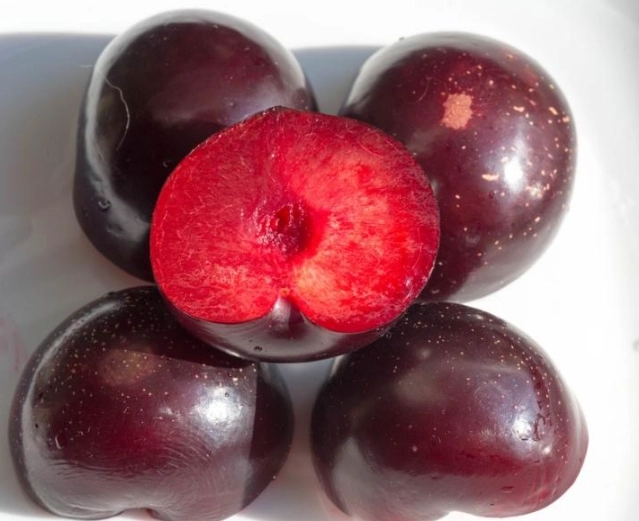
Your Questions, Answered (FAQ)
Can I substitute black plums for red plums in a recipe (and vice versa)?
You can, but expect a different result. Swapping red for black in a pie will likely give you a firmer, tarter filling. Swapping black for red in a jam will give you a much sweeter, less complex spread. You may need to adjust sugar and cornstarch (for thickening) accordingly. Taste as you go!
Which is better for weight loss or digestion?
Both are excellent due to their low calorie count and fiber content. The fiber (including sorbitol, a natural sugar alcohol in plums) is great for digestion. The Harvard T.H. Chan School of Public Health notes plums and prunes are well-regarded for their digestive benefits. There's no clear winner here—choose the one you'll enjoy eating more consistently.
Are the "black plums" in stores always the same variety?
No, and this is crucial! "Black plum" is a color category, not a specific type. Common black-skinned varieties include Friar, Black Splendor, Black Amber, and President. They can have subtle taste and texture differences. The same goes for "red plum"—it could be a Santa Rosa, Satsuma, or Elephant Heart. If the label lists a variety name, you can look up its specific traits.
What about prune plums? Are they black or red?
Prune plums (like the 'Italian Prune Plum') are a specific category, usually oval-shaped with blue-black or purple skin and greenish-yellow flesh. They are less juicy, denser, and much higher in sugar, making them ideal for drying into prunes. They're technically in the "black plum" family but are quite distinct from the common round, juicy black eating plums.
The Final Verdict: It's Not a Competition, It's a Collaboration
After all this, trying to declare a single winner in the black plum vs red plum debate feels wrong. It's like asking if chocolate is better than vanilla. It depends entirely on your mood, your needs, and your taste buds.
If your goal is pure, unadulterated sweet satisfaction with a juicy, melt-in-your-mouth texture, walk towards the dark side. Grab those black plums. They're the comfort food of the fruit world.
If you crave vibrancy, a flavor that dances between sweet and tart, and a fruit that can stand up to baking and create complex preserves, the red plum is your artistic partner.
My advice? Next time you're at the store, don't choose. Get a couple of each. Do your own taste test. Feel the difference in texture. Notice how the sweetness of the black plum hits you immediately, while the red plum's flavor unfolds with a tart finish.
And hey, if you get a bland one—it happens sometimes, especially if they were picked too early—don't blame the category. Just chop it up, cook it down with a dash of cinnamon, and turn it into a topping for oatmeal or yogurt. No plum left behind.
Reader Comments