Quick Guide
- Why Bell Pepper Dishes Deserve a Spot in Your Weekly Rotation
- Getting Started: Choosing and Prepping Your Peppers
- Cooking Methods That Make Bell Peppers Shine
- Showcase: Essential Bell Pepper Dishes You Should Master
- Beyond the Basics: Global Inspirations for Bell Pepper Dishes
- Answering Your Bell Pepper Questions (The FAQ Section)
- Putting It All Together: Making Bell Pepper Dishes Work for You
Let's talk about bell peppers. You know, those bright, crunchy vegetables that sit in the produce section, looking cheerful and full of potential. I used to just chop them up for salads or stir-fries without giving them much thought. But then I realized something – bell peppers are culinary superheroes in disguise. They can be the star of the show, not just a supporting actor.
I remember the first time I made truly great stuffed bell peppers. They were a mess, honestly. The peppers were undercooked and tough, the filling was bland, and the whole thing just...sad. But that failure made me curious. What was I missing? How do you turn these simple vegetables into amazing bell pepper dishes that people actually crave?
Turns out, there's a whole world of technique and flavor waiting in those colorful shells. And that's what we're diving into today. Whether you're looking for quick weeknight dinners or impressive dishes for guests, bell peppers have got your back.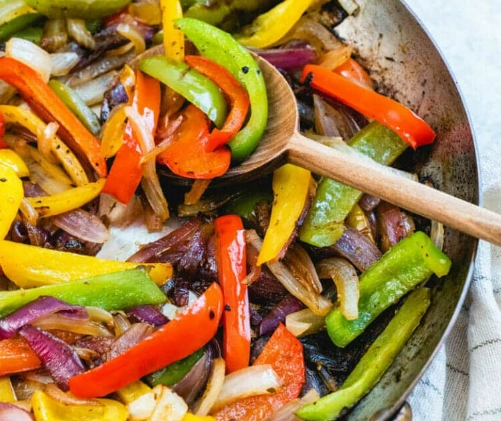
The quick truth: Bell peppers (also called sweet peppers or capsicums) are members of the nightshade family, but unlike their spicy cousins, they contain a recessive gene that eliminates capsaicin – the compound that makes chili peppers hot. That's why they're sweet, not spicy. This makes them incredibly versatile for all sorts of bell pepper dishes.
Why Bell Pepper Dishes Deserve a Spot in Your Weekly Rotation
I'm not just saying this because they're pretty (though the red, yellow, orange, and green varieties do make any plate Instagram-worthy). There are real, practical reasons to cook with bell peppers more often.
First off, they're nutritional powerhouses. According to the USDA FoodData Central, one medium red bell pepper packs more than 150% of your daily vitamin C needs. That's more than an orange! They're also great sources of vitamin A, vitamin B6, folate, and fiber. The different colors actually signal different nutrient profiles – red peppers have the most vitamin C and beta-carotene because they've ripened fully on the vine.
But beyond nutrition, bell peppers are kitchen workhorses. They add crunch, sweetness, color, and volume without adding many calories. They're relatively cheap, especially when in season, and they last a decent while in the fridge. You can roast them, stuff them, grill them, sauté them, or eat them raw. Few vegetables offer that much flexibility.
And here's something I learned the hard way: not all bell peppers are created equal. The green ones are harvested earlier, so they have a slightly bitter, grassy flavor and are less sweet. Reds are fully ripened greens, which explains their higher price and sweeter taste. Yellows and oranges fall somewhere in between. This actually matters when you're planning your bell pepper dishes – a green pepper in a recipe calling for red can throw off the flavor balance.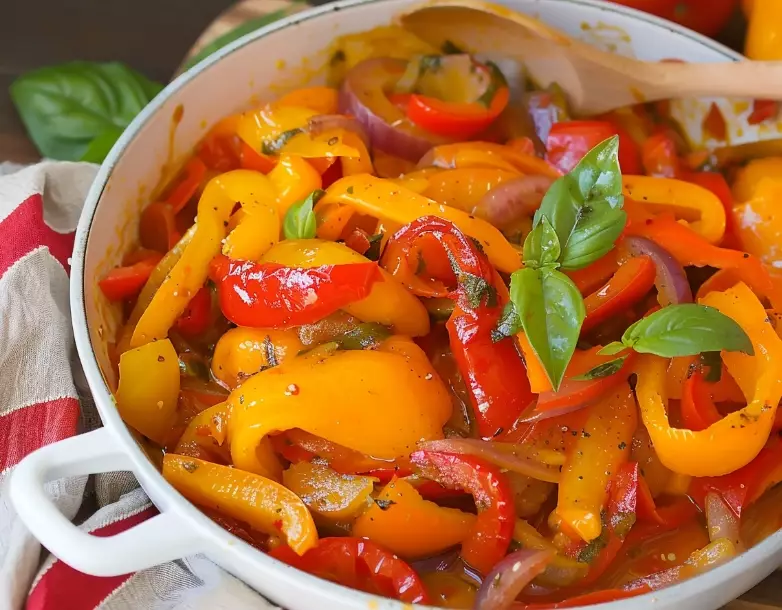
Pro tip from my own mistakes: If a recipe just says "bell pepper" without specifying color, it usually means green. But don't be afraid to mix colors for visual appeal and layered sweetness. A mix of red, yellow, and orange in a fajita mix is a game-changer.
Getting Started: Choosing and Prepping Your Peppers
Before we jump into specific bell pepper dishes, let's talk basics. How do you pick good ones? What's the best way to cut them? These small steps make a big difference.
Picking the Perfect Pepper
Walk up to the bell pepper display. Here's what you're looking for:
- Firmness: Give them a gentle squeeze. They should feel solid and heavy for their size, with no soft spots. A lightweight pepper might be drying out or have thin walls.
- Skin: Look for smooth, glossy, taut skin. Avoid peppers with wrinkles, cuts, or dull, shriveled skin.
- Stem: The stem should be green and fresh-looking, not brown or dried out.
- Color: Whatever color you choose, it should be vibrant and uniform. Green peppers should be a deep, rich green – not yellowish.
I once bought a bag of peppers because they were on sale. Big mistake. They were limp and flavorless. Now I'd rather pay a bit more for one good pepper than get three mediocre ones.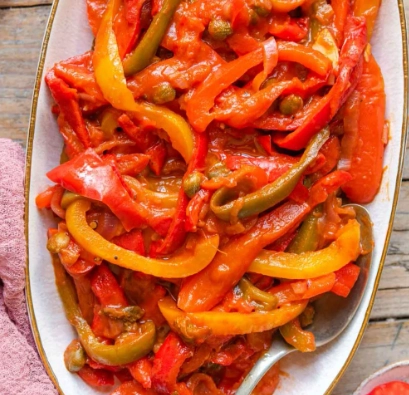
The Right Way to Cut a Bell Pepper
This seems basic, but how you cut it affects your cooking. The classic method for dicing:
- Slice off the top and bottom.
- Stand the pepper upright and make a vertical cut down one side to open it up.
- Lay it flat, skin-side down, and scrape out the white ribs and seeds with your knife.
- Slice into strips, then dice if needed.
For stuffed bell pepper dishes, you usually cut them in half lengthwise or slice off the top to create a "bowl." For fajitas or stir-fries, you want long, thin strips. For salads, small dice works best.
And about those seeds and white ribs – they're not toxic, but they can be bitter. For most bell pepper dishes, you'll want to remove them. The ribs especially have a different, tougher texture.
Cooking Methods That Make Bell Peppers Shine
Raw bell peppers are great, but heat transforms them. Different cooking methods bring out different qualities. Let's break them down.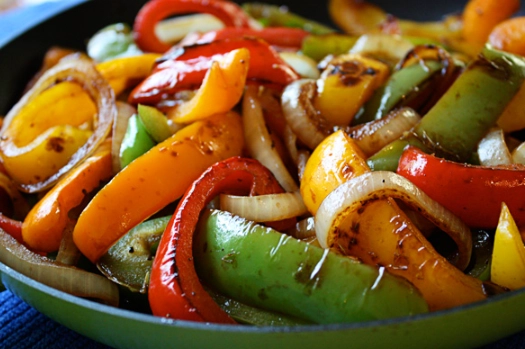
| Cooking Method | Best For... | Flavor & Texture Result | My Personal Take |
|---|---|---|---|
| Raw | Salads, crudité platters, sandwiches | Maximum crunch, fresh, slightly sweet or bitter (green) | Nothing beats the crunch in a salad. Yellow and orange are my favorites raw. |
| Sautéing/Stir-frying | Fajitas, pasta sauces, stir-fries, omelets | Tender-crisp, sweetness intensifies, great for absorbing other flavors | Don't overcrowd the pan! They'll steam instead of sauté. Learned that one the hard way. |
| Roasting | Soups, dips (like romesco), sandwiches, antipasto | Deep, smoky, caramelized sweetness; skin blisters and can be peeled | A game-changer. Time-consuming but worth it for special dishes. |
| Grilling | Summer cookouts, kebabs, side dishes | Charged, smoky flavor with beautiful grill marks; similar to roasting | So good. Just keep an eye on them – they can go from perfect to charred quickly. |
| Stuffing & Baking | The classic stuffed pepper, or boats with various fillings | Pepper softens and sweetens, becoming a vessel for savory fillings | The ultimate comfort food. But par-cook the peppers first for better texture. |
Roasting is my favorite for deepening flavor. You can do it under the broiler or directly over a gas flame (carefully!). The skin blackens and you peel it off, leaving incredibly sweet, soft flesh underneath. It's a bit of work, but for dishes like roasted red pepper soup or hummus, there's no substitute.
Sautéing is the everyday hero. A quick fry in hot oil with some onions and garlic is the start of countless great meals. The key is to get your pan nice and hot before adding the peppers.
A common pitfall: Overcooking. Bell peppers can go from vibrant and crisp to mushy and dull-colored if cooked too long. For stir-fries and sautés, add them later in the process so they retain some bite. For stuffed peppers, a little softness is okay, but you don't want them collapsing entirely.
Showcase: Essential Bell Pepper Dishes You Should Master
Okay, let's get to the good stuff – the actual dishes. These are the bell pepper recipes that I find myself coming back to again and again. They cover different cuisines, cooking times, and skill levels.
The Classic: Stuffed Bell Peppers
This is probably the first thing people think of when you mention bell pepper dishes. And for good reason. A hollowed-out pepper filled with a savory mixture, baked until everything is bubbly and delicious. It's hearty, satisfying, and looks impressive without being too tricky.
The filling is where you can get creative. The traditional American version uses ground beef, rice, tomatoes, and onions. But why stop there?
My Go-To Stuffed Pepper Formula:
- The Pepper: 4 large bell peppers, any color (but red or yellow are sweeter), halved lengthwise and seeded.
- The Protein (1-1.5 lbs): Ground turkey, Italian sausage, lentils (for vegetarian), or quinoa.
- The Binder/Grain (1-1.5 cups cooked): Rice, couscous, breadcrumbs, or cooked quinoa.
- The Flavor Base: 1 onion and 2-3 cloves garlic, sautéed.
- The Moisture/Sauce (1-2 cups): Tomato sauce, marinara, diced tomatoes, or even a cheesy béchamel.
- The Cheese (optional but recommended): A handful of shredded mozzarella, cheddar, or Parmesan on top.
Here's my process: I sauté the onion and garlic, brown the protein, then mix it with the cooked grain and about half the sauce. I blanch the pepper halves in boiling water for 3-4 minutes to soften them up a bit – this prevents the dreaded scenario where the filling is done but the pepper is still crunchy. Then stuff, top with remaining sauce and cheese, bake at 375°F (190°C) for 25-30 minutes.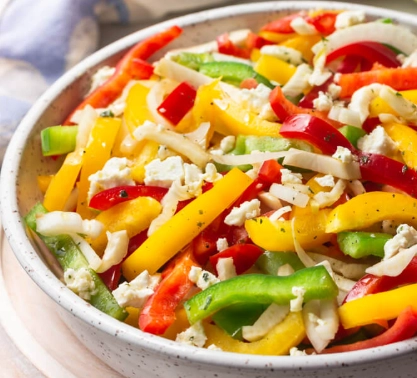
Is it the quickest weeknight meal? Not really. But it's reliable, makes great leftovers, and feels like a proper dinner.
The Weeknight Hero: Bell Pepper and Onion Fajitas
This is where bell pepper dishes truly shine for speed. The sizzle of peppers and onions on a hot skillet is one of the best smells in a kitchen. You can use chicken, beef, shrimp, or just go veggie.
The secret? High heat and don't move them too much. You want a bit of char. Slice your peppers and onions into uniform strips so they cook evenly. Season generously with cumin, chili powder, garlic powder, and a pinch of salt. A splash of lime juice at the end brightens everything up.
Serve with warm tortillas, salsa, guacamole, and sour cream. It's a 20-minute meal that feels like a celebration.
The Flavor Bomb: Roasted Red Pepper Pasta Sauce
If you've never made this, you're missing out. It tastes far more complex than the effort required. You roast 3-4 red bell peppers (or use jarred roasted peppers in a pinch), blend them with sautéed garlic, a handful of basil, a splash of cream or a handful of walnuts (for a dairy-free version like a romesco), and some Parmesan. The result is a creamy, vibrant, slightly sweet sauce that clings beautifully to pasta.
It's a different vibe from tomato sauce – richer, smoother, and somehow more sophisticated. It freezes well too, so make a big batch.
The Unexpected Star: Bell Peppers in Breakfast
Don't limit bell pepper dishes to lunch and dinner. Diced small, they're fantastic in omelets, frittatas, and breakfast hashes. They add sweetness and color that wakes up your morning plate. A simple scramble with onions, diced red pepper, and spinach is my weekend staple.
Beyond the Basics: Global Inspirations for Bell Pepper Dishes
Bell peppers are used worldwide, not just in Western cooking. Exploring how other cuisines use them can expand your repertoire dramatically.
In Hungarian cuisine, they're essential in Lecsó, a simple stew of peppers, tomatoes, onions, and paprika, often with eggs stirred in at the end or sausage added. It's rustic, comforting, and highlights the pepper's sweetness.
In Italian cooking, besides the obvious use in sauces, they're often sott'olio – preserved in oil with herbs after being roasted or grilled. These make incredible antipasti or sandwich fillings.
Across the Mediterranean and Middle East, you'll find them stuffed, but with different fillings. Greek Yemista might use a rice and herb filling with ground lamb. Turkish versions often include pine nuts and currants.
In Asian stir-fries, the green bell pepper is particularly common, providing a clean, bitter crunch against rich, savory sauces. Think of dishes like Kung Pao Chicken or Black Pepper Beef.
This global perspective shows just how adaptable bell peppers are. They're a true culinary chameleon.
Want to explore further? The Harvard T.H. Chan School of Public Health has great information on the nutritional science behind colorful vegetables like peppers, which can inform how you use them for health-focused meals.
Answering Your Bell Pepper Questions (The FAQ Section)
Over the years, I've gotten a lot of questions from friends about cooking with peppers. Here are the most common ones, with answers from my experience and some digging into reliable sources.
Are bell peppers and capsicums the same thing?
Yes, absolutely. "Bell pepper" is the common term in North America. In the UK, Australia, New Zealand, India, and Singapore, they're most often called "capsicums." Some places also call them "sweet peppers." It's all the same vegetable – the large, blocky, sweet variety with no heat.
Why are my stuffed peppers always watery?
Ah, the soggy pepper dilemma. This usually comes from two places: 1) The peppers themselves releasing moisture as they bake, and 2) A filling with too much liquid (like using raw vegetables with high water content, or a very wet sauce).
Solutions: Blanch the pepper halves first and pat them very dry inside. Pre-cook watery vegetables like mushrooms or zucchini before adding them to your filling. Use less sauce inside the pepper, and serve extra on the side. And finally, don't over-cover them while baking – a loose tent of foil is better than a tight seal, which traps steam.
Can you eat the skin? Do you have to peel roasted peppers?
You can absolutely eat the skin. It's edible and contains fiber. However, when peppers are roasted or grilled until the skin is thoroughly blackened and blistered, that skin becomes tough, papery, and bitter. For the best texture and flavor in dishes like roasted pepper soup or dip, it's worth taking the time to peel it off after roasting. The flesh underneath is incredibly tender and sweet. For quick sautéing or eating raw, the skin is perfectly fine.
How do I store bell peppers to make them last longer?
Don't wash them until you're ready to use them. Moisture speeds up decay. Store them whole, unwashed, in a plastic bag (I leave it slightly open) or a produce drawer in your fridge. They should last 1-2 weeks. Once cut, wrap the remainder tightly in plastic wrap or put it in an airtight container and use within a few days. You can also slice and freeze them for use in cooked dishes later, though they'll lose their crisp texture.
Is there a trick to cutting them without seeds going everywhere?
Cut off the top, then turn the pepper upside down over your cutting board or compost bin and give it a few firm taps. Most of the seeds will fall out. Then use your fingers or a small spoon to remove the remaining ribs and seeds. Working under running water can also help wash seeds away, but you'll lose some of the flavorful juices.
What's the deal with the different colors? Can I substitute them?
As mentioned, the colors represent different stages of ripeness (green -> yellow/orange -> red) and have different flavor profiles and prices. Green are less sweet, more bitter, and crunchier. Red are the sweetest and most expensive. Yellow and Orange are in the middle.
You can usually substitute them in most bell pepper dishes, but be aware it will change the flavor. Using a green pepper in a dish where red is specified will result in a less sweet, more vegetal taste. In a stir-fry, it might not matter much. In a simple roasted pepper dish, it will. My rule: for cooking where other strong flavors are present (like a spicy curry), substitution is fine. For dishes where the pepper is the star (stuffed peppers, roasted pepper sauce), try to use the color specified.
Putting It All Together: Making Bell Pepper Dishes Work for You
So you've got the knowledge. How do you actually incorporate more bell pepper dishes into your life without it feeling like a chore?
Meal prep is your friend. On a Sunday, wash and slice a few peppers into strips and store them in a container. You'll have them ready for quick stir-fries, omelets, or snack boxes all week. You can even pre-make a filling for stuffed peppers and keep it in the fridge for a day or two, then just stuff and bake when needed.
Think beyond the main course. Bell peppers are fantastic in salads (try thin strips with feta, olives, and red onion), on sandwiches and wraps (grilled peppers are incredible on a sub), or as a vehicle for dips. Hollowed-out mini sweet peppers make perfect, edible cups for chicken or tuna salad.
Embrace the freezer. If you see a great deal on bell peppers, buy extra. Chop them and freeze on a baking sheet before transferring to a bag. They won't be good for salads, but they'll be perfect for soups, stews, and sauces where texture is less critical.
The beauty of bell pepper dishes is their accessibility. You don't need fancy equipment or rare ingredients. You just need a pepper, a knife, and a little heat. They're forgiving (mostly) and rewarding. They add nutrition, color, and joy to your plate.
Start simple. Maybe just try sautéing some peppers and onions as a side dish this week. Or grab a red pepper, roast it, and blend it into a pasta sauce. Once you see how a little technique can transform this humble veggie, you'll start seeing possibilities everywhere. That's the real secret to great bell pepper dishes – understanding their potential, then having fun with it.
I still mess up sometimes. I'll overcook them, or choose a pepper that's past its prime. But that's cooking. It's a process. And with something as versatile and colorful as a bell pepper, even the mistakes usually taste pretty good.
Reader Comments