Quick Navigation
Let's be honest. We've all seen those picture-perfect, glossy caramel apples at the store or the fair. They look amazing, and you think, "I could make those." Then you try, and suddenly you're in a sticky situation—literally. The caramel slides right off, or it's too thick, or the apples won't stand up straight. I've been there. My first batch was a complete disaster. The caramel pooled around the apples like a sad, beige moat. Not exactly Instagram-worthy.
But here's the thing: making fantastic caramel apples at home is totally doable. It's not some guarded secret. It just requires knowing a few key things that most basic recipes gloss over. That's what this guide is for. We're going deep, covering every single step, pitfall, and pro-tip so you can skip the frustration and go straight to the delicious part.
This isn't just a list of ingredients and steps. It's the culmination of my own trial and error (lots of error), conversations with pastry chefs, and hours of testing. We'll talk about the science of sugar, the psychology of apple selection, and everything in between. Whether you're making them for a Halloween party, a fall gathering, or just because you have a craving, this guide has you covered.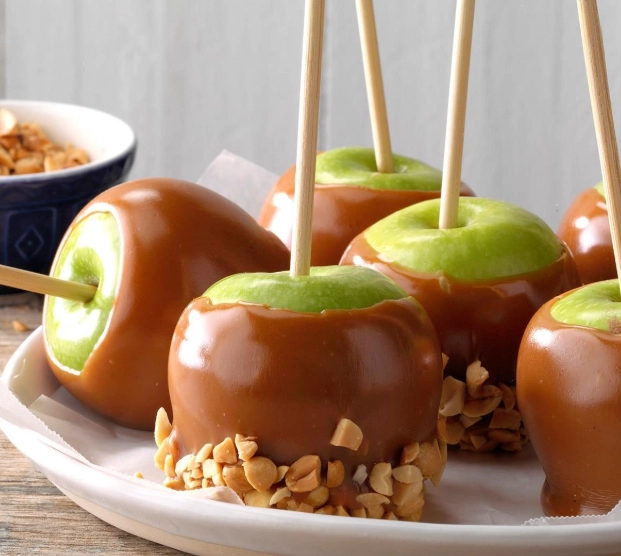
Getting Started: The Foundation of a Great Caramel Apple
You can't build a house on sand, and you can't make a great caramel apple with the wrong foundation. This part is crucial. Skipping or rushing through the prep work is the number one reason homemade versions fail.
The Apple Dilemma: Which One to Choose?
Not all apples are created equal, especially when it comes to dunking them in hot caramel. You want an apple that's firm enough to handle the skewer and the weight of the caramel, with a tart flavor to balance the sweetness. A mushy apple is a sad apple.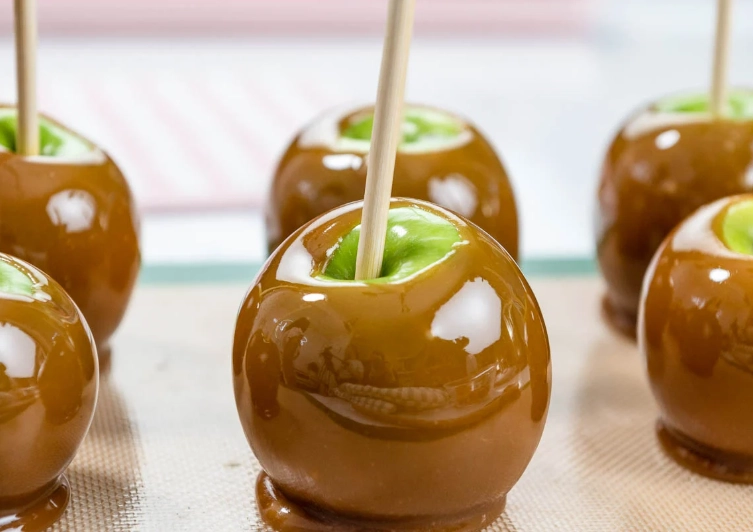
Here’s a quick breakdown of the top contenders:
| Apple Variety | Why It Works (or Doesn't) | My Personal Take |
|---|---|---|
| Granny Smith | The classic choice. Very firm, intensely tart, holds its shape perfectly. The tartness cuts through the sweet caramel brilliantly. | This is my go-to, especially for first-timers. It's reliable. The green skin also looks gorgeous under the caramel. |
| Honeycrisp | Firm, juicy, and sweet-tart. Less acidic than Granny Smith, but still holds up very well. | A fantastic all-rounder. If you find Granny Smith too sour, this is your best bet. The crunch is sublime. |
| Fuji | Sweet and crisp. Firm enough for the job, but leans very sweet. | Good, but the double sweetness (apple + caramel) can be a bit much for some. Perfect for serious sweet teeth. |
| Gala | Mildly sweet and aromatic. Softer flesh than the others. | I'd avoid it. It can get mushy and sometimes the stick tears through. Not ideal for this specific caramel apple recipe. |
| Pink Lady (Cripps Pink) | Firm, tart, and tangy with a hint of sweetness. Excellent texture. | A top-tier, slightly gourmet choice. Performs almost as well as Granny Smith with a more complex flavor. |
The USDA has a great resource on apple varieties if you want to dive deeper into their characteristics. But for our purposes, just grab Granny Smiths or Honeycrisps and you'll be golden.
Prepping Your Apples: The Non-Negotiables
This is where many people slip up. Washing isn't enough.
- Wash and Dry THOROUGHLY: Use warm water and a bit of vinegar or produce wash to remove any wax (store-bought apples are often coated). Wax is the enemy of sticky caramel. Then, dry every single inch with a clean towel. Any water droplets will cause the caramel to slide right off. I mean it—be obsessive here.
- Remove the Stems: Snip them off with kitchen shears so you have a flat surface.
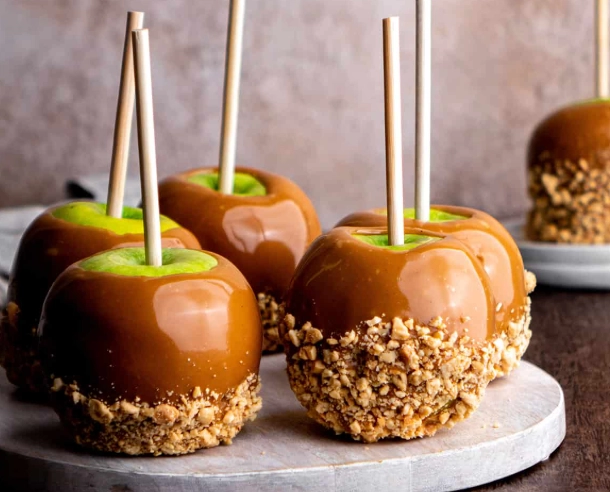
- Insert the Sticks: Use popsicle sticks, craft sticks, or even sturdy twigs. Push them firmly into the stem end, about halfway to two-thirds into the apple. Test it—give it a gentle wiggle. If it feels loose, try a different spot or a thicker stick.
- Chill Them: This is a secret weapon. After prepping, put the apples on a parchment-lined tray and stick them in the fridge for at least 30 minutes. A cold apple helps the hot caramel set faster and thicker, preventing the dreaded slide.
The Heart of the Matter: The Caramel Itself
You have two paths here: the from-scratch route and the shortcut route. I'll give you both, but I'm going to strongly advocate for the from-scratch method. The flavor and texture control are worth the extra 15 minutes.
Path 1: The Foolproof Homemade Caramel Sauce
This easy caramel apple recipe sauce is rich, buttery, and clings like a dream. It's a simple sugar syrup taken to the caramel stage, with cream and butter added to stop the cooking and create that luscious sauce.
Here’s what you’ll need:
| Ingredient | Quantity | Purpose & Notes |
|---|---|---|
| Granulated Sugar | 2 cups | The base. Don't substitute with brown sugar here—we want pure caramel flavor. |
| Light Corn Syrup | 1/2 cup | Prevents crystallization, which causes grainy caramel. You can sub with golden syrup or honey, but corn syrup is most reliable. |
| Water | 1/2 cup | Helps the sugar dissolve evenly at the start. |
| Unsalted Butter | 1/2 cup (1 stick), cubed | Adds richness and flavor. Must be unsalted to control saltiness. |
| Heavy Cream | 1 cup, room temp | The key to a smooth, creamy texture. Room temp prevents shocking the hot sugar. |
| Vanilla Extract | 2 teaspoons | For flavor depth. Add at the very end. |
| Sea Salt (optional) | 1 teaspoon | For salted caramel apples. A flaky salt is fantastic. |
The process requires attention, but it's not hard:
- In a heavy-bottomed, medium-sized pot (light-colored so you can see the color change), combine sugar, corn syrup, and water. Stir over medium heat just until the sugar dissolves.
- Once dissolved, stop stirring. Seriously, put the spoon down. Brushing down the sides with a wet pastry brush can help prevent crystals, but don't stir. Let the mixture come to a boil. This is where patience comes in.
- Watch it like a hawk. It will go from clear to light gold to a deep amber. You're aiming for a color similar to a copper penny. This can take 10-15 minutes. If you have a candy thermometer, aim for 245°F to 250°F (118°C to 121°C), the firm-ball stage. No thermometer? Do the water test: drop a bit into cold water; it should form a firm but pliable ball.
- As soon as it hits that color/temperature, remove from heat. Carefully whisk in the butter cubes (it will bubble violently—that's okay).
- Once the butter is melted, slowly pour in the room-temperature heavy cream while whisking constantly. It will bubble up again.
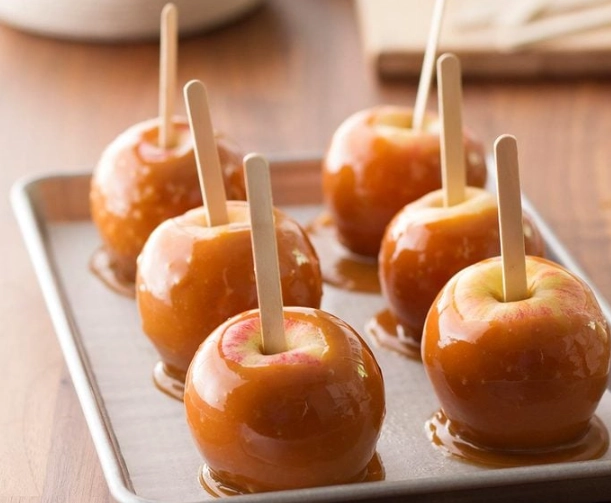
- Whisk until smooth and incorporated. Stir in the vanilla and salt (if using).
- Let the caramel cool in the pot for about 10-15 minutes. It needs to thicken slightly so it clings to the apple instead of being a runny waterfall. This waiting period is critical. Test it by dipping a spoon—the caramel should coat the back thickly.
I won't lie, the first time I did this I was nervous. The sugar can go from perfect to burnt in seconds. But once you get the hang of it, it's almost meditative. The smell alone is worth it.
Path 2: The Store-Bought Shortcut
Short on time or feeling intimidated? That's okay. You can use about 50 ounces of store-bought soft caramels (like Kraft). Unwrap them (a tedious but necessary task), combine with 2-3 tablespoons of milk or cream in a microwave-safe bowl, and microwave in 30-second bursts, stirring in between, until smooth.
My honest opinion? The flavor is noticeably different—sweeter, less complex, and sometimes has a faint processed aftertaste. The texture can also be trickier to get right; it often sets up chewier and harder than the homemade version. But for a quick fix with kids, it works. Just don't expect that artisanal bakery taste.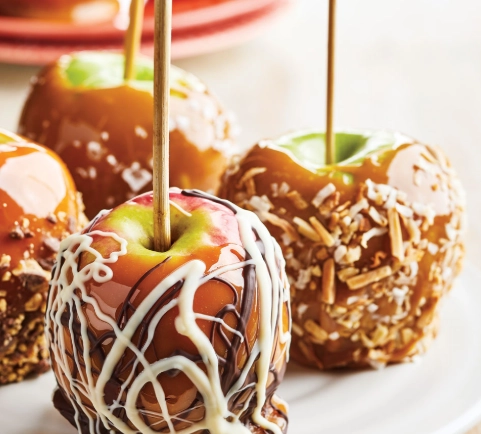
The Grand Dunking: Assembling Your Caramel Apples
Now for the fun part. Your apples are chilled, your caramel is slightly cooled and thickened. Let's bring them together.
- Prepare Your Station: Lay out a sheet of parchment paper or a silicone mat. Have your topping bowls ready (see next section). Tilt your pot of caramel or pour it into a deep, narrow bowl or large measuring cup for easier dipping.
- The Dip: Hold an apple by the stick. Tilt your caramel container and slowly rotate the apple as you submerge it, letting the caramel come up almost to the stick. Don't plunge it straight down—you'll get air bubbles. Swirl it gently to get an even coat.
- The Lift: Slowly lift the apple out, letting excess caramel drip off for a few seconds. You can gently twirl it or tap the stick on the edge of the bowl to shake off extra caramel. Too much caramel means it will all pool at the bottom (the "foot"). A little foot is normal; a big one is messy.
- Add Toppings (Optional but Recommended): If you're adding nuts, sprinkles, or chocolate drizzle, do it immediately after dipping, while the caramel is still wet and sticky. Roll it in a bowl of toppings or place it on a tray and sprinkle them on top.
- Set to Dry: Place the finished apple stick-up on the prepared parchment paper. If it wants to tilt, you can nestle it into an upside-down egg carton or a block of foam with holes poked in it.
Repeat with the remaining apples. If the caramel gets too thick as it cools, you can gently re-warm it over a double boiler or in the microwave for a few seconds.
Taking It to the Next Level: Toppings & Variations
A plain caramel apple is a classic for a reason. But if you want to get creative, the sky's the limit. This is where you can really personalize your caramel apple recipe.
The Topping Bar Ideas
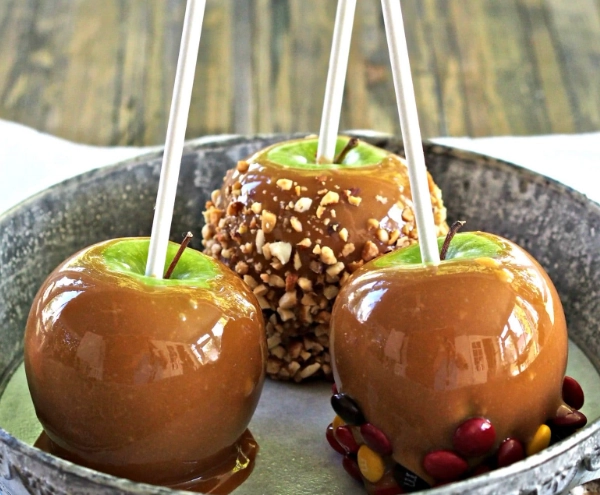
- Crunchy: Chopped peanuts, pecans, walnuts, toffee bits, crushed pretzels, crushed Oreos.
- Sweet & Colorful: Rainbow sprinkles, Halloween sprinkles, mini M&Ms, crushed candy canes (for Christmas!), mini chocolate chips.
- Chocolate Drizzle: Melt chocolate chips (dark, milk, or white) with a tiny bit of coconut oil and drizzle over the set caramel with a fork or a piping bag. Let it set.
- Salty-Sweet: A final light sprinkle of flaky sea salt over the wet caramel.
Fusion Flavors (My Favorite Part)
Why stop at just toppings? Infuse your caramel or add layers.
- Salted Caramel Apple: Add 1-2 tsp of flaky sea salt to the caramel as mentioned.
- Chocolate-Covered Caramel Apple: Let the caramel layer set completely. Then, dip the apple into melted chocolate (tempered is best, but carefully melted chocolate chips work). This creates a chocolate shell *outside* the caramel. Decadent.
- Cookie Butter Caramel Apple: Swirl a few tablespoons of speculoos cookie butter into the finished caramel. Unreal.
- Candy Apple Hybrid: Make a thin, hard candy shell (like a classic red candy apple) and let it set. Then, dip it in your caramel. You get the snap and the chew. Advanced move, but wow.
Troubleshooting: Saving Your Caramel Apples
Things don't always go perfectly. Here's how to fix common issues.
Look, even with all this info, a batch might have one ugly duckling. That's the cook's treat. Slice it up and eat it immediately.
Beyond the Recipe: Serving & Enjoying
So you've made a beautiful batch. Now what?
Cutting them: Trying to bite into a whole caramel apple is a dental adventure (and not always a good one). The best way to serve them is to slice them. Use a very sharp knife to cut wedges off the core, or push the stick through to push the apple off, then slice. It's messy but manageable.
Pairings: They're rich. Serve with something to cut the sweetness. A sharp cheddar cheese plate is a classic fall pairing. Or just a big glass of cold milk.
Making caramel apples is more than following a recipe. It's a fun, tactile, slightly messy autumn tradition. The goal isn't perfection; it's deliciousness and a bit of kitchen magic. With this guide, you have all the tools to avoid the common pitfalls and create something truly special. This comprehensive caramel apple recipe tutorial should answer every question you have, from "what apples?" to "why is it sliding?" to "what can I put on it?"
Now go get some apples and make a sticky, wonderful mess. You've got this.
Reader Comments