Quick Navigation
You know how it goes. You're trying to make a healthier choice, you order the Caesar salad, and you feel pretty good about yourself. It's a salad, right? It's got to be light. Then that little voice in the back of your head whispers... "how many calories caesar salad actually packs in?". And you're right to wonder. The answer isn't as simple as you might think. It can swing wildly from a reasonable meal to a calorie bomb that rivals a burger, all depending on who's making it and what they're putting in it.
I learned this the hard way. Years ago, I was on a health kick and ordered a Caesar salad from a chain restaurant, thinking it was the safe bet. I later looked it up online on a whim and was absolutely floored. The calorie count was staggering—somewhere north of 800 calories, and a huge chunk of that was fat. My "healthy lunch" had more calories than the club sandwich my friend ordered. That was my wake-up call to dig deeper into what makes this classic salad tick, calorie-wise.
So, let's break it down together, piece by piece. We'll look at the classic recipe, the restaurant versions that can scare you, and how you can build a Caesar salad you love without the guilt. This isn't about fear-mongering; it's about giving you the knowledge to make the choice that's right for you, whether you're at home or staring at a menu.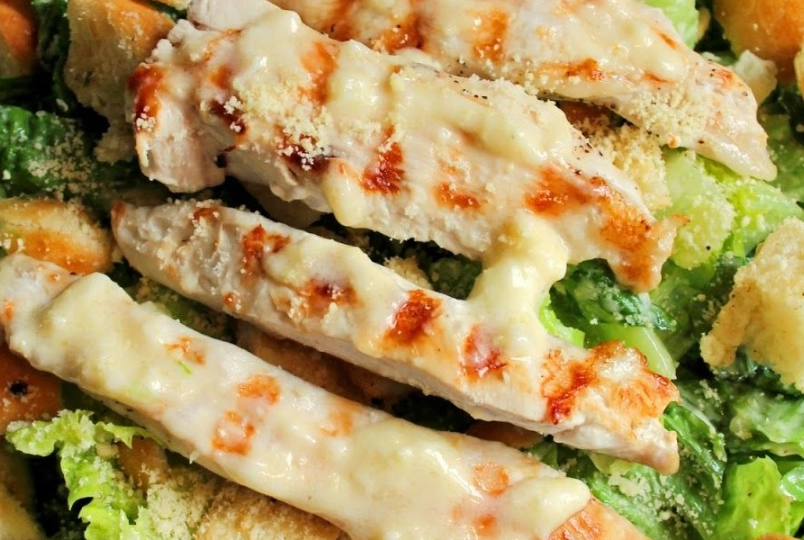
The Core Breakdown: What's in a Classic Caesar Salad?
To understand the calories in a Caesar salad, you have to understand its parts. A traditional Caesar isn't just some lettuce thrown in a bowl. It's a specific assembly of a few key ingredients, and each one carries its own weight in the calorie department.
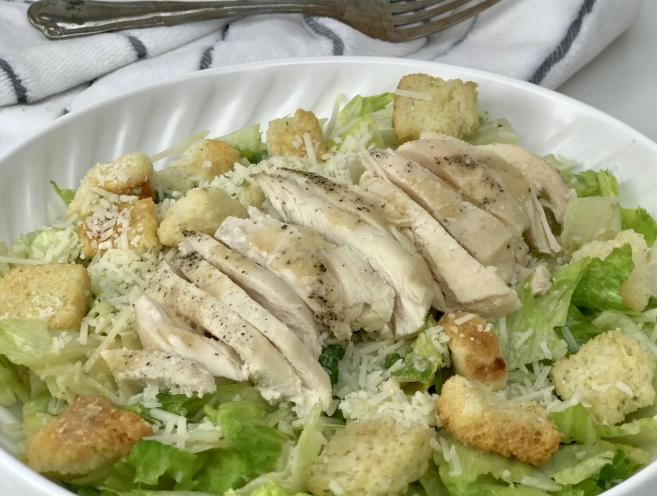
The Heart of the Matter: At its core, a classic Caesar salad consists of romaine lettuce, Caesar dressing, Parmesan cheese, croutons, and sometimes anchovies. The dressing is the real star (and the main culprit when we talk about calories). It's traditionally made from olive oil, egg yolk, Parmesan, lemon juice, Worcestershire sauce, garlic, and anchovies.
Ingredient-by-Ingredient Calorie Audit
Let's put a typical homemade, single-serving Caesar salad under the microscope. We're talking a decent-sized bowl you'd make for lunch.
- Romaine Lettuce (3 cups, chopped): This is your freebie, basically. About 15 calories. It's all water, fiber, and nutrients. The green foundation that makes you feel virtuous.
- Classic Caesar Dressing (3 tablespoons): Here's where things get serious. Traditional dressing is an emulsion of oil and egg. Just those 3 tablespoons can land you in the 250 to 320 calorie range. The oil is the main contributor. It's delicious for a reason.
- Parmesan Cheese (2 tablespoons, grated): Adds that salty, umami punch. About 40-50 calories. Not too bad on its own, but it adds up.
- Croutons (½ cup): Little cubes of toasted, seasoned bread. They're there for crunch. This portion adds roughly 60-100 calories, depending on size and how much butter or oil they're toasted in.
- Anchovies (2-3 fillets, optional): A classic ingredient, but often skipped. Maybe 15 calories. They add a deep, salty flavor that's hard to replicate.
You add that all up for a homemade version, and you're looking at a ballpark figure of 370 to 500 calories for a standard serving. That's a solid, flavorful meal. The problem? That's the *homemade* version where you control the portions, especially the dressing.
The Restaurant Reality: Why "Caesar Salad" on a Menu is a Gamble
This is where the question "how many calories caesar salad contains" gets tricky. Restaurant portions are almost always larger, and chefs aren't shy with the dressing. They want it to taste amazing, and fat (from oil and cheese) carries flavor like nothing else.
I've seen kitchen staff literally toss salads in a bowl with dressing until every leaf is coated and glistening. At home, you might drizzle. In a restaurant, they often drown.
Let's look at some real-world examples. Data from restaurant nutrition guides and the USDA FoodData Central database paint a clear picture. Remember, these are often for a *side* salad, not even an entrée.
| Restaurant / Salad Type | Approximate Calories | Key Notes (The "Why" Behind the Number) |
|---|---|---|
| Chain Restaurant Side Caesar | 300 - 450 | Even the small side can be heavy. Dressing is usually creamy and pre-made, often with more mayo or soybean oil than classic recipes. |
| Chain Restaurant Entrée Caesar (with Chicken) | 700 - 1,200+ | This is the big one. Large bed of lettuce, 4-6oz of grilled or crispy chicken, a mountain of croutons, and a *lot* of dressing. The range is huge—grilled chicken saves calories, crispy chicken adds hundreds. |
| Steakhouse Caesar (Prepared Tableside) | 500 - 800 | They make a show of it, which is fun. But they often use copious amounts of oil and egg yolk. The flavor is incredible, but so is the calorie count. |
| Fast-Casual "Custom" Caesar | 400 - 900 | You have control here. The base salad might be reasonable, but adding proteins (chicken, salmon), extra cheese, and too much dressing sends it soaring. |
See what I mean? Asking "how many calories caesar salad has" in a restaurant is like asking how long a piece of string is. It depends. An entrée Caesar salad with crispy chicken at a popular chain can easily top 1,000 calories. That's not a light lunch; that's a whole day's worth of calories for some people.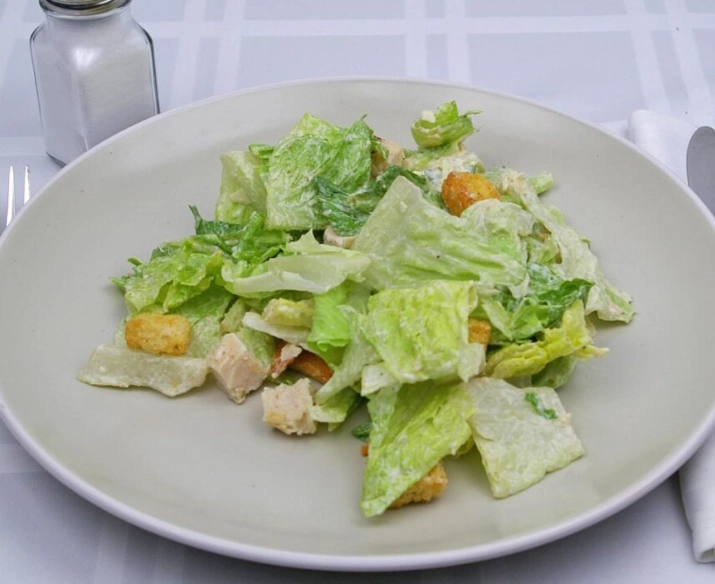
A word on "creamy" vs. "traditional": Many restaurants use a creamy Caesar dressing, which often substitutes some of the olive oil with mayonnaise or adds cream. This can sometimes slightly lower the calorie count per tablespoon compared to a pure oil-based emulsion, but they tend to use more of it because it's cheaper and clings differently. Don't assume "creamy" is automatically lighter.
Building a Better, Lighter Caesar: Your Action Plan
Okay, so the classic and restaurant versions can be heavy. But what if you love Caesar salad? You shouldn't have to give it up. The goal is to build one that satisfies the craving without the calorie shock. Here’s how you can hack it.
1. Revolutionize the Dressing (The #1 Priority)
This is your biggest lever. You can cut hundreds of calories here without sacrificing flavor.
- The Yogurt/Greek Yogurt Swap: My personal go-to. Replace most or all of the oil with plain, non-fat Greek yogurt. You keep the creamy, tangy base. Add a little olive oil (a teaspoon for flavor), garlic, lemon, Worcestershire, Parmesan, and anchovy paste. The calorie drop is massive. A 3-tablespoon serving of this kind of dressing can be under 80 calories.
- The "Less Oil, More Flavor" Approach: Stick to the classic method but reduce the oil by half. Compensate with more lemon juice, a splash of the brine from capers or anchovies, and extra garlic and black pepper. The flavor becomes sharper and more vibrant, not just fatty.
- Simple Vinegar & Lemon Base: For a super-light version, whisk together lemon juice, Dijon mustard, a tiny bit of olive oil, grated garlic, and Parmesan. It's more of a vinaigrette but hits the same salty, tangy notes.
I make the Greek yogurt version weekly. I was skeptical at first—would it taste like a sad diet food? Honestly, no. It's different from the classic, but it's delicious in its own right. It's tangier and feels lighter in your stomach. Give it a shot.
2. Rethink the Croutons
Croutons are mostly empty carbs and added fats. For crunch, try:
- Toasted Chickpeas: Toss canned chickpeas with paprika and garlic powder, roast until crispy. Adds protein and fiber.
- Seeds & Nuts: A tablespoon of sunflower seeds or slivered almonds adds crunch, nutrients, and healthy fats.
- Whole-Grain Croutons: If you must have croutons, make your own from a dense whole-grain bread with a light spray of oil.
3. Pile on the Greens and Add Smart Protein
Use a huge bowl of romaine as your base. Bulk it up with other greens like kale or arugula for more nutrients and volume. For protein, grilled chicken breast, shrimp, or a can of flaked light tuna (a very classic pairing, actually) are excellent, lean choices that make the salad a complete meal.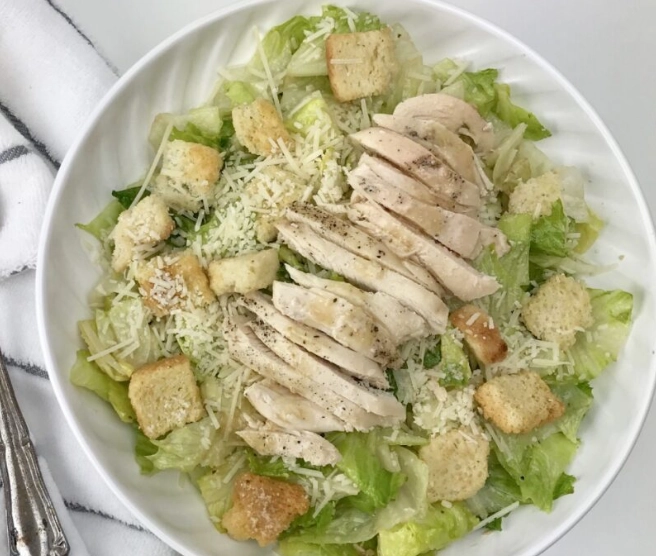
Pro-Tip for Restaurant Orders: Always, always ask for the dressing on the side. This is the single most powerful thing you can do. You can then control exactly how much you use. Dip your fork into the dressing before spearing a bite of salad. You'll be amazed at how little you actually need to get the flavor.
Your Caesar Salad Calorie Questions, Answered
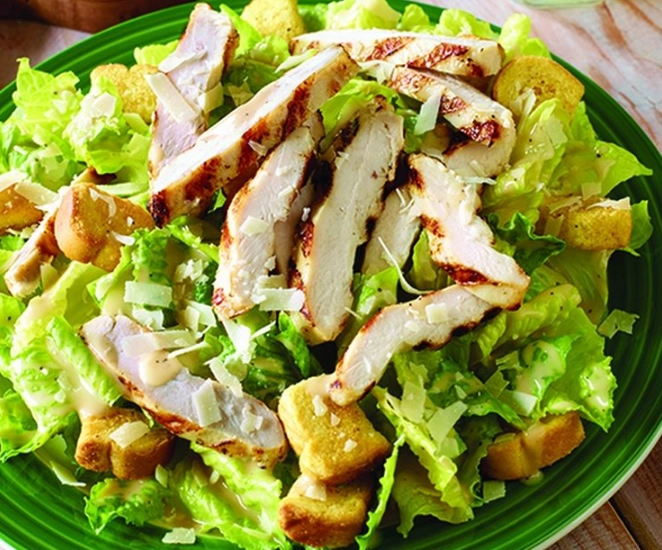
The Final Toss: Knowledge is Power
So, back to our original question: how many calories caesar salad contains? The spectrum is wide. It can be a 400-calorie nutrient-packed lunch you make at home, or a 1,200-calorie restaurant indulgence that's more about the dressing and croutons than the salad.
The point of all this isn't to make you afraid of a Caesar salad. It's the opposite. I want you to enjoy it. But now you know what you're dealing with. You know that the dressing is the master switch for the calorie count. You know that restaurant portions are a minefield unless you ask for dressing on the side. You know you can make a killer, lighter version at home that still tastes fantastic.
Next time you see it on a menu or think about making one, you won't have to wonder blindly. You'll know exactly which levers to pull to get the Caesar salad that fits your goals. That’s the real takeaway here. It’s not just a number; it’s understanding the recipe behind the number. Now go forth and toss with confidence.
And hey, if you want to dive deeper into the nutritional components of individual ingredients, the USDA's FoodData Central is an incredible, scientifically-backed resource. I use it all the time to check my assumptions about specific foods. It's the gold standard for this kind of info.
Reader Comments